Story code: ST-001445
Part 1: The Ninety-Eight Percent Match
Marcus hit the spacebar, logging another ninety-eight percent confidence match for the client’s ‘pregnancy termination intent’ pipeline. The spreadsheet blurred into a wall of gray text, each row just another anonymized identification tag destined for the Texas Liberty PAC. He took a sip of lukewarm coffee and clicked the next data packet to begin the manual audit. The algorithm was doing exactly what he had built it to do. It scraped search histories, location data, and social media breadcrumbs, packaging them into neat, undeniable profiles. The client paid top dollar for clean, actionable intelligence, and Marcus made sure they received exactly that.
He opened the profile for Subject 884-B. The first flag was a sudden spike in search queries for out-of-state travel options, specifically cross-referencing Greyhound bus schedules with addresses known to house medical clinics in New Mexico. This was a standard behavior pattern. He checked the box for ‘Intent Confirmed’ in the QA dashboard. Next came the location telemetry. The subject had visited a local pharmacy three times in the past five days, spending a prolonged amount of time in the family planning aisle, according to the store’s indoor positioning system. The confidence score held steady at ninety-four percent.
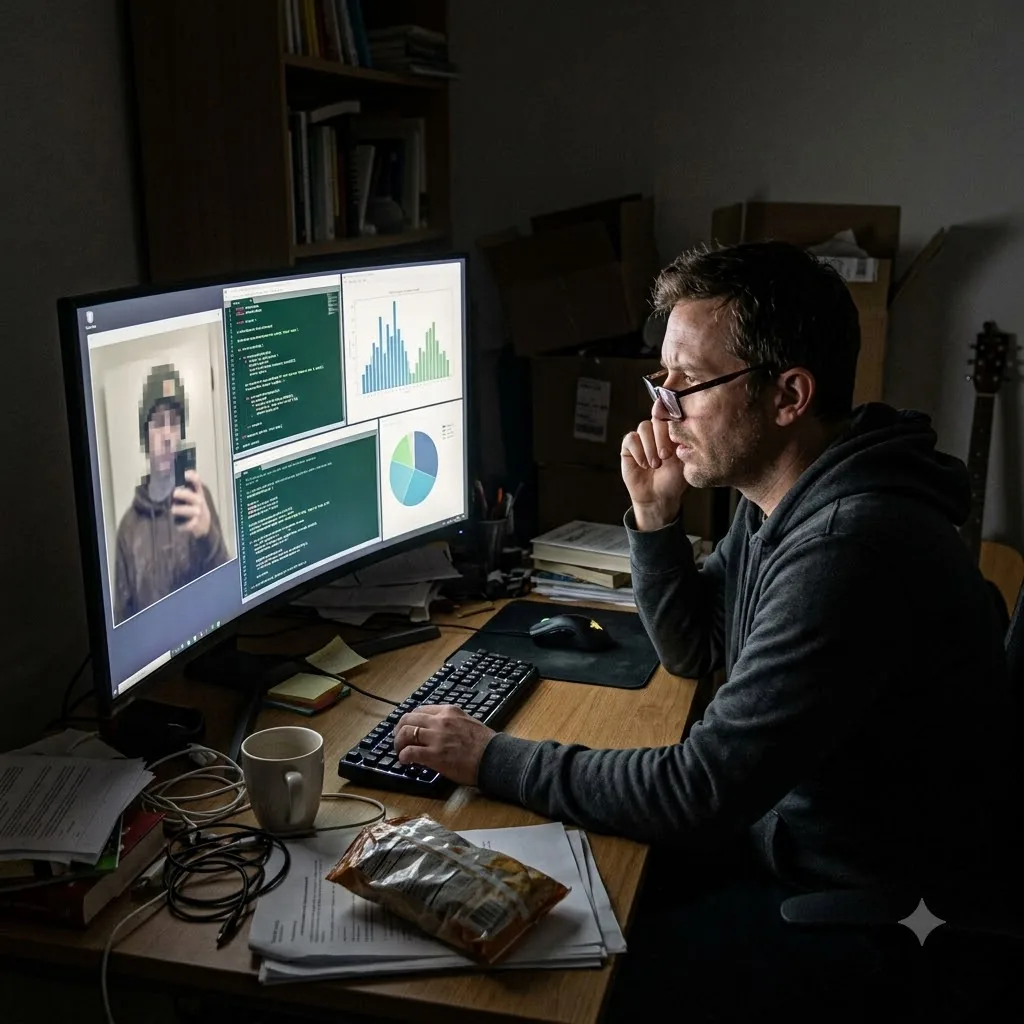
Marcus scrolled further down the dashboard. His dual monitors cast a pale blue glow over the quiet, empty office. The interface he had designed was elegant and clinical. A minimalist white background with stark black text and color-coded alert flags dominated the screen. Red indicated high-probability targets. Subject 884-B was glowing bright red. The system had aggregated recent financial data, noting a sudden shift in spending habits followed by an ATM cash withdrawal of four hundred dollars. The predictive model weighted cash withdrawals heavily in jurisdictions with strict bounty laws. People attempting to hide a medical procedure always stopped using traceable currency. Marcus felt a familiar, cold twinge of professional pride at the efficiency of his creation. It was ruthless, stripping away layers of digital anonymity to reveal the raw, unprotected truth of a person’s private life.
He clicked over to the visual evidence tab to complete the final stage of the audit. The algorithm did not just rely on text and location data. It scraped public-facing images across various platforms, running them through a neural network trained to identify contextual clues and environmental stressors. The system compiled a mosaic of visual evidence to support the numerical flags, ensuring the PAC’s legal team had airtight justification for their tips.
The visual evidence tab loaded a series of scraped photos. Most were entirely mundane. There was a low-resolution shot of a coffee cup sitting on a wooden table. There was a blurry image of a car dashboard taken from the passenger seat. The final image in the array was a mirrored selfie taken in a poorly lit public restroom. The system had flagged the photo for ‘distress indicators’ in the subject’s posture, though the face itself was completely obscured by the smartphone held up to the glass.
Marcus clicked the image to enlarge it, intending to verify the crop parameters. The system was supposed to auto-blur identifying features like faces and license plates to maintain the strict illusion of compliance with data privacy regulations. The image expanded to fill his primary monitor. He stared at the screen, his hand resting idly on the mouse.
The subject in the photo was holding a smartphone enveloped in a bright yellow case. Plastered across the back of the case was a highly distinctive sticker. It depicted a retro, cartoonish astronaut riding a neon-green skateboard. The sticker was faded, the bottom left corner peeling away from the plastic backing where nervous fingers had repeatedly picked at it over time.
Marcus stopped moving. The ambient hum of the server rack down the hall suddenly sounded overwhelmingly loud in his ears. He knew that sticker. He had purchased it at the Adler Planetarium gift shop during a weekend trip three years ago. He had handed it to his daughter, Chloe, on the drive home. She had applied it to her bright yellow phone case the very next morning.
He leaned closer to the high-definition monitor. The pixels sharpened as his eyes locked onto the details he had initially ignored. The silver band on the subject’s index finger featured a tiny, engraved crescent moon. It perfectly matched the ring he had given Chloe for her eighteenth birthday. The frayed, heavily distressed cuff of the denim jacket visible in the frame was identical to the one she refused to throw away.
The anonymized data packet was no longer just a string of alphanumeric characters. The searches for New Mexico clinics. The cash withdrawals. The visits to the pharmacy aisle. All of it belonged to her.
His creation had found his own daughter.
Marcus looked at the top right corner of the dashboard. The system operated on an automated batch-processing schedule. Once a profile cleared the manual QA audit and maintained a confidence score above ninety percent, it was queued for export. A small digital timer ticked down next to Subject 884-B. The automated tip generation protocol was scheduled to transmit the finalized, un-anonymized data packet directly to the local authorities and the PAC’s legal team in exactly fourteen minutes. The countdown flashed in a stark, unforgiving red font.
Marcus slammed his hand down on the keyboard to abort the sequence, but the interface locked, throwing up a security prompt requiring a senior administrator override code that he had surrendered to the client just yesterday.
Marcus hit the spacebar, logging another ninety-eight percent confidence match for the client’s ‘pregnancy termination intent’ pipeline. The spreadsheet blurred into a wall of gray text, each row just another anonymized identification tag destined for the Texas Liberty PAC. He took a sip of lukewarm coffee and clicked the next data packet to begin the manual audit. The algorithm was doing exactly what he had built it to do. It scraped search histories, location data, and social media breadcrumbs, packaging them into neat, undeniable profiles. The client paid top dollar for clean, actionable intelligence, and Marcus made sure they received exactly that.
He opened the profile for Subject 884-B. The first flag was a sudden spike in search queries for out-of-state travel options, specifically cross-referencing Greyhound bus schedules with addresses known to house medical clinics in New Mexico. This was a standard behavior pattern. He checked the box for ‘Intent Confirmed’ in the QA dashboard. Next came the location telemetry. The subject had visited a local pharmacy three times in the past five days, spending a prolonged amount of time in the family planning aisle, according to the store’s indoor positioning system. The confidence score held steady at ninety-four percent.
Marcus scrolled further down the dashboard. His dual monitors cast a pale blue glow over the quiet, empty office. The interface he had designed was elegant and clinical. A minimalist white background with stark black text and color-coded alert flags dominated the screen. Red indicated high-probability targets. Subject 884-B was glowing bright red. The system had aggregated recent financial data, noting a sudden shift in spending habits followed by an ATM cash withdrawal of four hundred dollars. The predictive model weighted cash withdrawals heavily in jurisdictions with strict bounty laws. People attempting to hide a medical procedure always stopped using traceable currency. Marcus felt a familiar, cold twinge of professional pride at the efficiency of his creation. It was ruthless, stripping away layers of digital anonymity to reveal the raw, unprotected truth of a person’s private life.
He clicked over to the visual evidence tab to complete the final stage of the audit. The algorithm did not just rely on text and location data. It scraped public-facing images across various platforms, running them through a neural network trained to identify contextual clues and environmental stressors. The system compiled a mosaic of visual evidence to support the numerical flags, ensuring the PAC’s legal team had airtight justification for their tips.
The visual evidence tab loaded a series of scraped photos. Most were entirely mundane. There was a low-resolution shot of a coffee cup sitting on a wooden table. There was a blurry image of a car dashboard taken from the passenger seat. The final image in the array was a mirrored selfie taken in a poorly lit public restroom. The system had flagged the photo for ‘distress indicators’ in the subject’s posture, though the face itself was completely obscured by the smartphone held up to the glass.
Marcus clicked the image to enlarge it, intending to verify the crop parameters. The system was supposed to auto-blur identifying features like faces and license plates to maintain the strict illusion of compliance with data privacy regulations. The image expanded to fill his primary monitor. He stared at the screen, his hand resting idly on the mouse.
The subject in the photo was holding a smartphone enveloped in a bright yellow case. Plastered across the back of the case was a highly distinctive sticker. It depicted a retro, cartoonish astronaut riding a neon-green skateboard. The sticker was faded, the bottom left corner peeling away from the plastic backing where nervous fingers had repeatedly picked at it over time.
Marcus stopped moving. The ambient hum of the server rack down the hall suddenly sounded overwhelmingly loud in his ears. He knew that sticker. He had purchased it at the Adler Planetarium gift shop during a weekend trip three years ago. He had handed it to his daughter, Chloe, on the drive home. She had applied it to her bright yellow phone case the very next morning.
He leaned closer to the high-definition monitor. The pixels sharpened as his eyes locked onto the details he had initially ignored. The silver band on the subject’s index finger featured a tiny, engraved crescent moon. It perfectly matched the ring he had given Chloe for her eighteenth birthday. The frayed, heavily distressed cuff of the denim jacket visible in the frame was identical to the one she refused to throw away.
The anonymized data packet was no longer just a string of alphanumeric characters. The searches for New Mexico clinics. The cash withdrawals. The visits to the pharmacy aisle. All of it belonged to her.
His creation had found his own daughter.
Marcus looked at the top right corner of the dashboard. The system operated on an automated batch-processing schedule. Once a profile cleared the manual QA audit and maintained a confidence score above ninety percent, it was queued for export. A small digital timer ticked down next to Subject 884-B. The automated tip generation protocol was scheduled to transmit the finalized, un-anonymized data packet directly to the local authorities and the PAC’s legal team in exactly fourteen minutes. The countdown flashed in a stark, unforgiving red font.
Marcus slammed his hand down on the keyboard to abort the sequence, but the interface locked, throwing up a security prompt requiring a senior administrator override code that he had surrendered to the client just yesterday.