Story code: ST-001551
Part 1: One Hundred and Twenty
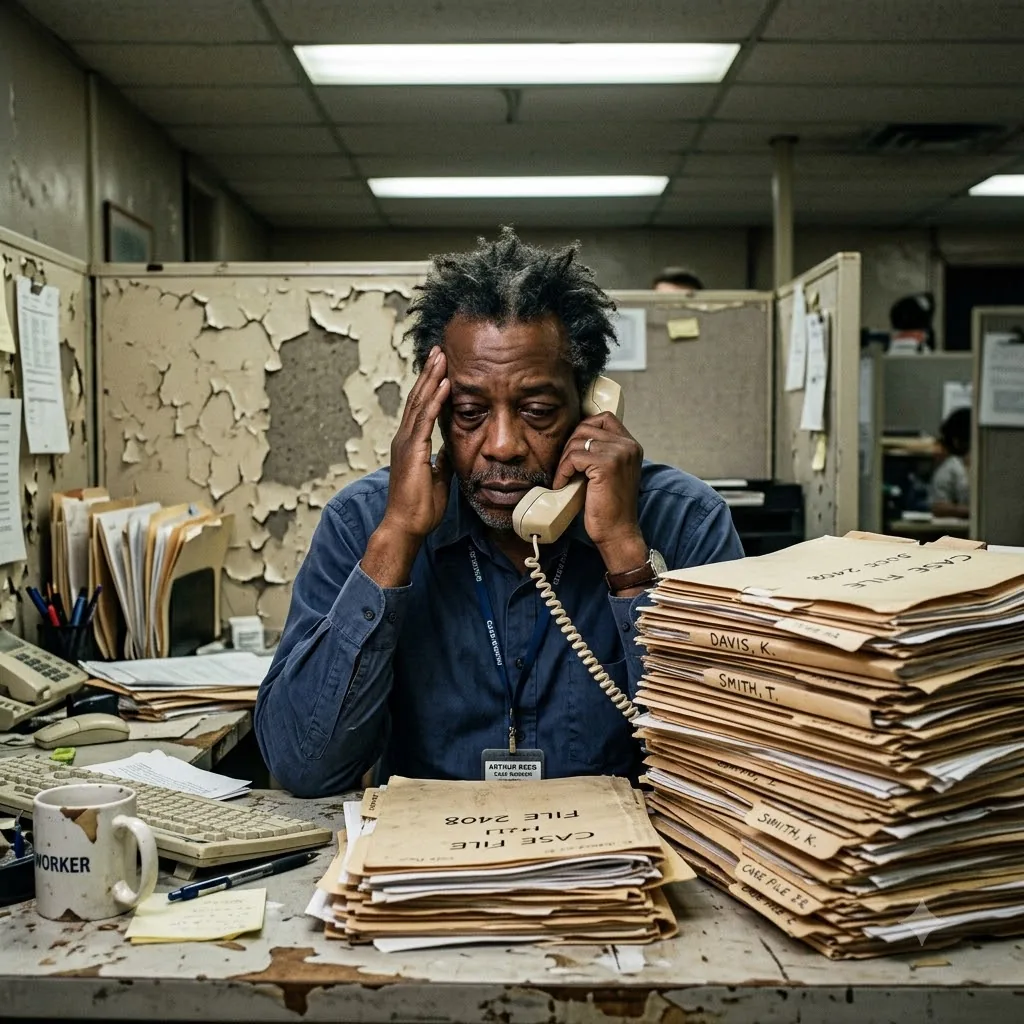
The smooth jazz of the automated hold system looped for the forty-seventh time, vibrating against my jaw where I pinned the phone to my shoulder. I sat in a plastic chair bolted to the floor of the county Child Protective Services annex, trying to scrub the smell of kerosene out of my knuckles with an alcohol wipe. We had just pulled three toddlers out of a stripped-down trailer on Route 9, and the chemical burn of the place was still trapped in the fabric of my uniform. My lower back locked up every time I shifted my weight. A decade of hauling kicking, terrified kids out of worst-case scenarios had ground away the cartilage in my vertebrae.
I stared at the peeling beige paint on the wall across from my desk. The poster hung crooked, a faded sunburst promising a bright future for our county youth, edges curled from the humidity of a busted HVAC system. My phone screen showed one hour and twelve minutes on the call timer.
I had earned this phone call. I kept a worn spreadsheet on my desktop, a grid of green checkmarks marching down the screen month by month, year by year. One hundred and twenty payments. Ten years of public service, ten years of state-mandated overtime, ten years of carrying the trauma of a crumbling zip code on a civil servant salary. The federal agreement was a straight line. Give a decade of your life to the jobs nobody else wants to do, make the income-based payments on time, and the remaining debt gets wiped clean. I had made payment number one hundred and twenty last Tuesday. Today was the day I filed the final certification.
The adrenaline from the morning raid was wearing off, leaving behind a cold, hollow ache in my joints. The tactical team had busted down the door of the trailer, but it was my job to carry the kids out. The oldest one had fought me, scratching at my forearms. The stinging cuts throbbed under my uniform sleeves. The automated hold voice interrupted the jazz, reminding me that representatives were experiencing higher than normal call volumes. I squeezed my eyes shut, focusing on the math. The forgiveness would free up six hundred dollars a month. That was the difference between keeping my house and moving into a smaller apartment. It was the difference between staying at this agency and finding a corporate security gig that did not smell like chemical fires and neglect.
My supervisor, Miller, walked past my desk and dropped a new file folder next to my elbow. The red tab on the side meant immediate intervention required. I tapped the folder twice to acknowledge it, but I did not let go of the phone. First, I needed this closure. I needed the anchor of that debt cut loose.
The line clicked. The jazz vanished. A sharp intake of breath crackled through the speaker, followed by the sound of heavy typing.
“Thank you for calling Federal Student Aid servicer,” a woman said. Her voice was flat, carrying the metallic echo of a massive call center. “My name is Brenda. I have your account pulled up here, Mr. Hayes.”
I sat up straighter, wincing as my back protested. I told her I was calling to process my final Public Service Loan Forgiveness certification. I stated that my employer had already submitted the verification forms and that my portal showed one hundred and twenty qualifying payments.
“Please hold while I review the submitted documentation,” Brenda said.
More typing echoed in my ear. The keystrokes were rhythmic and loud. I watched the second hand on the wall clock jerk forward. Miller paced back and forth near the breakroom, waiting for me to grab the red-tabbed file. I pointed at the phone, mouthing that it would just be one more minute. I had done everything exactly as instructed. I had consolidated, switched to the specific repayment tier, submitted the annual recertifications, and never missed a deadline. The finish line was right here.
“Alright,” Brenda said, her voice returning. “I see the employment certification from the county. I see the payment history.”
I let out a breath I had been holding for ten years. The tension in my shoulders began to melt. I reached for the red-tabbed folder, ready to open it and get back to work.
“I can confirm we have logged one hundred and twenty on-time payments,” Brenda continued.
I opened the file.
“However,” she said. The word dropped like a stone. The typing stopped.
My hand froze on the cover of the folder.
“Your account has been flagged under the recent system migration protocols,” Brenda read, her tone shifting into the unmistakable cadence of a corporate script. She was no longer a person looking at my file. She was an employee reciting a legal shield. “While your payment count is one hundred and twenty, an audit of your original promissory note from two thousand and ten indicates a discrepancy in the loan origin type.”
I gripped the phone tighter, pressing it hard against my ear. The kerosene smell seemed to fill the room again, suffocating and thick.
“According to our current guidelines, your specific disbursement tranche was packaged under the FFEL program before the direct conversion mandate,” Brenda stated. “Because you did not file a manual commercial-to-federal conversion waiver prior to the September deadline twelve years ago, those one hundred and twenty payments do not qualify for the forgiveness track.”
I stared at the peeling paint, a loud ringing starting in my ears over the sound of her automated cadence.
“Due to this status, your entire payment history has been reclassified,” Brenda read, her voice speeding up to hit the final mandatory disclosure line before I could process the destruction of my future. “Your principal balance of eighty-four thousand dollars remains active, and your account is now entering the administrative phase of immediate…”
The smooth jazz of the automated hold system looped for the forty-seventh time, vibrating against my jaw where I pinned the phone to my shoulder. I sat in a plastic chair bolted to the floor of the county Child Protective Services annex, trying to scrub the smell of kerosene out of my knuckles with an alcohol wipe. We had just pulled three toddlers out of a stripped-down trailer on Route 9, and the chemical burn of the place was still trapped in the fabric of my uniform. My lower back locked up every time I shifted my weight. A decade of hauling kicking, terrified kids out of worst-case scenarios had ground away the cartilage in my vertebrae.
I stared at the peeling beige paint on the wall across from my desk. The poster hung crooked, a faded sunburst promising a bright future for our county youth, edges curled from the humidity of a busted HVAC system. My phone screen showed one hour and twelve minutes on the call timer.
I had earned this phone call. I kept a worn spreadsheet on my desktop, a grid of green checkmarks marching down the screen month by month, year by year. One hundred and twenty payments. Ten years of public service, ten years of state-mandated overtime, ten years of carrying the trauma of a crumbling zip code on a civil servant salary. The federal agreement was a straight line. Give a decade of your life to the jobs nobody else wants to do, make the income-based payments on time, and the remaining debt gets wiped clean. I had made payment number one hundred and twenty last Tuesday. Today was the day I filed the final certification.
The adrenaline from the morning raid was wearing off, leaving behind a cold, hollow ache in my joints. The tactical team had busted down the door of the trailer, but it was my job to carry the kids out. The oldest one had fought me, scratching at my forearms. The stinging cuts throbbed under my uniform sleeves. The automated hold voice interrupted the jazz, reminding me that representatives were experiencing higher than normal call volumes. I squeezed my eyes shut, focusing on the math. The forgiveness would free up six hundred dollars a month. That was the difference between keeping my house and moving into a smaller apartment. It was the difference between staying at this agency and finding a corporate security gig that did not smell like chemical fires and neglect.
My supervisor, Miller, walked past my desk and dropped a new file folder next to my elbow. The red tab on the side meant immediate intervention required. I tapped the folder twice to acknowledge it, but I did not let go of the phone. First, I needed this closure. I needed the anchor of that debt cut loose.
The line clicked. The jazz vanished. A sharp intake of breath crackled through the speaker, followed by the sound of heavy typing.
“Thank you for calling Federal Student Aid servicer,” a woman said. Her voice was flat, carrying the metallic echo of a massive call center. “My name is Brenda. I have your account pulled up here, Mr. Hayes.”
I sat up straighter, wincing as my back protested. I told her I was calling to process my final Public Service Loan Forgiveness certification. I stated that my employer had already submitted the verification forms and that my portal showed one hundred and twenty qualifying payments.
“Please hold while I review the submitted documentation,” Brenda said.
More typing echoed in my ear. The keystrokes were rhythmic and loud. I watched the second hand on the wall clock jerk forward. Miller paced back and forth near the breakroom, waiting for me to grab the red-tabbed file. I pointed at the phone, mouthing that it would just be one more minute. I had done everything exactly as instructed. I had consolidated, switched to the specific repayment tier, submitted the annual recertifications, and never missed a deadline. The finish line was right here.
“Alright,” Brenda said, her voice returning. “I see the employment certification from the county. I see the payment history.”
I let out a breath I had been holding for ten years. The tension in my shoulders began to melt. I reached for the red-tabbed folder, ready to open it and get back to work.
“I can confirm we have logged one hundred and twenty on-time payments,” Brenda continued.
I opened the file.
“However,” she said. The word dropped like a stone. The typing stopped.
My hand froze on the cover of the folder.
“Your account has been flagged under the recent system migration protocols,” Brenda read, her tone shifting into the unmistakable cadence of a corporate script. She was no longer a person looking at my file. She was an employee reciting a legal shield. “While your payment count is one hundred and twenty, an audit of your original promissory note from two thousand and ten indicates a discrepancy in the loan origin type.”
I gripped the phone tighter, pressing it hard against my ear. The kerosene smell seemed to fill the room again, suffocating and thick.
“According to our current guidelines, your specific disbursement tranche was packaged under the FFEL program before the direct conversion mandate,” Brenda stated. “Because you did not file a manual commercial-to-federal conversion waiver prior to the September deadline twelve years ago, those one hundred and twenty payments do not qualify for the forgiveness track.”
I stared at the peeling paint, a loud ringing starting in my ears over the sound of her automated cadence.
“Due to this status, your entire payment history has been reclassified,” Brenda read, her voice speeding up to hit the final mandatory disclosure line before I could process the destruction of my future. “Your principal balance of eighty-four thousand dollars remains active, and your account is now entering the administrative phase of immediate…”