Story code: ST-000025
Part 1: The Slogan
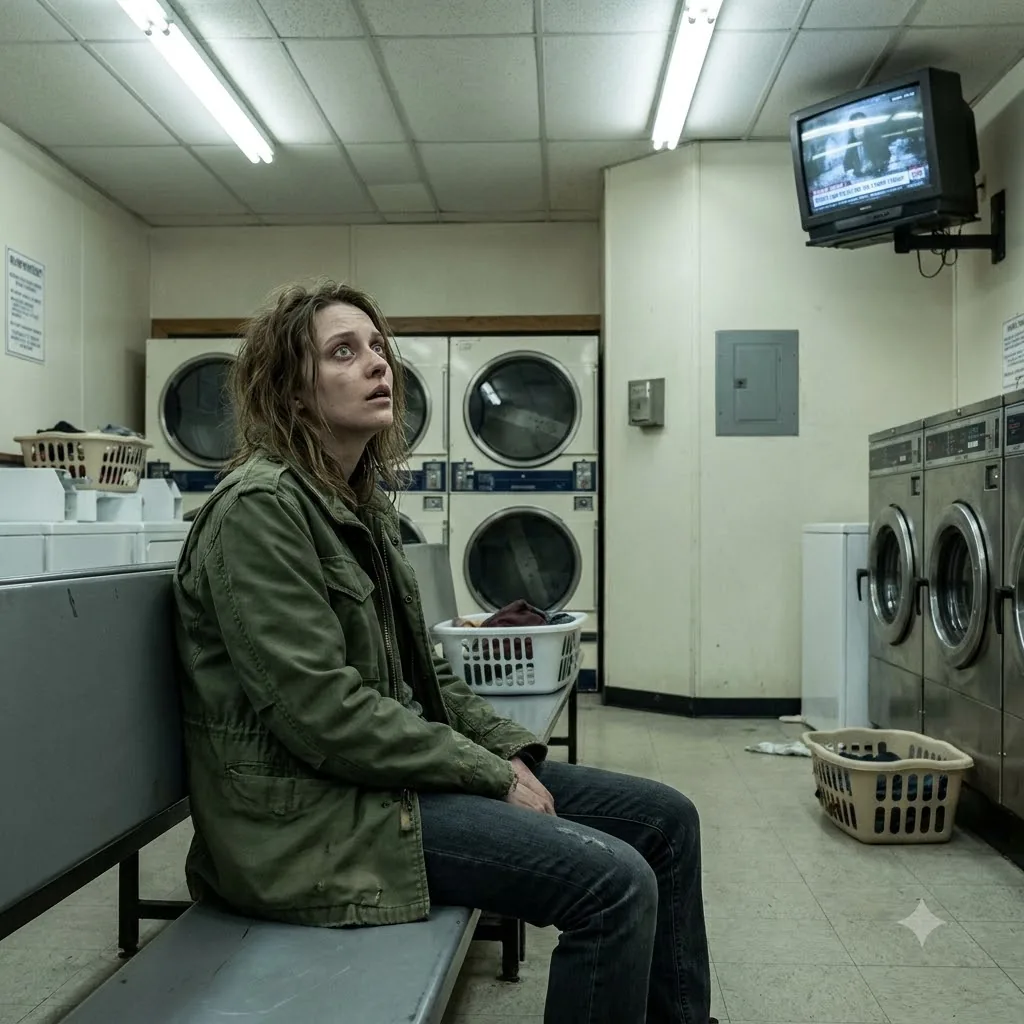
The fluorescent lights of the 24-hour Wash-O-Mat flickered with a rhythmic, headache-inducing buzz. Maya slouched in a molded plastic chair, her chin resting on her palm as she watched a single gray sock tumble through the industrial dryer. It was two in the morning, and the city outside the glass storefront had finally surrendered to silence, leaving her completely alone in the humid, detergent-scented air. Her canvas tote bag sat on the floor beside her heavy boots, spilling over with dog-eared tenant rights pamphlets and half-empty cans of protest spray paint. She pressed the heels of her hands against her burning eyes, fighting the heavy drag of activist burnout that had settled deep into her marrow over the last six months. She had spent the entire week shouting through megaphones outside corporate headquarters and sleeping on folding chairs in community centers. Now, even the simple act of washing her damp, smoke-scented clothes felt like dragging weights across the ocean floor.
A bulky television mounted in the corner cast a sickly bluish glow across the scuffed linoleum. It was muted, permanently tuned to a twenty-four-hour news network that cycled through an endless rotation of pharmaceutical advertisements and corporate propaganda. Maya stared at the screen with a blank, unblinking exhaustion. A sweeping aerial shot of a pristine rainforest faded into a slow-motion clip of smiling, perfectly diverse children planting saplings in a sun-drenched field. It was an advertisement for Praxis Global, a massive conglomerate she and her coalition had spent the better part of her adult life attempting to dismantle. A smooth, silver-haired actor in a tailored earth-toned suit strolled through a meadow, gesturing benevolently toward a sleek white wind turbine. The closed captions crawled across the bottom of the screen in blocky, capitalized text. Maya let out a dry, silent exhale. It was the same sanitized sustainability script they always deployed, carefully focus-grouped in sleek boardrooms to make consumers feel warm and entirely absolved of their guilt. The actor paused in front of a crystal-clear stream, looking directly into the camera with an expression of manufactured empathy. The background music undoubtedly swelled to an emotional crescendo.
The scrolling text on the screen vanished, replaced by a single, standalone sentence. Maya blinked, her posture instantly stiffening. She leaned forward, the plastic chair squeaking sharply against the floor. The new slogan hung on the screen in large, bold letters, lingering for emphasis. *The roots we sever in the dark will rot the soil of our tomorrow.* Maya stopped breathing. The blood rushed from her face, leaving her extremities cold and prickling with a sudden, localized panic. She stared at the words, reading them a second time, then a third, her lips moving soundlessly to trace the syllables. The advertisement cut to the gold-embossed Praxis Global corporate logo, but the phrase remained burned onto her retinas like an afterimage. A strange, metallic ringing filled her ears, entirely drowning out the low, rhythmic rumble of the spinning dryers. She knew that exact sentence. She did not know it from a rival campaign billboard, and she did not know it from a historical piece of literature. She knew the precise cadence, the jagged, vulnerable rhythm of the words, because she was the one who had written them.
Panic, sharp and disorienting, flared in her throat. She dropped to her knees on the sticky linoleum, her hands frantically tearing through her tote bag. Pamphlets fluttered to the floor, scattering across the dusty tiles alongside her keys and loose change. Her fingers finally brushed against the cold metal casing of her phone, and she yanked it from the depths of the bag. The screen illuminated her pale face in the dim laundromat. Her thumb trembled as she bypassed her lock screen and opened her messaging application. She did not search for a public forum, an organizer blog post, or an unreleased social media draft. She scrolled down, past her fellow activists and her landlord, digging into the archives of her digital life until she found the contact buried at the very bottom of her history.
The message thread was a digital graveyard of blue bubbles, a completely one-sided conversation stretching back over three long years. She scrolled upward to a message she had sent exactly two months ago, late at night, in a moment of overwhelming, isolated weakness. It was an emotional hemorrhage, a desperate attempt to bridge the vast canyon of their ongoing estrangement. She stared at the cracked screen, comparing the glowing text in her palm to the searing memory of the television commercial. There it was, buried right in the middle of a lengthy, agonizing paragraph directed at the man who had walked out on her life. *The roots we sever in the dark will rot the soil of our tomorrow.* It was an intimate, bleeding confession sent directly to her living, breathing father, an appeal to a man who had left her on read and refused to reply. Maya looked up from her phone to the television screen, where the Praxis Global logo was just fading to black. Her father held a senior director position in the Praxis Global marketing division. The heavy industrial dryer suddenly buzzed a harsh, deafening cycle-end alarm, startling her so violently that the phone slipped from her slick fingers and slammed onto the linoleum.
The fluorescent lights of the 24-hour Wash-O-Mat flickered with a rhythmic, headache-inducing buzz. Maya slouched in a molded plastic chair, her chin resting on her palm as she watched a single gray sock tumble through the industrial dryer. It was two in the morning, and the city outside the glass storefront had finally surrendered to silence, leaving her completely alone in the humid, detergent-scented air. Her canvas tote bag sat on the floor beside her heavy boots, spilling over with dog-eared tenant rights pamphlets and half-empty cans of protest spray paint. She pressed the heels of her hands against her burning eyes, fighting the heavy drag of activist burnout that had settled deep into her marrow over the last six months. She had spent the entire week shouting through megaphones outside corporate headquarters and sleeping on folding chairs in community centers. Now, even the simple act of washing her damp, smoke-scented clothes felt like dragging weights across the ocean floor.
A bulky television mounted in the corner cast a sickly bluish glow across the scuffed linoleum. It was muted, permanently tuned to a twenty-four-hour news network that cycled through an endless rotation of pharmaceutical advertisements and corporate propaganda. Maya stared at the screen with a blank, unblinking exhaustion. A sweeping aerial shot of a pristine rainforest faded into a slow-motion clip of smiling, perfectly diverse children planting saplings in a sun-drenched field. It was an advertisement for Praxis Global, a massive conglomerate she and her coalition had spent the better part of her adult life attempting to dismantle. A smooth, silver-haired actor in a tailored earth-toned suit strolled through a meadow, gesturing benevolently toward a sleek white wind turbine. The closed captions crawled across the bottom of the screen in blocky, capitalized text. Maya let out a dry, silent exhale. It was the same sanitized sustainability script they always deployed, carefully focus-grouped in sleek boardrooms to make consumers feel warm and entirely absolved of their guilt. The actor paused in front of a crystal-clear stream, looking directly into the camera with an expression of manufactured empathy. The background music undoubtedly swelled to an emotional crescendo.
The scrolling text on the screen vanished, replaced by a single, standalone sentence. Maya blinked, her posture instantly stiffening. She leaned forward, the plastic chair squeaking sharply against the floor. The new slogan hung on the screen in large, bold letters, lingering for emphasis. *The roots we sever in the dark will rot the soil of our tomorrow.* Maya stopped breathing. The blood rushed from her face, leaving her extremities cold and prickling with a sudden, localized panic. She stared at the words, reading them a second time, then a third, her lips moving soundlessly to trace the syllables. The advertisement cut to the gold-embossed Praxis Global corporate logo, but the phrase remained burned onto her retinas like an afterimage. A strange, metallic ringing filled her ears, entirely drowning out the low, rhythmic rumble of the spinning dryers. She knew that exact sentence. She did not know it from a rival campaign billboard, and she did not know it from a historical piece of literature. She knew the precise cadence, the jagged, vulnerable rhythm of the words, because she was the one who had written them.
Panic, sharp and disorienting, flared in her throat. She dropped to her knees on the sticky linoleum, her hands frantically tearing through her tote bag. Pamphlets fluttered to the floor, scattering across the dusty tiles alongside her keys and loose change. Her fingers finally brushed against the cold metal casing of her phone, and she yanked it from the depths of the bag. The screen illuminated her pale face in the dim laundromat. Her thumb trembled as she bypassed her lock screen and opened her messaging application. She did not search for a public forum, an organizer blog post, or an unreleased social media draft. She scrolled down, past her fellow activists and her landlord, digging into the archives of her digital life until she found the contact buried at the very bottom of her history.
The message thread was a digital graveyard of blue bubbles, a completely one-sided conversation stretching back over three long years. She scrolled upward to a message she had sent exactly two months ago, late at night, in a moment of overwhelming, isolated weakness. It was an emotional hemorrhage, a desperate attempt to bridge the vast canyon of their ongoing estrangement. She stared at the cracked screen, comparing the glowing text in her palm to the searing memory of the television commercial. There it was, buried right in the middle of a lengthy, agonizing paragraph directed at the man who had walked out on her life. *The roots we sever in the dark will rot the soil of our tomorrow.* It was an intimate, bleeding confession sent directly to her living, breathing father, an appeal to a man who had left her on read and refused to reply. Maya looked up from her phone to the television screen, where the Praxis Global logo was just fading to black. Her father held a senior director position in the Praxis Global marketing division. The heavy industrial dryer suddenly buzzed a harsh, deafening cycle-end alarm, startling her so violently that the phone slipped from her slick fingers and slammed onto the linoleum.