Story code: ST-000286
Part 1: The Friday Lockout
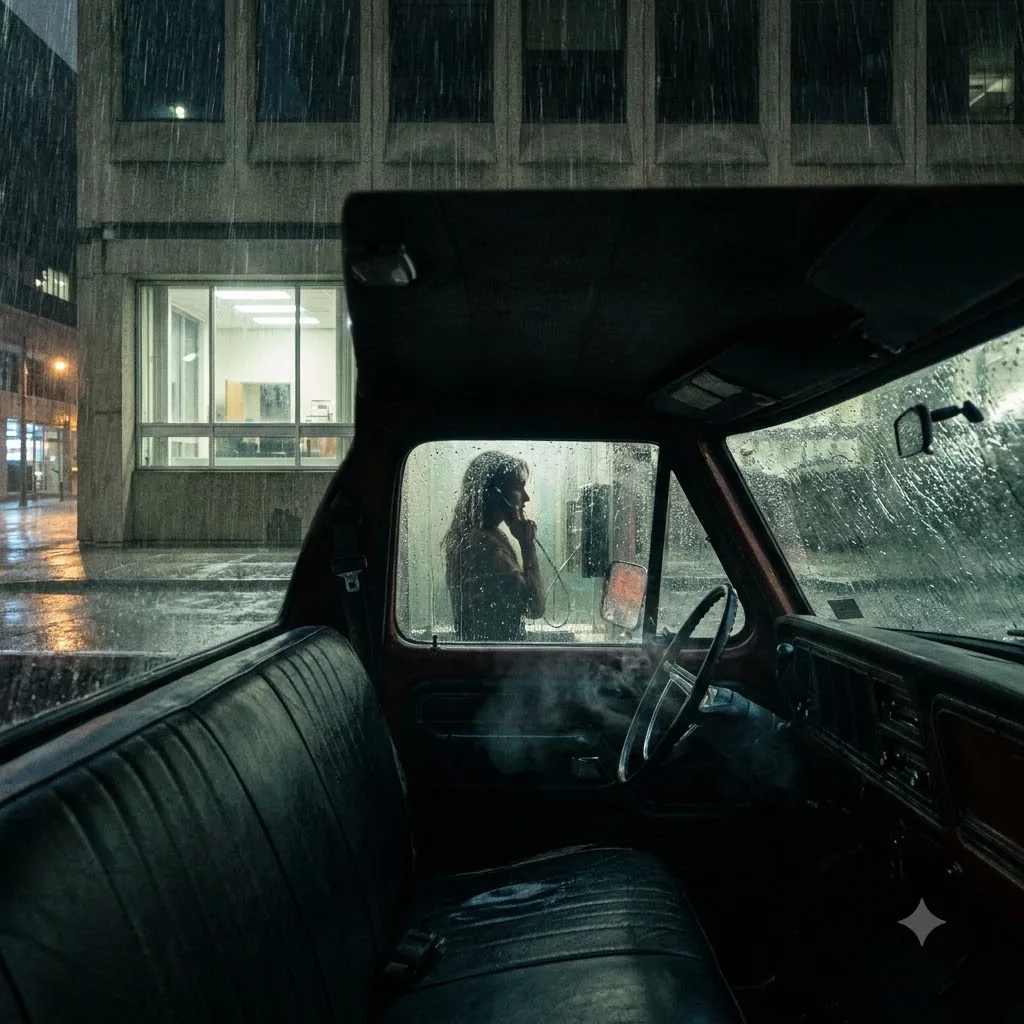
The driver-side door of the rusted F-150 stood pinned open against a torrential Florida downpour, but Elias could not force his shrapnel-damaged right leg to step down into the flooded asphalt. At 4:28 PM, he sat trapped on the soaked vinyl seat, rain lashing against his face while he stared at the glass double doors of the administrative building preparing to lock him out for the weekend. The water in the parking lot was rising fast, rushing over the concrete parking stops and swirling around his front tires. He gripped the steering wheel with white-knuckled intensity, commanding his thigh muscles to fire, begging the ruined nerves to let him stand. Nothing happened. The limb remained a dead, throbbing weight of scar tissue and embedded metal.
A violent gust of wind shook the truck chassis, driving sheets of water over the windshield. Elias ignored the cold soaking through his canvas jacket. His entire focus was locked on the ground-floor window directly across the disabled parking spaces. The blinds were pulled up just enough to reveal a brightly lit corner office.
Inside that room sat the origin point of a seven-year nightmare. Seven years of lost paperwork, system errors, generic denial letters, and unreturned voicemails. Every single rejection carried the same stamped signature of the regional case director. And now, the clock was running out entirely. The bank had given him until Monday morning to vacate. The bright orange foreclosure notice taped to his front door that morning was the final blow in a long, quiet collapse he had been hiding from his neighbors. His house was slipping away, his life dissolving into a mountain of past-due notices and an empty, suffocating silence awaiting him in his living room. He had driven three hours through a tropical depression to handle this in person, only for his own body to fail him twenty feet from the finish line.
The digital clock on his dashboard ticked to 4:29 PM.
Through the rain-streaked window of the ground floor, Elias watched a woman in a tan blazer stand up from behind her mahogany desk. She reached for a long yellow raincoat hanging on a brass rack near the door, slinging her purse over her shoulder. She was shutting down her computer monitor. In less than sixty seconds, she would walk out a side exit, get into her car, and drive away to enjoy a comfortable weekend while Elias lost everything he had fought to build since coming home from the desert.
He pulled a crumpled, coffee-stained sticky note from his shirt pocket. Written in blue ink was a private, unlisted direct extension, given to him in an act of pity by a lower-level clerk three weeks prior. He had never dialed it, fearing retaliation for circumventing the official automated labyrinth. Now, with the water rising around his boots and the heavy dread of Monday morning crushing his chest, protocol no longer mattered.
He punched the ten digits into his phone with a shaking thumb and pressed the green call button. He lifted the device to his ear, keeping his eyes firmly fixed on the lit window across the pavement.
One ring. Two rings.
Inside the office, the woman paused. She had the raincoat halfway up her arm. She turned her head toward the desk phone. Elias watched her hesitate, her posture stiffening in annoyance. It was thirty seconds to closing time. People like her did not answer the phone at thirty seconds to closing time. He gripped his phone tighter, silently willing her to pick up the receiver.
She sighed, an exaggerated motion visible even through the sheets of rain, and dropped her purse back onto the chair. She leaned over the desk and lifted the handset to her ear.
“Regional Director’s office, state your business,” a sharp, impatient voice crackled through Elias’s cell speaker.
The sound of her actual, living voice-after seven years of sterile rejection letters-sent a fresh wave of adrenaline through Elias’s exhausted body. He did not introduce himself. He did not recite his claim number, his veteran identification, or the endless list of medical codes he had memorized over the better part of a decade.
“Take three steps to your left and look out the window,” Elias said, his voice dropping to a low, gravelly command.
The line went dead quiet. He could hear the faint sound of her breathing over the speaker.
Through the glass, he watched her lower the phone slightly from her ear. She turned her head slowly, stepping out from behind the heavy mahogany desk. She approached the window, resting one hand against the glass, and peered out into the torrential storm.
Her gaze passed over the flooded lot, locking directly onto the rusted truck parked in the handicap space. Elias sat in the driver’s seat with the door wide open to the storm, the phone pressed to his ear, staring right back at her. The impatient annoyance on her face vanished in an instant, replaced by a sudden, stark realization of exactly who was sitting in the downpour.
She slowly raised the handset back to her mouth.
The driver-side door of the rusted F-150 stood pinned open against a torrential Florida downpour, but Elias could not force his shrapnel-damaged right leg to step down into the flooded asphalt. At 4:28 PM, he sat trapped on the soaked vinyl seat, rain lashing against his face while he stared at the glass double doors of the administrative building preparing to lock him out for the weekend. The water in the parking lot was rising fast, rushing over the concrete parking stops and swirling around his front tires. He gripped the steering wheel with white-knuckled intensity, commanding his thigh muscles to fire, begging the ruined nerves to let him stand. Nothing happened. The limb remained a dead, throbbing weight of scar tissue and embedded metal.
A violent gust of wind shook the truck chassis, driving sheets of water over the windshield. Elias ignored the cold soaking through his canvas jacket. His entire focus was locked on the ground-floor window directly across the disabled parking spaces. The blinds were pulled up just enough to reveal a brightly lit corner office.
Inside that room sat the origin point of a seven-year nightmare. Seven years of lost paperwork, system errors, generic denial letters, and unreturned voicemails. Every single rejection carried the same stamped signature of the regional case director. And now, the clock was running out entirely. The bank had given him until Monday morning to vacate. The bright orange foreclosure notice taped to his front door that morning was the final blow in a long, quiet collapse he had been hiding from his neighbors. His house was slipping away, his life dissolving into a mountain of past-due notices and an empty, suffocating silence awaiting him in his living room. He had driven three hours through a tropical depression to handle this in person, only for his own body to fail him twenty feet from the finish line.
The digital clock on his dashboard ticked to 4:29 PM.
Through the rain-streaked window of the ground floor, Elias watched a woman in a tan blazer stand up from behind her mahogany desk. She reached for a long yellow raincoat hanging on a brass rack near the door, slinging her purse over her shoulder. She was shutting down her computer monitor. In less than sixty seconds, she would walk out a side exit, get into her car, and drive away to enjoy a comfortable weekend while Elias lost everything he had fought to build since coming home from the desert.
He pulled a crumpled, coffee-stained sticky note from his shirt pocket. Written in blue ink was a private, unlisted direct extension, given to him in an act of pity by a lower-level clerk three weeks prior. He had never dialed it, fearing retaliation for circumventing the official automated labyrinth. Now, with the water rising around his boots and the heavy dread of Monday morning crushing his chest, protocol no longer mattered.
He punched the ten digits into his phone with a shaking thumb and pressed the green call button. He lifted the device to his ear, keeping his eyes firmly fixed on the lit window across the pavement.
One ring. Two rings.
Inside the office, the woman paused. She had the raincoat halfway up her arm. She turned her head toward the desk phone. Elias watched her hesitate, her posture stiffening in annoyance. It was thirty seconds to closing time. People like her did not answer the phone at thirty seconds to closing time. He gripped his phone tighter, silently willing her to pick up the receiver.
She sighed, an exaggerated motion visible even through the sheets of rain, and dropped her purse back onto the chair. She leaned over the desk and lifted the handset to her ear.
“Regional Director’s office, state your business,” a sharp, impatient voice crackled through Elias’s cell speaker.
The sound of her actual, living voice-after seven years of sterile rejection letters-sent a fresh wave of adrenaline through Elias’s exhausted body. He did not introduce himself. He did not recite his claim number, his veteran identification, or the endless list of medical codes he had memorized over the better part of a decade.
“Take three steps to your left and look out the window,” Elias said, his voice dropping to a low, gravelly command.
The line went dead quiet. He could hear the faint sound of her breathing over the speaker.
Through the glass, he watched her lower the phone slightly from her ear. She turned her head slowly, stepping out from behind the heavy mahogany desk. She approached the window, resting one hand against the glass, and peered out into the torrential storm.
Her gaze passed over the flooded lot, locking directly onto the rusted truck parked in the handicap space. Elias sat in the driver’s seat with the door wide open to the storm, the phone pressed to his ear, staring right back at her. The impatient annoyance on her face vanished in an instant, replaced by a sudden, stark realization of exactly who was sitting in the downpour.
She slowly raised the handset back to her mouth.