Story code: ST-001650
Part 1: The Weight of Forty Dollars
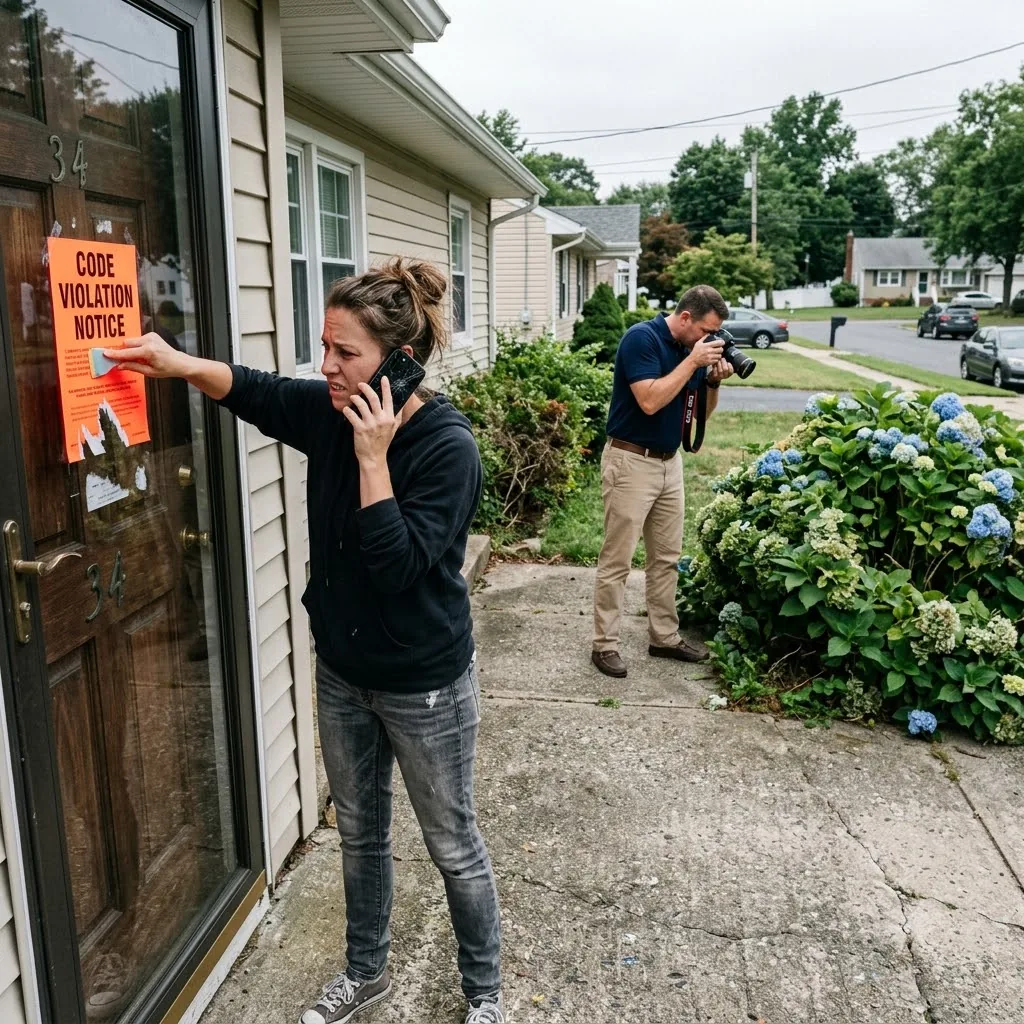
The neon orange adhesive of the HOA violation sticker clung to the freshly painted wood of Maya’s front door, resisting every frantic scrape of her fingernails. She dug her thumb under the stubborn corner, fighting to peel away the bright warning while keeping her cracked smartphone pinned awkwardly between her ear and her collarbone. The automated voice of the state correctional facility’s prepaid phone system chimed, warning her in a flat monotone that she had exactly two minutes of talk time remaining.
Static popped through the tiny speaker, followed immediately by a wet, rattling cough. Marcus sounded hollow. The connection was terrible, plagued by the constant hum of the prison yard, but Maya could hear the deep exhaustion vibrating in his chest. He described the meals at the minimum-security camp this week, his voice dropping to a harsh whisper so the guards would not overhear. The meat they served on the plastic trays was gray and smelled sharply of ammonia. Half his cell block was doubled over in pain, violently ill from the institutional food. He told her he had not eaten in two days. He needed forty dollars deposited onto his commissary account to buy packets of tuna and peanut butter crackers, just to keep his strength up until the kitchen fixed the contamination issue.
Maya stared at the flakes of bright orange paper wedged under her fingernails. Forty dollars was exactly what she had left in her checking account after covering the mortgage. If she sent it to the commissary vendor, the water bill would bounce. If the water bill bounced, the cascading late fees would trigger an overdraft she could never climb out of.
She opened her mouth to tell him she would send the funds immediately, willing to figure out the water bill later. The scrape of expensive leather shoes on her concrete walkway stopped her dead.
A long shadow stretched across her porch steps, blocking the late afternoon sun. Richard, the president of the Oakridge Homeowners Association, stood at the bottom of her stairs. He wore a crisp, pastel yellow polo shirt and aggressively ironed khakis. In his left hand, he carried a heavy, polished leather briefcase. In his right, he held a brushed aluminum clipboard.
His cold gaze drifted over the mangled orange sticker on her door, taking in her frantic attempt to remove it, before shifting to the edge of her driveway. Maya followed his eyes. Her green plastic garbage can sat at the end of the concrete, perhaps three inches past the invisible boundary separating her private property from the communal neighborhood sidewalk.
Maya pressed the phone closer to her mouth, turning her face away from Richard. She whispered a hurried promise to Marcus, assuring him she would handle the money tonight. She ended the call just as the automated voice returned to announce the final sixty seconds. She shoved the phone deep into the pocket of her work apron.
Richard did not offer a greeting. He simply tapped his heavy silver pen against the metal clip of his board. He noted the time on his gold wristwatch and drew a sharp, deliberate line on the top sheet of paper. He spoke in a calm, measured tone, citing section four, paragraph nine of the neighborhood covenants regarding the timely and appropriate retrieval of waste receptacles.
Maya stepped sideways in front of the door to block his view of the scraped sticker. She kept her voice steady, explaining that she had worked a brutal fourteen-hour double shift at the diner and had just parked her car three minutes ago. She stated clearly that she was about to move the bin into the garage right now.
Richard offered a tight, practiced smile that did not reach his eyes. He explained that exceptions led directly to neighborhood decay, and Oakridge did not tolerate decay. He unclipped a thick, cream-colored envelope from his board and held it out to her. When she did not immediately take it, he stepped up to the porch and tucked it neatly behind her brass porch light fixture.
He informed her that this was her third strike for exterior negligence. The first had been a garden hose left uncoiled on the side of her house. The second was a patch of weeds in her flowerbed exceeding two inches in height. This third violation triggered an immediate five-hundred-dollar penalty lien against her deed. He stated the fine was payable within fourteen days, or the association would engage their legal counsel to begin foreclosure proceedings.
Maya felt the blood drain completely from her face. She looked at the offending green plastic bin, then back at the thick envelope glowing ominously in the porch light. Five hundred dollars was impossible. She did not even have the forty dollars required to keep her husband from starving in a concrete cell.
She told Richard he could not take her home over a garbage can. She kept her voice low, fighting the urge to scream, telling him her husband was away and she was managing on a single income.
Richard adjusted his grip on the handle of his heavy leather briefcase. He looked at her work apron, his eyes lingering on the faded grease stains. His expression hardened into a look of absolute disgust. He told her that her financial mismanagement was not the burden of the homeowners association. He suggested in a cold, flat voice that if she could not afford the basic standards of Oakridge, she should seriously consider selling her home to someone who could.
He turned his back to her and descended the wooden stairs. His leather shoes clicked in a steady, unbothered rhythm against the concrete walkway. Maya stood entirely frozen on the porch, her hand trembling violently inside her apron pocket where her dead phone sat. She looked from the scraped orange eviction warning on her front door to the five-hundred-dollar lien notice trapped behind the light fixture, suffocating in the quiet suburban air as Richard climbed into his pristine luxury sedan and drove away.
The neon orange adhesive of the HOA violation sticker clung to the freshly painted wood of Maya’s front door, resisting every frantic scrape of her fingernails. She dug her thumb under the stubborn corner, fighting to peel away the bright warning while keeping her cracked smartphone pinned awkwardly between her ear and her collarbone. The automated voice of the state correctional facility’s prepaid phone system chimed, warning her in a flat monotone that she had exactly two minutes of talk time remaining.
Static popped through the tiny speaker, followed immediately by a wet, rattling cough. Marcus sounded hollow. The connection was terrible, plagued by the constant hum of the prison yard, but Maya could hear the deep exhaustion vibrating in his chest. He described the meals at the minimum-security camp this week, his voice dropping to a harsh whisper so the guards would not overhear. The meat they served on the plastic trays was gray and smelled sharply of ammonia. Half his cell block was doubled over in pain, violently ill from the institutional food. He told her he had not eaten in two days. He needed forty dollars deposited onto his commissary account to buy packets of tuna and peanut butter crackers, just to keep his strength up until the kitchen fixed the contamination issue.
Maya stared at the flakes of bright orange paper wedged under her fingernails. Forty dollars was exactly what she had left in her checking account after covering the mortgage. If she sent it to the commissary vendor, the water bill would bounce. If the water bill bounced, the cascading late fees would trigger an overdraft she could never climb out of.
She opened her mouth to tell him she would send the funds immediately, willing to figure out the water bill later. The scrape of expensive leather shoes on her concrete walkway stopped her dead.
A long shadow stretched across her porch steps, blocking the late afternoon sun. Richard, the president of the Oakridge Homeowners Association, stood at the bottom of her stairs. He wore a crisp, pastel yellow polo shirt and aggressively ironed khakis. In his left hand, he carried a heavy, polished leather briefcase. In his right, he held a brushed aluminum clipboard.
His cold gaze drifted over the mangled orange sticker on her door, taking in her frantic attempt to remove it, before shifting to the edge of her driveway. Maya followed his eyes. Her green plastic garbage can sat at the end of the concrete, perhaps three inches past the invisible boundary separating her private property from the communal neighborhood sidewalk.
Maya pressed the phone closer to her mouth, turning her face away from Richard. She whispered a hurried promise to Marcus, assuring him she would handle the money tonight. She ended the call just as the automated voice returned to announce the final sixty seconds. She shoved the phone deep into the pocket of her work apron.
Richard did not offer a greeting. He simply tapped his heavy silver pen against the metal clip of his board. He noted the time on his gold wristwatch and drew a sharp, deliberate line on the top sheet of paper. He spoke in a calm, measured tone, citing section four, paragraph nine of the neighborhood covenants regarding the timely and appropriate retrieval of waste receptacles.
Maya stepped sideways in front of the door to block his view of the scraped sticker. She kept her voice steady, explaining that she had worked a brutal fourteen-hour double shift at the diner and had just parked her car three minutes ago. She stated clearly that she was about to move the bin into the garage right now.
Richard offered a tight, practiced smile that did not reach his eyes. He explained that exceptions led directly to neighborhood decay, and Oakridge did not tolerate decay. He unclipped a thick, cream-colored envelope from his board and held it out to her. When she did not immediately take it, he stepped up to the porch and tucked it neatly behind her brass porch light fixture.
He informed her that this was her third strike for exterior negligence. The first had been a garden hose left uncoiled on the side of her house. The second was a patch of weeds in her flowerbed exceeding two inches in height. This third violation triggered an immediate five-hundred-dollar penalty lien against her deed. He stated the fine was payable within fourteen days, or the association would engage their legal counsel to begin foreclosure proceedings.
Maya felt the blood drain completely from her face. She looked at the offending green plastic bin, then back at the thick envelope glowing ominously in the porch light. Five hundred dollars was impossible. She did not even have the forty dollars required to keep her husband from starving in a concrete cell.
She told Richard he could not take her home over a garbage can. She kept her voice low, fighting the urge to scream, telling him her husband was away and she was managing on a single income.
Richard adjusted his grip on the handle of his heavy leather briefcase. He looked at her work apron, his eyes lingering on the faded grease stains. His expression hardened into a look of absolute disgust. He told her that her financial mismanagement was not the burden of the homeowners association. He suggested in a cold, flat voice that if she could not afford the basic standards of Oakridge, she should seriously consider selling her home to someone who could.
He turned his back to her and descended the wooden stairs. His leather shoes clicked in a steady, unbothered rhythm against the concrete walkway. Maya stood entirely frozen on the porch, her hand trembling violently inside her apron pocket where her dead phone sat. She looked from the scraped orange eviction warning on her front door to the five-hundred-dollar lien notice trapped behind the light fixture, suffocating in the quiet suburban air as Richard climbed into his pristine luxury sedan and drove away.