Story code: ST-001506
Part 1: The Ghost in the Ledger
The fluorescent hum of the collections floor buzzed in Marcus’s headset as he stared down the red deficit glaring from his secondary monitor. Forty thousand dollars, unpaid, for an emergency surgery coded three years prior. The file belonged to an Elias Vance. For six months, Elias had dodged calls, ignored certified letters, and remained a phantom in the system, leaving Marcus to hunt through the digital breadcrumbs of a skipped life.
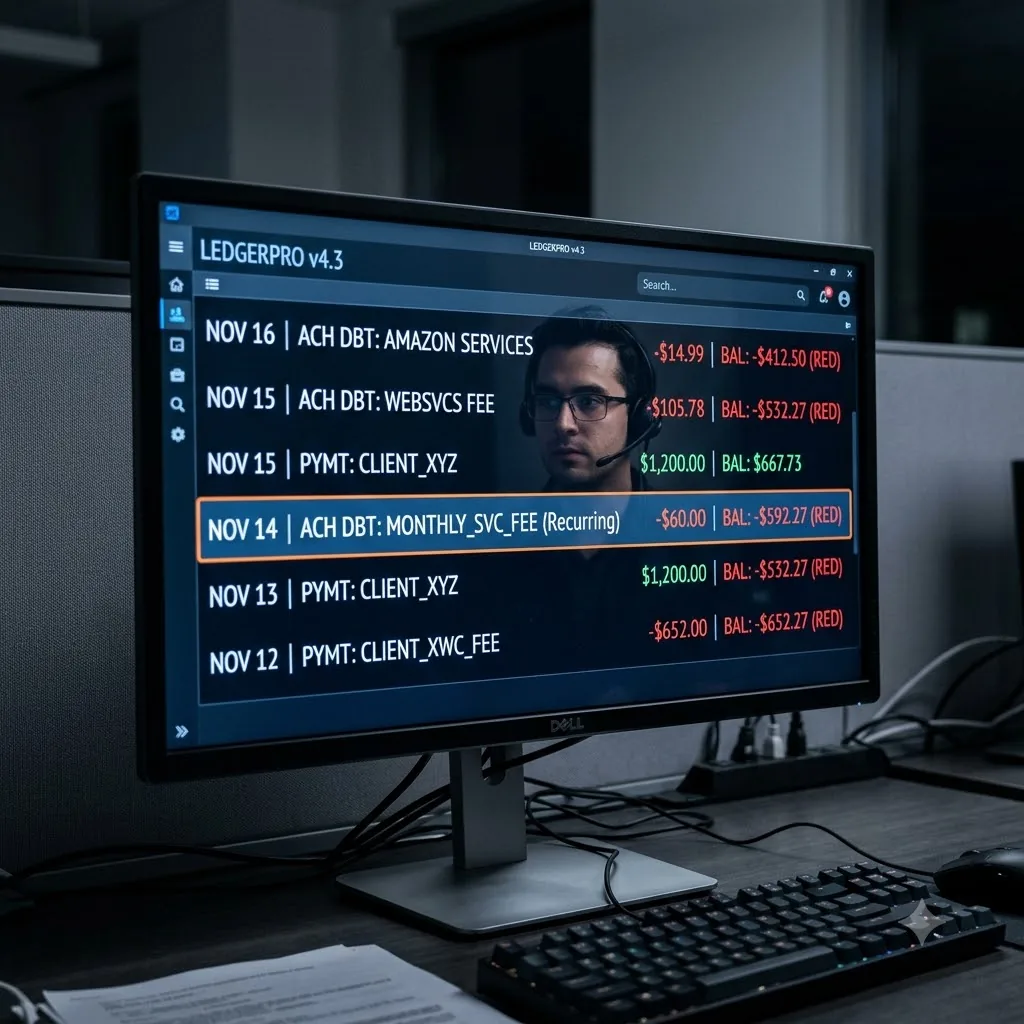
Marcus leaned closer to the screen, his mouse wheel clicking in the muted cubicle farm. He bypassed the standard dead ends. No property in Elias’s name. No vehicles manufactured after the turn of the century. The primary checking account, secured through a standard asset sweep, showed a balance hovering near zero, drained by utility payments and nominal grocery charges. But a financial ghost always left footprints. Marcus narrowed his eyes at the transaction ledger, filtering out the outgoing expenses to isolate the inbound cash flow.
There it was. A rhythmic pulse in the otherwise flatlining account.
Sixty dollars, deposited in cash.
Marcus scrolled back exactly fourteen days. Another sixty dollars. He dragged the scroll bar higher, moving back through the months. Every other Thursday, a crisp sixty-dollar credit appeared on the ledger. It lacked the routing prefix of a corporate payroll system or state assistance program. It was a raw, manual cash deposit at an ATM on the city’s south side.
He tapped his pen against the laminated desk. Sixty dollars every two weeks equated to a hundred and twenty a month. It was a pathetic sum against a forty-grand medical debt, but in the unyielding logic of corporate collections, any recurring income stream was a vulnerability to be exploited. People hiding money usually slipped up through consistency. Marcus assumed Elias was working off the books. Mowing lawns, scraping scrap metal, or doing under-the-table handyman work. Whatever the hustle, Elias was funneling a piece of it into this account to keep it alive.
A green light blinked on Marcus’s console, signaling his adherence metrics were dropping. He needed to close the file or take action. The collections algorithm did not care about the origin of the funds, only the legal right to seize them. Marcus highlighted the account and initiated the preliminary keystrokes for an administrative freeze.
By levying the account, he would choke off the cash flow. The bank would lock down the balance, intercepting the next sixty-dollar drop before Elias could touch it. It was a standard pressure tactic. Once a debtor found their debit card declined at a gas station or a grocery checkout, the silence usually ended. They always called.
Marcus typed the justification code into the internal legal portal. The surgery bill was fully documented, the default judgment secured months ago. He attached the routing numbers and clicked the authorization box. The system lagged for a fraction of a second before generating a ten-digit levy confirmation number.
The trap was set. The next deposit would hit a brick wall.
Marcus stretched his neck, feeling a dull ache between his shoulder blades. He closed the Vance file and moved to pull the next delinquent account from the queue. The rest of the afternoon bled into a monotonous blur of voicemails, disconnected tones, and hostile hang-ups. He forgot about the sixty-dollar deposits, burying Elias Vance under a dozen other financial casualties.
Two days passed in the windowless void of the call center. On Thursday morning, Marcus logged into his terminal and arranged his headset. His screen populated with the overnight action reports. A blue notification banner flagged the Vance file. The administrative freeze had executed perfectly at midnight, locking down twenty-two dollars and fourteen cents.
Marcus took a sip of his lukewarm coffee and waited for the inevitable retaliation. If the pattern held, Elias was scheduled to make his bi-weekly deposit today.
At precisely ten-fourteen, Marcus’s direct line chimed. The caller ID flashed a blocked number. The system automatically cross-referenced the incoming signal, overriding the block to display the name Elias Vance. The pressure tactic had worked. The ghost was being forced into the light.
Marcus straightened his posture and tapped the flashing icon to accept the call. He prepared his standard script, a practiced combination of professional empathy and unyielding demand. He intended to control the flow of the conversation from the first syllable.
He opened his mouth to state his name and corporate affiliation.
A harsh, wet cough echoed through the headset, followed by the sound of someone struggling to draw a full breath. The labored wheezing filled Marcus’s ear, raw and desperate, completely shattering the clinical detachment of the digital ledger.
“You took it,” a man whispered, the voice trembling with a terrifying fragility. “You took the sixty.”
Marcus hovered his finger over the mute button, the script dying in his throat as a heavy, metallic crash resonated through the line.
The fluorescent hum of the collections floor buzzed in Marcus’s headset as he stared down the red deficit glaring from his secondary monitor. Forty thousand dollars, unpaid, for an emergency surgery coded three years prior. The file belonged to an Elias Vance. For six months, Elias had dodged calls, ignored certified letters, and remained a phantom in the system, leaving Marcus to hunt through the digital breadcrumbs of a skipped life.
Marcus leaned closer to the screen, his mouse wheel clicking in the muted cubicle farm. He bypassed the standard dead ends. No property in Elias’s name. No vehicles manufactured after the turn of the century. The primary checking account, secured through a standard asset sweep, showed a balance hovering near zero, drained by utility payments and nominal grocery charges. But a financial ghost always left footprints. Marcus narrowed his eyes at the transaction ledger, filtering out the outgoing expenses to isolate the inbound cash flow.
There it was. A rhythmic pulse in the otherwise flatlining account.
Sixty dollars, deposited in cash.
Marcus scrolled back exactly fourteen days. Another sixty dollars. He dragged the scroll bar higher, moving back through the months. Every other Thursday, a crisp sixty-dollar credit appeared on the ledger. It lacked the routing prefix of a corporate payroll system or state assistance program. It was a raw, manual cash deposit at an ATM on the city’s south side.
He tapped his pen against the laminated desk. Sixty dollars every two weeks equated to a hundred and twenty a month. It was a pathetic sum against a forty-grand medical debt, but in the unyielding logic of corporate collections, any recurring income stream was a vulnerability to be exploited. People hiding money usually slipped up through consistency. Marcus assumed Elias was working off the books. Mowing lawns, scraping scrap metal, or doing under-the-table handyman work. Whatever the hustle, Elias was funneling a piece of it into this account to keep it alive.
A green light blinked on Marcus’s console, signaling his adherence metrics were dropping. He needed to close the file or take action. The collections algorithm did not care about the origin of the funds, only the legal right to seize them. Marcus highlighted the account and initiated the preliminary keystrokes for an administrative freeze.
By levying the account, he would choke off the cash flow. The bank would lock down the balance, intercepting the next sixty-dollar drop before Elias could touch it. It was a standard pressure tactic. Once a debtor found their debit card declined at a gas station or a grocery checkout, the silence usually ended. They always called.
Marcus typed the justification code into the internal legal portal. The surgery bill was fully documented, the default judgment secured months ago. He attached the routing numbers and clicked the authorization box. The system lagged for a fraction of a second before generating a ten-digit levy confirmation number.
The trap was set. The next deposit would hit a brick wall.
Marcus stretched his neck, feeling a dull ache between his shoulder blades. He closed the Vance file and moved to pull the next delinquent account from the queue. The rest of the afternoon bled into a monotonous blur of voicemails, disconnected tones, and hostile hang-ups. He forgot about the sixty-dollar deposits, burying Elias Vance under a dozen other financial casualties.
Two days passed in the windowless void of the call center. On Thursday morning, Marcus logged into his terminal and arranged his headset. His screen populated with the overnight action reports. A blue notification banner flagged the Vance file. The administrative freeze had executed perfectly at midnight, locking down twenty-two dollars and fourteen cents.
Marcus took a sip of his lukewarm coffee and waited for the inevitable retaliation. If the pattern held, Elias was scheduled to make his bi-weekly deposit today.
At precisely ten-fourteen, Marcus’s direct line chimed. The caller ID flashed a blocked number. The system automatically cross-referenced the incoming signal, overriding the block to display the name Elias Vance. The pressure tactic had worked. The ghost was being forced into the light.
Marcus straightened his posture and tapped the flashing icon to accept the call. He prepared his standard script, a practiced combination of professional empathy and unyielding demand. He intended to control the flow of the conversation from the first syllable.
He opened his mouth to state his name and corporate affiliation.
A harsh, wet cough echoed through the headset, followed by the sound of someone struggling to draw a full breath. The labored wheezing filled Marcus’s ear, raw and desperate, completely shattering the clinical detachment of the digital ledger.
“You took it,” a man whispered, the voice trembling with a terrifying fragility. “You took the sixty.”
Marcus hovered his finger over the mute button, the script dying in his throat as a heavy, metallic crash resonated through the line.