Story code: ST-000003
Part 1: System Override
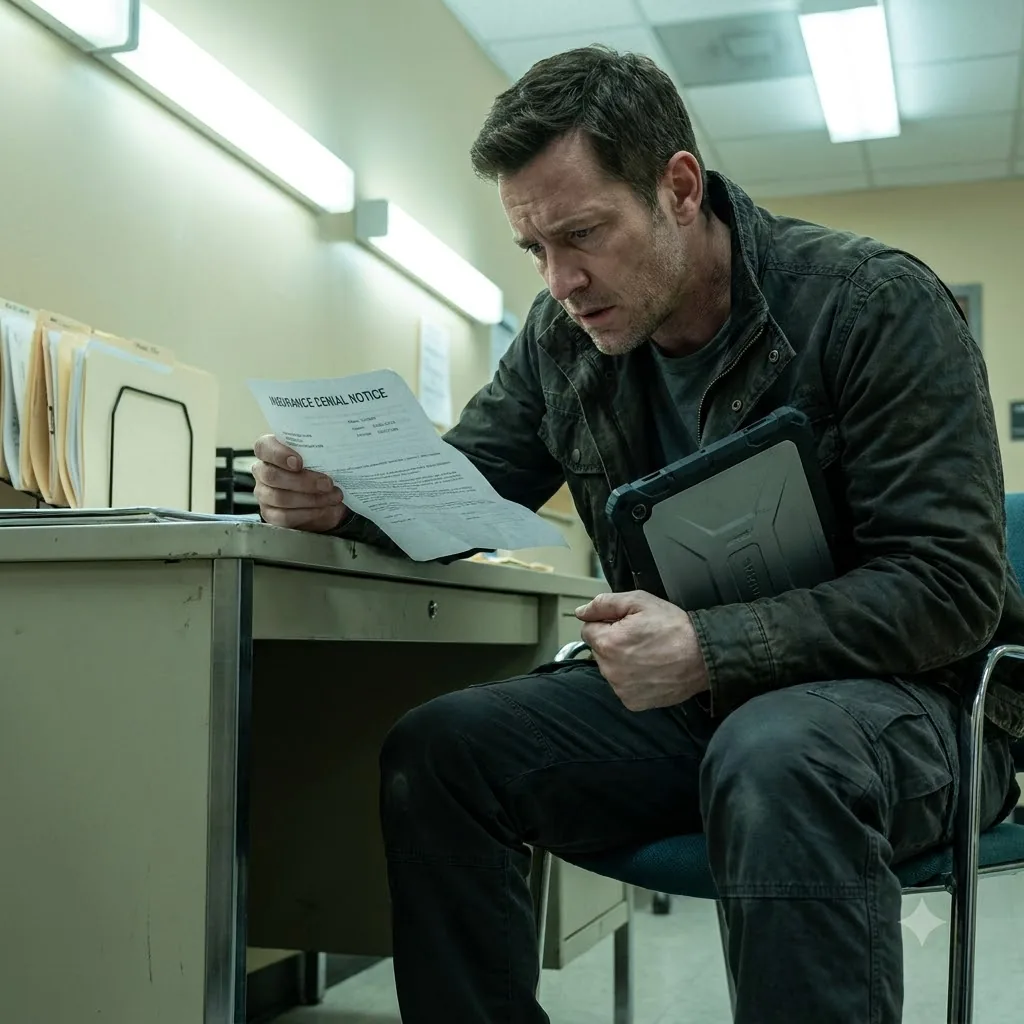
The Memorial Hospital billing department felt like a vacuum pressing against my eardrums as the administrator slid a single sheet of paper across her desk. I stared at the bold red text at the top of the denial letter, my eyes snagging on the final balance for Elena’s next round of infusions: an eighty-four thousand dollar charge resulting from terminated coverage. I pressed my hands flat against the cold laminate, explaining there had to be a coding error, that my wife was upstairs right now waiting for the IV drip that kept her lungs functioning.
The administrator refused to meet my gaze, perfectly aligning a stack of manila folders near her keyboard instead. She murmured a rehearsed apology about out-of-network limits. I picked up the heavy document and stepped back into the sterile hallway.
My phone vibrated against my thigh. I pulled it from my pocket, expecting Elena’s nurse asking for the authorization code. Instead, the screen lit up with a text message from Principal Davis at Oak Creek High. The words were an immediate gut punch.
Vance, the board just voted to reallocate the emergency preparedness funds. We have to cancel your tactical training contract for next month. Sorry man.
The air left my lungs in a single rush. That security contract was exactly eighty-four thousand dollars, split into two payments. It was the exact amount I needed to march back into that billing office and force them to start Elena’s medication. I had spent three weeks doing preliminary network integration for Oak Creek, wiring my firm’s proprietary threat-alert software into their PA system to run lockdown drills and psychological stress tests. Now, the board was pulling the plug to save money.
I stood frozen in the corridor, nurses in blue scrubs bustling past me like water flowing around a stone. If I went upstairs to the fourth floor, I would have to look into my wife’s pale, trusting face and tell her I had failed. I would have to tell her we were out of time and out of options.
I turned and pushed through the heavy fire doors into the emergency stairwell. The concrete walls echoed with the low, industrial hum of the ventilation shafts. I dropped my canvas bag onto the landing and unzipped the main compartment to pull out my hardened tactical tablet. The screen booted up, displaying the master control dashboard for my firm’s active contracts. Oak Creek High was still listed in green. My administrative override credentials were still active, as the school IT department usually took a full forty-eight hours to revoke vendor access after a cancellation.
I sat on the cold concrete step and stared at the layout of the high school campus on my screen. They thought they did not need me. They thought their hallways were secure, that their students were safe, and that emergency preparedness was a line item they could afford to slash.
I needed to prove them wrong right now. I needed them begging me to come back and sign that contract by the end of the day.
My thumb hovered over the touch screen. Pushing the button would trigger a full-scale panic. It would subject two thousand teenagers and a hundred teachers to the most terrifying moments of their lives. It was a brutal, unforgivable manipulation. Then I looked down at the crumpled medical denial letter resting on my knee.
I tapped the red icon labeled System Override.
A black dialogue box popped up on the screen, requiring me to confirm the initiation of a Level Three Campus Lockdown. I hit confirm.
Instantly, the tablet screen shifted, pulling up the live security camera feeds from Oak Creek’s internal network. I sat in the silent hospital stairwell and watched the chaos unfold miles away. In the cafeteria feed, the strobe lights began flashing violently against the walls. The automated PA system I had installed would be blaring a deafening siren, accompanied by a prerecorded, mechanized voice warning of an unverified, active threat inside the building.
Hundreds of students froze in the lunchroom, their faces turning toward the ceiling speakers in sheer terror. Then the scramble began. Teenagers dove under the flimsy cafeteria tables, knocking over chairs and dropping lunch trays in a frantic bid for cover. In the hallway feeds, I watched teachers sprinting out of their classrooms, grabbing students by the collars and yanking them inside before slamming the heavy doors. The silent video captured the visceral panic of a school convinced it was under attack.
I zoomed in on a camera in the science wing. A young girl huddled in a corner, her knees pulled to her chest, her face buried in her hands as she shook. I was doing this to her. I was orchestrating this nightmare from a hospital stairwell to force a financial transaction.
My cell phone began to vibrate on the concrete next to my boot. The screen flashed with an incoming call from Principal Davis. I watched the name pulse on the glass, knowing the man on the other end of the line was currently hiding under his desk, desperate for the tactical expert he had just fired to tell him what to do. I reached down and swiped the screen to answer.
The Memorial Hospital billing department felt like a vacuum pressing against my eardrums as the administrator slid a single sheet of paper across her desk. I stared at the bold red text at the top of the denial letter, my eyes snagging on the final balance for Elena’s next round of infusions: an eighty-four thousand dollar charge resulting from terminated coverage. I pressed my hands flat against the cold laminate, explaining there had to be a coding error, that my wife was upstairs right now waiting for the IV drip that kept her lungs functioning.
The administrator refused to meet my gaze, perfectly aligning a stack of manila folders near her keyboard instead. She murmured a rehearsed apology about out-of-network limits. I picked up the heavy document and stepped back into the sterile hallway.
My phone vibrated against my thigh. I pulled it from my pocket, expecting Elena’s nurse asking for the authorization code. Instead, the screen lit up with a text message from Principal Davis at Oak Creek High. The words were an immediate gut punch.
Vance, the board just voted to reallocate the emergency preparedness funds. We have to cancel your tactical training contract for next month. Sorry man.
The air left my lungs in a single rush. That security contract was exactly eighty-four thousand dollars, split into two payments. It was the exact amount I needed to march back into that billing office and force them to start Elena’s medication. I had spent three weeks doing preliminary network integration for Oak Creek, wiring my firm’s proprietary threat-alert software into their PA system to run lockdown drills and psychological stress tests. Now, the board was pulling the plug to save money.
I stood frozen in the corridor, nurses in blue scrubs bustling past me like water flowing around a stone. If I went upstairs to the fourth floor, I would have to look into my wife’s pale, trusting face and tell her I had failed. I would have to tell her we were out of time and out of options.
I turned and pushed through the heavy fire doors into the emergency stairwell. The concrete walls echoed with the low, industrial hum of the ventilation shafts. I dropped my canvas bag onto the landing and unzipped the main compartment to pull out my hardened tactical tablet. The screen booted up, displaying the master control dashboard for my firm’s active contracts. Oak Creek High was still listed in green. My administrative override credentials were still active, as the school IT department usually took a full forty-eight hours to revoke vendor access after a cancellation.
I sat on the cold concrete step and stared at the layout of the high school campus on my screen. They thought they did not need me. They thought their hallways were secure, that their students were safe, and that emergency preparedness was a line item they could afford to slash.
I needed to prove them wrong right now. I needed them begging me to come back and sign that contract by the end of the day.
My thumb hovered over the touch screen. Pushing the button would trigger a full-scale panic. It would subject two thousand teenagers and a hundred teachers to the most terrifying moments of their lives. It was a brutal, unforgivable manipulation. Then I looked down at the crumpled medical denial letter resting on my knee.
I tapped the red icon labeled System Override.
A black dialogue box popped up on the screen, requiring me to confirm the initiation of a Level Three Campus Lockdown. I hit confirm.
Instantly, the tablet screen shifted, pulling up the live security camera feeds from Oak Creek’s internal network. I sat in the silent hospital stairwell and watched the chaos unfold miles away. In the cafeteria feed, the strobe lights began flashing violently against the walls. The automated PA system I had installed would be blaring a deafening siren, accompanied by a prerecorded, mechanized voice warning of an unverified, active threat inside the building.
Hundreds of students froze in the lunchroom, their faces turning toward the ceiling speakers in sheer terror. Then the scramble began. Teenagers dove under the flimsy cafeteria tables, knocking over chairs and dropping lunch trays in a frantic bid for cover. In the hallway feeds, I watched teachers sprinting out of their classrooms, grabbing students by the collars and yanking them inside before slamming the heavy doors. The silent video captured the visceral panic of a school convinced it was under attack.
I zoomed in on a camera in the science wing. A young girl huddled in a corner, her knees pulled to her chest, her face buried in her hands as she shook. I was doing this to her. I was orchestrating this nightmare from a hospital stairwell to force a financial transaction.
My cell phone began to vibrate on the concrete next to my boot. The screen flashed with an incoming call from Principal Davis. I watched the name pulse on the glass, knowing the man on the other end of the line was currently hiding under his desk, desperate for the tactical expert he had just fired to tell him what to do. I reached down and swiped the screen to answer.