Story code: ST-000130
Part 1: The Turnstile
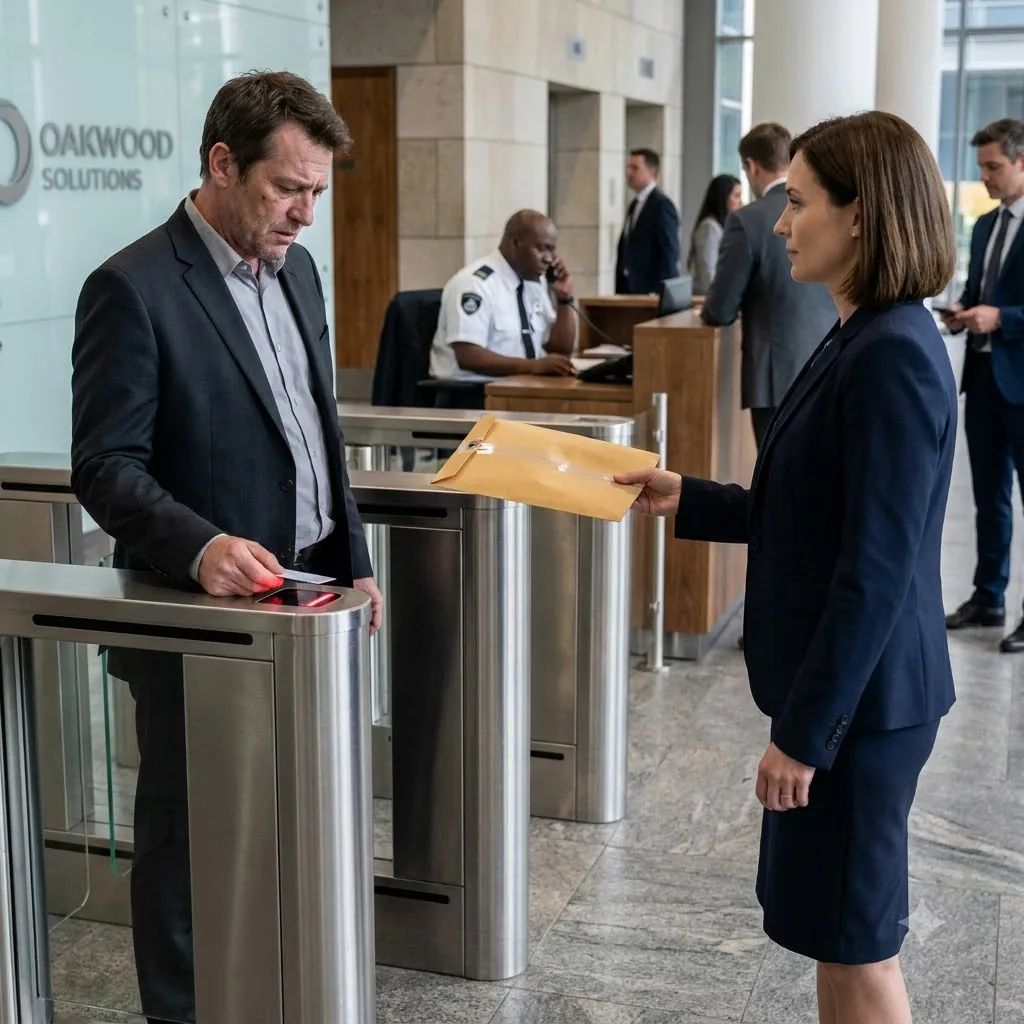
Marcus slapped his badge against the optical scanner at the main lobby turnstile, bracing for the familiar chirp, but the glass barrier stayed clamped shut as a solid red light pulsed on the reader. The morning commute rushed past him, a blur of caffeinated coworkers swiping successfully and flowing into the atrium. Marcus stood frozen, tapping his plastic card against the glass again. Another red flash. The security guard at the front desk was already looking away, deliberately avoiding eye contact.
It had been exactly eleven hours since Marcus clicked submit on the internal compliance portal. His whistleblower report contained eighty pages of dated emails, audio transcripts, and witness statements. It meticulously detailed his regional manager’s habit of cornering junior female staff in the supply rooms, along with the fabricated sales metrics used to bury the complaints. The manager ran a highly lucrative, entirely corrupt profit machine, generating enough revenue to ensure executive leadership turned a blind eye to the harassment. Marcus had expected a tense morning. He had prepared for a loud, dramatic termination in the middle of the sales floor, complete with a cardboard box for his desk plants. He was ready for the public martyrdom.
He was not ready for the mechanical denial of a plastic gate.
Before Marcus could flag down a different guard, a hand clamped firmly onto his elbow. He turned to find Diane, the Vice President of Human Resources. She was not wearing her usual polished corporate smile. She was flanked by two broad-shouldered men in dark suits who lacked standard building security badges. Diane did not say good morning, nor did she offer an explanation for the dead keycard. Instead, she shoved a thick, wax-sealed manila envelope hard against Marcus’s chest.
Her voice was barely a whisper, ordering him to walk with her. Marcus assumed this was the perp walk. He tightened his grip on his laptop bag, expecting her to point toward the revolving glass exit doors, banishing him to the rainy street. He braced himself for the humiliation. Instead, she turned him sharply away from the lobby, guiding him down a narrow, unlit maintenance corridor tucked behind the main escalator bank. It was a space Marcus had never noticed in his four years at the firm.
The two men in suits fell into step right behind him, their dress shoes echoing on the bare concrete. The corridor smelled intensely of industrial floor wax and stale ozone. The ambient, cheerful noise of the morning lobby faded away, replaced by a heavy, suffocating silence. This was entirely the wrong direction. The HR department occupied the bright, glass-walled fourteenth floor, accessible only by the gleaming elevators in the central atrium.
Diane stopped at the end of the long hall in front of a battered steel door. It was a freight elevator. She swiped a black, unmarked master keycard. The heavy metal doors groaned apart, revealing a caged interior with exposed wiring on the ceiling.
Marcus stepped inside. The two suits followed immediately, pressing him toward the back wall. Diane stepped in last, hitting a button marked with a blank piece of masking tape. The elevator did not go up. It began a jarring, rapid descent. They were dropping deep into the sub-basements, far below the parking garage levels.
Marcus glanced down at the heavy envelope in his hand. The return address label bore the blind-embossed seal of a private arbitration firm, entirely separate from the company’s official letterhead. He shifted his thumb to read the fine print visible through the translucent window of the envelope. The words “Non-Disclosure Agreement,” “Immediate Sequestration,” and “Binding Legal Blackout” stood out in severe, bold typeface.
The realization settled like lead in his stomach. He was not being fired. Firing meant he could file for unemployment, hire a labor lawyer, and hand his eighty pages of evidence over to the state authorities. A public termination meant he had leverage. This was something vastly different. The executives were sealing him inside a corporate vacuum. The report he uploaded was supposed to trigger a mandated independent board review. Instead, it had triggered a silent abduction into the unseen bowels of the building.
The freight elevator jolted to a harsh halt. The metal doors parted, scraping against the track, to reveal a windowless concrete room illuminated by buzzing fluorescent tubes. There were no corporate logos, no motivational posters, and no windows. The space contained only a long steel table. A single metal chair sat on one side, facing three identical chairs on the opposite side.
A man in a pale gray suit sat in the center chair, meticulously arranging a stack of thick black legal binders. He did not look up when the elevator doors opened. He simply uncapped a fountain pen.
Diane gestured for Marcus to step out of the elevator car. The men in suits shifted their weight, blocking the optical sensors so the doors would remain trapped open. The man at the table finally raised his head, his face entirely devoid of expression, and slid the heavy metal pen across the bare steel table toward the solitary chair. Marcus looked down at the sealed envelope weighing heavily in his hand, then back up at the empty seat waiting for him in the concrete room. Diane reached out, placing her hand squarely on the small of his back, and shoved him forward into the room just as the man at the table opened the first black binder.
Marcus slapped his badge against the optical scanner at the main lobby turnstile, bracing for the familiar chirp, but the glass barrier stayed clamped shut as a solid red light pulsed on the reader. The morning commute rushed past him, a blur of caffeinated coworkers swiping successfully and flowing into the atrium. Marcus stood frozen, tapping his plastic card against the glass again. Another red flash. The security guard at the front desk was already looking away, deliberately avoiding eye contact.
It had been exactly eleven hours since Marcus clicked submit on the internal compliance portal. His whistleblower report contained eighty pages of dated emails, audio transcripts, and witness statements. It meticulously detailed his regional manager’s habit of cornering junior female staff in the supply rooms, along with the fabricated sales metrics used to bury the complaints. The manager ran a highly lucrative, entirely corrupt profit machine, generating enough revenue to ensure executive leadership turned a blind eye to the harassment. Marcus had expected a tense morning. He had prepared for a loud, dramatic termination in the middle of the sales floor, complete with a cardboard box for his desk plants. He was ready for the public martyrdom.
He was not ready for the mechanical denial of a plastic gate.
Before Marcus could flag down a different guard, a hand clamped firmly onto his elbow. He turned to find Diane, the Vice President of Human Resources. She was not wearing her usual polished corporate smile. She was flanked by two broad-shouldered men in dark suits who lacked standard building security badges. Diane did not say good morning, nor did she offer an explanation for the dead keycard. Instead, she shoved a thick, wax-sealed manila envelope hard against Marcus’s chest.
Her voice was barely a whisper, ordering him to walk with her. Marcus assumed this was the perp walk. He tightened his grip on his laptop bag, expecting her to point toward the revolving glass exit doors, banishing him to the rainy street. He braced himself for the humiliation. Instead, she turned him sharply away from the lobby, guiding him down a narrow, unlit maintenance corridor tucked behind the main escalator bank. It was a space Marcus had never noticed in his four years at the firm.
The two men in suits fell into step right behind him, their dress shoes echoing on the bare concrete. The corridor smelled intensely of industrial floor wax and stale ozone. The ambient, cheerful noise of the morning lobby faded away, replaced by a heavy, suffocating silence. This was entirely the wrong direction. The HR department occupied the bright, glass-walled fourteenth floor, accessible only by the gleaming elevators in the central atrium.
Diane stopped at the end of the long hall in front of a battered steel door. It was a freight elevator. She swiped a black, unmarked master keycard. The heavy metal doors groaned apart, revealing a caged interior with exposed wiring on the ceiling.
Marcus stepped inside. The two suits followed immediately, pressing him toward the back wall. Diane stepped in last, hitting a button marked with a blank piece of masking tape. The elevator did not go up. It began a jarring, rapid descent. They were dropping deep into the sub-basements, far below the parking garage levels.
Marcus glanced down at the heavy envelope in his hand. The return address label bore the blind-embossed seal of a private arbitration firm, entirely separate from the company’s official letterhead. He shifted his thumb to read the fine print visible through the translucent window of the envelope. The words “Non-Disclosure Agreement,” “Immediate Sequestration,” and “Binding Legal Blackout” stood out in severe, bold typeface.
The realization settled like lead in his stomach. He was not being fired. Firing meant he could file for unemployment, hire a labor lawyer, and hand his eighty pages of evidence over to the state authorities. A public termination meant he had leverage. This was something vastly different. The executives were sealing him inside a corporate vacuum. The report he uploaded was supposed to trigger a mandated independent board review. Instead, it had triggered a silent abduction into the unseen bowels of the building.
The freight elevator jolted to a harsh halt. The metal doors parted, scraping against the track, to reveal a windowless concrete room illuminated by buzzing fluorescent tubes. There were no corporate logos, no motivational posters, and no windows. The space contained only a long steel table. A single metal chair sat on one side, facing three identical chairs on the opposite side.
A man in a pale gray suit sat in the center chair, meticulously arranging a stack of thick black legal binders. He did not look up when the elevator doors opened. He simply uncapped a fountain pen.
Diane gestured for Marcus to step out of the elevator car. The men in suits shifted their weight, blocking the optical sensors so the doors would remain trapped open. The man at the table finally raised his head, his face entirely devoid of expression, and slid the heavy metal pen across the bare steel table toward the solitary chair. Marcus looked down at the sealed envelope weighing heavily in his hand, then back up at the empty seat waiting for him in the concrete room. Diane reached out, placing her hand squarely on the small of his back, and shoved him forward into the room just as the man at the table opened the first black binder.