Story code: ST-001471
Part 1: The Subterranean Grid
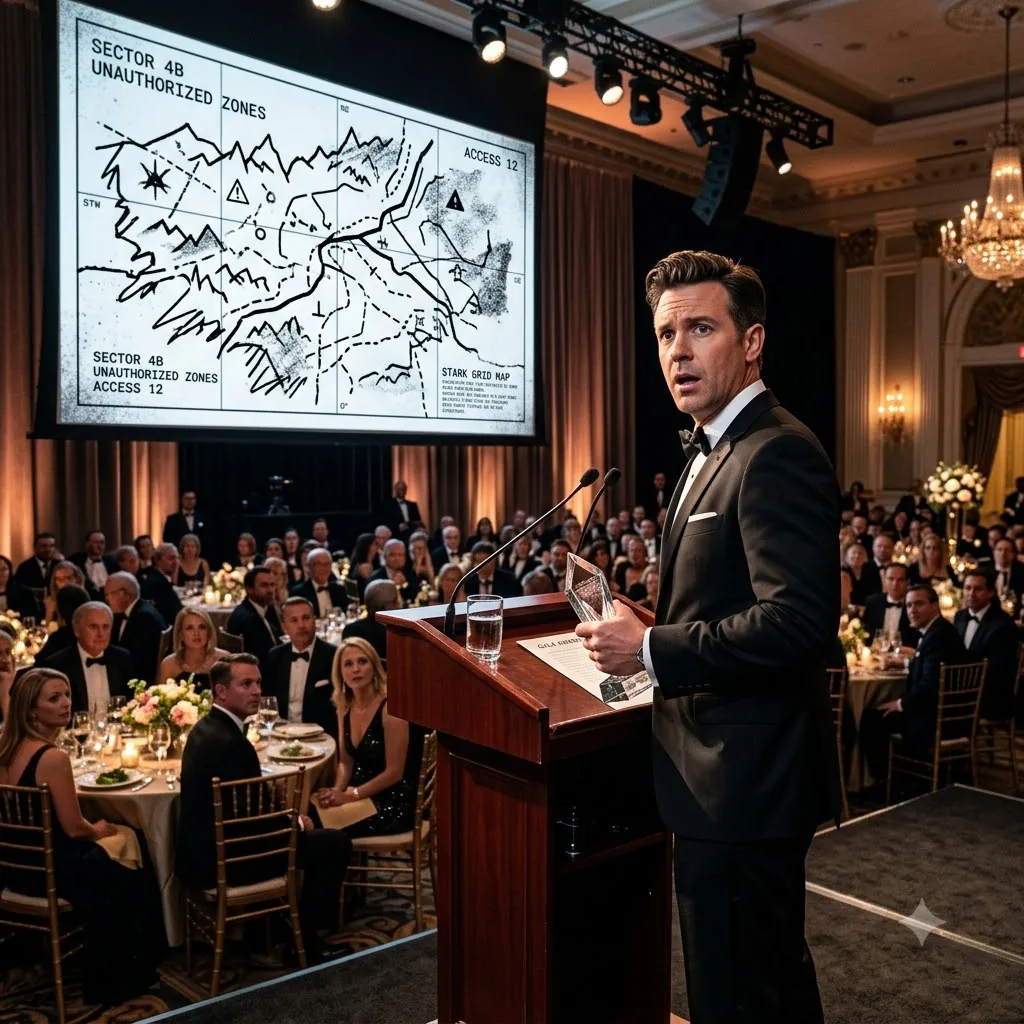
The ten-pound glass obelisk of the Innovator of the Year award dug a sharp ridge into Marcus’s palm as he leaned into the podium microphone and read the next slide aloud to five hundred expectant guests. “The Bicentennial Parkway is built on a foundation of stolen homes and buried toxins,” his voice boomed across the chandelier-lit ballroom before his brain caught up with his mouth. He froze, the heavy award slipping a fraction of an inch in his sweating grip, as he turned to see that the pristine, sunlit renderings of his urban greenway had vanished from the sixty-foot screen.
In their place glared a stark, jagged map he had never authorized.
The polite applause that had accompanied his walk to the stage died instantly. Below him, the ambient clinking of silver forks against porcelain plates ceased, replaced by a vacuum of sound that sucked the air from the massive space. Five hundred of the city’s most influential developers, politicians, and socialites sat suspended in a suffocating silence, their upturned faces illuminated by the harsh red and black glare spilling from the projector.
Marcus gripped the edges of the clear acrylic podium with his free hand. The collar of his custom wool suit, purchased specifically to armor himself for this pinnacle moment of his career, suddenly felt like a tightening wire. He pressed the plastic clicker in his left hand, desperate to advance the presentation to the next slide, to bring back the smiling families riding bicycles along his carefully engineered riverfront paths. The clicker emitted a hollow snap. The screen did not change.
He pressed it again, holding it up, aiming it directly at the glass-enclosed audiovisual booth at the far back of the hall. Another dry, useless snap. The jagged map remained frozen on the display, its aggressive black borders slashing through the city grid like fresh wounds.
This evening was supposed to be his absolute vindication. The Bicentennial Parkway had consumed the last four years of his life, demanding eighty-hour weeks and costing him nearly every personal relationship he possessed. He had fought through grueling zoning board hearings, navigated treacherous union negotiations, and personally overseen the massive soil remediation efforts that transformed a derelict, polluted industrial corridor into the crown jewel of the downtown revitalization project. The heavy glass trophy currently acting as an anchor in his right hand was tangible proof of his vision and his sacrifice. He had earned every bit of this celebration.
Instead, he was standing center stage, drenched in cold sweat, staring at a graphic that seemed engineered specifically to dismantle his entire professional existence. The unauthorized map was entirely devoid of the lush green overlay that characterized his official presentation. The elegant, winding paths of the greenway were replaced by harsh, angular red lines that violently bisected established residential blocks. Small, cryptic icons dotted the margins, denoting structural load data and subterranean elevations he simply did not recognize from any phase of his planning.
A low murmur began to ripple through the sea of round tables, starting at the back and rolling forward like a dark tide. In the front row, the Mayor leaned over to whisper harshly into the ear of the Deputy Director of Planning. Both men stared directly at Marcus, their expressions hardening from initial confusion into profound, calculating suspicion.
Marcus leaned away from the microphone, trying to put distance between himself and the amplified silence. He shot a desperate glare toward the event organizer standing in the wings. The woman was frantically tapping the side of her headset, her face drained of color as she gestured wildly toward the control booth overhead. The production crew had clearly lost control of the main feed.
The massive projector beam cut through the smoky haze of the ballroom, a solid cylinder of light carrying the damning image over the heads of the crowd. Marcus forced his breathing to slow, trying to analyze the map with an engineer’s clinical detachment. The red lines did not represent the parkway’s surface-level bike lanes or the meticulously planted rain gardens. They traced something deeper, something foundational that cut beneath the very footprint of his project. The coordinates listed in the stark black text block in the upper right corner aligned perfectly with the commercial epicenter of his greenway, but the depths indicated were completely foreign to his structural plans.
The heat from the overhead spotlights felt oppressive, baking the starch out of his crisp white shirt beneath the heavy wool jacket. He needed to speak, to regain control of the narrative before the whispers escalating in the darkness erupted into outright accusations. He shifted his weight, preparing to make a self-deprecating joke about technical difficulties, to assure the room that this was simply a catastrophic file error or a prank by a rival firm.
Before his lips could reach the foam shield of the microphone, the massive line-array speakers suspended from the ceiling emitted a deafening burst of static. The high-pitched squeal forced several guests in the front row to flinch and clap their hands over their ears.
The jagged map on the sixty-foot screen flickered violently. The thick red lines began to pulse, expanding and contracting in a rhythmic, organic sequence, as a new block of text materialized letter by brutal letter beneath the map.
Marcus dropped the presentation clicker, the plastic shattering loudly against the heavy metal base of the podium, as the static cut out and a distorted audio track began to broadcast over the ballroom sound system.
The ten-pound glass obelisk of the Innovator of the Year award dug a sharp ridge into Marcus’s palm as he leaned into the podium microphone and read the next slide aloud to five hundred expectant guests. “The Bicentennial Parkway is built on a foundation of stolen homes and buried toxins,” his voice boomed across the chandelier-lit ballroom before his brain caught up with his mouth. He froze, the heavy award slipping a fraction of an inch in his sweating grip, as he turned to see that the pristine, sunlit renderings of his urban greenway had vanished from the sixty-foot screen.
In their place glared a stark, jagged map he had never authorized.
The polite applause that had accompanied his walk to the stage died instantly. Below him, the ambient clinking of silver forks against porcelain plates ceased, replaced by a vacuum of sound that sucked the air from the massive space. Five hundred of the city’s most influential developers, politicians, and socialites sat suspended in a suffocating silence, their upturned faces illuminated by the harsh red and black glare spilling from the projector.
Marcus gripped the edges of the clear acrylic podium with his free hand. The collar of his custom wool suit, purchased specifically to armor himself for this pinnacle moment of his career, suddenly felt like a tightening wire. He pressed the plastic clicker in his left hand, desperate to advance the presentation to the next slide, to bring back the smiling families riding bicycles along his carefully engineered riverfront paths. The clicker emitted a hollow snap. The screen did not change.
He pressed it again, holding it up, aiming it directly at the glass-enclosed audiovisual booth at the far back of the hall. Another dry, useless snap. The jagged map remained frozen on the display, its aggressive black borders slashing through the city grid like fresh wounds.
This evening was supposed to be his absolute vindication. The Bicentennial Parkway had consumed the last four years of his life, demanding eighty-hour weeks and costing him nearly every personal relationship he possessed. He had fought through grueling zoning board hearings, navigated treacherous union negotiations, and personally overseen the massive soil remediation efforts that transformed a derelict, polluted industrial corridor into the crown jewel of the downtown revitalization project. The heavy glass trophy currently acting as an anchor in his right hand was tangible proof of his vision and his sacrifice. He had earned every bit of this celebration.
Instead, he was standing center stage, drenched in cold sweat, staring at a graphic that seemed engineered specifically to dismantle his entire professional existence. The unauthorized map was entirely devoid of the lush green overlay that characterized his official presentation. The elegant, winding paths of the greenway were replaced by harsh, angular red lines that violently bisected established residential blocks. Small, cryptic icons dotted the margins, denoting structural load data and subterranean elevations he simply did not recognize from any phase of his planning.
A low murmur began to ripple through the sea of round tables, starting at the back and rolling forward like a dark tide. In the front row, the Mayor leaned over to whisper harshly into the ear of the Deputy Director of Planning. Both men stared directly at Marcus, their expressions hardening from initial confusion into profound, calculating suspicion.
Marcus leaned away from the microphone, trying to put distance between himself and the amplified silence. He shot a desperate glare toward the event organizer standing in the wings. The woman was frantically tapping the side of her headset, her face drained of color as she gestured wildly toward the control booth overhead. The production crew had clearly lost control of the main feed.
The massive projector beam cut through the smoky haze of the ballroom, a solid cylinder of light carrying the damning image over the heads of the crowd. Marcus forced his breathing to slow, trying to analyze the map with an engineer’s clinical detachment. The red lines did not represent the parkway’s surface-level bike lanes or the meticulously planted rain gardens. They traced something deeper, something foundational that cut beneath the very footprint of his project. The coordinates listed in the stark black text block in the upper right corner aligned perfectly with the commercial epicenter of his greenway, but the depths indicated were completely foreign to his structural plans.
The heat from the overhead spotlights felt oppressive, baking the starch out of his crisp white shirt beneath the heavy wool jacket. He needed to speak, to regain control of the narrative before the whispers escalating in the darkness erupted into outright accusations. He shifted his weight, preparing to make a self-deprecating joke about technical difficulties, to assure the room that this was simply a catastrophic file error or a prank by a rival firm.
Before his lips could reach the foam shield of the microphone, the massive line-array speakers suspended from the ceiling emitted a deafening burst of static. The high-pitched squeal forced several guests in the front row to flinch and clap their hands over their ears.
The jagged map on the sixty-foot screen flickered violently. The thick red lines began to pulse, expanding and contracting in a rhythmic, organic sequence, as a new block of text materialized letter by brutal letter beneath the map.
Marcus dropped the presentation clicker, the plastic shattering loudly against the heavy metal base of the podium, as the static cut out and a distorted audio track began to broadcast over the ballroom sound system.