Story code: ST-000614
Part 1: The Deadbolt
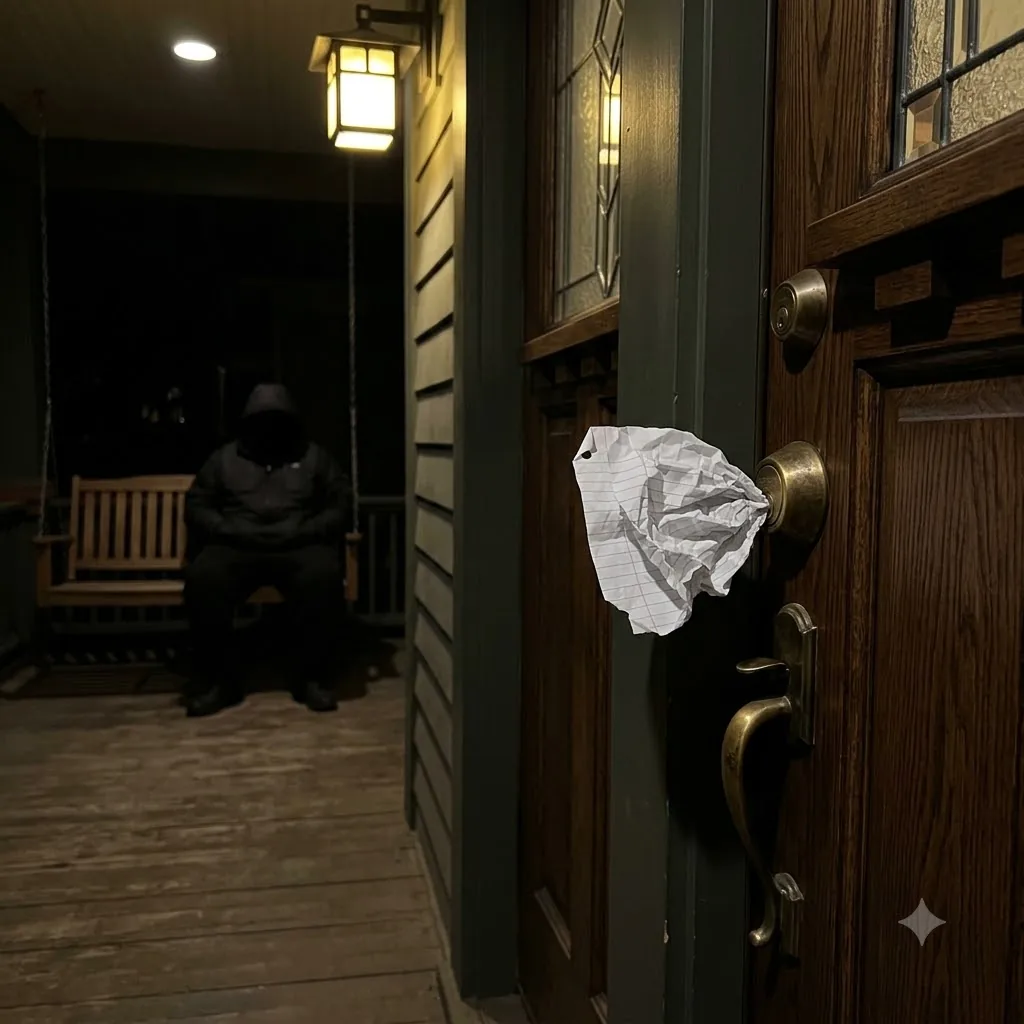
The headlights of Elias’s sedan swept across the dark, manicured lawns of Elmwood Avenue, illuminating the crumpled mass of white paper shoved deep into the brass deadbolt of his front door. He killed the engine, letting the heavy silence of the neighborhood rush in to replace the ringing in his ears. Three hours of shouting inside the city council chambers still echoed in his head. The historic preservation crowd had promised a reckoning over his decisive tie-breaking vote on the comprehensive density rezoning plan. Now, it seemed, they had delivered their first message.
He stepped out of the car, his leather briefcase feeling unusually heavy against his side. His restored 1920s Craftsman stood exactly as he had left it, except for the makeshift plug destroying the clean lines of his entryway. The paper had not merely been tucked into the frame or left beneath the welcome mat. Someone had taken a thick, official-looking document, twisted it into a hard spike, and jammed it into the keyhole with enough force to warp the exposed edges.
Elias climbed the porch steps, his pulse ticking upward with each heavy footfall. He reached out and gripped the tail of the paper. It was wedged tight against the internal pins of the lock. He had to yank it side to side, tearing a corner before the wad finally popped free from the brass cylinder with a faint scrape.
He stood in the glow of the amber porch light, turning the abused document over in his hands. The heavy cardstock felt like municipal mail, a far cry from the cheap neon flyers the anti-housing coalition usually plastered on windshields. Deep, violent creases obscured the text, the black ink smeared where angry fingers had crushed the fibers. He traced the ripped edge, anger simmering just beneath his exhaustion. He had spent the last two years fighting for equitable zoning, enduring endless public comment periods filled with thinly veiled hostility from homeowners terrified of missing out on their skyrocketing equity. Tonight was supposed to be the ultimate victory lap. The ordinance had passed. The city was finally moving forward. Yet here was the immediate, petty retaliation, a childish attempt to block him from entering his own home.
Elias did not flatten the paper to read the smeared text. He shoved it deep into his overcoat pocket, stepping back to the edge of the porch to scan the street for the coward who left it. The block was dead quiet. The mature oak trees cast long, shifting shadows across the wide sidewalks. Every house was dark, save for the occasional motion-sensor security light. Then he noticed the faint, rhythmic glow of an orange cherry burning on the porch two doors down.
Marcus never smoked. Elias knew his neighbor well enough to know the man despised the habit, usually complaining to anyone who would listen about the teenagers who littered their cigarette butts near his driveway. But there Marcus sat on the top step of his sagging concrete porch, wrapped in a faded fleece jacket, staring blankly out at the cold asphalt. Marcus was a permanent fixture of the block, a retired transit mechanic who had purchased his modest, single-story bungalow thirty years ago, long before the wealthy flippers and tech executives discovered the charm of the neighborhood.
Elias stepped off his own porch, his annoyance at the jammed lock shifting into a sudden, rigid alertness. He walked down the sidewalk, the soles of his dress shoes slapping loudly against the concrete. Marcus did not look up at the sound of the approaching footsteps. He just took another long, slow drag of the cigarette. The ember briefly illuminated the deep lines carved into his face, highlighting a profound exhaustion that mirrored Elias’s own. As Elias drew closer, he saw a stack of opened envelopes resting on the step next to Marcus’s leg. The paper sticking out of the top envelope was the exact same heavy, official cardstock that was currently burning a hole in Elias’s pocket.
The narrative of a bitter, conservative activist sneaking onto his porch began to fracture and dissolve in Elias’s mind. Marcus had never attended a city council meeting in his life. He spent his weekends fixing lawnmowers in his garage and waving at dog walkers. He had even congratulated Elias on his election run, saying the neighborhood needed someone with a good head on their shoulders to cut through the bureaucratic noise. Marcus was not the type to vandalize a lock over zoning laws.
Elias stopped at the edge of Marcus’s patchy front lawn. The air between them felt thick, completely devoid of the usual neighborly warmth they shared over the fence. Marcus exhaled a thick cloud of gray smoke into the night air, his eyes fixed dead ahead on the flickering streetlamp at the corner. He looked entirely hollowed out, like a man who had just watched his entire foundation crack open and swallow his life’s work.
Elias pulled his hand out of his pocket, his fingers brushing against the crushed paper he had pulled from his door. He stepped onto the first concrete stair, ready to break the silence and demand to know what had happened to both of them.
Marcus slowly turned his head, looking past Elias toward the pristine, newly appraised Craftsman house at the end of the street, before dropping the cigarette onto the concrete and grinding it out with the heel of his heavy work boot.
The headlights of Elias’s sedan swept across the dark, manicured lawns of Elmwood Avenue, illuminating the crumpled mass of white paper shoved deep into the brass deadbolt of his front door. He killed the engine, letting the heavy silence of the neighborhood rush in to replace the ringing in his ears. Three hours of shouting inside the city council chambers still echoed in his head. The historic preservation crowd had promised a reckoning over his decisive tie-breaking vote on the comprehensive density rezoning plan. Now, it seemed, they had delivered their first message.
He stepped out of the car, his leather briefcase feeling unusually heavy against his side. His restored 1920s Craftsman stood exactly as he had left it, except for the makeshift plug destroying the clean lines of his entryway. The paper had not merely been tucked into the frame or left beneath the welcome mat. Someone had taken a thick, official-looking document, twisted it into a hard spike, and jammed it into the keyhole with enough force to warp the exposed edges.
Elias climbed the porch steps, his pulse ticking upward with each heavy footfall. He reached out and gripped the tail of the paper. It was wedged tight against the internal pins of the lock. He had to yank it side to side, tearing a corner before the wad finally popped free from the brass cylinder with a faint scrape.
He stood in the glow of the amber porch light, turning the abused document over in his hands. The heavy cardstock felt like municipal mail, a far cry from the cheap neon flyers the anti-housing coalition usually plastered on windshields. Deep, violent creases obscured the text, the black ink smeared where angry fingers had crushed the fibers. He traced the ripped edge, anger simmering just beneath his exhaustion. He had spent the last two years fighting for equitable zoning, enduring endless public comment periods filled with thinly veiled hostility from homeowners terrified of missing out on their skyrocketing equity. Tonight was supposed to be the ultimate victory lap. The ordinance had passed. The city was finally moving forward. Yet here was the immediate, petty retaliation, a childish attempt to block him from entering his own home.
Elias did not flatten the paper to read the smeared text. He shoved it deep into his overcoat pocket, stepping back to the edge of the porch to scan the street for the coward who left it. The block was dead quiet. The mature oak trees cast long, shifting shadows across the wide sidewalks. Every house was dark, save for the occasional motion-sensor security light. Then he noticed the faint, rhythmic glow of an orange cherry burning on the porch two doors down.
Marcus never smoked. Elias knew his neighbor well enough to know the man despised the habit, usually complaining to anyone who would listen about the teenagers who littered their cigarette butts near his driveway. But there Marcus sat on the top step of his sagging concrete porch, wrapped in a faded fleece jacket, staring blankly out at the cold asphalt. Marcus was a permanent fixture of the block, a retired transit mechanic who had purchased his modest, single-story bungalow thirty years ago, long before the wealthy flippers and tech executives discovered the charm of the neighborhood.
Elias stepped off his own porch, his annoyance at the jammed lock shifting into a sudden, rigid alertness. He walked down the sidewalk, the soles of his dress shoes slapping loudly against the concrete. Marcus did not look up at the sound of the approaching footsteps. He just took another long, slow drag of the cigarette. The ember briefly illuminated the deep lines carved into his face, highlighting a profound exhaustion that mirrored Elias’s own. As Elias drew closer, he saw a stack of opened envelopes resting on the step next to Marcus’s leg. The paper sticking out of the top envelope was the exact same heavy, official cardstock that was currently burning a hole in Elias’s pocket.
The narrative of a bitter, conservative activist sneaking onto his porch began to fracture and dissolve in Elias’s mind. Marcus had never attended a city council meeting in his life. He spent his weekends fixing lawnmowers in his garage and waving at dog walkers. He had even congratulated Elias on his election run, saying the neighborhood needed someone with a good head on their shoulders to cut through the bureaucratic noise. Marcus was not the type to vandalize a lock over zoning laws.
Elias stopped at the edge of Marcus’s patchy front lawn. The air between them felt thick, completely devoid of the usual neighborly warmth they shared over the fence. Marcus exhaled a thick cloud of gray smoke into the night air, his eyes fixed dead ahead on the flickering streetlamp at the corner. He looked entirely hollowed out, like a man who had just watched his entire foundation crack open and swallow his life’s work.
Elias pulled his hand out of his pocket, his fingers brushing against the crushed paper he had pulled from his door. He stepped onto the first concrete stair, ready to break the silence and demand to know what had happened to both of them.
Marcus slowly turned his head, looking past Elias toward the pristine, newly appraised Craftsman house at the end of the street, before dropping the cigarette onto the concrete and grinding it out with the heel of his heavy work boot.