Story code: ST-000975
Part 1: The Cost of Compliance
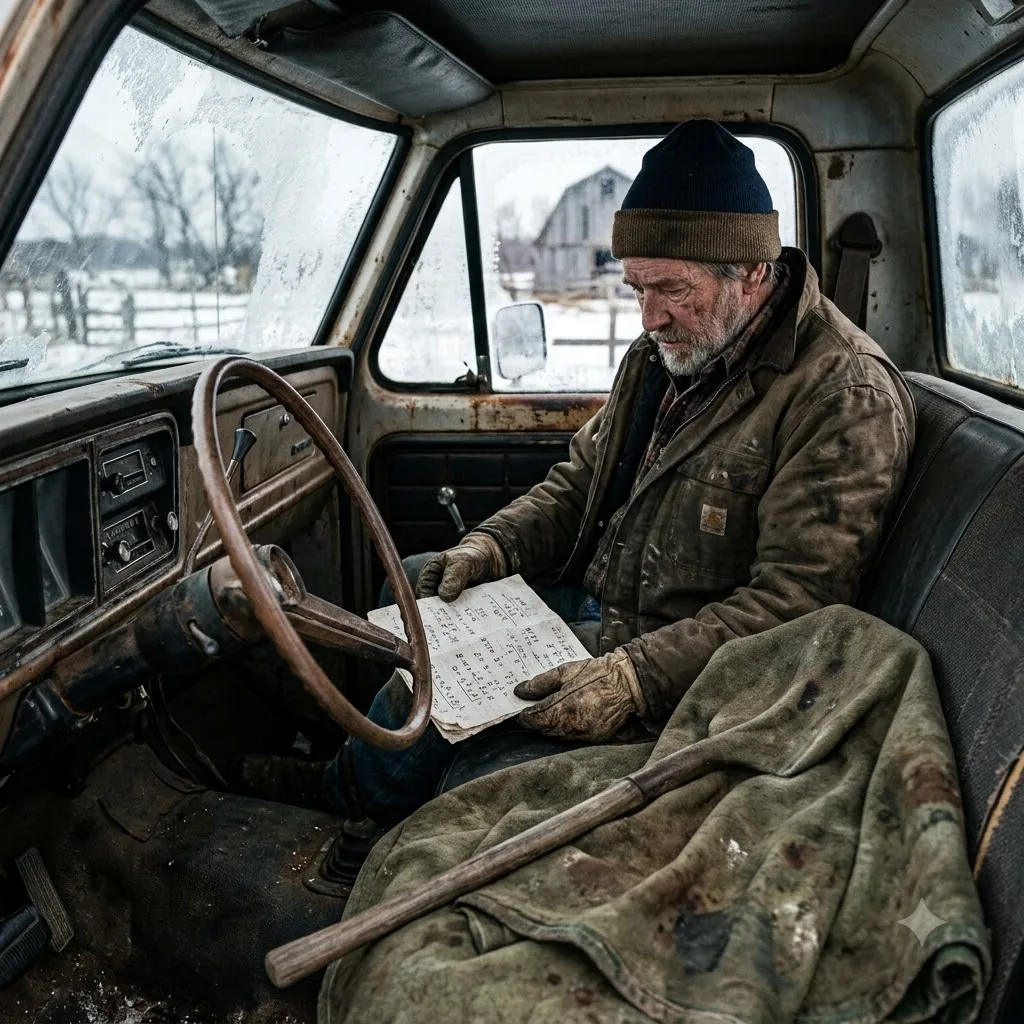
Elias sat in the cab of his idling Ford, the heater blowing useless lukewarm air against his knuckles, staring at the spiral-bound ledger open on his steering wheel. The blue ink numbers refused to change. Three thousand, two hundred dollars for the winter alfalfa delivery he had to finalize by Friday. Four thousand, eight hundred dollars for the state-mandated biometric safe retrofits due by the end of the month. The new rural security legislation required every firearm on a working agricultural property to be secured behind fingerprint-locked, heavy-gauge steel, a mandate that treated his grandfather’s antique oak gun cabinets like a criminal offense. His checking account held exactly two thousand, one hundred and fourteen dollars. The math was a brick wall at the end of a very short road.
He traced the cracked leather of the steering wheel, feeling the literal weight of his family’s legacy slipping away over a piece of paper signed in a city four hundred miles away. The man who wrote that mandate, State Senator Vance, was currently standing on a portable stage inside the high school gymnasium just across the parking lot.
Elias reached behind the bench seat of the truck. His calloused fingers found the cold steel barrel of the Winchester lever-action resting in the rack. He pulled it free, the metal sliding with a quiet, final scrape against the plastic mounting brackets. He held the weapon in his lap for a moment, feeling the familiar balance of the walnut stock. He grabbed a heavy, oil-stained moving blanket from the passenger side floorboard. He laid the blanket over the center console and rolled the rifle tightly inside it. He bound the bundle with three separate lengths of frayed orange baling twine, pulling the knots tight until he had a rigid, heavy package that looked exactly like a concealed weapon.
He stepped out into the biting October wind, slamming the heavy steel door of the truck. The high school parking lot was a sea of state police cruisers and black government SUVs, their engines rumbling in the cold air. A perimeter of temporary metal barricades funneled the local attendees toward a single entry point manned by uniformed state troopers and private security contractors wearing earpieces. Elias walked toward the bottleneck, his work boots crunching loudly on the frost-heaved gravel.
He gripped the center of the blanket roll with his right hand, keeping the hidden barrel pointed firmly at the asphalt. The dead weight of the steel and wood pulled at his shoulder socket. Ahead, the security line moved with agonizing slowness. People in insulated canvas jackets and thick wool sweaters shuffled through a portable metal detector arch set up directly in front of the double glass doors of the gymnasium. A trooper was waving a handheld scanner over an older local man, making him empty a pocketknife and a ring of keys into a gray plastic bin.
Elias took his place at the back of the line. The heavy blanket bumped rhythmically against his thigh with every step forward. The man standing directly in front of him, a neighboring dairy farmer named Miller, turned around to complain about the cold. Miller glanced at Elias, then let his eyes drop to the long, tightly bound bundle. Miller stopped talking instantly, faced forward again, and stiffened his posture, putting an extra few inches of distance between himself and Elias.
Elias kept his eyes fixed on the entrance. He watched the trooper at the scanner, noting the organized efficiency of the checkpoint. He calculated the distance, the number of bodies between him and the metal arch, and the sheer impossibility of walking through it with a firearm. The mandate was ending his life as a rancher. The man responsible was less than two hundred feet away, shaking hands and talking about community safety while destroying the community itself. Elias tightened his grip on the rough twine. He refused to lose the land over an unfunded mandate. He needed to get inside that room.
The line dwindled to a handful of people. Three people ahead of him. Two. The trooper at the front, a young man with a severe buzz cut and mirrored sunglasses, looked past the woman he was currently wanding. The trooper locked eyes with Elias, then immediately dropped his gaze to the blanket roll. The trooper’s jaw tightened. He tapped the shoulder of the older, heavily built sergeant standing next to him. The sergeant turned, rested his right hand casually on his duty belt right above his holster, and squared his shoulders directly toward Elias.
Elias felt the silence ripple outward as the people nearby noticed the shift in the troopers’ posture. The background murmur of the crowd died away completely.
“Sir, you are going to need to leave that item outside,” the sergeant stated, stepping out from behind the folding table to block the entrance.
Elias did not break his stride. He stepped right up to the yellow tape line on the concrete, raised the heavy bundle with both hands, and extended it directly toward the sergeant’s chest.
Elias sat in the cab of his idling Ford, the heater blowing useless lukewarm air against his knuckles, staring at the spiral-bound ledger open on his steering wheel. The blue ink numbers refused to change. Three thousand, two hundred dollars for the winter alfalfa delivery he had to finalize by Friday. Four thousand, eight hundred dollars for the state-mandated biometric safe retrofits due by the end of the month. The new rural security legislation required every firearm on a working agricultural property to be secured behind fingerprint-locked, heavy-gauge steel, a mandate that treated his grandfather’s antique oak gun cabinets like a criminal offense. His checking account held exactly two thousand, one hundred and fourteen dollars. The math was a brick wall at the end of a very short road.
He traced the cracked leather of the steering wheel, feeling the literal weight of his family’s legacy slipping away over a piece of paper signed in a city four hundred miles away. The man who wrote that mandate, State Senator Vance, was currently standing on a portable stage inside the high school gymnasium just across the parking lot.
Elias reached behind the bench seat of the truck. His calloused fingers found the cold steel barrel of the Winchester lever-action resting in the rack. He pulled it free, the metal sliding with a quiet, final scrape against the plastic mounting brackets. He held the weapon in his lap for a moment, feeling the familiar balance of the walnut stock. He grabbed a heavy, oil-stained moving blanket from the passenger side floorboard. He laid the blanket over the center console and rolled the rifle tightly inside it. He bound the bundle with three separate lengths of frayed orange baling twine, pulling the knots tight until he had a rigid, heavy package that looked exactly like a concealed weapon.
He stepped out into the biting October wind, slamming the heavy steel door of the truck. The high school parking lot was a sea of state police cruisers and black government SUVs, their engines rumbling in the cold air. A perimeter of temporary metal barricades funneled the local attendees toward a single entry point manned by uniformed state troopers and private security contractors wearing earpieces. Elias walked toward the bottleneck, his work boots crunching loudly on the frost-heaved gravel.
He gripped the center of the blanket roll with his right hand, keeping the hidden barrel pointed firmly at the asphalt. The dead weight of the steel and wood pulled at his shoulder socket. Ahead, the security line moved with agonizing slowness. People in insulated canvas jackets and thick wool sweaters shuffled through a portable metal detector arch set up directly in front of the double glass doors of the gymnasium. A trooper was waving a handheld scanner over an older local man, making him empty a pocketknife and a ring of keys into a gray plastic bin.
Elias took his place at the back of the line. The heavy blanket bumped rhythmically against his thigh with every step forward. The man standing directly in front of him, a neighboring dairy farmer named Miller, turned around to complain about the cold. Miller glanced at Elias, then let his eyes drop to the long, tightly bound bundle. Miller stopped talking instantly, faced forward again, and stiffened his posture, putting an extra few inches of distance between himself and Elias.
Elias kept his eyes fixed on the entrance. He watched the trooper at the scanner, noting the organized efficiency of the checkpoint. He calculated the distance, the number of bodies between him and the metal arch, and the sheer impossibility of walking through it with a firearm. The mandate was ending his life as a rancher. The man responsible was less than two hundred feet away, shaking hands and talking about community safety while destroying the community itself. Elias tightened his grip on the rough twine. He refused to lose the land over an unfunded mandate. He needed to get inside that room.
The line dwindled to a handful of people. Three people ahead of him. Two. The trooper at the front, a young man with a severe buzz cut and mirrored sunglasses, looked past the woman he was currently wanding. The trooper locked eyes with Elias, then immediately dropped his gaze to the blanket roll. The trooper’s jaw tightened. He tapped the shoulder of the older, heavily built sergeant standing next to him. The sergeant turned, rested his right hand casually on his duty belt right above his holster, and squared his shoulders directly toward Elias.
Elias felt the silence ripple outward as the people nearby noticed the shift in the troopers’ posture. The background murmur of the crowd died away completely.
“Sir, you are going to need to leave that item outside,” the sergeant stated, stepping out from behind the folding table to block the entrance.
Elias did not break his stride. He stepped right up to the yellow tape line on the concrete, raised the heavy bundle with both hands, and extended it directly toward the sergeant’s chest.