Story code: ST-001339
Part 1: Space Forty-Two
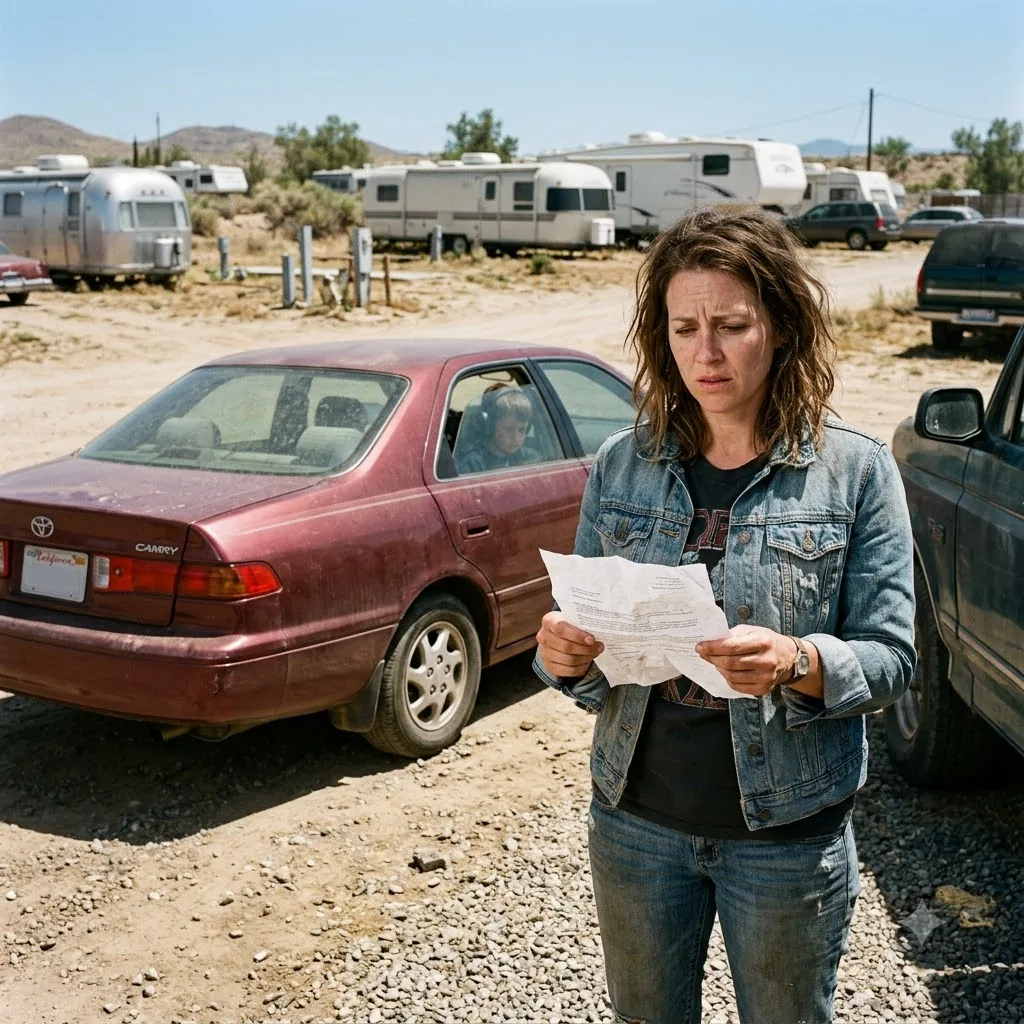
The paper in my hand felt heavier than the house it was about to cost me. The header was printed in a dry, sterile gray font. Pacific Standard Insurance Company. RE: Total Loss Claim, Wildfire Incident. The second paragraph was the killer. Coverage denied per Section 4B of the foundational policy agreement. The dense block of legal text explained that because the property had been transferred to my care without formally removing the original deed holder, the structure was technically uninsured at the time of the fire. My house was a pile of ash, and the people holding the checkbook had found their loophole.
There was exactly one way to override the denial. An appeal form, stapled to the back of the packet, required a physical, wet-ink signature from the primary deed holder acknowledging the transfer of the claim. The bottom of the letter featured a bold, underlined stamp. Deadline for emergency appeal: 5:00 PM, September 14.
I checked the dashboard clock. Two-fifteen.
I crumpled the edge of the letter, smoothing it flat again against the steering wheel. I had spent six years building a life completely insulated from the man whose name was on that deed. Every choice I made, every lock I installed, every boundary I set was designed to keep my father out of my world. Now, a wildfire and a technicality were forcing me to drive straight into his.
The Desert Rose RV Park sat forty miles east of town, a stretch of cracked asphalt and crushed rock baking under the brutal September sun. I pulled my sedan into the gravel lot, the tires crunching loud enough to make my stomach tighten. Row after row of faded motorhomes sat permanently hooked up to power poles, surrounded by plastic lawn chairs and rusted barbecue grills. I parked near the chain-link fence at the very back, making sure the nose of my car was pointed toward the exit. I put a solid thirty yards between my front bumper and the rusted Airstream trailer sitting in space forty-two.
I shifted into park but left the engine running. The air conditioning blasted against my face.
In the rearview mirror, Leo was completely absorbed in his tablet. My seven-year-old had his heavy blue noise-canceling headphones clamped firmly over his ears. His small feet kicked idly against the back of the passenger seat, oblivious to the place we had just arrived at.
I unbuckled my seatbelt and twisted around to check his door. The mechanical child locks were already engaged. I pressed the master lock button on the driver side armrest twice, listening for the heavy thunk of all four mechanisms sliding into place.
I tapped the glass divider I had installed behind the front seats to get Leo’s attention. He looked up, pulling one ear cup back.
I tapped my wrist and held up a single finger. I pointed to the door locks, then pointed back to his headphones. He gave me a slow nod, pulled the ear cup back down, and went back to his screen. He knew the rules. We had practiced them enough times. Nobody gets out of the car. Nobody rolls down a window. Under absolutely no circumstances does he take off those headphones until I am back in the driver seat.
I stepped out into the oppressive heat and slammed my door. I pulled the handle hard. Locked tight. The engine hummed a steady, reassuring rhythm. The car keys were clenched so hard in my right fist that the jagged metal of my house key dug deep into my palm. I kept my phone in my left hand, the screen already open to the dial pad with my thumb hovering over the green call button.
Walking toward space forty-two felt like wading through wet concrete. Every crunch of my boots on the dry gravel amplified the pounding in my ears. The Airstream was in worse shape than the last time I had been forced to track him down. The aluminum siding was oxidized and covered in a layer of fine brown dust. A flimsy canvas awning hung down at a crooked angle, held to the support arm with loops of silver duct tape. A pile of crushed aluminum cans overflowed from a plastic bin near the rusted metal steps.
I stopped ten feet from the door, wiping a bead of sweat from my temple. The insurance paperwork was folded into a tight square in my back pocket. I just needed one signature. I told myself I didn’t need to speak to him. I didn’t need to step inside that cramped, dark space. I just needed him to take my pen, sign his name on the dotted line, and let me get back to my son.
I glanced back over my shoulder to check the sedan. It sat a safe distance away, the dark tinted windows doing exactly what they were supposed to do. Leo was entirely obscured from the outside. That was the only way this worked.
I turned back to the trailer and took a sharp, shallow breath. I braced myself for the confrontation. I reached out, raising my fist to knock on the dented aluminum siding right next to the doorframe.
Before my knuckles could strike the metal, the handle turned. The heavy brass latch clicked from the inside. The sound echoed in the quiet, desolate RV park. The rusted hinges shrieked as the door swung violently outward, stopping an inch from my face and revealing the dark, hollow space of the trailer interior.
The paper in my hand felt heavier than the house it was about to cost me. The header was printed in a dry, sterile gray font. Pacific Standard Insurance Company. RE: Total Loss Claim, Wildfire Incident. The second paragraph was the killer. Coverage denied per Section 4B of the foundational policy agreement. The dense block of legal text explained that because the property had been transferred to my care without formally removing the original deed holder, the structure was technically uninsured at the time of the fire. My house was a pile of ash, and the people holding the checkbook had found their loophole.
There was exactly one way to override the denial. An appeal form, stapled to the back of the packet, required a physical, wet-ink signature from the primary deed holder acknowledging the transfer of the claim. The bottom of the letter featured a bold, underlined stamp. Deadline for emergency appeal: 5:00 PM, September 14.
I checked the dashboard clock. Two-fifteen.
I crumpled the edge of the letter, smoothing it flat again against the steering wheel. I had spent six years building a life completely insulated from the man whose name was on that deed. Every choice I made, every lock I installed, every boundary I set was designed to keep my father out of my world. Now, a wildfire and a technicality were forcing me to drive straight into his.
The Desert Rose RV Park sat forty miles east of town, a stretch of cracked asphalt and crushed rock baking under the brutal September sun. I pulled my sedan into the gravel lot, the tires crunching loud enough to make my stomach tighten. Row after row of faded motorhomes sat permanently hooked up to power poles, surrounded by plastic lawn chairs and rusted barbecue grills. I parked near the chain-link fence at the very back, making sure the nose of my car was pointed toward the exit. I put a solid thirty yards between my front bumper and the rusted Airstream trailer sitting in space forty-two.
I shifted into park but left the engine running. The air conditioning blasted against my face.
In the rearview mirror, Leo was completely absorbed in his tablet. My seven-year-old had his heavy blue noise-canceling headphones clamped firmly over his ears. His small feet kicked idly against the back of the passenger seat, oblivious to the place we had just arrived at.
I unbuckled my seatbelt and twisted around to check his door. The mechanical child locks were already engaged. I pressed the master lock button on the driver side armrest twice, listening for the heavy thunk of all four mechanisms sliding into place.
I tapped the glass divider I had installed behind the front seats to get Leo’s attention. He looked up, pulling one ear cup back.
I tapped my wrist and held up a single finger. I pointed to the door locks, then pointed back to his headphones. He gave me a slow nod, pulled the ear cup back down, and went back to his screen. He knew the rules. We had practiced them enough times. Nobody gets out of the car. Nobody rolls down a window. Under absolutely no circumstances does he take off those headphones until I am back in the driver seat.
I stepped out into the oppressive heat and slammed my door. I pulled the handle hard. Locked tight. The engine hummed a steady, reassuring rhythm. The car keys were clenched so hard in my right fist that the jagged metal of my house key dug deep into my palm. I kept my phone in my left hand, the screen already open to the dial pad with my thumb hovering over the green call button.
Walking toward space forty-two felt like wading through wet concrete. Every crunch of my boots on the dry gravel amplified the pounding in my ears. The Airstream was in worse shape than the last time I had been forced to track him down. The aluminum siding was oxidized and covered in a layer of fine brown dust. A flimsy canvas awning hung down at a crooked angle, held to the support arm with loops of silver duct tape. A pile of crushed aluminum cans overflowed from a plastic bin near the rusted metal steps.
I stopped ten feet from the door, wiping a bead of sweat from my temple. The insurance paperwork was folded into a tight square in my back pocket. I just needed one signature. I told myself I didn’t need to speak to him. I didn’t need to step inside that cramped, dark space. I just needed him to take my pen, sign his name on the dotted line, and let me get back to my son.
I glanced back over my shoulder to check the sedan. It sat a safe distance away, the dark tinted windows doing exactly what they were supposed to do. Leo was entirely obscured from the outside. That was the only way this worked.
I turned back to the trailer and took a sharp, shallow breath. I braced myself for the confrontation. I reached out, raising my fist to knock on the dented aluminum siding right next to the doorframe.
Before my knuckles could strike the metal, the handle turned. The heavy brass latch clicked from the inside. The sound echoed in the quiet, desolate RV park. The rusted hinges shrieked as the door swung violently outward, stopping an inch from my face and revealing the dark, hollow space of the trailer interior.