Story code: ST-001719
Part 2: The Siege
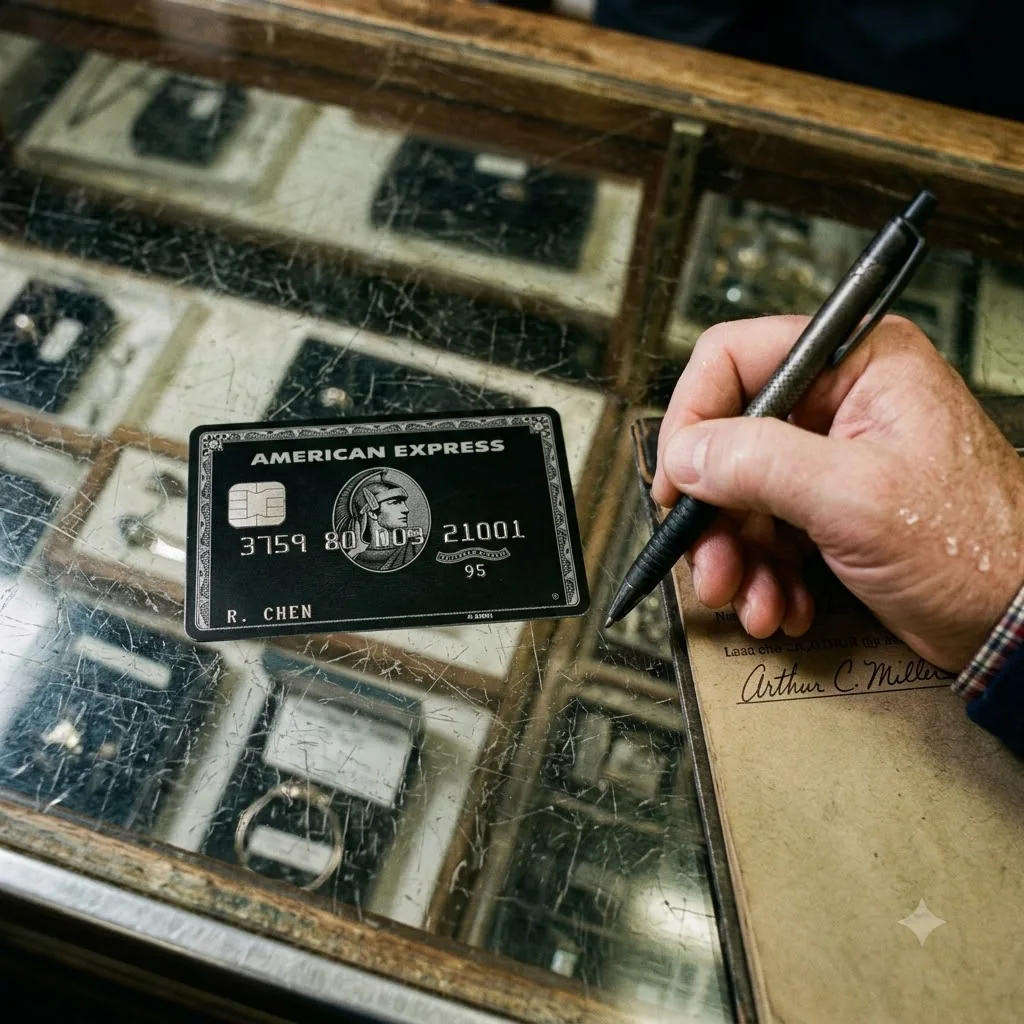
Macon watched the man lower the slim phone from his ear. The metallic click of the call ending sounded unnaturally loud in the quiet shop. The man didn’t say another word to Macon. He didn’t demand the rifle, didn’t scream, and didn’t throw another tantrum. He simply slid his heavy black American Express card off the glass counter, slipped it into the breast pocket of his tailored overcoat, and turned away. His posture was rigid, his steps measured and deliberate. The bell above the door jingled cheerfully-a jarring contrast to the heavy dread settling in Macon’s stomach.
Through the reinforced front windows, Macon watched the man cross the cracked asphalt of the parking lot. A matte black SUV, the kind that cost more than Macon’s entire inventory, sat idling at the curb. A driver in a dark suit stepped out instantly, opening the rear door. Before getting in, the man stopped. He turned slowly, his eyes locking onto the shop’s front window, staring directly at where Macon stood in the shadows. Even from forty feet away, Macon could see the unsettling intensity in that stare. It wasn’t just anger anymore. It was a cold, calculating fixation. The man climbed into the SUV, but the vehicle didn’t pull away. It just sat there, engine humming, dark tinted windows reflecting the fading afternoon light.
Macon let out a long, ragged breath and rubbed the back of his neck. His hand was slightly clammy. He told himself it was just a bluff. Rich guys threw their weight around all the time. You didn’t just seize a business with one phone call. The legal system was slow, bloated, and bureaucratic. It took months just to get a hearing for a noise complaint. Seizing commercial property took years. Macon turned his back to the windows and started clearing the counter. He took the crumpled federal transfer form, the one covered in the man’s frantic, tearing scribbles, and fed it into the heavy-duty paper shredder beneath the register. The grinding noise filled the room, offering a brief distraction.
Twenty minutes later, the shop phone rang. Macon picked it up, expecting a regular customer asking about ammunition shipments. Instead, it was Davis, the property owner who had leased the building to Macon for the past twelve years.
Davis didn’t bother with a greeting. His voice was breathless and panicked. He asked Macon what the hell he had just done.
Macon frowned, gripping the receiver tightly. He explained he had just denied a sale to a guy who was visibly unstable. He recited the ATF guidelines, the standard procedures, the moral and legal obligation he had to keep a firearm out of the hands of someone experiencing a clear mental break.
Davis cut him off, his voice cracking. He said his office had just received an emergency notice of injunction from a multinational holding company. The holding company had apparently purchased the underlying mortgage on the strip mall five minutes ago. They were calling in a complex default clause on the commercial zoning, claiming the presence of firearms on the premises violated a newly established liability policy. Davis said his own lawyers were completely panicked. They were threatening to evict Macon by Monday to save the rest of the property. They had already frozen the auto-pay for Macon’s rent.
Macon stared at the floorboards, the grain of the wood suddenly blurring. He told Davis that was impossible, that a lease couldn’t be broken that fast. Davis told him that when someone had billions of dollars, the law wasn’t a set of rules; it was a weapon you could hire out. Davis apologized, his voice trembling, and hung up.
The silence in the shop returned, heavier than before. Macon pulled his cell phone from his pocket and scrolled through his contacts until he found Greg, an old friend who ran a small civil defense practice downtown. Macon called him, pacing the length of the display cases as the line rang. When Greg answered, Macon laid out the entire situation: the tremors, the ranting about people in the tree line, the sudden shift in demeanor, the phone call, and now the call from the landlord.
Macon heard the frantic clicking of a keyboard on Greg’s end of the line. A long, agonizing minute passed. When Greg finally spoke, all the casual friendliness had drained from his voice.
Greg told Macon the man he had just turned away was Arthur Vance. Vance was a hedge fund manager who had notoriously gutted three separate municipalities over minor tax disputes. Greg’s voice dropped to a low, serious murmur. He told Macon that Vance was known for absolute, scorched-earth retaliation. Greg advised Macon to lock the doors, get in his car, drive to Vance’s estate, and personally deliver the rifle. He said Macon needed to get on his knees and beg the man to drop the injunction, or Macon would be bankrupt, homeless, and buried in legal fees before the end of the week.
Macon stopped pacing. He looked down at the empty spot on the glass counter where the rifle had been meant to rest. He told Greg he couldn’t do that. The man was severely paranoid. He thought people were living in the trees outside his house. Giving him a high-powered rifle and a thousand rounds of ammunition was a death sentence for whoever happened to walk too close to Vance’s property.
Greg sighed, a harsh, scraping sound over the phone. He told Macon that if he didn’t hand over the gun, Vance was going to destroy his life. Greg said he couldn’t represent him-his firm wouldn’t touch a fight with Vance’s legal team. He wished Macon luck and disconnected the call.
Macon lowered the phone. The sun was beginning to set, casting long, distorted shadows across the shop floor. He felt utterly isolated, boxed into a corner where the only way out was to violate his conscience and the law. He walked back to the front of the store to pull the metal security grate down for the night.
He glanced through the front window. The matte black SUV was still idling at the curb.
Macon’s cell phone vibrated in his hand. It was an unknown number. He hesitated, his thumb hovering over the screen, before swiping to accept the call. He brought the phone to his ear but didn’t speak.
On the other end, he heard the sound of heavy, panicked breathing. It was Vance. The cold, corporate voice that had ordered the legal strike was gone. The frantic, ragged whisper from the counter was back.
Vance whispered that he knew what Macon was doing. He said the delay wasn’t about store policy. He said he knew Macon was working with the people in the tree line, that Macon was intentionally leaving him unarmed for the raid they were planning for tonight. Vance’s voice pitched up, tight with genuine, terrifying fear, declaring that if they came for him in the dark, his security team would come for Macon first.