Story code: ST-001100
Part 1: The Silent Yard
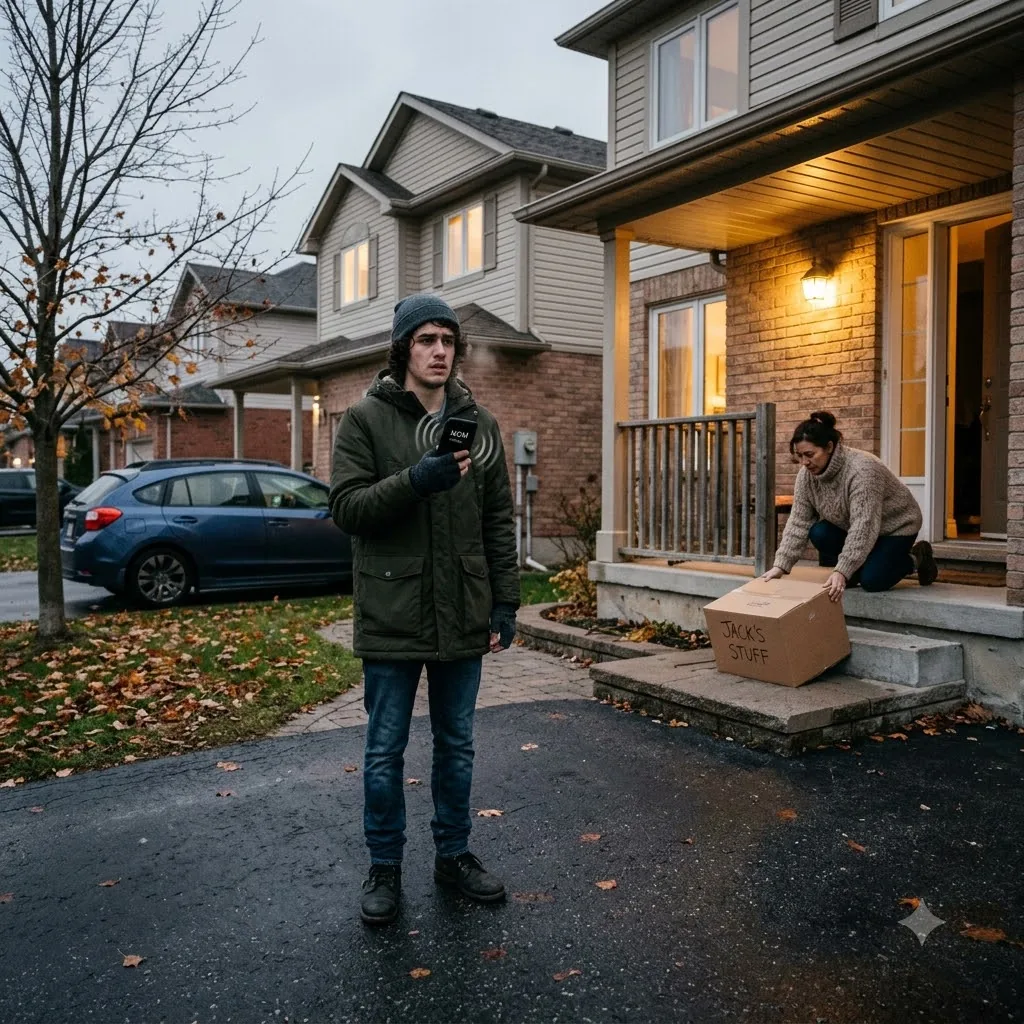
Silas stood on the edge of the sprinkler line, watching his mother silently tape shut a cardboard box on the porch of his childhood home. His phone buzzed against his thigh, a continuous, vibrating seizure of notifications he could not shut off. The device was physically hot to the touch, the battery draining rapidly under the strain of the incoming data. The late afternoon sun cast long shadows over the manicured bermudagrass, catching the rigid posture of his father standing just inside the glass storm door.
Neither of his parents spoke. They did not shout, they did not cry, and they certainly did not demand an explanation. In their fundamentalist community, exile was not an argument or a process. It was a sudden, clean amputation. A lifetime of Sunday dinners, shared prayers, and family vacations had been erased by a single fabricated screenshot.
Silas took a half-step forward, his shoes sinking into the damp grass. His mother did not look up. She pushed the taped box across the concrete with the toe of her sensible shoe until it nudged the welcome mat. It sat next to his duffel bag and a stack of framed certificates she had taken down from the hallway walls. She was systematically scrubbing him from the house. When she finally turned, she walked back inside and slid the deadbolt into place with a definitive, metallic click. The porch light snapped off.
He was locked out. The silence of the front yard felt suffocating, broken only by the rhythmic hissing of the neighborhood sprinkler systems and the relentless mechanical vibration in his pocket.
He pulled the phone out. The lock screen was a chaotic waterfall of banners, dropping faster than the display could render them. They were not texts from concerned friends or calls from his pastor asking for his side of the story. They were direct messages, tags, and automated alerts from every social platform he possessed.
*Die.*
*Predator.*
*We know where you sleep.*
Silas scrolled through the onslaught, his thumb moving numbly over the cracked glass. The allegations had dropped exactly forty-five minutes ago. A supposedly anonymous whistleblower had posted a manifesto accusing him of grooming, accompanied by heavily doctored chat logs. Within minutes, the post had saturated the local church groups, his parents’ prayer circles, and his employer’s public inbox.
As Silas stared at the screen, a strange dissonance broke through his rising panic. He wiped a bead of cold sweat from his temple and looked closer at the flood of death threats.
They were entirely too polished.
He opened a third-party application and froze the notification feed to examine a batch of thirty comments. Every single one used the exact same combination of trigger words, arranged in highly optimized syntax designed to bypass content filters. There were no typos. There was no internet shorthand. The profile pictures were all AI-generated faces featuring flawless lighting, slightly asymmetrical pupils, and neutral backgrounds.
More importantly, the timestamps were wrong. An organic viral outrage built momentum, cascading from one outraged user to their network, swelling over hours. These threats were hitting at intervals of precisely point-zero-two seconds. It was a digital firing squad, completely synchronized and perfectly executed.
He looked back at the house. His father’s silhouette had retreated from the storm door. His family had traded him for a lie without a second of hesitation, trusting the algorithmic swarm over twenty-eight years of his life.
Silas gathered his boxes and shoved them into the trunk of his sedan. He climbed into the driver’s seat and slammed the door, sealing himself inside the quiet, stale air of the cabin. He did not start the engine. Instead, he pulled his laptop from his backpack, balanced it on the center console, and plugged his phone into the USB port.
If this was an orchestrated hit, there had to be a deployment mechanism.
His fingers flew across the keyboard, bypassing his locked social accounts to access the raw data streams via a developer terminal. He isolated the last five hundred incoming messages and ran a basic Python script to strip the metadata. Lines of green code cascaded down the black screen, sorting the swarm by IP address, routing node, and packet origin.
The fundamentalist blogs and church gossips were completely absent from the origin points.
The terminal grouped the data. The hate mail was not coming from scattered smartphones across his hometown or angry parents in the suburbs. The packets were routed through a massive, commercial proxy network. Silas typed another command, tracing the proxy back to its purchasing block.
The screen blinked, resolving the domain registrar. Silas recognized the shell company instantly. It was the exact same corporate entity he had flagged in his internal compliance audit three days ago.
A heavy thump hit the trunk of his car, rocking the chassis.
Silas dropped the laptop and spun around to look through the rear window.
Silas stood on the edge of the sprinkler line, watching his mother silently tape shut a cardboard box on the porch of his childhood home. His phone buzzed against his thigh, a continuous, vibrating seizure of notifications he could not shut off. The device was physically hot to the touch, the battery draining rapidly under the strain of the incoming data. The late afternoon sun cast long shadows over the manicured bermudagrass, catching the rigid posture of his father standing just inside the glass storm door.
Neither of his parents spoke. They did not shout, they did not cry, and they certainly did not demand an explanation. In their fundamentalist community, exile was not an argument or a process. It was a sudden, clean amputation. A lifetime of Sunday dinners, shared prayers, and family vacations had been erased by a single fabricated screenshot.
Silas took a half-step forward, his shoes sinking into the damp grass. His mother did not look up. She pushed the taped box across the concrete with the toe of her sensible shoe until it nudged the welcome mat. It sat next to his duffel bag and a stack of framed certificates she had taken down from the hallway walls. She was systematically scrubbing him from the house. When she finally turned, she walked back inside and slid the deadbolt into place with a definitive, metallic click. The porch light snapped off.
He was locked out. The silence of the front yard felt suffocating, broken only by the rhythmic hissing of the neighborhood sprinkler systems and the relentless mechanical vibration in his pocket.
He pulled the phone out. The lock screen was a chaotic waterfall of banners, dropping faster than the display could render them. They were not texts from concerned friends or calls from his pastor asking for his side of the story. They were direct messages, tags, and automated alerts from every social platform he possessed.
*Die.*
*Predator.*
*We know where you sleep.*
Silas scrolled through the onslaught, his thumb moving numbly over the cracked glass. The allegations had dropped exactly forty-five minutes ago. A supposedly anonymous whistleblower had posted a manifesto accusing him of grooming, accompanied by heavily doctored chat logs. Within minutes, the post had saturated the local church groups, his parents’ prayer circles, and his employer’s public inbox.
As Silas stared at the screen, a strange dissonance broke through his rising panic. He wiped a bead of cold sweat from his temple and looked closer at the flood of death threats.
They were entirely too polished.
He opened a third-party application and froze the notification feed to examine a batch of thirty comments. Every single one used the exact same combination of trigger words, arranged in highly optimized syntax designed to bypass content filters. There were no typos. There was no internet shorthand. The profile pictures were all AI-generated faces featuring flawless lighting, slightly asymmetrical pupils, and neutral backgrounds.
More importantly, the timestamps were wrong. An organic viral outrage built momentum, cascading from one outraged user to their network, swelling over hours. These threats were hitting at intervals of precisely point-zero-two seconds. It was a digital firing squad, completely synchronized and perfectly executed.
He looked back at the house. His father’s silhouette had retreated from the storm door. His family had traded him for a lie without a second of hesitation, trusting the algorithmic swarm over twenty-eight years of his life.
Silas gathered his boxes and shoved them into the trunk of his sedan. He climbed into the driver’s seat and slammed the door, sealing himself inside the quiet, stale air of the cabin. He did not start the engine. Instead, he pulled his laptop from his backpack, balanced it on the center console, and plugged his phone into the USB port.
If this was an orchestrated hit, there had to be a deployment mechanism.
His fingers flew across the keyboard, bypassing his locked social accounts to access the raw data streams via a developer terminal. He isolated the last five hundred incoming messages and ran a basic Python script to strip the metadata. Lines of green code cascaded down the black screen, sorting the swarm by IP address, routing node, and packet origin.
The fundamentalist blogs and church gossips were completely absent from the origin points.
The terminal grouped the data. The hate mail was not coming from scattered smartphones across his hometown or angry parents in the suburbs. The packets were routed through a massive, commercial proxy network. Silas typed another command, tracing the proxy back to its purchasing block.
The screen blinked, resolving the domain registrar. Silas recognized the shell company instantly. It was the exact same corporate entity he had flagged in his internal compliance audit three days ago.
A heavy thump hit the trunk of his car, rocking the chassis.
Silas dropped the laptop and spun around to look through the rear window.