Story code: ST-000095
Part 1: The Missing Metrics
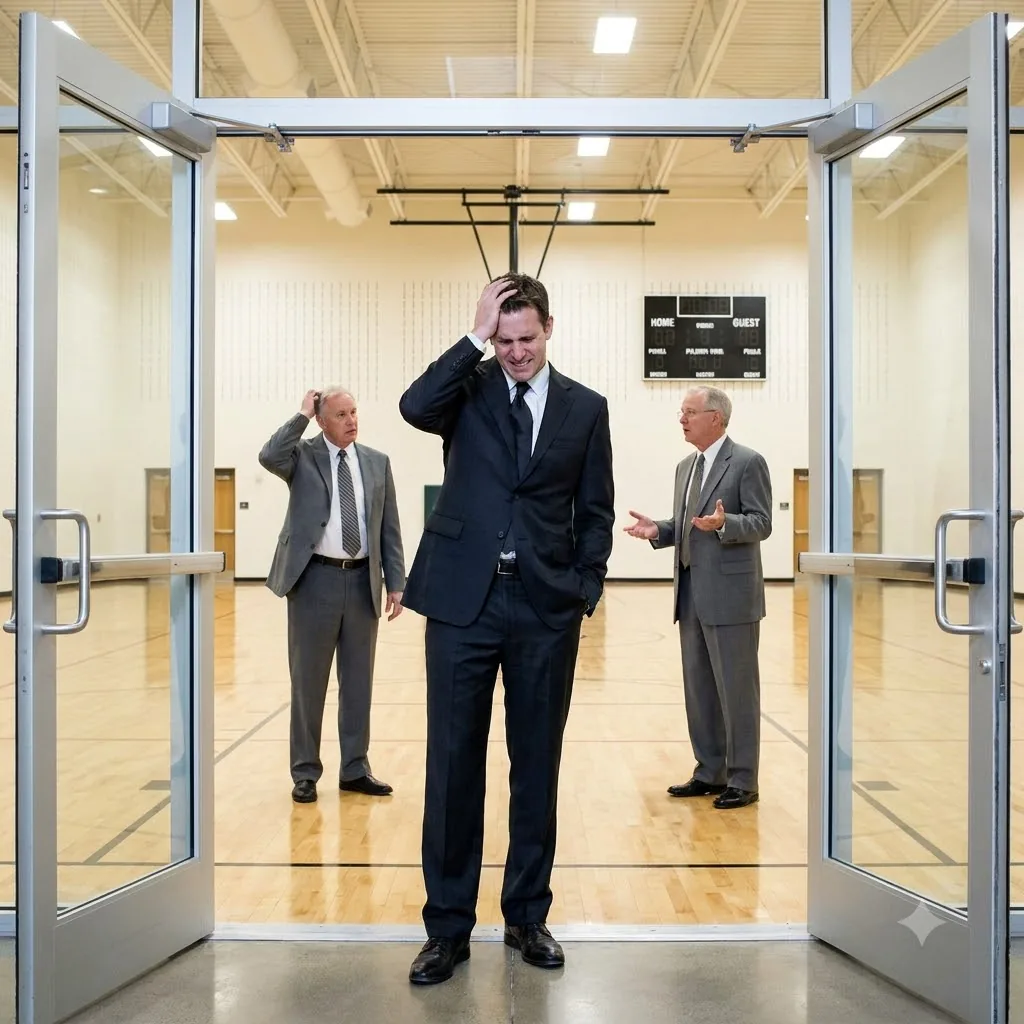
Marcus pushed open the double glass doors of the Hope Heights Community Center, ready to unveil the deafening roar of the summer league championship to three state politicians, but met only the steady hum of industrial air conditioning. The freshly varnished hardwood stretched out in agonizing, absolute silence. Not a single player, referee, or screaming parent occupied the massive expanse of the pristine bleachers. Councilman Davis stepped in right behind Marcus, his expensive leather shoes squeaking once on the spotless floor before he stopped completely.
The banners hanging from the rafters proclaimed this the premier event of the season, a heavily funded initiative meant to keep the neighborhood youth off the streets. Marcus had submitted the schedule a month ago. He had hired the referees, bought the gleaming gold trophies sitting on the scorer’s table, and promised the state board a packed house. Now, the scoreboard remained dark, and the basketball racks were securely locked in the corner.
Marcus swallowed hard, forcing a tight, confident smile. He turned to Councilman Davis and the two other board members, gesturing smoothly toward the empty benches. He told them the teams must be finishing a pre-game motivational session in the locker rooms. It was a weak deflection, but he needed a moment to figure out where his metrics had vanished. The entire renewal of the center’s multi-million-dollar grant hinged on this exact visual of community engagement. Without a bustling championship game, the funding would dry up by October.
He directed his administrative assistant, Sarah, to lead the VIP guests to the second-floor observation deck for catered refreshments. He told her to take the long route through the new computer lab. As soon as they stepped onto the stairs, Marcus broke into a heavy jog toward the locker rooms. The fluorescent lights flickered on automatically as he pushed through the swinging doors. The tiled rooms were completely dry. No abandoned gym bags littered the benches, and no discarded athletic tape sat on the floor.
He pulled out his phone and stared at the blank screen. He had sent six urgent messages to his youth coordinators and the head coaches of both teams over the last hour. None of the texts showed a read receipt. He scrolled through his contact list, tapping the call button for Coach Willis, the veteran neighborhood mentor who had sworn his team would arrive three hours early for shootaround. The automated voicemail kicked in immediately.
Panic clamped down on his chest. Marcus paced back out to the main court, his dress shirt sticking to his back with cold sweat. He looked up at the giant glass windows overlooking the street. He needed fifty teenagers inside this building in the next ten minutes. If the politicians came back downstairs to an empty gym, his career in the nonprofit sector would evaporate instantly.
He jogged toward the rear exit, pushing past the heavy emergency doors and stepping out into the sweltering July heat. The transition from the sterile, air-conditioned center to the humid concrete of the neighborhood hit him like a physical blow. He speed-walked down 114th Street, his eyes scanning the sidewalks for any sign of neon jerseys or loitering groups of teens.
The block was completely desolate. On a normal summer Saturday, the corner bodegas and stoops would be packed with kids escaping the cramped apartments. Today, even the usual groups of older men playing dominoes on folding tables were missing. A heavy, unnatural quiet hung over the asphalt. Marcus loosened his tie, walking faster, his polished dress shoes scraping loudly against the broken pavement.
He turned the corner onto Lennox Avenue, heading toward the residential towers where most of his registered players lived. A faint, rhythmic thumping echoed from a few blocks away. It sounded like the collective roar of a massive crowd, punctuated by the sharp, undeniable bounce of a basketball on rough concrete.
Marcus stopped and stared down the narrow alleyway connecting Lennox to the old industrial district. The noise was coming from the abandoned train depot, a condemned plot of land the city had fenced off two years ago. It made no sense. He had just built a ten-million-dollar facility with NBA-grade hardwood, glass backboards, and a digital scoreboard. There was absolutely no reason for his players to be anywhere near a hazardous waste site.
He power-walked down the alley, the roaring of the crowd growing louder with every step. The sound of a buzzer sliced through the heavy air, followed by an explosion of cheers. Marcus reached the end of the alley and stepped out behind the rusted chain-link fence of the old depot.
A sea of people packed the crumbling asphalt lot. Every single kid enrolled in the Hope Heights summer program was squeezed onto the makeshift bleachers constructed from wooden pallets. Both championship teams were currently on the cracked court, playing a high-speed, fiercely competitive game under a sagging metal hoop.
Marcus grabbed the chain-link fence, his mouth falling open as he tried to process the scene. He spotted Coach Willis standing on the sidelines, completely ignoring his vibrating phone. Marcus rattled the fence, shouting the coach’s name to demand they pack up and move back to the community center immediately.
Before he could take a step toward the entrance gate, a massive hand in a tailored silk sleeve clamped down hard on Marcus’s shoulder, pulling him backward into the shadows of the alley.
Marcus pushed open the double glass doors of the Hope Heights Community Center, ready to unveil the deafening roar of the summer league championship to three state politicians, but met only the steady hum of industrial air conditioning. The freshly varnished hardwood stretched out in agonizing, absolute silence. Not a single player, referee, or screaming parent occupied the massive expanse of the pristine bleachers. Councilman Davis stepped in right behind Marcus, his expensive leather shoes squeaking once on the spotless floor before he stopped completely.
The banners hanging from the rafters proclaimed this the premier event of the season, a heavily funded initiative meant to keep the neighborhood youth off the streets. Marcus had submitted the schedule a month ago. He had hired the referees, bought the gleaming gold trophies sitting on the scorer’s table, and promised the state board a packed house. Now, the scoreboard remained dark, and the basketball racks were securely locked in the corner.
Marcus swallowed hard, forcing a tight, confident smile. He turned to Councilman Davis and the two other board members, gesturing smoothly toward the empty benches. He told them the teams must be finishing a pre-game motivational session in the locker rooms. It was a weak deflection, but he needed a moment to figure out where his metrics had vanished. The entire renewal of the center’s multi-million-dollar grant hinged on this exact visual of community engagement. Without a bustling championship game, the funding would dry up by October.
He directed his administrative assistant, Sarah, to lead the VIP guests to the second-floor observation deck for catered refreshments. He told her to take the long route through the new computer lab. As soon as they stepped onto the stairs, Marcus broke into a heavy jog toward the locker rooms. The fluorescent lights flickered on automatically as he pushed through the swinging doors. The tiled rooms were completely dry. No abandoned gym bags littered the benches, and no discarded athletic tape sat on the floor.
He pulled out his phone and stared at the blank screen. He had sent six urgent messages to his youth coordinators and the head coaches of both teams over the last hour. None of the texts showed a read receipt. He scrolled through his contact list, tapping the call button for Coach Willis, the veteran neighborhood mentor who had sworn his team would arrive three hours early for shootaround. The automated voicemail kicked in immediately.
Panic clamped down on his chest. Marcus paced back out to the main court, his dress shirt sticking to his back with cold sweat. He looked up at the giant glass windows overlooking the street. He needed fifty teenagers inside this building in the next ten minutes. If the politicians came back downstairs to an empty gym, his career in the nonprofit sector would evaporate instantly.
He jogged toward the rear exit, pushing past the heavy emergency doors and stepping out into the sweltering July heat. The transition from the sterile, air-conditioned center to the humid concrete of the neighborhood hit him like a physical blow. He speed-walked down 114th Street, his eyes scanning the sidewalks for any sign of neon jerseys or loitering groups of teens.
The block was completely desolate. On a normal summer Saturday, the corner bodegas and stoops would be packed with kids escaping the cramped apartments. Today, even the usual groups of older men playing dominoes on folding tables were missing. A heavy, unnatural quiet hung over the asphalt. Marcus loosened his tie, walking faster, his polished dress shoes scraping loudly against the broken pavement.
He turned the corner onto Lennox Avenue, heading toward the residential towers where most of his registered players lived. A faint, rhythmic thumping echoed from a few blocks away. It sounded like the collective roar of a massive crowd, punctuated by the sharp, undeniable bounce of a basketball on rough concrete.
Marcus stopped and stared down the narrow alleyway connecting Lennox to the old industrial district. The noise was coming from the abandoned train depot, a condemned plot of land the city had fenced off two years ago. It made no sense. He had just built a ten-million-dollar facility with NBA-grade hardwood, glass backboards, and a digital scoreboard. There was absolutely no reason for his players to be anywhere near a hazardous waste site.
He power-walked down the alley, the roaring of the crowd growing louder with every step. The sound of a buzzer sliced through the heavy air, followed by an explosion of cheers. Marcus reached the end of the alley and stepped out behind the rusted chain-link fence of the old depot.
A sea of people packed the crumbling asphalt lot. Every single kid enrolled in the Hope Heights summer program was squeezed onto the makeshift bleachers constructed from wooden pallets. Both championship teams were currently on the cracked court, playing a high-speed, fiercely competitive game under a sagging metal hoop.
Marcus grabbed the chain-link fence, his mouth falling open as he tried to process the scene. He spotted Coach Willis standing on the sidelines, completely ignoring his vibrating phone. Marcus rattled the fence, shouting the coach’s name to demand they pack up and move back to the community center immediately.
Before he could take a step toward the entrance gate, a massive hand in a tailored silk sleeve clamped down hard on Marcus’s shoulder, pulling him backward into the shadows of the alley.