Story code: ST-000350
Part 4: The Settlement
The radiator in the corner of the studio apartment hissed, spitting a weak, metallic-smelling cloud of steam into the dim light. Marcus sat at a wobbly, veneer-topped table, the kind with peeling faux-wood edges that came standard in cheap month-to-month rentals. The rhythmic thumping of the upstairs neighbor’s footsteps rattled the single unshaded bulb hanging above his head, casting harsh, swinging shadows across the cracked linoleum floor. He ignored the noise, his gaze fixed entirely on the heavy, cream-colored envelope resting on the scratched surface of the table.
The return address embossed in the corner belonged to Elena Rostova’s law firm.
Marcus slid a dull butter knife under the flap, tearing the thick paper with a jagged pull. He pulled out a single sheet of heavy stock folded around a cashier’s check. The settlement had been finalized quietly and rapidly, just four weeks after Sterling’s disastrous, red-faced confession in the deposition room. The Apex Organization had panicked, desperate to bury the transcript before their systemic redlining and biometric terror tactics became a catastrophic federal class-action nightmare.
He unfolded the paper. The check was made out to Marcus Vance. The amount printed across the center was staggering-a multi-million dollar payout that technically represented a total legal victory. It was enough money to buy ten houses in the pristine Crestview district. It was enough to never have to work a single day for the rest of his life.
Marcus stared at the long string of zeros. His chest did not swell with triumph. His pulse did not quicken with the thrill of vindication. He just felt cold, the persistent, damp chill of the drafty rental seeping deep into his bones.
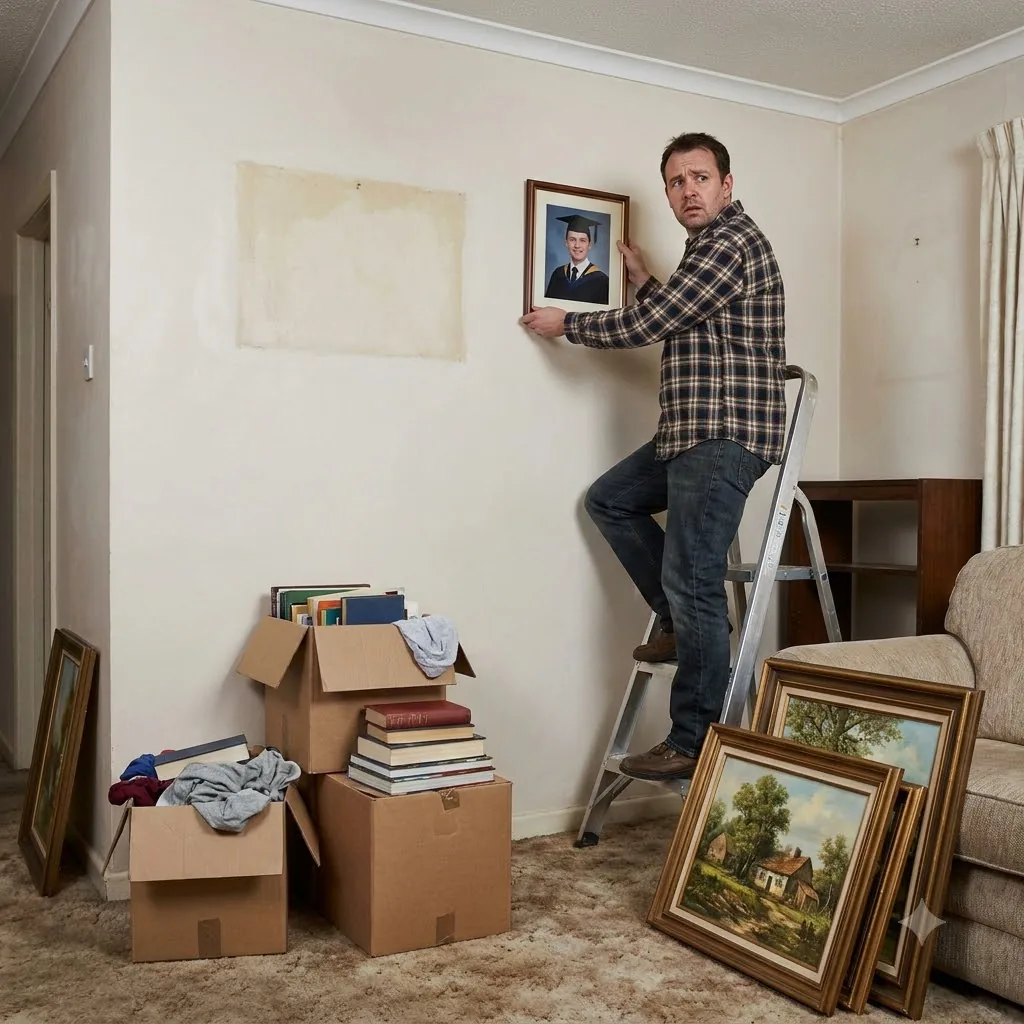
He set the check down next to a neat stack of past-due notices and a final, stamped foreclosure document. The irony was a bitter, ashen taste in the back of his throat. The massive corporate payout had arrived exactly four months too late to save the house. The initial devaluation that Sterling had engineered, combined with the crushing legal fees Marcus had willingly shouldered to fight the Apex Organization for three grueling years, had completely suffocated his finances. The bank had locked the doors on the family home late last autumn. The pale, dust-lined rectangle on the living room drywall where his grandfather’s military shadowbox used to hang now belonged to whatever faceless holding company had purchased the foreclosed asset at auction.
Marcus turned his head, looking toward the far corner of the cramped room. The heavy cardboard bins he had frantically packed three years ago-the ones containing Sophie’s childhood portraits, his framed wedding photos, the heirlooms he had hidden behind winter coats to appease a racist corporate algorithm-were stacked against the peeling wallpaper. They had never been unpacked.
He looked at the lowest box, the one holding the silver-framed wedding photo. The brutal, agonizing grind of the litigation had broken much more than his bank account. The constant stress, the financial paranoia, the endless nights spent aggressively reviewing Elena’s discovery files had hollowed him out. His wife had begged him to let the lawsuit go, to just take the loss, sell what they could, and move on before the anger consumed him entirely. But Marcus had been unable to stop fighting. He had needed to prove that Sterling’s sterile, biased mathematics were a lie.
He had won the war, but the collateral damage was absolute. His wife had moved out a year and a half into the lawsuit, taking Sophie to live with her sister in another state. The physical distance had quickly evolved into a quiet, amicable, but devastatingly permanent divorce. The very family he had tried so desperately to protect-the dependents he had frantically erased from the walls to secure a better future-were gone.
Marcus picked up the check again, the expensive paper feeling thin and fragile between his rough fingers. Sterling was likely fired, disgraced, perhaps even facing federal scrutiny behind closed doors. The Apex Organization had bled millions to silence the exposure. Elena had called it a historic, unprecedented win over institutional discrimination.
But as Marcus sat alone in the sputtering heat of the radiator, listening to the distant wail of a siren passing on the wet street outside, the victory felt entirely empty. The staggering amount of money could not reverse the foreclosure. It could not undo the finalized divorce decree sitting in his meager filing cabinet. And it certainly could not buy back the dignity he had surrendered that afternoon when he stripped his own walls bare, voluntarily wiping his family’s existence from the world.
He folded the check in half, then in half again, until it was just a small, tight square of paper. He didn’t put it in his wallet. He just left it on the cheap veneer table.
Marcus stood up and walked over to the stack of cardboard boxes in the corner. He reached for the thick, dusty plastic tarp he had once used to hide them in the garage, pulling it away. The stale air swirled with dust motes. He didn’t open the lids. He just rested his hand flat against the cold, brown cardboard, standing alone in the cramped room, surrounded by the boxed-up remnants of a history the money could never retrieve.