Story code: ST-000934
Part 1: The Wellness Check
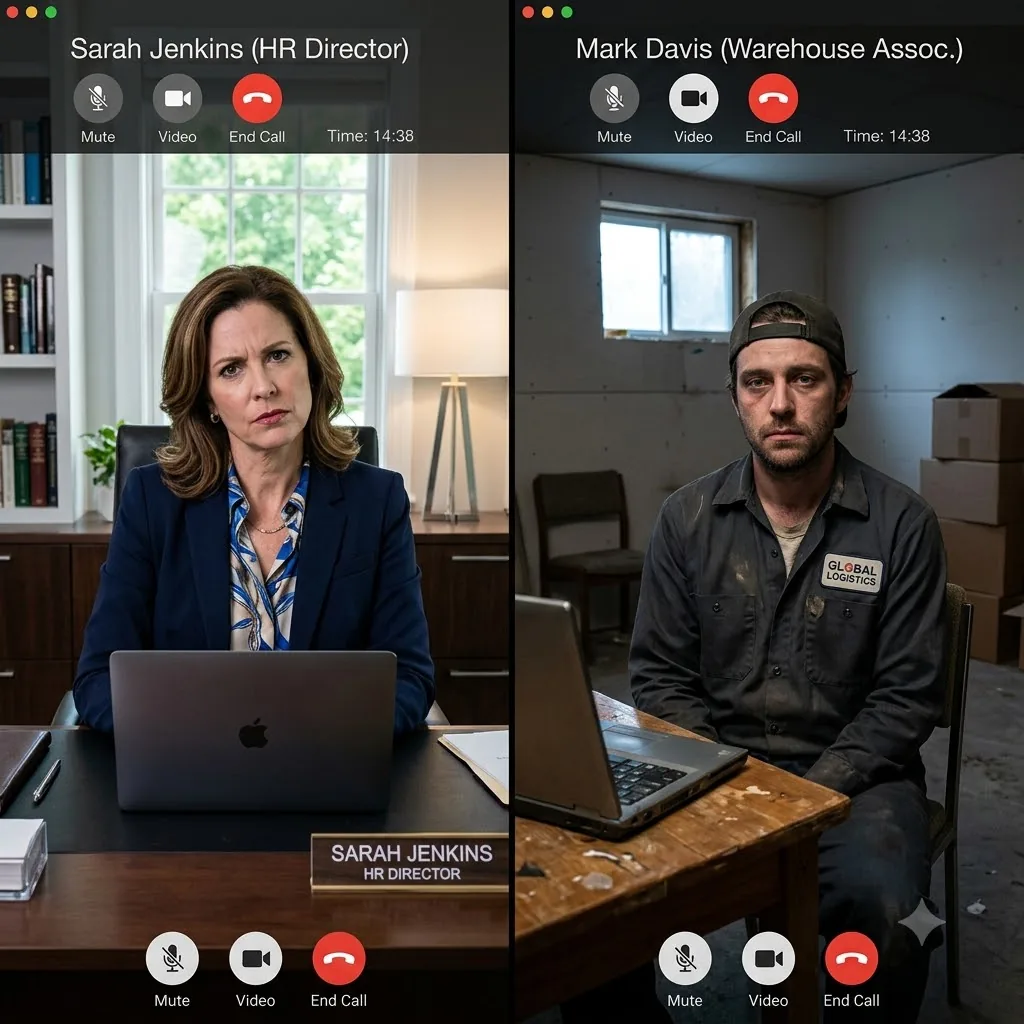
Elaine leaned into her webcam, clasping her hands over her pastel cardigan in a gesture of profound, manufactured empathy.
“Marcus, I just want to hold space for your feelings today, because your recent communications have felt incredibly dysregulated.”
Marcus watched her pixelated face on his secondary monitor. He kept his own expression carefully blank, nodding at the exact intervals required to simulate active listening. It was four-thirty on a Friday, the precise time Elaine scheduled these mandatory wellness checks to ensure maximum isolation. By Friday afternoon, the rest of the office was offline, leaving Marcus entirely alone in the digital crosshairs.
“We are a family here, and we notice when one of our own is struggling to maintain a collaborative mindset,” Elaine continued. Her voice dipped into a soothing, maternal cadence that made Marcus’s teeth grind. “When you escalated the housing allowance discrepancy to payroll, the energy you brought into that thread felt very hostile. It felt like you were acting out of a place of trauma, rather than aligning with our core values.”
Marcus focused on the green light of his webcam.
“I hear your feedback, Elaine,” Marcus said, keeping his tone flat.
“I need you to feel heard, Marcus, but I also need you to take accountability for the toxicity this behavior introduces to our ecosystem,” she said, tilting her head. “We want to support you through this difficult season. We really do. But support requires transparency.”
She was building a paper trail, using the language of healing to construct a narrative of instability. Every word she spoke was designed for a future disciplinary packet, framing a legitimate payroll grievance as a mental health crisis. If he argued, he was combative. If he stayed silent, he was disengaged. It was a flawless corporate trap.
He had spent the last three weeks documenting every instance of the company selectively denying housing allowances to remote workers. Elaine was the architect of the policy. She lived in a company-subsidized luxury condo in the city center while aggressively docking the stipends of junior staff who lived in the suburbs. Bringing it up was professional suicide, and she was currently holding the knife.
“I understand that the payroll issue caused some friction,” Marcus said, carefully avoiding any admission of guilt.
“Friction is a defense mechanism,” Elaine countered instantly. “I want us to dig deeper into the root cause of why you felt the need to bypass the chain of command. It shows a lack of trust. It shows a fracture in your psychological safety framework. We cannot have team members who are a danger to our culture.”
*A danger to our culture.* The phrase was a loaded gun. Once HR labeled an employee a threat to corporate culture, termination was a formality. She was boxing him in, waiting for him to snap, waiting for him to raise his voice or exhibit the exact erratic behavior she was preemptively diagnosing.
He glanced at the corner of his desk. His phone sat face down, an unread message vibrating silently against the wood. The notification banner glowed, displaying a text from a local labor representative. The union had been tracking Elaine’s tactics for months in secret. They had warned him Elaine would try to isolate him, urging him to get her on the record confirming the retaliatory nature of the wellness checks. He needed her to explicitly link his payroll inquiry to his employment status.
“I want to help you, Marcus,” Elaine said. She leaned closer to the camera until her forehead practically touched the lens. “I need you to admit that the pressure is getting to you. I need you to be vulnerable with me right now. Tell me you understand that your actions were unacceptable and driven by personal stress. If you can do that, we can put you on a Performance Improvement Plan instead of moving to immediate separation.”
There it was. The ultimatum wrapped in a hug. She needed a confession to justify the firing, a neat little bow on her fabricated case.
Marcus shifted his eyes slightly to his primary monitor, positioned just outside the Zoom window’s capture frame. The OBS Studio timer ticked past twelve minutes, the audio input levels peaking in the green. The screen recording captured her threat in perfect, high-definition audio.
He let a heavy sigh escape his lips, allowing his shoulders to slump. He dropped his gaze to the keyboard, mimicking the exact posture of a broken, exhausted employee giving up the fight.
Then he looked back up at the webcam, letting his eyes go wide and glassy.
“You are right, Elaine,” Marcus whispered, letting his voice crack perfectly on the final syllable. “I have been so overwhelmed, and I made a terrible mistake by looking into those files.”
Elaine smiled, a sharp, triumphant flash of teeth, and reached for her pen.
Elaine leaned into her webcam, clasping her hands over her pastel cardigan in a gesture of profound, manufactured empathy.
“Marcus, I just want to hold space for your feelings today, because your recent communications have felt incredibly dysregulated.”
Marcus watched her pixelated face on his secondary monitor. He kept his own expression carefully blank, nodding at the exact intervals required to simulate active listening. It was four-thirty on a Friday, the precise time Elaine scheduled these mandatory wellness checks to ensure maximum isolation. By Friday afternoon, the rest of the office was offline, leaving Marcus entirely alone in the digital crosshairs.
“We are a family here, and we notice when one of our own is struggling to maintain a collaborative mindset,” Elaine continued. Her voice dipped into a soothing, maternal cadence that made Marcus’s teeth grind. “When you escalated the housing allowance discrepancy to payroll, the energy you brought into that thread felt very hostile. It felt like you were acting out of a place of trauma, rather than aligning with our core values.”
Marcus focused on the green light of his webcam.
“I hear your feedback, Elaine,” Marcus said, keeping his tone flat.
“I need you to feel heard, Marcus, but I also need you to take accountability for the toxicity this behavior introduces to our ecosystem,” she said, tilting her head. “We want to support you through this difficult season. We really do. But support requires transparency.”
She was building a paper trail, using the language of healing to construct a narrative of instability. Every word she spoke was designed for a future disciplinary packet, framing a legitimate payroll grievance as a mental health crisis. If he argued, he was combative. If he stayed silent, he was disengaged. It was a flawless corporate trap.
He had spent the last three weeks documenting every instance of the company selectively denying housing allowances to remote workers. Elaine was the architect of the policy. She lived in a company-subsidized luxury condo in the city center while aggressively docking the stipends of junior staff who lived in the suburbs. Bringing it up was professional suicide, and she was currently holding the knife.
“I understand that the payroll issue caused some friction,” Marcus said, carefully avoiding any admission of guilt.
“Friction is a defense mechanism,” Elaine countered instantly. “I want us to dig deeper into the root cause of why you felt the need to bypass the chain of command. It shows a lack of trust. It shows a fracture in your psychological safety framework. We cannot have team members who are a danger to our culture.”
*A danger to our culture.* The phrase was a loaded gun. Once HR labeled an employee a threat to corporate culture, termination was a formality. She was boxing him in, waiting for him to snap, waiting for him to raise his voice or exhibit the exact erratic behavior she was preemptively diagnosing.
He glanced at the corner of his desk. His phone sat face down, an unread message vibrating silently against the wood. The notification banner glowed, displaying a text from a local labor representative. The union had been tracking Elaine’s tactics for months in secret. They had warned him Elaine would try to isolate him, urging him to get her on the record confirming the retaliatory nature of the wellness checks. He needed her to explicitly link his payroll inquiry to his employment status.
“I want to help you, Marcus,” Elaine said. She leaned closer to the camera until her forehead practically touched the lens. “I need you to admit that the pressure is getting to you. I need you to be vulnerable with me right now. Tell me you understand that your actions were unacceptable and driven by personal stress. If you can do that, we can put you on a Performance Improvement Plan instead of moving to immediate separation.”
There it was. The ultimatum wrapped in a hug. She needed a confession to justify the firing, a neat little bow on her fabricated case.
Marcus shifted his eyes slightly to his primary monitor, positioned just outside the Zoom window’s capture frame. The OBS Studio timer ticked past twelve minutes, the audio input levels peaking in the green. The screen recording captured her threat in perfect, high-definition audio.
He let a heavy sigh escape his lips, allowing his shoulders to slump. He dropped his gaze to the keyboard, mimicking the exact posture of a broken, exhausted employee giving up the fight.
Then he looked back up at the webcam, letting his eyes go wide and glassy.
“You are right, Elaine,” Marcus whispered, letting his voice crack perfectly on the final syllable. “I have been so overwhelmed, and I made a terrible mistake by looking into those files.”
Elaine smiled, a sharp, triumphant flash of teeth, and reached for her pen.