Story code: ST-000281
Part 1: The Ghost in Aisle Six
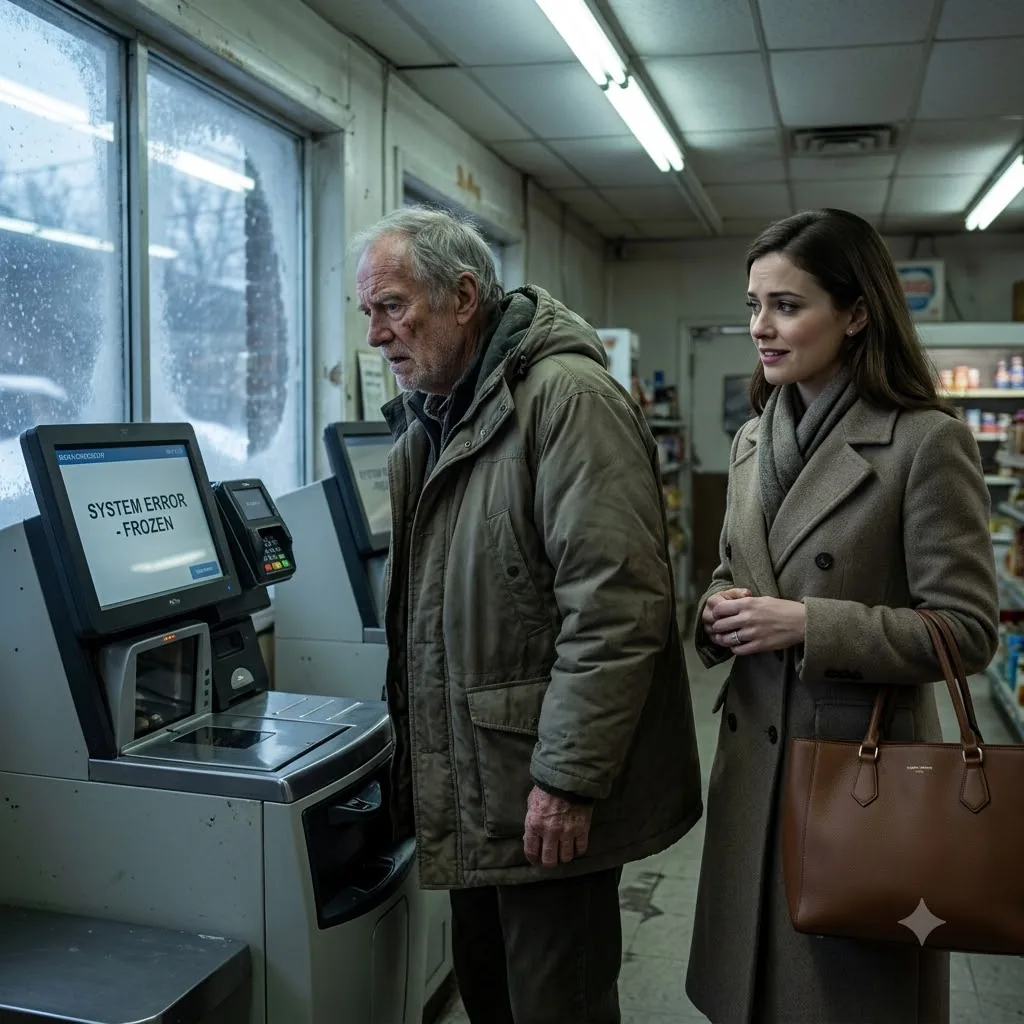
The red laser of the self-checkout scanner blinked aggressively, rejecting the barcode on a single can of low-sodium soup for the fourth consecutive time. Arthur stood beneath the flickering fluorescent hum of aisle six, his shoulders hunched against the absolute certainty that he was completely invisible. He had not spoken a single word aloud to another human being in twenty-two days. The silence in his apartment had gradually thickened over the weeks, pressing against his eardrums until he could hear the blood rushing through his own veins, finally pushing him out into the harsh glare of the supermarket just to prove he still existed.
He swiped the can across the glass panel again. The machine let out a discordant, angry buzz. The automated voice, loud and remarkably condescending, echoed over the low murmur of the evening rush. Unexpected item in the bagging area. Please remove the item and wait for assistance.
Arthur stared at the screen, the large red error message mocking his inability to perform the simplest of modern tasks. He pressed a trembling, liver-spotted finger against the glass, trying to find a cancel button. Nothing happened. The terminal above him began to flash a bright yellow beacon, a strobe light broadcasting his incompetence to the entire store.
Shoppers flowed past him on both sides, pushing overloaded carts with determined efficiency. Their eyes slid right off his faded corduroy jacket and his scuffed, quiet shoes. To the mothers wrangling toddlers and the exhausted office workers grabbing frozen dinners, he was just part of the architecture. He was a minor obstacle in the current of their lives, a piece of background scenery they were trained to ignore. Arthur cleared his throat, intending to call out to the solitary clerk managing the six automated registers. The sound that came out was a dry, scraping noise, weak and pathetic. His vocal cords felt rusted shut from disuse.
The teenager in the red store vest walked right past him, staring intently at a handheld inventory device, completely oblivious to Arthur’s raised, shaking hand. The yellow light continued to flash. The machine repeated its demand for an attendant.
A cold sweat broke out on the back of Arthur’s neck. It was a terrifying realization, the physical weight of his absolute irrelevance. He could collapse right here on the linoleum, clutching his chest in agony, and people would simply step around his body to reach the discounted bread on the endcap. He gripped the edge of the metal bagging scale, staring down at his three pathetic items-bruised apples, a loaf of generic wheat bread, and the dented soup can. He closed his eyes, surrendering to the overwhelming urge to abandon the groceries and retreat back into the silent darkness of his apartment.
Then, the sharp, authoritative click of high heels cut through the monotonous drone of the store’s overhead music.
A hand appeared in his peripheral vision. It was adorned with a minimalist gold watch and an impeccably manicured index finger. The finger tapped a rapid sequence of hidden commands on the corner of the frozen touchscreen. The flashing yellow light above Arthur’s head instantly stopped, replaced by a calming, permissive green.
Arthur blinked, turning his head slowly. The air around him shifted, bringing a wave of expensive sandalwood and crisp citrus, a scent entirely alien to the ambient smell of floor wax and overripe produce. A young woman stood right beside him, easily half his age. She wore a tailored charcoal blazer that screamed high-rise corner office, her dark hair pulled back into a severe, elegant knot. She radiated an intense, polished vitality that made Arthur feel even more like a crumbling, forgotten statue.
She picked up his dented soup can, located the barcode with effortless precision, and dragged it across the scanner. The machine chimed a cheerful acceptance. She placed the can gently into his thin plastic bag.
Arthur stared at her, his mouth opening, but the rusted words refused to form. He wanted to offer a polite, self-deprecating remark about technology outpacing his generation. He wanted to thank her for noticing him when the rest of the world refused to look.
The woman turned her gaze away from the screen and locked eyes with him. Her expression held a strange, calculating brightness. It was not the pitying glance usually reserved for confused older men, nor was it the hollow, polite smile of a good Samaritan. She looked at him with intense, specific recognition.
“You don’t need to struggle with this, Arthur,” she said, her voice smooth and perfectly modulated.
Arthur froze, his fingers slipping off the metal scale. He had paid with cash for months, used no grocery store loyalty cards, and possessed no identification that would display his first name anywhere on his person. He stared at her face, searching for a trace of a former neighbor or a distant relative, finding nothing but cold, confident beauty.
She stepped closer, invading the personal space he had grown so accustomed to having entirely empty. “Or perhaps I should say, A. E. Pendelton.”
Arthur’s breath caught violently in his throat. No one had spoken that name aloud in over a decade. It was the name printed on the spine of books that had long since been pulped, the ghost of a life he had buried deep underground. The sudden, impossible sound of his pen name ringing out in this desolate grocery store sent a visible tremor through his hands. He watched, entirely paralyzed, as she offered a brilliant, razor-sharp smile and slid her manicured hand into her leather briefcase.
The red laser of the self-checkout scanner blinked aggressively, rejecting the barcode on a single can of low-sodium soup for the fourth consecutive time. Arthur stood beneath the flickering fluorescent hum of aisle six, his shoulders hunched against the absolute certainty that he was completely invisible. He had not spoken a single word aloud to another human being in twenty-two days. The silence in his apartment had gradually thickened over the weeks, pressing against his eardrums until he could hear the blood rushing through his own veins, finally pushing him out into the harsh glare of the supermarket just to prove he still existed.
He swiped the can across the glass panel again. The machine let out a discordant, angry buzz. The automated voice, loud and remarkably condescending, echoed over the low murmur of the evening rush. Unexpected item in the bagging area. Please remove the item and wait for assistance.
Arthur stared at the screen, the large red error message mocking his inability to perform the simplest of modern tasks. He pressed a trembling, liver-spotted finger against the glass, trying to find a cancel button. Nothing happened. The terminal above him began to flash a bright yellow beacon, a strobe light broadcasting his incompetence to the entire store.
Shoppers flowed past him on both sides, pushing overloaded carts with determined efficiency. Their eyes slid right off his faded corduroy jacket and his scuffed, quiet shoes. To the mothers wrangling toddlers and the exhausted office workers grabbing frozen dinners, he was just part of the architecture. He was a minor obstacle in the current of their lives, a piece of background scenery they were trained to ignore. Arthur cleared his throat, intending to call out to the solitary clerk managing the six automated registers. The sound that came out was a dry, scraping noise, weak and pathetic. His vocal cords felt rusted shut from disuse.
The teenager in the red store vest walked right past him, staring intently at a handheld inventory device, completely oblivious to Arthur’s raised, shaking hand. The yellow light continued to flash. The machine repeated its demand for an attendant.
A cold sweat broke out on the back of Arthur’s neck. It was a terrifying realization, the physical weight of his absolute irrelevance. He could collapse right here on the linoleum, clutching his chest in agony, and people would simply step around his body to reach the discounted bread on the endcap. He gripped the edge of the metal bagging scale, staring down at his three pathetic items-bruised apples, a loaf of generic wheat bread, and the dented soup can. He closed his eyes, surrendering to the overwhelming urge to abandon the groceries and retreat back into the silent darkness of his apartment.
Then, the sharp, authoritative click of high heels cut through the monotonous drone of the store’s overhead music.
A hand appeared in his peripheral vision. It was adorned with a minimalist gold watch and an impeccably manicured index finger. The finger tapped a rapid sequence of hidden commands on the corner of the frozen touchscreen. The flashing yellow light above Arthur’s head instantly stopped, replaced by a calming, permissive green.
Arthur blinked, turning his head slowly. The air around him shifted, bringing a wave of expensive sandalwood and crisp citrus, a scent entirely alien to the ambient smell of floor wax and overripe produce. A young woman stood right beside him, easily half his age. She wore a tailored charcoal blazer that screamed high-rise corner office, her dark hair pulled back into a severe, elegant knot. She radiated an intense, polished vitality that made Arthur feel even more like a crumbling, forgotten statue.
She picked up his dented soup can, located the barcode with effortless precision, and dragged it across the scanner. The machine chimed a cheerful acceptance. She placed the can gently into his thin plastic bag.
Arthur stared at her, his mouth opening, but the rusted words refused to form. He wanted to offer a polite, self-deprecating remark about technology outpacing his generation. He wanted to thank her for noticing him when the rest of the world refused to look.
The woman turned her gaze away from the screen and locked eyes with him. Her expression held a strange, calculating brightness. It was not the pitying glance usually reserved for confused older men, nor was it the hollow, polite smile of a good Samaritan. She looked at him with intense, specific recognition.
“You don’t need to struggle with this, Arthur,” she said, her voice smooth and perfectly modulated.
Arthur froze, his fingers slipping off the metal scale. He had paid with cash for months, used no grocery store loyalty cards, and possessed no identification that would display his first name anywhere on his person. He stared at her face, searching for a trace of a former neighbor or a distant relative, finding nothing but cold, confident beauty.
She stepped closer, invading the personal space he had grown so accustomed to having entirely empty. “Or perhaps I should say, A. E. Pendelton.”
Arthur’s breath caught violently in his throat. No one had spoken that name aloud in over a decade. It was the name printed on the spine of books that had long since been pulped, the ghost of a life he had buried deep underground. The sudden, impossible sound of his pen name ringing out in this desolate grocery store sent a visible tremor through his hands. He watched, entirely paralyzed, as she offered a brilliant, razor-sharp smile and slid her manicured hand into her leather briefcase.