Story code: ST-000978
Part 1: The Boundary Line
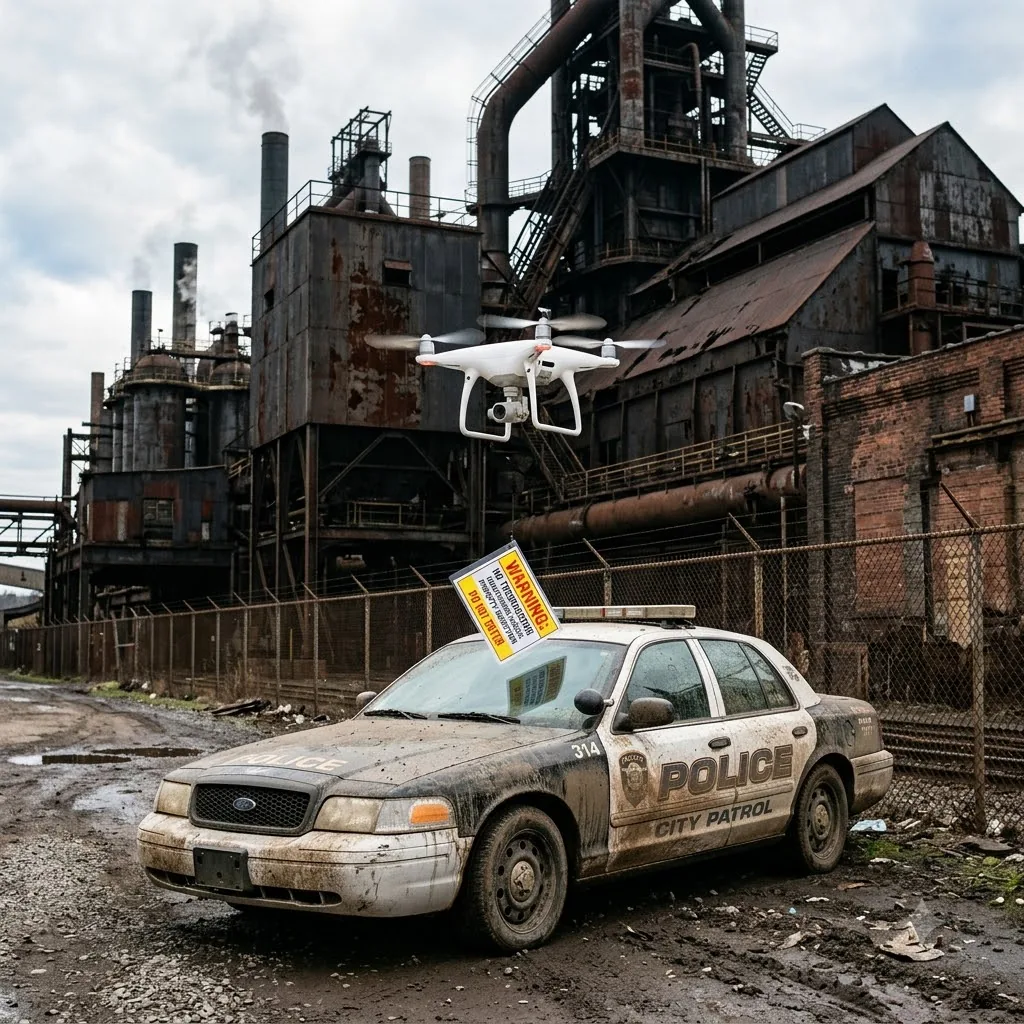
The sleek white quadcopter hovered exactly six feet above the lightbar of Marcus’s cruiser, its four electric rotors whining like a swarm of aggressive mechanical hornets. It stabilized in the crosswind, mechanical claws clicking open to release a heavy, laminated cardstock square. The citation clattered against the cruiser windshield and slid down to rest against the wipers before the drone banked sharply, zipping back over the treeline toward the gated estates. Marcus stepped out into the damp morning air and plucked the notice off the glass. It bore the embossed gold crest of the Whispering Pines Homeowners Association, thick and rigid enough to double as a weapon.
It was a formal blight citation, demanding the immediate deployment of county law enforcement to clear an “unauthorized structure” on the boundary line. The HOA board had purchased the entire eastern ridge, effectively buying the hometown Marcus had sworn to protect, and now they expected the sheriff’s department to act as their private landscaping crew. They wanted a mess cleaned up. They wanted it done quietly, before their afternoon tennis matches.
Marcus tossed the glossy demand onto the passenger seat and put the cruiser in drive. The coordinates pointed to the sharp edge of the new development, right where the manicured, emerald lawns abruptly surrendered to the contaminated soil of the old foundry. The wealthy newcomers loved the rustic, post-industrial aesthetic of the rusted steel mill stacks silhouetted against the sky, but they absolutely despised the reality of the people left behind in the shadow of that dead industry.
The drive took less than ten minutes. The transition was jarring, the roads shifting instantly from freshly paved, smooth asphalt lined with imported, uniform maple trees to broken, potholed concrete choked with invasive thistle. Marcus parked near the end of a cul-de-sac that had not yet seen construction. Beyond the curb, a massive brick retaining wall attempted to separate the million-dollar properties from the industrial wasteland below.
He bypassed the wall, stepping down onto the perimeter path. The ground here was a thick, sucking mud, deeply stained orange with iron oxide runoff from fifty years of manufacturing. Each step required effort, his heavy duty boots sinking an inch into the muck with a wet, squelching sound. The wind blowing off the nearby river carried a harsh mix of wet ash, decaying leaves, and the cloying scent of pine mulch spilling over from the pristine yards above.
According to the drone’s precise GPS coordinates, the offending blight was sixty yards ahead. Marcus navigated the steep incline, pushing his way through a dense thicket of dead, thorny brambles. He unclasped the leather retention strap on his duty holster out of pure, ingrained habit, keeping his eyes on the broken terrain.
The unauthorized structure was not a cheap nylon camping tent left behind by trespassing teenagers. It was a rugged, makeshift tarp shelter, stretched aggressively tight between the rusted, monolithic base of an abandoned loading crane and the trunk of a dying oak tree. The heavy canvas material had been painted with a thick, waterproof industrial sealant, layered in erratic but deliberate strokes of slate gray and dull olive green. It blended perfectly with the surrounding decay, acting as a survivalist’s camouflage against the encroaching, brightly colored suburban world above.
Marcus moved closer, his boots making wet, heavy sounds in the clay. The air grew still, insulated by the heavy canopy of bare branches and towering metal scraps. He intended to call out, to announce himself formally as county law enforcement and deliver the eviction order required by the laminated card in his pocket. The authoritative words died completely in his throat.
He stopped less than ten feet from the entrance, his gaze locked on the way the tarp was secured to the rusted steel beams. The rope was not standard paracord or cheap twine. It was heavy braided wire, knotted in a highly specific, complex figure-eight locking hitch. The frayed ends were meticulously fused with a blowtorch, leaving distinct black scorch marks on the cold metal. There were three solid red tally marks painted directly beneath the main anchor point, rendered in thick, weather-resistant industrial rust primer.
Marcus knew that knot. He knew the obsessive, paranoid way those three lines were spaced exactly an inch apart, meant to measure the tension of the wire. A freezing, leaden weight settled at the base of his neck, radiating down his spine. The air in his lungs felt suddenly thin and useless, the whining hum of the distant highway traffic fading entirely into a dull, rushing roar in his ears. The man who tied those specific knots was supposed to be gone, shattered by a tragic mistake ten years ago and locked away in a state facility so deep they fed him sunlight through a tube.
He stepped up to the edge of the shelter, his pulse hammering a violent rhythm against his ribs. The silence inside was heavy, thick with the undeniable smell of wet wool, stale tobacco, and kerosene. Marcus reached out, his leather-gloved hand trembling slightly as it closed around the damp, painted canvas of the tent flap. He pulled it back.
The sleek white quadcopter hovered exactly six feet above the lightbar of Marcus’s cruiser, its four electric rotors whining like a swarm of aggressive mechanical hornets. It stabilized in the crosswind, mechanical claws clicking open to release a heavy, laminated cardstock square. The citation clattered against the cruiser windshield and slid down to rest against the wipers before the drone banked sharply, zipping back over the treeline toward the gated estates. Marcus stepped out into the damp morning air and plucked the notice off the glass. It bore the embossed gold crest of the Whispering Pines Homeowners Association, thick and rigid enough to double as a weapon.
It was a formal blight citation, demanding the immediate deployment of county law enforcement to clear an “unauthorized structure” on the boundary line. The HOA board had purchased the entire eastern ridge, effectively buying the hometown Marcus had sworn to protect, and now they expected the sheriff’s department to act as their private landscaping crew. They wanted a mess cleaned up. They wanted it done quietly, before their afternoon tennis matches.
Marcus tossed the glossy demand onto the passenger seat and put the cruiser in drive. The coordinates pointed to the sharp edge of the new development, right where the manicured, emerald lawns abruptly surrendered to the contaminated soil of the old foundry. The wealthy newcomers loved the rustic, post-industrial aesthetic of the rusted steel mill stacks silhouetted against the sky, but they absolutely despised the reality of the people left behind in the shadow of that dead industry.
The drive took less than ten minutes. The transition was jarring, the roads shifting instantly from freshly paved, smooth asphalt lined with imported, uniform maple trees to broken, potholed concrete choked with invasive thistle. Marcus parked near the end of a cul-de-sac that had not yet seen construction. Beyond the curb, a massive brick retaining wall attempted to separate the million-dollar properties from the industrial wasteland below.
He bypassed the wall, stepping down onto the perimeter path. The ground here was a thick, sucking mud, deeply stained orange with iron oxide runoff from fifty years of manufacturing. Each step required effort, his heavy duty boots sinking an inch into the muck with a wet, squelching sound. The wind blowing off the nearby river carried a harsh mix of wet ash, decaying leaves, and the cloying scent of pine mulch spilling over from the pristine yards above.
According to the drone’s precise GPS coordinates, the offending blight was sixty yards ahead. Marcus navigated the steep incline, pushing his way through a dense thicket of dead, thorny brambles. He unclasped the leather retention strap on his duty holster out of pure, ingrained habit, keeping his eyes on the broken terrain.
The unauthorized structure was not a cheap nylon camping tent left behind by trespassing teenagers. It was a rugged, makeshift tarp shelter, stretched aggressively tight between the rusted, monolithic base of an abandoned loading crane and the trunk of a dying oak tree. The heavy canvas material had been painted with a thick, waterproof industrial sealant, layered in erratic but deliberate strokes of slate gray and dull olive green. It blended perfectly with the surrounding decay, acting as a survivalist’s camouflage against the encroaching, brightly colored suburban world above.
Marcus moved closer, his boots making wet, heavy sounds in the clay. The air grew still, insulated by the heavy canopy of bare branches and towering metal scraps. He intended to call out, to announce himself formally as county law enforcement and deliver the eviction order required by the laminated card in his pocket. The authoritative words died completely in his throat.
He stopped less than ten feet from the entrance, his gaze locked on the way the tarp was secured to the rusted steel beams. The rope was not standard paracord or cheap twine. It was heavy braided wire, knotted in a highly specific, complex figure-eight locking hitch. The frayed ends were meticulously fused with a blowtorch, leaving distinct black scorch marks on the cold metal. There were three solid red tally marks painted directly beneath the main anchor point, rendered in thick, weather-resistant industrial rust primer.
Marcus knew that knot. He knew the obsessive, paranoid way those three lines were spaced exactly an inch apart, meant to measure the tension of the wire. A freezing, leaden weight settled at the base of his neck, radiating down his spine. The air in his lungs felt suddenly thin and useless, the whining hum of the distant highway traffic fading entirely into a dull, rushing roar in his ears. The man who tied those specific knots was supposed to be gone, shattered by a tragic mistake ten years ago and locked away in a state facility so deep they fed him sunlight through a tube.
He stepped up to the edge of the shelter, his pulse hammering a violent rhythm against his ribs. The silence inside was heavy, thick with the undeniable smell of wet wool, stale tobacco, and kerosene. Marcus reached out, his leather-gloved hand trembling slightly as it closed around the damp, painted canvas of the tent flap. He pulled it back.