Story code: ST-001549
Part 1: The Loaded Gun
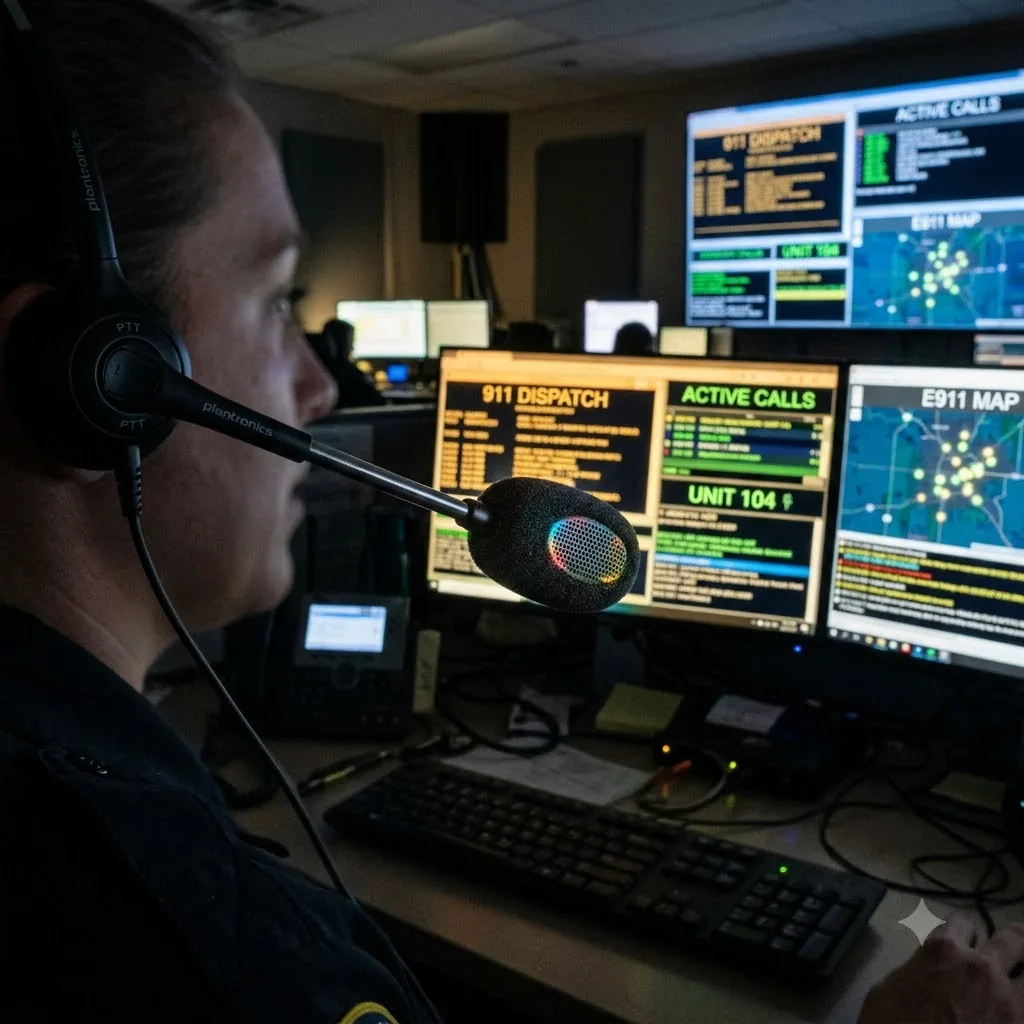
The digital clock on Maya’s monitor flipped to hour twelve of her shift, glowing a sterile blue in the dim dispatch center. Her headset chimed before her finger even left the mouse. She accepted the line, reciting her standard greeting through a throat dried out by hundreds of earlier emergencies.
The response was a sharp, jagged intake of breath. The woman on the line sounded as though she were suffocating on her own panic.
“He is threatening my life,” the caller gasped out, her pitch vibrating with distress. “There is a man threatening my life.”
Maya’s hands hovered over her mechanical keyboard. She typed the location the woman provided into the system, locking in the coordinates for a wooded area of the city park. The caller kept up the staccato breathing, each exhalation a ragged, theatrical plea for immediate police presence. Maya switched her screen to the priority dispatch matrix. She needed details, weapons, injuries, proximity.
Then, the audio shifted.
Underneath the hyperventilation, Maya heard the distinct, metallic jingle of a dog collar shaking. The heavy breathing paused.
“Toby, I said leave it,” the caller muttered.
The voice was completely transformed. The breathy, frantic vibrato vanished. It was a sharp, flat, annoyed reprimand directed at an animal. The tone was perfectly controlled, lacking even a tremor of adrenaline. A second later, the frantic gasping resumed, louder and more desperate than before.
Maya froze. Her fingers stopped halfway through typing the suspect description. She pressed the headset tighter against her ear, amplifying the feed. The background audio was too clean. There was no running, no scuffling, no secondary voice shouting threats. There was only the rustle of leaves, the jingling dog tags, and the caller performing a panic attack.
“Please send the cops immediately,” the woman cried out, her voice pitching back up into the frantic, breathless register. “I am recording this and he is telling me not to.”
Maya stared at the blinking cursor in the command line. Her pulse thudded in her ears, heavy and cold. She recognized the cadence of true terror. She heard it every night. It was messy, incoherent, and primal. It did not pause to correct a dog with perfect enunciation.
This was a performance.
More than a performance, it was a tactical maneuver. Maya felt a sudden, sickening weight in her chest. The caller was not fleeing a threat. The caller was manufacturing one, wrapping it in the buzzwords of imminent danger to guarantee a maximum-force response. Maya looked at the priority level automatically assigned by her system based on the keywords. Priority One. Lights and sirens. Multiple units.
She was being used. The woman on the line was pointing a loaded weapon at a stranger in the park, and Maya was the mechanism built to pull the trigger.
Maya keyed her microphone, keeping her tone strictly neutral. She instructed the caller to step away from the man, attempting to de-escalate the situation and gather a concrete description of any actual aggressive behavior.
The caller ignored the prompt.
“I am going to tell them you are threatening my life,” the woman said, her voice projecting away from the phone’s receiver, aimed clearly at her target. Then, right back into the microphone, she screamed for help.
Maya’s eyes darted to the protocol sheet taped to the edge of her monitor. The rules were absolute. A dispatcher could not override a direct, vocalized claim of a life-threatening emergency based on an auditory suspicion. A dispatcher could not cancel a Priority One response because a caller’s vocal cords slipped into a resting pitch for two seconds. The system relied on liability management. If Maya delayed the dispatch and a tragedy occurred, the fault rested entirely on her shoulders.
The console screen blinked red, demanding a resolution. The patrol units in the sector were showing idle, waiting for the digital tone to drop.
The caller’s fake sobs continued to fill Maya’s headset. The sound was corrosive. Maya saw the entire sequence playing out in her mind. The cruisers tearing across the asphalt, the officers arriving with adrenaline spiking, hands on their holsters, expecting a violent aggressor based entirely on the frantic notes in the system. All triggered by a woman annoyed that someone had likely asked her to leash her dog.
Maya’s hands shook. She felt complicit in a potentially lethal setup. The urge to clear the call, to flag it as a hoax and hang up, burned in her throat. She looked around the cavernous dispatch room, at the rows of other operators locked into their own screens. None of them knew what was happening on channel four.
The system beeped again, a harsh reminder of the ticking seconds. Protocol was a steel cage. It did not allow for Maya’s intuition or her moral revulsion. The law required her to believe the spoken word over the obvious truth.
She took a slow, steadying breath. She selected the nearest available units. Her hand descended on the dispatch key, pressing it down with a heavy, irreversible click.
The digital clock on Maya’s monitor flipped to hour twelve of her shift, glowing a sterile blue in the dim dispatch center. Her headset chimed before her finger even left the mouse. She accepted the line, reciting her standard greeting through a throat dried out by hundreds of earlier emergencies.
The response was a sharp, jagged intake of breath. The woman on the line sounded as though she were suffocating on her own panic.
“He is threatening my life,” the caller gasped out, her pitch vibrating with distress. “There is a man threatening my life.”
Maya’s hands hovered over her mechanical keyboard. She typed the location the woman provided into the system, locking in the coordinates for a wooded area of the city park. The caller kept up the staccato breathing, each exhalation a ragged, theatrical plea for immediate police presence. Maya switched her screen to the priority dispatch matrix. She needed details, weapons, injuries, proximity.
Then, the audio shifted.
Underneath the hyperventilation, Maya heard the distinct, metallic jingle of a dog collar shaking. The heavy breathing paused.
“Toby, I said leave it,” the caller muttered.
The voice was completely transformed. The breathy, frantic vibrato vanished. It was a sharp, flat, annoyed reprimand directed at an animal. The tone was perfectly controlled, lacking even a tremor of adrenaline. A second later, the frantic gasping resumed, louder and more desperate than before.
Maya froze. Her fingers stopped halfway through typing the suspect description. She pressed the headset tighter against her ear, amplifying the feed. The background audio was too clean. There was no running, no scuffling, no secondary voice shouting threats. There was only the rustle of leaves, the jingling dog tags, and the caller performing a panic attack.
“Please send the cops immediately,” the woman cried out, her voice pitching back up into the frantic, breathless register. “I am recording this and he is telling me not to.”
Maya stared at the blinking cursor in the command line. Her pulse thudded in her ears, heavy and cold. She recognized the cadence of true terror. She heard it every night. It was messy, incoherent, and primal. It did not pause to correct a dog with perfect enunciation.
This was a performance.
More than a performance, it was a tactical maneuver. Maya felt a sudden, sickening weight in her chest. The caller was not fleeing a threat. The caller was manufacturing one, wrapping it in the buzzwords of imminent danger to guarantee a maximum-force response. Maya looked at the priority level automatically assigned by her system based on the keywords. Priority One. Lights and sirens. Multiple units.
She was being used. The woman on the line was pointing a loaded weapon at a stranger in the park, and Maya was the mechanism built to pull the trigger.
Maya keyed her microphone, keeping her tone strictly neutral. She instructed the caller to step away from the man, attempting to de-escalate the situation and gather a concrete description of any actual aggressive behavior.
The caller ignored the prompt.
“I am going to tell them you are threatening my life,” the woman said, her voice projecting away from the phone’s receiver, aimed clearly at her target. Then, right back into the microphone, she screamed for help.
Maya’s eyes darted to the protocol sheet taped to the edge of her monitor. The rules were absolute. A dispatcher could not override a direct, vocalized claim of a life-threatening emergency based on an auditory suspicion. A dispatcher could not cancel a Priority One response because a caller’s vocal cords slipped into a resting pitch for two seconds. The system relied on liability management. If Maya delayed the dispatch and a tragedy occurred, the fault rested entirely on her shoulders.
The console screen blinked red, demanding a resolution. The patrol units in the sector were showing idle, waiting for the digital tone to drop.
The caller’s fake sobs continued to fill Maya’s headset. The sound was corrosive. Maya saw the entire sequence playing out in her mind. The cruisers tearing across the asphalt, the officers arriving with adrenaline spiking, hands on their holsters, expecting a violent aggressor based entirely on the frantic notes in the system. All triggered by a woman annoyed that someone had likely asked her to leash her dog.
Maya’s hands shook. She felt complicit in a potentially lethal setup. The urge to clear the call, to flag it as a hoax and hang up, burned in her throat. She looked around the cavernous dispatch room, at the rows of other operators locked into their own screens. None of them knew what was happening on channel four.
The system beeped again, a harsh reminder of the ticking seconds. Protocol was a steel cage. It did not allow for Maya’s intuition or her moral revulsion. The law required her to believe the spoken word over the obvious truth.
She took a slow, steadying breath. She selected the nearest available units. Her hand descended on the dispatch key, pressing it down with a heavy, irreversible click.