Story code: ST-000174
Part 1: The False Beacon
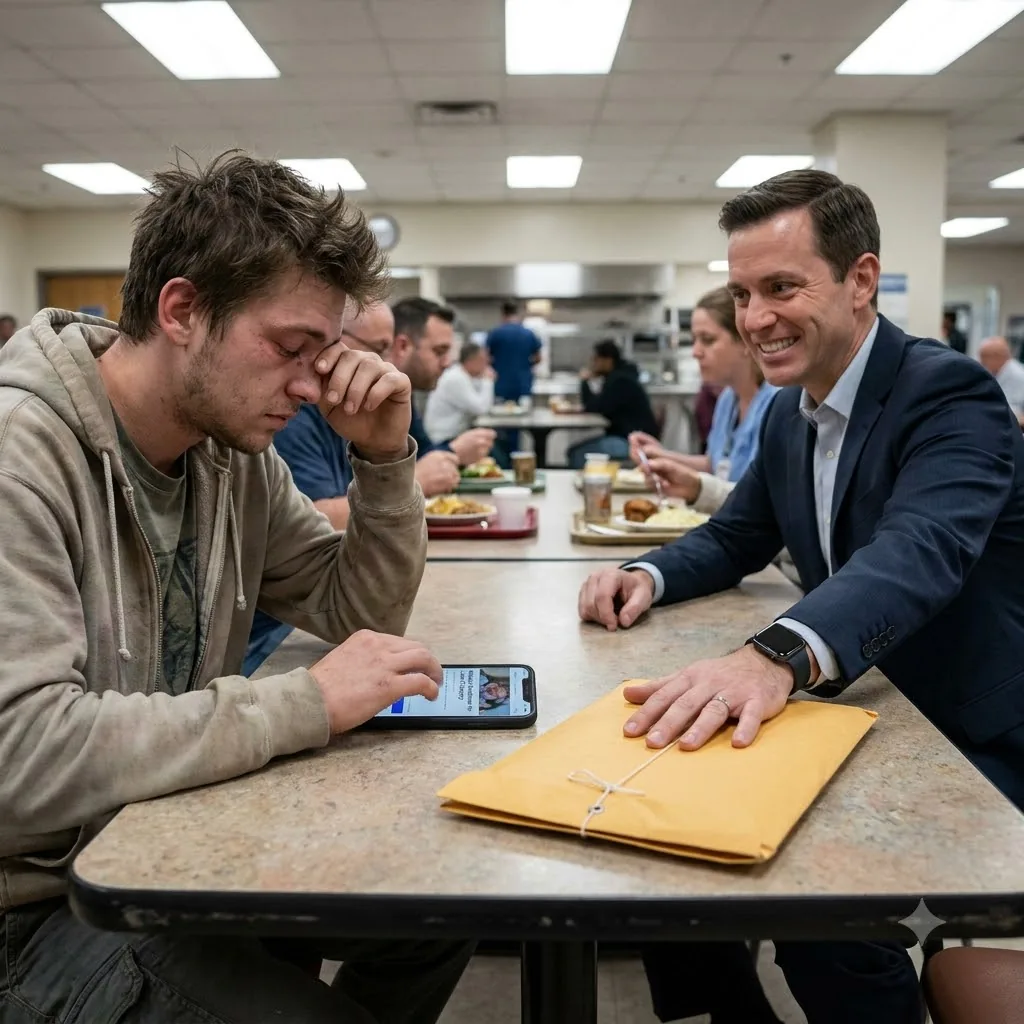
Mateo dragged his thumb down the cracked glass of his smartphone screen. The little grey loading circle spun for two agonizing seconds before vanishing, leaving the exact same number glowing back at him. Four thousand three hundred dollars. The green progress bar barely covered a tenth of the distance to the goal. He locked the phone and let his head drop into his hands, pressing the heels of his palms into his exhausted eyes. The fluorescent lights of the hospital cafeteria buzzed with a relentless, insect-like hum, reflecting off the sticky faux-wood laminate of his table. The smell of industrial floor cleaner mingled with the bitter scent of scorched coffee from the self-serve urns across the room. Upstairs, in room 412, his Aunt Teresa was hooked to a web of clear tubing, her time running out just as surely as his battery life.
He picked up the phone again, waking the screen just to stare at the stagnant campaign page. He needed the number to jump. He needed a miracle.
The sharp, rhythmic click of leather dress shoes on linoleum broke through the ambient drone of the cafeteria. Mateo looked up. A man was weaving through the sea of plastic chairs and exhausted, slumped families. He wore a tailored charcoal suit that looked vastly out of place among the scrubs and sweatpants. His silver tie caught the harsh overhead lighting. He scanned the room, his eyes locking onto Mateo.
This was the corporate liaison. The email Mateo had received last night promised a brief meeting to discuss a sponsorship opportunity regarding Teresa’s medical campaign. It was the beacon of hope Mateo had been praying for. A single corporate donation could close the gap entirely, paying for the off-label pharmaceuticals Teresa needed to survive.
The man pulled out the plastic chair across from Mateo and sat down, carefully avoiding the damp ring left by a previous occupant’s soda cup.
“Mateo,” the man said. His voice was smooth, carrying the practiced resonance of a seasoned salesman. “I am Trent. We corresponded last night.”
Trent did not offer his hand. He simply rested his manicured fingers on the edge of the table. Mateo nodded, sitting up straighter, trying to project a sense of gratitude and professionalism. He told Trent he appreciated him coming all this way to the hospital.
Trent offered a sympathetic smile that involved only the muscles around his mouth, leaving his eyes completely still. He explained that his pharmaceutical firm monitored local social media for mentions of their proprietary treatments. Mateo had explicitly named the medication in his GoFundMe description, detailing the exorbitant out-of-pocket costs after Teresa’s insurance denial. Trent told Mateo his superiors were moved by the story.
Mateo felt a knot of anxiety loosen in his chest. A corporate match would save her. He readied himself to thank Trent, to offer to post a public update praising the company’s generosity.
Trent reached into the inner breast pocket of his blazer. Mateo watched the movement, his heart hammering against his ribs. He pictured a folded check, a signed authorization form, a letter of guarantee for the hospital billing department.
Instead, Trent withdrew a thick manila envelope. He placed his palm flat against the paper and pushed it slowly across the table. The heavy envelope hissed against the laminate, coming to a halt directly in front of Mateo.
“Go ahead and take a look,” Trent said, leaning back in his chair.
Mateo swallowed hard. He peeled back the metal clasp and lifted the flap. The stack of papers inside felt entirely too thick to be a simple donation form. He slid the documents out and stared at the top sheet.
It was a high-resolution photocopy. The seal of the Department of Homeland Security sat at the top left corner. Beneath it was a copy of Aunt Teresa’s visa, clearly marked with an expiration date from three years ago. Mateo felt the blood drain from his face. His hands began to tremble as he moved the first page aside.
The second page held a grid of candid photographs. Teresa walking out of the bakery where she worked under the table. Teresa unlocking the driver’s side door of her rusted sedan. Teresa standing on the sidewalk outside this exact hospital, wearing her thick winter coat. Red digital timestamps glowed in the corner of each image.
Mateo stared at the quiet, bureaucratic violence resting in his hands. The air in the cafeteria suddenly felt suffocatingly thin.
Trent steepled his fingers, his voice dropping to a low, conversational volume. He explained that the corporate narrative team found the GoFundMe page highly problematic. The viral traction of the fundraiser painted their pricing model in a negative light, generating unwanted local outrage. The company could not afford that kind of public relations liability.
Trent told Mateo that his firm employed a rigorous risk management division. They had looked into Teresa’s background to assess the situation. Now, they were offering a simple transaction.
“You will take the page down,” Trent instructed, his tone entirely devoid of emotion. “You will delete the campaign, erase all social media posts mentioning our therapeutic line, and issue no further statements. If the fundraiser vanishes by noon, these documents vanish with it.”
Mateo looked down at the pictures of his aunt, then at his phone, where the green progress bar still glowed.
Mateo dragged his thumb down the cracked glass of his smartphone screen. The little grey loading circle spun for two agonizing seconds before vanishing, leaving the exact same number glowing back at him. Four thousand three hundred dollars. The green progress bar barely covered a tenth of the distance to the goal. He locked the phone and let his head drop into his hands, pressing the heels of his palms into his exhausted eyes. The fluorescent lights of the hospital cafeteria buzzed with a relentless, insect-like hum, reflecting off the sticky faux-wood laminate of his table. The smell of industrial floor cleaner mingled with the bitter scent of scorched coffee from the self-serve urns across the room. Upstairs, in room 412, his Aunt Teresa was hooked to a web of clear tubing, her time running out just as surely as his battery life.
He picked up the phone again, waking the screen just to stare at the stagnant campaign page. He needed the number to jump. He needed a miracle.
The sharp, rhythmic click of leather dress shoes on linoleum broke through the ambient drone of the cafeteria. Mateo looked up. A man was weaving through the sea of plastic chairs and exhausted, slumped families. He wore a tailored charcoal suit that looked vastly out of place among the scrubs and sweatpants. His silver tie caught the harsh overhead lighting. He scanned the room, his eyes locking onto Mateo.
This was the corporate liaison. The email Mateo had received last night promised a brief meeting to discuss a sponsorship opportunity regarding Teresa’s medical campaign. It was the beacon of hope Mateo had been praying for. A single corporate donation could close the gap entirely, paying for the off-label pharmaceuticals Teresa needed to survive.
The man pulled out the plastic chair across from Mateo and sat down, carefully avoiding the damp ring left by a previous occupant’s soda cup.
“Mateo,” the man said. His voice was smooth, carrying the practiced resonance of a seasoned salesman. “I am Trent. We corresponded last night.”
Trent did not offer his hand. He simply rested his manicured fingers on the edge of the table. Mateo nodded, sitting up straighter, trying to project a sense of gratitude and professionalism. He told Trent he appreciated him coming all this way to the hospital.
Trent offered a sympathetic smile that involved only the muscles around his mouth, leaving his eyes completely still. He explained that his pharmaceutical firm monitored local social media for mentions of their proprietary treatments. Mateo had explicitly named the medication in his GoFundMe description, detailing the exorbitant out-of-pocket costs after Teresa’s insurance denial. Trent told Mateo his superiors were moved by the story.
Mateo felt a knot of anxiety loosen in his chest. A corporate match would save her. He readied himself to thank Trent, to offer to post a public update praising the company’s generosity.
Trent reached into the inner breast pocket of his blazer. Mateo watched the movement, his heart hammering against his ribs. He pictured a folded check, a signed authorization form, a letter of guarantee for the hospital billing department.
Instead, Trent withdrew a thick manila envelope. He placed his palm flat against the paper and pushed it slowly across the table. The heavy envelope hissed against the laminate, coming to a halt directly in front of Mateo.
“Go ahead and take a look,” Trent said, leaning back in his chair.
Mateo swallowed hard. He peeled back the metal clasp and lifted the flap. The stack of papers inside felt entirely too thick to be a simple donation form. He slid the documents out and stared at the top sheet.
It was a high-resolution photocopy. The seal of the Department of Homeland Security sat at the top left corner. Beneath it was a copy of Aunt Teresa’s visa, clearly marked with an expiration date from three years ago. Mateo felt the blood drain from his face. His hands began to tremble as he moved the first page aside.
The second page held a grid of candid photographs. Teresa walking out of the bakery where she worked under the table. Teresa unlocking the driver’s side door of her rusted sedan. Teresa standing on the sidewalk outside this exact hospital, wearing her thick winter coat. Red digital timestamps glowed in the corner of each image.
Mateo stared at the quiet, bureaucratic violence resting in his hands. The air in the cafeteria suddenly felt suffocatingly thin.
Trent steepled his fingers, his voice dropping to a low, conversational volume. He explained that the corporate narrative team found the GoFundMe page highly problematic. The viral traction of the fundraiser painted their pricing model in a negative light, generating unwanted local outrage. The company could not afford that kind of public relations liability.
Trent told Mateo that his firm employed a rigorous risk management division. They had looked into Teresa’s background to assess the situation. Now, they were offering a simple transaction.
“You will take the page down,” Trent instructed, his tone entirely devoid of emotion. “You will delete the campaign, erase all social media posts mentioning our therapeutic line, and issue no further statements. If the fundraiser vanishes by noon, these documents vanish with it.”
Mateo looked down at the pictures of his aunt, then at his phone, where the green progress bar still glowed.