Story code: ST-001017
Part 1: The Micro-Climate
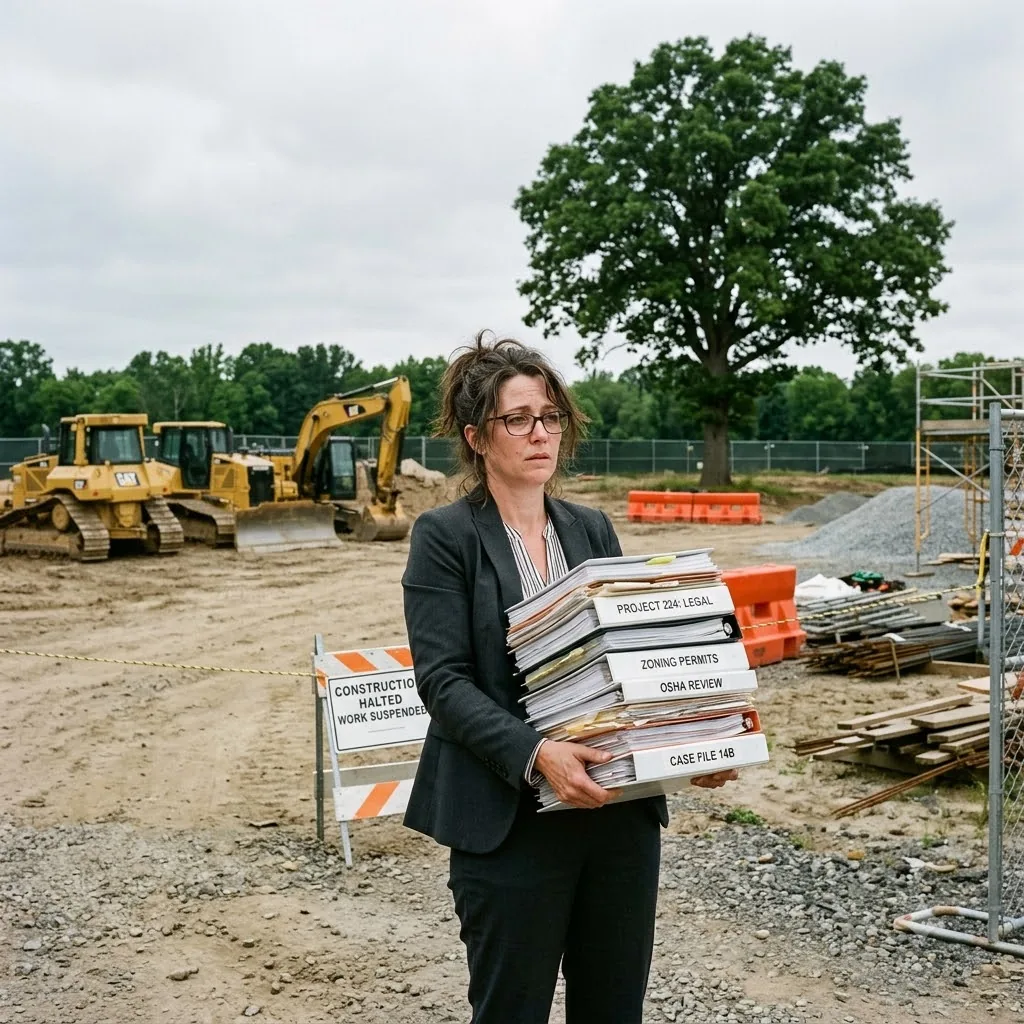
The diesel engine of the primary excavator cut off with a heavy shudder, leaving an eerie, unnatural silence over the four-acre lot on Elm Street. Maya stood on the cracked sidewalk, her hands gripping the chain-link fence as she stared at the neon orange ‘EMERGENCY STOP WORK’ placard zip-tied to the mesh. The sign hung exactly ten feet from a single, gnarled oak tree standing defiantly in the center of the broken concrete. Two relentless years of zoning battles, brutal community board meetings, and razor-thin funding allocations for the district’s largest high-density affordable housing project had just been paralyzed by a laminated sheet of cardboard.
The construction foreman, a burly man in a high-visibility vest, walked over and kicked a chunk of asphalt. He told Maya his crew would wait one hour before he had to send them to another site, costing the city tens of thousands of dollars in delay penalties. Maya nodded, her jaw tight, unable to offer him anything more than a silent promise to fix the mess.
A car door slammed behind her. Leo, her chief of staff, sprinted across the street juggling his phone and a massive, black three-ring binder. He reached her side and dropped the three-hundred-page document onto the hood of Maya’s sedan. The metal groaned under the weight.
The cover page bore the official, embossed seal of the state environmental court. Maya opened the heavy cover, leafing through the first dozen pages. Someone had taken the time to highlight key phrases in bright yellow marker. The massive legal filing contained no mention of the seventy-five families waiting for placement in the proposed affordable units. It entirely ignored the toxic lead paint peeling off the adjacent abandoned warehouse they were scheduled to demolish. Instead, chapter after chapter focused obsessively on the lone oak tree.
Leo pointed to a heading on page forty. The injunction explicitly cited the imminent destruction of a historic canopy micro-climate. Maya read the paragraph twice, certain her eyes were playing tricks on her. The document claimed the tree provided a unique thermal regulation zone for a specific type of urban moss.
Maya rubbed her temples, feeling the sharp beginnings of a migraine. The housing crisis in their district was the central pillar of her entire council platform. The grand groundbreaking press conference was scheduled for noon today. Down the block, two local news vans had already parked near the barricades, their camera operators setting up tripods to frame the idle yellow machinery against the solitary tree. The political damage of a delayed, chaotic groundbreaking would be immediate and severe. Her opponents would use this as undeniable proof that she could not deliver on her flagship promise.
She flipped to the middle of the monstrous binder. Fifty continuous pages were dedicated to detailing the specific shade patterns the oak tree cast during the autumn solstice. Another forty pages contained dense soil analysis charts. It was a masterpiece of bad-faith obstruction, dressed flawlessly in the righteous language of progressive environmentalism. Someone with endless legal resources and an axe to grind had funded this ambush.
The sheer absurdity of the argument made Maya’s chest tighten. During the planning phase, they had compromised on the building height to preserve sightlines. They had agreed to install expensive green roofs. They had signed a binding pledge to plant twenty new, mature trees for every single one removed from the lot. None of those concessions mattered against an emergency court order of this magnitude.
She leaned heavily over the hood of the car, flipping past the endless appendices, topographical maps, and paid expert testimonies. She needed to know who was bankrolling this sudden, catastrophic roadblock. The plaintiff listed on the first page was the West Heights Preservation Trust, a shell organization that had not existed in any public registry forty-eight hours ago. A notoriously expensive downtown law firm had filed the paperwork at four in the morning. However, a judicial emergency injunction required a sworn, notarized affidavit from a local resident claiming direct, immediate personal harm.
Maya instructed Leo to call the city legal department and demand they start drafting a motion to vacate the order immediately. As Leo stepped away to make the call, Maya turned to the very last tab in the binder, searching for the final signature page. The paper was crisp, fresh from a high-end laser printer, devoid of the smudges that covered the rest of the site plans.
Her finger traced down the dense legalese, sliding past the boilerplate acknowledgments and the notary stamp. Her hand stopped at the blue ink scrawled aggressively across the bottom line. The elegant loops and sharp, precise angles of the signature were entirely unmistakable. Maya stared at the handwritten name, her breath catching in her throat as she recognized the signature of Eleanor Vance, the woman who had personally recruited her into politics and taught her every ruthless tactic she knew.
The diesel engine of the primary excavator cut off with a heavy shudder, leaving an eerie, unnatural silence over the four-acre lot on Elm Street. Maya stood on the cracked sidewalk, her hands gripping the chain-link fence as she stared at the neon orange ‘EMERGENCY STOP WORK’ placard zip-tied to the mesh. The sign hung exactly ten feet from a single, gnarled oak tree standing defiantly in the center of the broken concrete. Two relentless years of zoning battles, brutal community board meetings, and razor-thin funding allocations for the district’s largest high-density affordable housing project had just been paralyzed by a laminated sheet of cardboard.
The construction foreman, a burly man in a high-visibility vest, walked over and kicked a chunk of asphalt. He told Maya his crew would wait one hour before he had to send them to another site, costing the city tens of thousands of dollars in delay penalties. Maya nodded, her jaw tight, unable to offer him anything more than a silent promise to fix the mess.
A car door slammed behind her. Leo, her chief of staff, sprinted across the street juggling his phone and a massive, black three-ring binder. He reached her side and dropped the three-hundred-page document onto the hood of Maya’s sedan. The metal groaned under the weight.
The cover page bore the official, embossed seal of the state environmental court. Maya opened the heavy cover, leafing through the first dozen pages. Someone had taken the time to highlight key phrases in bright yellow marker. The massive legal filing contained no mention of the seventy-five families waiting for placement in the proposed affordable units. It entirely ignored the toxic lead paint peeling off the adjacent abandoned warehouse they were scheduled to demolish. Instead, chapter after chapter focused obsessively on the lone oak tree.
Leo pointed to a heading on page forty. The injunction explicitly cited the imminent destruction of a historic canopy micro-climate. Maya read the paragraph twice, certain her eyes were playing tricks on her. The document claimed the tree provided a unique thermal regulation zone for a specific type of urban moss.
Maya rubbed her temples, feeling the sharp beginnings of a migraine. The housing crisis in their district was the central pillar of her entire council platform. The grand groundbreaking press conference was scheduled for noon today. Down the block, two local news vans had already parked near the barricades, their camera operators setting up tripods to frame the idle yellow machinery against the solitary tree. The political damage of a delayed, chaotic groundbreaking would be immediate and severe. Her opponents would use this as undeniable proof that she could not deliver on her flagship promise.
She flipped to the middle of the monstrous binder. Fifty continuous pages were dedicated to detailing the specific shade patterns the oak tree cast during the autumn solstice. Another forty pages contained dense soil analysis charts. It was a masterpiece of bad-faith obstruction, dressed flawlessly in the righteous language of progressive environmentalism. Someone with endless legal resources and an axe to grind had funded this ambush.
The sheer absurdity of the argument made Maya’s chest tighten. During the planning phase, they had compromised on the building height to preserve sightlines. They had agreed to install expensive green roofs. They had signed a binding pledge to plant twenty new, mature trees for every single one removed from the lot. None of those concessions mattered against an emergency court order of this magnitude.
She leaned heavily over the hood of the car, flipping past the endless appendices, topographical maps, and paid expert testimonies. She needed to know who was bankrolling this sudden, catastrophic roadblock. The plaintiff listed on the first page was the West Heights Preservation Trust, a shell organization that had not existed in any public registry forty-eight hours ago. A notoriously expensive downtown law firm had filed the paperwork at four in the morning. However, a judicial emergency injunction required a sworn, notarized affidavit from a local resident claiming direct, immediate personal harm.
Maya instructed Leo to call the city legal department and demand they start drafting a motion to vacate the order immediately. As Leo stepped away to make the call, Maya turned to the very last tab in the binder, searching for the final signature page. The paper was crisp, fresh from a high-end laser printer, devoid of the smudges that covered the rest of the site plans.
Her finger traced down the dense legalese, sliding past the boilerplate acknowledgments and the notary stamp. Her hand stopped at the blue ink scrawled aggressively across the bottom line. The elegant loops and sharp, precise angles of the signature were entirely unmistakable. Maya stared at the handwritten name, her breath catching in her throat as she recognized the signature of Eleanor Vance, the woman who had personally recruited her into politics and taught her every ruthless tactic she knew.