Story code: ST-000848
Part 3: Trace Route
Ken stared at the blinking cursor, the hum of the ice machine vibrating through his shoes. It was 11:21 PM. Thirty-nine minutes until the automated purge scrubbed the deployment history. Downloading the repository over his mobile hotspot would instantly trigger the Data Loss Prevention system. Security would swarm the hallway, confiscate his laptop, and the evidence would vanish into ValiantCare’s legal black hole.
He couldn’t take the data out. So he had to bring the executive in.
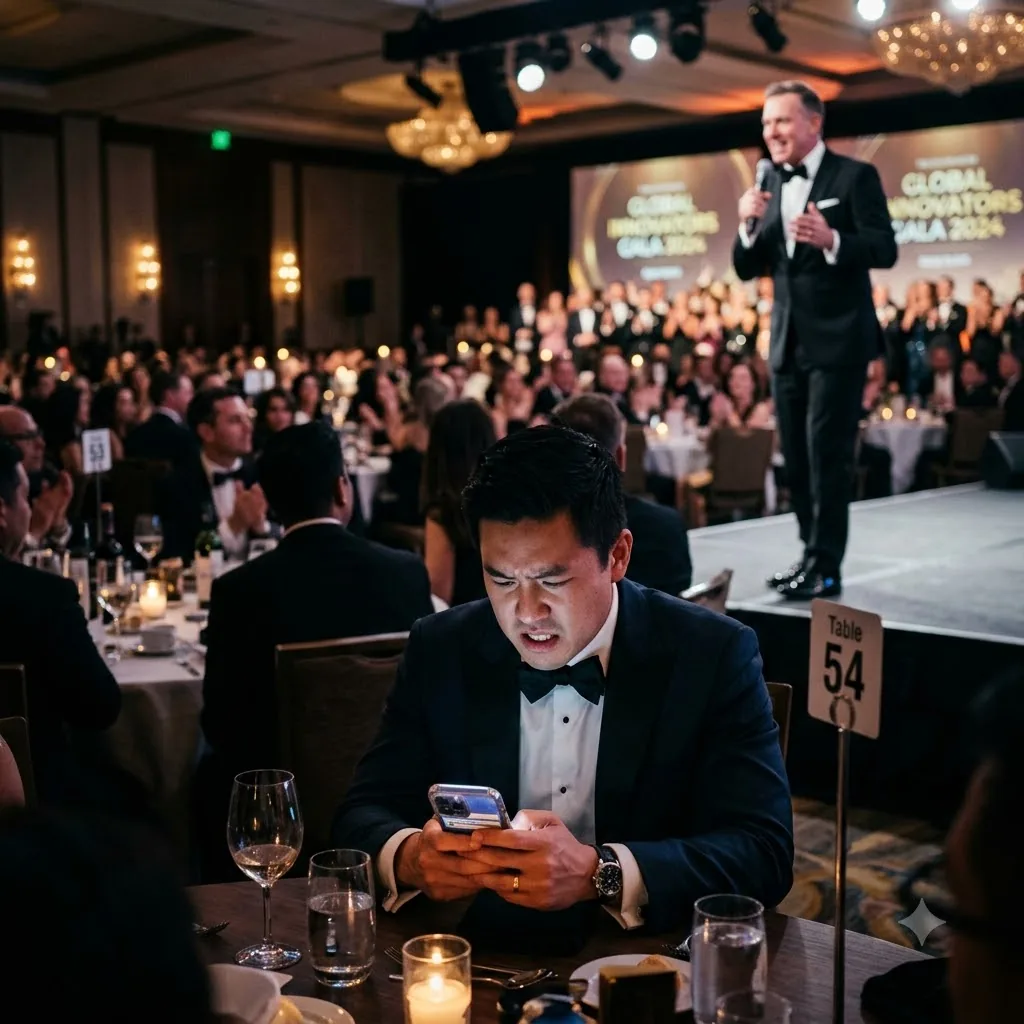
Ken pulled his phone from his pocket, opened his text thread with Chase, and typed rapidly. *Crit-sev error on production main. User portals are displaying raw hex codes and back-end logic. Need your admin token to mask the view before the press out there starts taking screenshots.*
He hit send. The trap was set. Chase wouldn’t care about a broken algorithm, but a public relations disaster in front of the board of directors would pull him away from his own coronation.
Ken didn’t clone the repository. Instead, he opened a secure shell session and initiated a live trace route on the production server logs. He set the terminal to tail the incoming traffic in real-time, filtering specifically for the routing engine’s final output states. He split the screen, opening the live corporate accounting API feed on the right.
Two minutes later, the heavy kitchen doors swung open.
Chase stepped into the dim service hallway, the artificial tear in his eye long gone, replaced by an irritated scowl. He was still clutching the heavy glass trophy in his left hand. The ambient noise of the gala leaked in for a second before the doors hushed shut, leaving them in the damp, garbage-scented corridor.
“This better be a joke, Ken,” Chase said, checking his gold wristwatch. “The CFO is literally waiting to hand you an envelope that will change your life. What the hell is a hex code doing on the front end?”
“There is no UI error,” Ken said, his voice flat. He didn’t look up from the terminal.
Chase stopped a few feet away, his expression hardening. “Excuse me?”
“I needed you out here.” Ken swiveled the laptop on the plastic milk crate so the screen faced Chase. “Look at the live logs.”
Chase let out a sharp, exasperated breath. “I’m not doing a code review in a hallway, Ken. Close the machine and get back to Table 41 before I decide you’re not a team player after all.”
“Look at the screen, Chase.”
The quiet authority in Ken’s voice made Chase pause. The project manager stepped closer, squinting at the glowing terminal in the dim light. Lines of white text were scrolling upward against the black background at a steady, rhythmic pace.
“These are the live server logs for the routing engine,” Ken said, his finger pointing at the left side of the screen. “Right now, across the country, hundreds of veterans are submitting crisis claims. Watch the event flags.”
Ken tapped the spacebar, freezing the log stream on a specific block of text.
“Here’s a claim that hit the server thirty seconds ago,” Ken said. “Combat veteran. High trauma markers. The medical parsing module assigns him a severity score of ninety-two out of a hundred. Based on the architecture I built, anything over an eighty triggers the trauma safety-net. It’s supposed to instantly authorize an external community care voucher.”
Chase adjusted his tuxedo jacket. “So? The AI is working. Congratulations.”
“It’s not working,” Ken said. He dragged his cursor down to the next line in the log. “Watch the next hop. Instead of routing to the safety-net module, the system diverts to a new dependency. `dynamic_threshold_optimizer.py`. A file I didn’t write.”
Chase’s jaw tightened. He didn’t say a word.
“The log shows the optimizer intercepting the severity score of ninety-two,” Ken continued, moving his cursor to the right side of the screen. “And then it pings the live corporate accounting API. It’s querying the Q3 processing budget. Look at the return value. The external care budget is currently sitting at a twelve percent deficit against projected quarterly margins.”
“It’s a resource allocation model,” Chase said, his voice dropping to an icy whisper. “It’s standard enterprise load balancing, Ken. We can’t maintain server uptime if we greenlight every single sob story that comes through the portal.”
“It’s not balancing server load,” Ken snapped. “It’s balancing the profit margin. The log is right here. Because the accounting API returned a budget deficit, the optimizer dynamically inflated the medical requirement for the trauma safety-net. It raised the baseline from eighty to ninety-nine.”
Ken tapped the screen, his fingernail clicking against the glass right over the final output string.
“Severity score ninety-two. New threshold ninety-nine,” Ken read aloud. “Event status: DENIED. The trauma safety-net module was bypassed entirely. The system just punted a suicidal veteran into the standard administrative queue to save the company a few hundred dollars in processing costs.”
“We are a private contractor, Ken,” Chase said, taking a step forward, his knuckles white around the base of his trophy. “We have fiduciary duties. The board made a strategic decision to optimize the payout ratio so we could scale the platform. If we go bankrupt, we can’t help anyone.”
“You didn’t optimize it,” Ken said, his hands trembling as he hovered over the keyboard. “You disabled the safety-net. And you hid it. The commit history shows this hotfix was pushed by your master admin account right as this dinner started. You locked me out of the main branch so I couldn’t revert it.”
Chase glanced over Ken’s shoulder, checking the hallway behind them. “You’re overreacting to a minor architectural adjustment.”
“A minor adjustment?” Ken hit the spacebar again, resuming the live stream, before typing a rapid filter command. The screen blurred, isolating a single IP address and returning a single log entry from twenty-five minutes ago.
“This is my brother’s user ID,” Ken said, his voice echoing off the damp concrete walls. “He has a Purple Heart and documented, severe PTSD. His profile was the mathematical baseline for the entire safety-net. He is the definition of at-risk.”
Ken highlighted the final string.
“Your optimizer rejected him,” Ken said, looking up from the screen, locking eyes with his manager. “You knowingly abandoned at-risk veterans to cut quarterly processing costs, and you scheduled a cron job to permanently wipe the deployment history at midnight to cover your tracks.”
Chase stared at the glowing log file. The ambient hum of the ice machine filled the silence. He didn’t offer a platitude about helping heroes. He didn’t repeat the speech he had just given on stage. The heavy glass award in his hand caught the pale blue light of the laptop, illuminating the cold, calculated realization on his face. He knew exactly what he was looking at, and he knew Ken had absolute proof of what he had done.