Story code: ST-001520
Part 2: The Fine Print
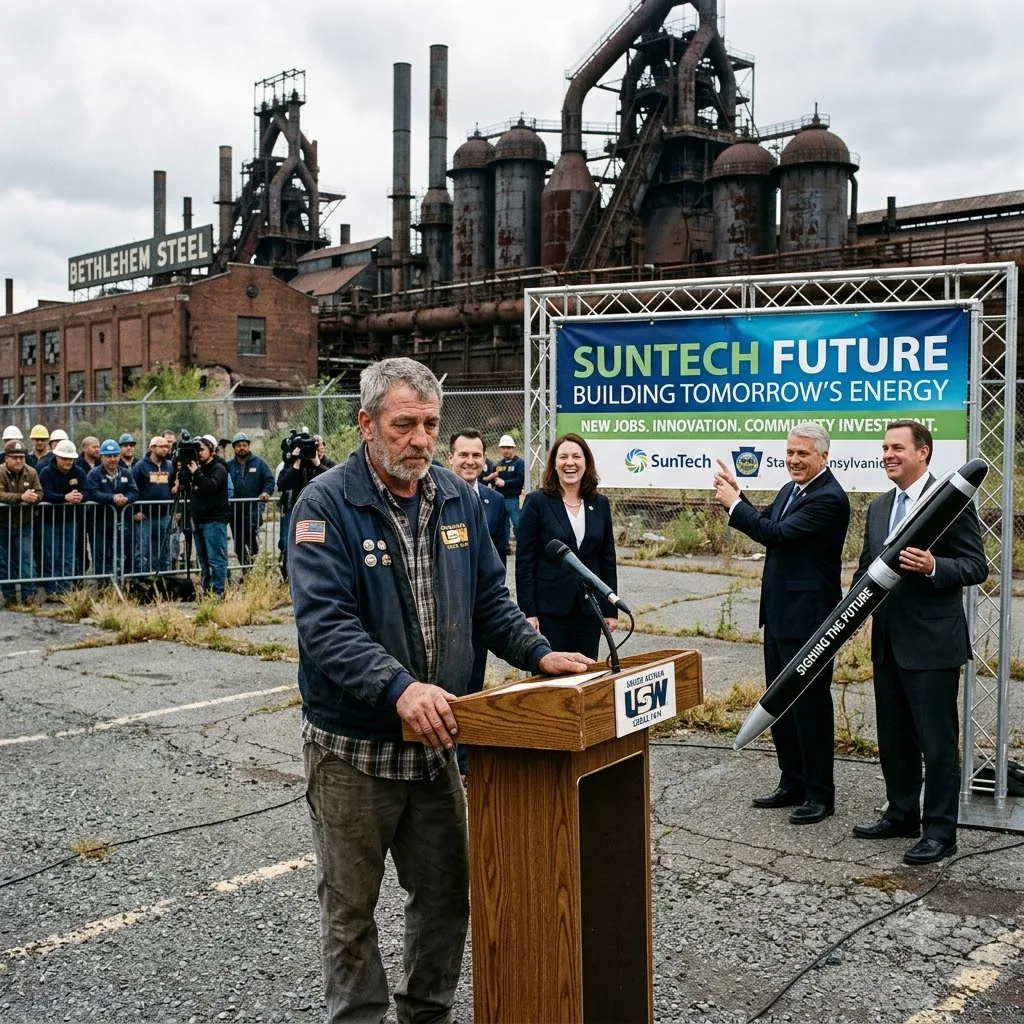
The sharp crack of the fracturing metal echoed across the abandoned parking lot, amplified to a deafening snap by the sensitive microphone on the podium. Shards of cheap silver plating and fractured plastic clattered against the glossy vinyl of the presentation board. A thick glob of dark blue ink burst from the ruptured cartridge, splattering across the pristine white space designated for Vince’s signature.
Vince stared at his right hand. The blue ink seeped into the deep calluses of his palm, staining the thick scars that mapped his knuckles. His grip remained locked in mid-air, the shattered remnants of the prop pen digging into his flesh. He did not feel the sharp edges. He only felt the suffocating heat of his wool suit and the frantic pounding of his own pulse against his eardrums.
For three agonizing seconds, no one moved. The constant, mechanical clicking of the camera shutters abruptly ceased. The low hum of the diesel generator swelled in the void, a heavy, vibrating drone that radiated up through the cracked asphalt and through the thick soles of Vince’s steel-toed boots. A bead of stinging sweat rolled into his left eye, blurring his vision of the glaring red recording lights on the broadcast cameras.
Mayor Hynes broke the paralysis. He stepped forward, letting out a loud, booming laugh that peaked the audio equipment and sent a harsh whine of feedback through the towering PA speakers.
“Looks like our boy still has that famous infantry grip!” Hynes shouted, slapping his heavy hand against the side of the podium. He leaned closer to the microphone, projecting an easy, practiced charm toward the bank of television lenses. “I told the supply boys not to buy that cheap Hollywood plastic for a real steelworker! Let’s get a sturdy pen up here for an American hero, folks.”
A ripple of tense, polite laughter moved through the front rows of invited guests and political staffers. But the men standing behind the police barricades did not laugh. Vince looked past the glaring television lights and the polished tripods. He saw the grim, sun-beaten faces of his former crew. These were men who had stood on picket lines in the freezing rain, men who had shared graveyard shifts and hazard pay. Now they were reduced to waiting on the other side of a metal fence.
He saw Tommy, his old shift supervisor, leaning heavily against the interlocking barricades. Tommy’s work boots were duct-taped at the seams, and his eyes were wide with a silent, desperate plea. Tommy needed this. They all needed this. The town had been suffocating for two years, and this highly publicized pilot program was the only lifeline the state had offered them. If Vince signed, the program was legitimate. If Vince signed, they could follow him.
Sarah stepped seamlessly into Vince’s line of sight, effectively blocking him from the cameras. Her back was to the press corps. To the viewers at home, it looked like a quick, helpful intervention by an attentive staffer. To Vince, it was an ambush.
She grabbed his wrist. Her grip was startlingly strong, her manicured acrylic nails digging sharply into his skin through the soaked cuff of his dress shirt. She produced a crumpled tissue from her blazer pocket and began violently scrubbing the wet ink from his palm.
“What are you doing?” she whispered, her voice a frantic, venomous hiss that barely carried over the drone of the generator. “You are on live television, Vince. Every local affiliate in the state is carrying this feed.”
Vince tried to pull his hand away, but she clamped down harder, her nails breaking the surface of his skin. “The ink,” he muttered, his voice gravelly and completely dry. “It’s a mess.”
“I do not care about the ink,” Sarah hissed, maintaining her bright, photogenic smile for the cameras peering over her shoulder. “I care about the optics. The governor’s office is watching this feed right now. You are the vanguard of this initiative. If you choke, the investors will pull out before the ink is dry on the municipal bonds. Do you understand me? The funding for this entire county dies right here if you do not sign that board.”
Vince looked down at the ruined ceremonial contract. The dark blue ink had pooled and streaked across the bold, optimistic lettering. His chest tightened painfully. He remembered the real documents hidden inside Sarah’s leather portfolio, currently resting on the lower shelf of the podium out of camera view. The actual enrollment contract.
He remembered the dense paragraphs he had read at three in the morning, tracing the legal jargon with his calloused finger under the flickering light of his kitchen bulb. The clauses buried deep on page fourteen. The waivers that demanded the enrollees legally surrender the very things they had fought for over the last decade in exchange for entry. The quiet stipulations that transformed this supposed federal grant into a financial bear trap if the men failed to meet impossible metrics.
It wasn’t a rescue. It was a snare. It was a bureaucratic mechanism designed to legally neutralize the town’s remaining leverage and permanently indebt the desperate.
Sarah tossed the ink-stained tissue into the shadows beneath the podium and pulled a sleek, heavy black metal ballpoint pen from her breast pocket. She slapped it hard into his open, stained palm.
“Trace over the spill if you have to,” Sarah commanded under her breath. She took a step to the side, instantly re-exposing him to the waiting lenses. “Smile at the red light on the center camera, put your head down, and sign your name. For your town. For your friends out there.”
Vince felt the cool, heavy metal of the black pen in his hand. The news crews hastily adjusted their framing, zooming in tight on his face and the podium. Mayor Hynes clapped him on the shoulder again, the heavy hand feeling like a physical restraint pinning him to the spot.
“Alright, Vince,” Hynes boomed into the microphone, his voice echoing off the rusted blast furnace behind them. “Let’s try this again. Make it official.”
Vince looked at Tommy at the barricades. Tommy gave a small, jerky nod, urging him forward, trusting him completely. The trust felt like a physical weight, infinitely heavier than the suffocating wool jacket, heavier than the dead, hollowed-out mill.
Vince turned his attention back to the podium. He did not look at the cameras. He did not look at the glossy vinyl banner waiting for his signature. He did not smile. Instead, his eyes dropped to the small, inconspicuous leather portfolio resting on the lower shelf. The real contract. The quiet, devastating surrender.
He raised the black pen. Sarah’s tense shoulders dropped a fraction of an inch in profound relief. The camera shutters resumed their frantic, overlapping clicking.
But Vince did not lower the pen to the oversized vinyl board. He reached down with his left hand, his ink-stained fingers wrapping firmly around the edge of the leather portfolio.