Story code: ST-001439
Part 1: The Bar Tab
The clinking of crystal champagne flutes abruptly ceased when the waiter placed the leather billfold beside Elias’s plate. He didn’t look at the exorbitant total of the celebratory dinner, just as he hadn’t looked at the actual text of the SEC settlement papers he had signed three hours earlier. He just slid his black card over the leather and stared at the ice melting in his water glass while the table erupted into a fresh round of laughter.
Marcus, the firm’s managing director, hoisted his glass high enough to catch the chandelier light. He was holding court in the private dining room of a midtown steakhouse, recounting how federal regulators had tried to corner them on an obscure compliance technicality. The resulting two hundred thousand dollar penalty was meant to be a warning shot from the Securities and Exchange Commission. Instead, Vanguard Horizon was treating it like a parking ticket incurred on the way to a bank heist.
Elias nodded along with the stories, his facial muscles tight and aching from holding a polite, vacant smile. The air in the room felt recycled and thin, heavy with the scent of truffle oil and expensive cologne. Just that afternoon, Elias had wired the two hundred thousand dollars to the government from his personal account, a gesture of extreme wealth to keep the firm’s name out of the primary filings. The partners had slapped him on the back, calling him a team player and a master of the universe. To Elias, the money meant nothing. It was a digital abstraction, a few keystrokes on a secure server. But sitting here, listening to the roar of unearned victory, a deep, suffocating detachment began to take root in his chest. He loosened his silk tie a fraction of an inch, the noise of his colleagues grating against his eardrums like static.
When Marcus signaled for a third bottle of Dom Pérignon, Elias pushed his chair back. He mumbled an excuse about an early morning conference call with their Tokyo office and moved toward the exit before anyone could insist he stay. He handed the maître d’ his coat check ticket and stepped out into the humid Manhattan night, waving off the line of waiting black cars. He just needed to walk. He needed to be away from the congratulatory back-slapping and the endless talk of optimized yields and strategic asset stripping.
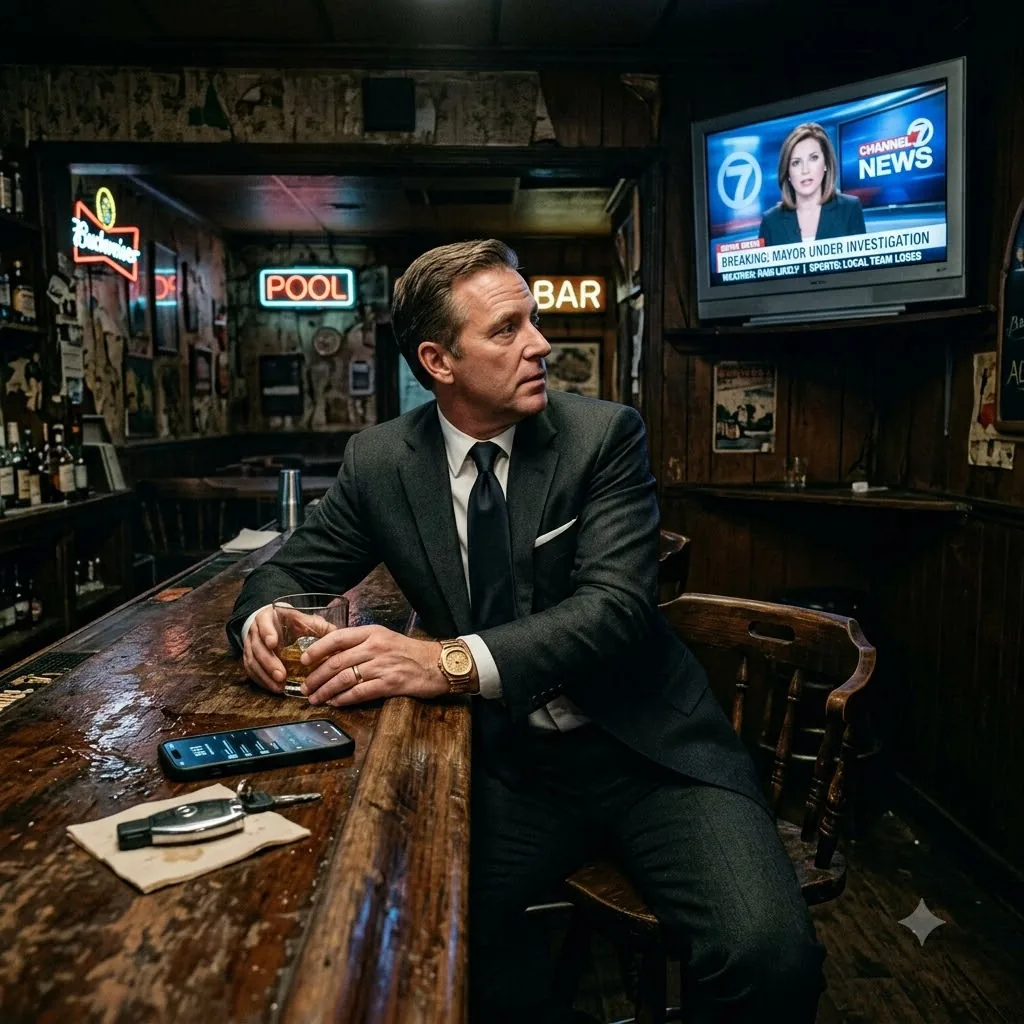
He walked south, his expensive leather shoes clicking rhythmically against the concrete. Block by block, the polished storefronts and doorman buildings gave way to neon signs and peeling brick facades. He walked until his feet ached and his collar was damp with sweat. Eventually, Elias ducked into a narrow, dimly lit tavern that smelled of stale beer and industrial cleaner. It was the kind of place where nobody wore a tailored suit. He took a stool at the far end of the sticky wooden bar, sliding his jacket off and draping it over the back. The bartender, a heavy-set man with a faded anchor tattoo, slid a glass of cheap bourbon in front of him without speaking.
Elias wrapped his hands around the heavy glass. He watched the condensation run down the sides, trying to empty his mind of balance sheets and liquidation protocols. He took a slow sip, welcoming the harsh burn in his throat. Above the rows of liquor bottles, a muted television played the late-night local news. Elias stared at the glowing screen, his gaze completely unfocused until a familiar logo flashed across the lower third of the display.
It was the rusted, chain-link gate of the Oakhaven Rail Yard.
Vanguard Horizon had acquired and subsequently shuttered that exact facility sixty days ago. Elias himself had written the algorithm that flagged Oakhaven as redundant. The broadcast cut from the rusty gates to a shaky cell phone video of police lights flashing against the side of a modest, vinyl-sided house in a neighborhood Elias had only ever seen as a data point on a geographic heatmap.
Elias leaned forward, his elbows resting in a puddle of spilled beer, straining to read the scrolling yellow text at the bottom of the screen. A dock worker, twenty-eight years old, had been arrested. The local reporter on screen stood holding a microphone, gesturing dramatically toward the back of a police cruiser. The caption detailed the charges in stark, block letters. The young man was facing a mandatory minimum of five years in a state penitentiary for stripping copper wire from the abandoned Oakhaven train cars. Further text crawled across the screen, explaining the man’s motive. He had been trying to pay his overdue mortgage after his pension and severance were instantly vaporized in the corporate liquidation.
The camera zoomed in on the worker sitting in the back of the squad car. The man’s face was pressed against the glass, his expression a mixture of profound exhaustion and absolute terror. It was a face that belonged to the numbers on Elias’s spreadsheet. It was the human cost of the champagne dinner.
Elias stood up so fast his stool scraped violently against the scuffed linoleum floor. The bartender turned around at the noise, a dirty rag pausing mid-wipe on the counter. Elias threw a hundred-dollar bill onto the sticky wood, his chest tightening as if a steel band were ratcheting around his ribs. He shoved his arms into his suit jacket and pushed through the heavy wooden door into the street, his phone already in his hand as he dialed a number he had sworn never to call again. The line clicked open, followed immediately by the sound of a sharp, familiar intake of breath on the other end.
The clinking of crystal champagne flutes abruptly ceased when the waiter placed the leather billfold beside Elias’s plate. He didn’t look at the exorbitant total of the celebratory dinner, just as he hadn’t looked at the actual text of the SEC settlement papers he had signed three hours earlier. He just slid his black card over the leather and stared at the ice melting in his water glass while the table erupted into a fresh round of laughter.
Marcus, the firm’s managing director, hoisted his glass high enough to catch the chandelier light. He was holding court in the private dining room of a midtown steakhouse, recounting how federal regulators had tried to corner them on an obscure compliance technicality. The resulting two hundred thousand dollar penalty was meant to be a warning shot from the Securities and Exchange Commission. Instead, Vanguard Horizon was treating it like a parking ticket incurred on the way to a bank heist.
Elias nodded along with the stories, his facial muscles tight and aching from holding a polite, vacant smile. The air in the room felt recycled and thin, heavy with the scent of truffle oil and expensive cologne. Just that afternoon, Elias had wired the two hundred thousand dollars to the government from his personal account, a gesture of extreme wealth to keep the firm’s name out of the primary filings. The partners had slapped him on the back, calling him a team player and a master of the universe. To Elias, the money meant nothing. It was a digital abstraction, a few keystrokes on a secure server. But sitting here, listening to the roar of unearned victory, a deep, suffocating detachment began to take root in his chest. He loosened his silk tie a fraction of an inch, the noise of his colleagues grating against his eardrums like static.
When Marcus signaled for a third bottle of Dom Pérignon, Elias pushed his chair back. He mumbled an excuse about an early morning conference call with their Tokyo office and moved toward the exit before anyone could insist he stay. He handed the maître d’ his coat check ticket and stepped out into the humid Manhattan night, waving off the line of waiting black cars. He just needed to walk. He needed to be away from the congratulatory back-slapping and the endless talk of optimized yields and strategic asset stripping.
He walked south, his expensive leather shoes clicking rhythmically against the concrete. Block by block, the polished storefronts and doorman buildings gave way to neon signs and peeling brick facades. He walked until his feet ached and his collar was damp with sweat. Eventually, Elias ducked into a narrow, dimly lit tavern that smelled of stale beer and industrial cleaner. It was the kind of place where nobody wore a tailored suit. He took a stool at the far end of the sticky wooden bar, sliding his jacket off and draping it over the back. The bartender, a heavy-set man with a faded anchor tattoo, slid a glass of cheap bourbon in front of him without speaking.
Elias wrapped his hands around the heavy glass. He watched the condensation run down the sides, trying to empty his mind of balance sheets and liquidation protocols. He took a slow sip, welcoming the harsh burn in his throat. Above the rows of liquor bottles, a muted television played the late-night local news. Elias stared at the glowing screen, his gaze completely unfocused until a familiar logo flashed across the lower third of the display.
It was the rusted, chain-link gate of the Oakhaven Rail Yard.
Vanguard Horizon had acquired and subsequently shuttered that exact facility sixty days ago. Elias himself had written the algorithm that flagged Oakhaven as redundant. The broadcast cut from the rusty gates to a shaky cell phone video of police lights flashing against the side of a modest, vinyl-sided house in a neighborhood Elias had only ever seen as a data point on a geographic heatmap.
Elias leaned forward, his elbows resting in a puddle of spilled beer, straining to read the scrolling yellow text at the bottom of the screen. A dock worker, twenty-eight years old, had been arrested. The local reporter on screen stood holding a microphone, gesturing dramatically toward the back of a police cruiser. The caption detailed the charges in stark, block letters. The young man was facing a mandatory minimum of five years in a state penitentiary for stripping copper wire from the abandoned Oakhaven train cars. Further text crawled across the screen, explaining the man’s motive. He had been trying to pay his overdue mortgage after his pension and severance were instantly vaporized in the corporate liquidation.
The camera zoomed in on the worker sitting in the back of the squad car. The man’s face was pressed against the glass, his expression a mixture of profound exhaustion and absolute terror. It was a face that belonged to the numbers on Elias’s spreadsheet. It was the human cost of the champagne dinner.
Elias stood up so fast his stool scraped violently against the scuffed linoleum floor. The bartender turned around at the noise, a dirty rag pausing mid-wipe on the counter. Elias threw a hundred-dollar bill onto the sticky wood, his chest tightening as if a steel band were ratcheting around his ribs. He shoved his arms into his suit jacket and pushed through the heavy wooden door into the street, his phone already in his hand as he dialed a number he had sworn never to call again. The line clicked open, followed immediately by the sound of a sharp, familiar intake of breath on the other end.