Story code: ST-001222
Part 1: The Safety Alert
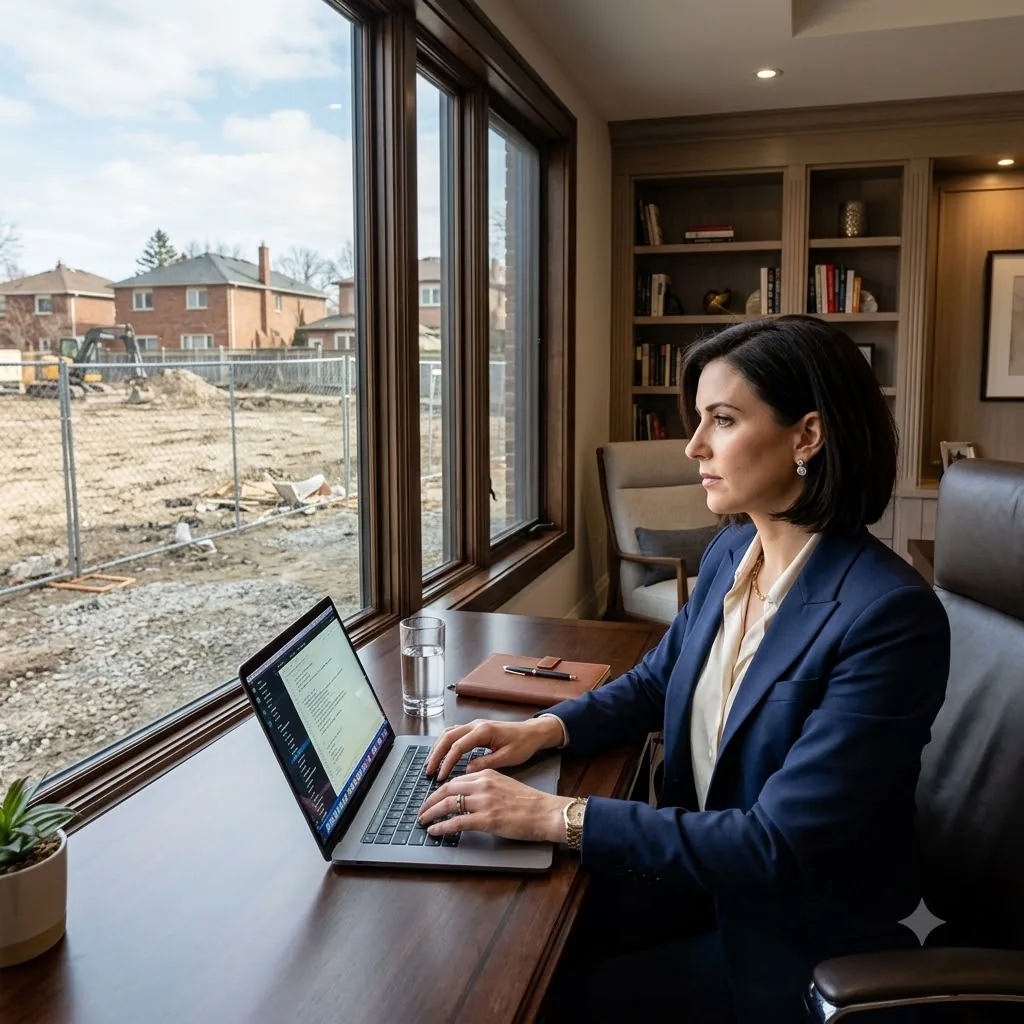
Sloane adjusted the brightness on her monitor until the harsh white glare illuminated the framed neighborhood charter on her office wall. Her fingers hovered over the keyboard, trembling with the heavy responsibility of safeguarding the Elmwood Park community. She highlighted the phrase “deeply problematic behavioral patterns” and hit backspace. It lacked the necessary urgency. She typed “an immediate threat to our collective psychological safety and the vulnerable bodies residing on our street.” That felt much better, grounding the danger in the language of care and irrefutable boundary-setting.
On her second monitor, a folder titled ‘Evidence’ contained thirty-two meticulously cropped screenshots. Sloane double-clicked the most damning one. It was a digital flyer from six years ago, promoting a comedy tour that had been rightfully shut down before it even began. The man in the center of the flyer, Toby, wore a smirk that radiated unregulated toxicity. Now, this same man had wormed his way into the neighborhood as the new lot manager for the vacant space at the end of Sycamore Drive.
Sloane attached the cropped flyer to her draft. She made sure to blur out the name of the comedy club, focusing the viewer’s eye entirely on Toby’s aggressive posture and the offensive tagline of his canceled act. The neighborhood did not need to know the specifics of his past routines, only that his mere presence constituted a form of structural violence against their unhealed trauma.
She took a sip of her herbal tea, letting the chamomile soothe the spike in her cortisol levels. The sheer audacity of the property owners to hire someone with his documented history of causing harm was staggering. Sloane began typing a new paragraph, detailing how Toby’s appointment as lot manager was an active dismissal of the community’s emotional borders. She warned the residents that engaging with him, even in passing, could trigger a cascade of distress for those who had worked so hard to cultivate a safe space.
The cursor blinked at the end of the sentence. She needed a call to action. It had to be framed as community defense, a necessary mobilization to expel a pathogen before it could take root in their soil.
“We must stand united in refusing to grant this individual access to our shared sanctuary,” she typed, the mechanical clatter of her keyboard loud in the quiet study. “By allowing him to manage the lot, we are tacitly endorsing the harm he has inflicted on marginalized communities through his so-called entertainment. We cannot allow his unexamined privilege to dictate the energy of our streets.”
She reviewed the draft. It was flawless. It hit all the right notes of progressive concern while ensuring that any resident who read it would view Toby not as a man managing an empty patch of dirt, but as a walking hazard. She clicked the dropdown menu to select all eighty-five members of the Elmwood Park Homeowners Association.
A notification pinged on her phone. It was a text from Margaret, the HOA secretary. Sloane ignored it, assuming Margaret was just fretting about the agenda for Tuesday’s meeting. The urgent safety alert took absolute precedence over routine administrative matters.
Sloane selected a bold, red font for the subject line. URGENT: Prioritizing Community Safety Regarding the New Lot Manager. She attached three more screenshots, each one carefully curated to strip away any context that might invite sympathy or nuance. One showed Toby issuing an apology on a defunct social media platform, which Sloane had annotated with red circles to highlight his use of manipulative, defensive language. She made sure the timestamps were completely cut off.
Her thumb rested on the trackpad. Sending this email would detonate a perfectly controlled explosion across Elmwood Park. The phones of eighty-five households would buzz simultaneously, infecting them with her carefully engineered panic. Toby would find himself completely ostracized by noon tomorrow, his authority over the lot challenged at every turn by residents armed with Sloane’s vocabulary of trauma.
She took one final, deep breath to center herself. This was not an act of malice, she reminded herself. This was boundary-setting. This was the grueling work of keeping her people safe from the insidious creep of toxic forces.
Sloane clicked send.
The progress bar at the bottom of the screen filled with green, confirming the transmission. Almost instantly, her phone began to vibrate, a steady, rhythmic buzzing against the wood of her desk. It was Margaret again, calling this time instead of texting. Sloane let it ring, savoring the immediate impact of her leadership. Then she heard the heavy crunch of gravel and the hiss of air brakes outside her front window.
She stood and parted the blinds just enough to peer out at the street. A large, flatbed truck had just rolled past her driveway, moving slowly toward the vacant lot at the end of the block. Sitting in the passenger seat, unmistakable even through the glare of the windshield, was Toby. He was pointing toward the lot, giving instructions to the driver, carrying a clipboard that signaled his official capacity.
Sloane grabbed her phone and finally answered Margaret’s call, keeping her eyes locked on the truck.
Margaret spoke in a breathless rush the second the line connected.
“Sloane, I just saw the email, but you need to come down to the lot right now.”
Sloane narrowed her eyes at Toby’s truck. “I am well aware of his arrival, Margaret, and I have already provided the framework for how we will handle his presence.”
“No, Sloane, you do not understand,” Margaret said, her voice dropping to a frantic whisper. “It is not just him.”
Sloane watched as the flatbed truck came to a complete halt at the edge of the property, the driver throwing it into park. Toby hopped out of the cab, pulled a massive ring of keys from his belt, and walked toward the heavy chained gates, signaling for a second, much larger vehicle to turn the corner.
Sloane adjusted the brightness on her monitor until the harsh white glare illuminated the framed neighborhood charter on her office wall. Her fingers hovered over the keyboard, trembling with the heavy responsibility of safeguarding the Elmwood Park community. She highlighted the phrase “deeply problematic behavioral patterns” and hit backspace. It lacked the necessary urgency. She typed “an immediate threat to our collective psychological safety and the vulnerable bodies residing on our street.” That felt much better, grounding the danger in the language of care and irrefutable boundary-setting.
On her second monitor, a folder titled ‘Evidence’ contained thirty-two meticulously cropped screenshots. Sloane double-clicked the most damning one. It was a digital flyer from six years ago, promoting a comedy tour that had been rightfully shut down before it even began. The man in the center of the flyer, Toby, wore a smirk that radiated unregulated toxicity. Now, this same man had wormed his way into the neighborhood as the new lot manager for the vacant space at the end of Sycamore Drive.
Sloane attached the cropped flyer to her draft. She made sure to blur out the name of the comedy club, focusing the viewer’s eye entirely on Toby’s aggressive posture and the offensive tagline of his canceled act. The neighborhood did not need to know the specifics of his past routines, only that his mere presence constituted a form of structural violence against their unhealed trauma.
She took a sip of her herbal tea, letting the chamomile soothe the spike in her cortisol levels. The sheer audacity of the property owners to hire someone with his documented history of causing harm was staggering. Sloane began typing a new paragraph, detailing how Toby’s appointment as lot manager was an active dismissal of the community’s emotional borders. She warned the residents that engaging with him, even in passing, could trigger a cascade of distress for those who had worked so hard to cultivate a safe space.
The cursor blinked at the end of the sentence. She needed a call to action. It had to be framed as community defense, a necessary mobilization to expel a pathogen before it could take root in their soil.
“We must stand united in refusing to grant this individual access to our shared sanctuary,” she typed, the mechanical clatter of her keyboard loud in the quiet study. “By allowing him to manage the lot, we are tacitly endorsing the harm he has inflicted on marginalized communities through his so-called entertainment. We cannot allow his unexamined privilege to dictate the energy of our streets.”
She reviewed the draft. It was flawless. It hit all the right notes of progressive concern while ensuring that any resident who read it would view Toby not as a man managing an empty patch of dirt, but as a walking hazard. She clicked the dropdown menu to select all eighty-five members of the Elmwood Park Homeowners Association.
A notification pinged on her phone. It was a text from Margaret, the HOA secretary. Sloane ignored it, assuming Margaret was just fretting about the agenda for Tuesday’s meeting. The urgent safety alert took absolute precedence over routine administrative matters.
Sloane selected a bold, red font for the subject line. URGENT: Prioritizing Community Safety Regarding the New Lot Manager. She attached three more screenshots, each one carefully curated to strip away any context that might invite sympathy or nuance. One showed Toby issuing an apology on a defunct social media platform, which Sloane had annotated with red circles to highlight his use of manipulative, defensive language. She made sure the timestamps were completely cut off.
Her thumb rested on the trackpad. Sending this email would detonate a perfectly controlled explosion across Elmwood Park. The phones of eighty-five households would buzz simultaneously, infecting them with her carefully engineered panic. Toby would find himself completely ostracized by noon tomorrow, his authority over the lot challenged at every turn by residents armed with Sloane’s vocabulary of trauma.
She took one final, deep breath to center herself. This was not an act of malice, she reminded herself. This was boundary-setting. This was the grueling work of keeping her people safe from the insidious creep of toxic forces.
Sloane clicked send.
The progress bar at the bottom of the screen filled with green, confirming the transmission. Almost instantly, her phone began to vibrate, a steady, rhythmic buzzing against the wood of her desk. It was Margaret again, calling this time instead of texting. Sloane let it ring, savoring the immediate impact of her leadership. Then she heard the heavy crunch of gravel and the hiss of air brakes outside her front window.
She stood and parted the blinds just enough to peer out at the street. A large, flatbed truck had just rolled past her driveway, moving slowly toward the vacant lot at the end of the block. Sitting in the passenger seat, unmistakable even through the glare of the windshield, was Toby. He was pointing toward the lot, giving instructions to the driver, carrying a clipboard that signaled his official capacity.
Sloane grabbed her phone and finally answered Margaret’s call, keeping her eyes locked on the truck.
Margaret spoke in a breathless rush the second the line connected.
“Sloane, I just saw the email, but you need to come down to the lot right now.”
Sloane narrowed her eyes at Toby’s truck. “I am well aware of his arrival, Margaret, and I have already provided the framework for how we will handle his presence.”
“No, Sloane, you do not understand,” Margaret said, her voice dropping to a frantic whisper. “It is not just him.”
Sloane watched as the flatbed truck came to a complete halt at the edge of the property, the driver throwing it into park. Toby hopped out of the cab, pulled a massive ring of keys from his belt, and walked toward the heavy chained gates, signaling for a second, much larger vehicle to turn the corner.