Story code: ST-000655
Part 1: Red Ink and Black Ice
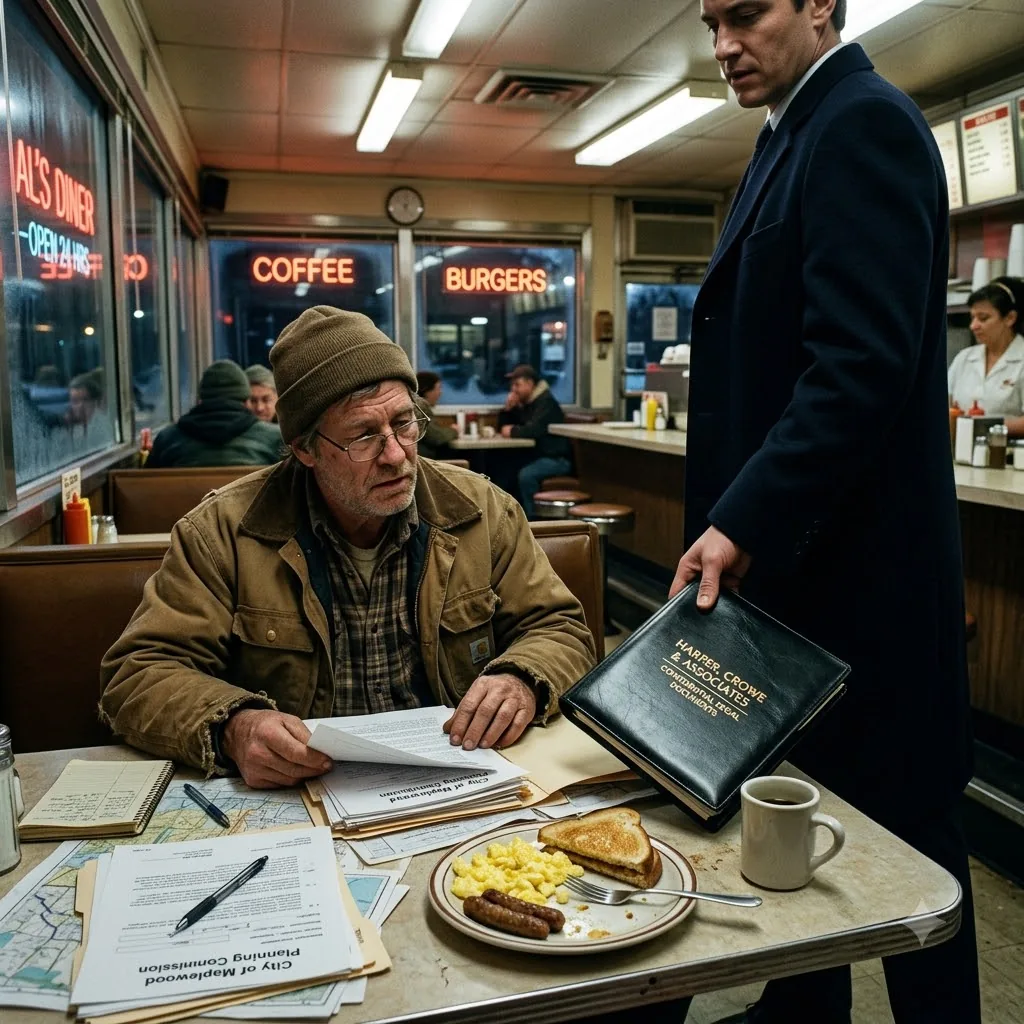
Elias dragged a yellow highlighter over the fifth column of red ink, his breath pluming in the ambient chill of Marv’s Diner. The town’s operational ledger lay open next to a mug of coffee that had gone cold twenty minutes ago, the numbers blurring into a mathematically impossible disaster. They were three hundred grand short on the municipal pension fund. The snowplow maintenance budget had been zeroed out before the first week of February. The streetlights on Main Street were already reduced to a rolling blackout schedule just to keep the local grid from defaulting. He shivered, pulling the collar of his worn corduroy jacket tighter against the draft leaking through the warped window frame. Marv could not afford to fix the furnace. Elias, sitting as the mayor of a municipality that functionally existed on fumes, could not afford to grant Marv a reprieve on his property taxes. It was a closed loop of slow decay.
The brass bell above the diner door violently shattered the quiet. A gust of biting wind swept in, carrying a man who did not belong in a place like Oakhaven. He wore a pristine camel-hair overcoat that radiated wealth, a stark contrast to the faded flannel and cracked leather endemic to the valley. His polished oxfords clicked sharply against the peeling linoleum. He bypassed the empty stools at the counter and marched directly to the corner booth. Without introducing himself, the stranger pulled a glossy, spiral-bound document from a sleek leather briefcase and dropped it squarely onto the open municipal ledger. The sheer weight of the binder rattled Elias’s ceramic mug, splashing cold, bitter coffee across the town’s deficit projections.
Elias stared at the thick stack of paper, noting the heavy embossed cardstock and the logo of a coastal litigation firm. The man in the overcoat finally spoke, delivering his message with the sterile efficiency of an executioner. He represented a well-funded activist coalition based out of San Francisco. The document, he explained, was a finalized federal injunction, accompanied by a mountain of state-level lawsuits, designed to shutter the Oakhaven Regional Correctional Facility within ninety days.
Elias felt the remaining warmth drain from his chest. The private prison was the absolute last pillar holding the town upright. It employed two hundred and forty locals, subsidized the volunteer fire department with its utility payouts, and kept the local school district from collapsing into state receivership. Shuttering the facility meant wiping Oakhaven off the map entirely. Elias explained this reality in a low, level voice, keeping his tone carefully modulated so Marv would not overhear the death sentence being delivered in his own establishment.
The lawyer simply adjusted his expensive cuffs, entirely unmoved by the prospect of a dead town. He leaned forward, pointing a manicured finger at the glossy binder. He detailed a sixty-page addendum packed with undeniable proof of systemic abuses, catastrophic medical neglect, and severe constitutional violations occurring behind the prison’s concrete walls. The coalition had secured devastating whistleblower testimony and a war chest of coastal donor money to ensure the facility was leveled to the dirt. The lawyer made it agonizingly clear that Oakhaven’s economic reliance on a fundamentally corrupt institution was a local structural failure, not a valid legal defense against federal intervention.
Elias pushed the heavy binder back across the scarred Formica table. He stated plainly that the town would fight the injunction, that the local union would strike, and that they would tie up the proceedings in county court until the coalition ran out of patience.
The lawyer gave a soft, dismissive chuckle. He tapped the cover of the document with his knuckles, perfectly confident in his absolute victory, before turning on his heel. He advised Elias to read the list of primary plaintiffs carefully before drafting any defiant press releases. He suggested the mayor might want to take up his complaints directly with the coalition’s director, who had insisted on making the drive up the mountain to see the panic in person.
The bell jingled again as the lawyer exited into the freezing, gray afternoon.
Elias remained frozen in the vinyl booth, his heart pounding a heavy rhythm against his ribs. He looked down at the slick cover of the injunction, wiping a drop of spilled coffee from the embossed title, and then slowly raised his eyes to the streaky, frost-rimmed glass of the diner window.
A massive, jet-black SUV sat idling directly by the curb, its heavy exhaust curling thick and white in the frigid air. The lawyer strode across the salted sidewalk and opened the rear door, leaning inside to speak to someone hidden in the shadowed back seat. As the lawyer closed the door and moved toward the driver’s side, the heavily tinted rear passenger window slid down exactly two inches. The streetlamp overhead flickered on in the gathering winter dusk, casting a thin, harsh wedge of yellow light directly across the narrow gap in the dark glass.
Elias half-stood from the booth, his knuckles pressing white-hot against the tabletop as his breath caught violently in his throat. He stared through the diner window at the sharp jawline, the distinct pale scar running just above the collar of a dark coat, and the unmistakable, cold eyes staring right back at him from the idling vehicle.
Elias dragged a yellow highlighter over the fifth column of red ink, his breath pluming in the ambient chill of Marv’s Diner. The town’s operational ledger lay open next to a mug of coffee that had gone cold twenty minutes ago, the numbers blurring into a mathematically impossible disaster. They were three hundred grand short on the municipal pension fund. The snowplow maintenance budget had been zeroed out before the first week of February. The streetlights on Main Street were already reduced to a rolling blackout schedule just to keep the local grid from defaulting. He shivered, pulling the collar of his worn corduroy jacket tighter against the draft leaking through the warped window frame. Marv could not afford to fix the furnace. Elias, sitting as the mayor of a municipality that functionally existed on fumes, could not afford to grant Marv a reprieve on his property taxes. It was a closed loop of slow decay.
The brass bell above the diner door violently shattered the quiet. A gust of biting wind swept in, carrying a man who did not belong in a place like Oakhaven. He wore a pristine camel-hair overcoat that radiated wealth, a stark contrast to the faded flannel and cracked leather endemic to the valley. His polished oxfords clicked sharply against the peeling linoleum. He bypassed the empty stools at the counter and marched directly to the corner booth. Without introducing himself, the stranger pulled a glossy, spiral-bound document from a sleek leather briefcase and dropped it squarely onto the open municipal ledger. The sheer weight of the binder rattled Elias’s ceramic mug, splashing cold, bitter coffee across the town’s deficit projections.
Elias stared at the thick stack of paper, noting the heavy embossed cardstock and the logo of a coastal litigation firm. The man in the overcoat finally spoke, delivering his message with the sterile efficiency of an executioner. He represented a well-funded activist coalition based out of San Francisco. The document, he explained, was a finalized federal injunction, accompanied by a mountain of state-level lawsuits, designed to shutter the Oakhaven Regional Correctional Facility within ninety days.
Elias felt the remaining warmth drain from his chest. The private prison was the absolute last pillar holding the town upright. It employed two hundred and forty locals, subsidized the volunteer fire department with its utility payouts, and kept the local school district from collapsing into state receivership. Shuttering the facility meant wiping Oakhaven off the map entirely. Elias explained this reality in a low, level voice, keeping his tone carefully modulated so Marv would not overhear the death sentence being delivered in his own establishment.
The lawyer simply adjusted his expensive cuffs, entirely unmoved by the prospect of a dead town. He leaned forward, pointing a manicured finger at the glossy binder. He detailed a sixty-page addendum packed with undeniable proof of systemic abuses, catastrophic medical neglect, and severe constitutional violations occurring behind the prison’s concrete walls. The coalition had secured devastating whistleblower testimony and a war chest of coastal donor money to ensure the facility was leveled to the dirt. The lawyer made it agonizingly clear that Oakhaven’s economic reliance on a fundamentally corrupt institution was a local structural failure, not a valid legal defense against federal intervention.
Elias pushed the heavy binder back across the scarred Formica table. He stated plainly that the town would fight the injunction, that the local union would strike, and that they would tie up the proceedings in county court until the coalition ran out of patience.
The lawyer gave a soft, dismissive chuckle. He tapped the cover of the document with his knuckles, perfectly confident in his absolute victory, before turning on his heel. He advised Elias to read the list of primary plaintiffs carefully before drafting any defiant press releases. He suggested the mayor might want to take up his complaints directly with the coalition’s director, who had insisted on making the drive up the mountain to see the panic in person.
The bell jingled again as the lawyer exited into the freezing, gray afternoon.
Elias remained frozen in the vinyl booth, his heart pounding a heavy rhythm against his ribs. He looked down at the slick cover of the injunction, wiping a drop of spilled coffee from the embossed title, and then slowly raised his eyes to the streaky, frost-rimmed glass of the diner window.
A massive, jet-black SUV sat idling directly by the curb, its heavy exhaust curling thick and white in the frigid air. The lawyer strode across the salted sidewalk and opened the rear door, leaning inside to speak to someone hidden in the shadowed back seat. As the lawyer closed the door and moved toward the driver’s side, the heavily tinted rear passenger window slid down exactly two inches. The streetlamp overhead flickered on in the gathering winter dusk, casting a thin, harsh wedge of yellow light directly across the narrow gap in the dark glass.
Elias half-stood from the booth, his knuckles pressing white-hot against the tabletop as his breath caught violently in his throat. He stared through the diner window at the sharp jawline, the distinct pale scar running just above the collar of a dark coat, and the unmistakable, cold eyes staring right back at him from the idling vehicle.