Story code: ST-000525
Part 1: The Sudden Silence
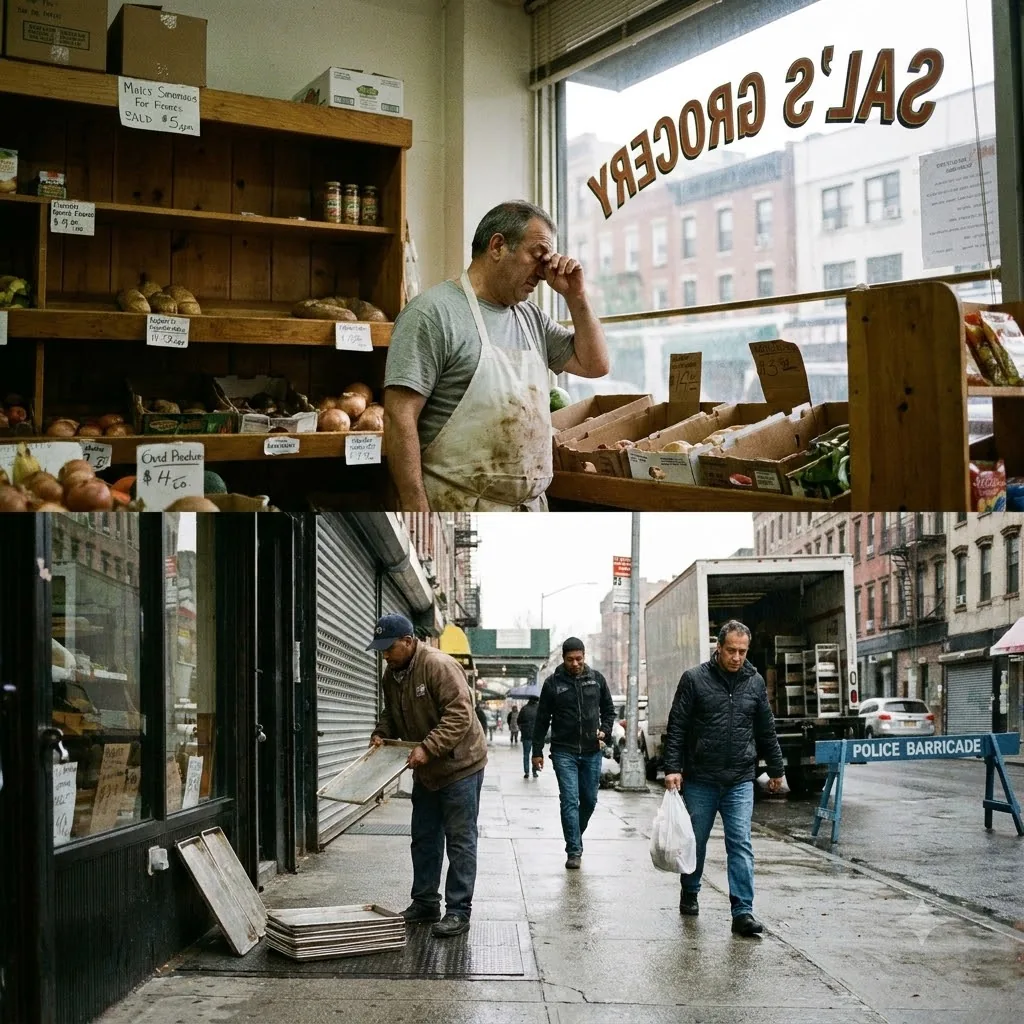
Mrs. Gable usually complained about the price of milk the second the brass bell above the door jingled. Today, she kept her chin tucked to her chest, slid exact change across the worn laminate counter, and walked out without raising her eyes. Mateo stood by the register with a greeting caught in his throat. He watched her hurried retreat through the large glass window of his neighborhood market. The street outside, usually buzzing with the early morning rush, felt distinctly hollow. The silence pressed against the glass, heavy and unnatural.
He stepped out from behind the counter to straighten a display of yellow plantains. The tension stretched thinner with every passing minute. The morning commuters waiting for the bus across the street stood with their backs squarely to his store. Two women walking a golden retriever crossed to the opposite sidewalk long before they reached his block, their pace quickening as they passed his property line.
The delivery truck from the local bakery pulled up to the curb. Hector had brought fresh pan dulce to Mateo’s market every Tuesday for twelve years, always coming inside for a cup of black coffee and five minutes of baseball talk. Today, Hector did not open the shop door. Mateo watched through the glass as the burly man hastily stacked the gray plastic delivery crates on the very edge of the curb. Hector slapped the paper invoice on the top crate, weighed it down with a loose chunk of asphalt, and practically jumped back into his cab. The diesel engine roared to life. The truck sped around the corner before Mateo could even push the front door open.
Mateo walked out into the brisk morning air. He picked up the heavy crates, his eyes scanning the street. The teenagers who normally loitered near the bus stop were huddled tightly over a smartphone. One of them looked up, caught Mateo looking, and immediately shoved his friend’s shoulder. They turned as a unit and jogged away in the opposite direction.
Mateo hauled the bread inside and locked the door behind him, a cold knot forming in his stomach. The absolute refusal of the neighborhood to acknowledge him felt heavier than the crates he carried. He placed the trays in the pastry case one by one, aligning the pastries with unnecessary precision.
The store’s landline phone began to ring. Mateo reached over the counter and lifted the receiver.
Silence met his ear, followed instantly by the sharp clatter of a receiver being slammed down, then the steady drone of a dial tone.
He set the phone back on its cradle. It rang again before his hand even left the plastic casing.
He answered. Another harsh click. Another dial tone.
He left the phone off the hook. The steady, rhythmic beeping of the disconnected line filled the empty store, a mechanical substitute for the missing voices of his morning regulars.
Mateo walked down the narrow aisles, checking the expiration dates on canned beans he had already checked yesterday. He needed the motion. He needed a distraction from the suffocating atmosphere pressing against the front of his store. The brass bell remained completely still. The morning rush hour passed with only three customers, all of whom paid in exact cash, stared firmly at the scuffed linoleum floor, and bolted out the door the second their transactions were complete.
He wiped down the counter. He polished the glass of the pastry case until his arm ached. He swept the floor. Every few minutes, he glanced out the window. The avoidance was entirely deliberate. People he had known for a decade were actively turning their heads to look at the brick walls of the adjacent buildings as they passed his storefront. The silence was not peaceful. It felt like the drawn-back string of a heavy bow.
He placed the phone receiver back on the cradle to see if the calls had stopped. The ringing began instantly. Piercing and relentless. He stared at the flashing red light on the base of the unit. He picked it up and held it to his ear. A heavy breath sounded on the other end, followed by the familiar, violent click.
Mateo turned his attention back to the street outside. A young man wearing a dark hooded sweatshirt stood on the sidewalk directly in front of the market. He was not looking at the ground. He was staring directly at Mateo through the glass.
Mateo did not recognize him. The young man’s face was pulled tight, his jaw clenched, his posture rigid with a strange, buzzing energy. He did not break eye contact as he reached into the front pocket of his sweatshirt.
Mateo took a step toward the window, raising his hand in a gesture of caution.
The young man pulled out a jagged half-brick. He did not hesitate. He drew his arm back and hurled the heavy piece of masonry directly at the center of the storefront window.
The glass exploded inward in a chaotic wave of sharp, glittering fragments. The deafening crash shattered the morning silence, sending jagged shards flying across the fruit displays and skittering over the linoleum floor. The heavy brick bounced off the edge of the checkout counter and slammed into the wooden paneling below the register. Mateo threw his arms over his face, stumbling backward into the cigarette display as a shower of glass rained down around him. The cold street air rushed through the massive, jagged hole in the front of his market as the young man stepped forward toward the broken frame.
Mrs. Gable usually complained about the price of milk the second the brass bell above the door jingled. Today, she kept her chin tucked to her chest, slid exact change across the worn laminate counter, and walked out without raising her eyes. Mateo stood by the register with a greeting caught in his throat. He watched her hurried retreat through the large glass window of his neighborhood market. The street outside, usually buzzing with the early morning rush, felt distinctly hollow. The silence pressed against the glass, heavy and unnatural.
He stepped out from behind the counter to straighten a display of yellow plantains. The tension stretched thinner with every passing minute. The morning commuters waiting for the bus across the street stood with their backs squarely to his store. Two women walking a golden retriever crossed to the opposite sidewalk long before they reached his block, their pace quickening as they passed his property line.
The delivery truck from the local bakery pulled up to the curb. Hector had brought fresh pan dulce to Mateo’s market every Tuesday for twelve years, always coming inside for a cup of black coffee and five minutes of baseball talk. Today, Hector did not open the shop door. Mateo watched through the glass as the burly man hastily stacked the gray plastic delivery crates on the very edge of the curb. Hector slapped the paper invoice on the top crate, weighed it down with a loose chunk of asphalt, and practically jumped back into his cab. The diesel engine roared to life. The truck sped around the corner before Mateo could even push the front door open.
Mateo walked out into the brisk morning air. He picked up the heavy crates, his eyes scanning the street. The teenagers who normally loitered near the bus stop were huddled tightly over a smartphone. One of them looked up, caught Mateo looking, and immediately shoved his friend’s shoulder. They turned as a unit and jogged away in the opposite direction.
Mateo hauled the bread inside and locked the door behind him, a cold knot forming in his stomach. The absolute refusal of the neighborhood to acknowledge him felt heavier than the crates he carried. He placed the trays in the pastry case one by one, aligning the pastries with unnecessary precision.
The store’s landline phone began to ring. Mateo reached over the counter and lifted the receiver.
Silence met his ear, followed instantly by the sharp clatter of a receiver being slammed down, then the steady drone of a dial tone.
He set the phone back on its cradle. It rang again before his hand even left the plastic casing.
He answered. Another harsh click. Another dial tone.
He left the phone off the hook. The steady, rhythmic beeping of the disconnected line filled the empty store, a mechanical substitute for the missing voices of his morning regulars.
Mateo walked down the narrow aisles, checking the expiration dates on canned beans he had already checked yesterday. He needed the motion. He needed a distraction from the suffocating atmosphere pressing against the front of his store. The brass bell remained completely still. The morning rush hour passed with only three customers, all of whom paid in exact cash, stared firmly at the scuffed linoleum floor, and bolted out the door the second their transactions were complete.
He wiped down the counter. He polished the glass of the pastry case until his arm ached. He swept the floor. Every few minutes, he glanced out the window. The avoidance was entirely deliberate. People he had known for a decade were actively turning their heads to look at the brick walls of the adjacent buildings as they passed his storefront. The silence was not peaceful. It felt like the drawn-back string of a heavy bow.
He placed the phone receiver back on the cradle to see if the calls had stopped. The ringing began instantly. Piercing and relentless. He stared at the flashing red light on the base of the unit. He picked it up and held it to his ear. A heavy breath sounded on the other end, followed by the familiar, violent click.
Mateo turned his attention back to the street outside. A young man wearing a dark hooded sweatshirt stood on the sidewalk directly in front of the market. He was not looking at the ground. He was staring directly at Mateo through the glass.
Mateo did not recognize him. The young man’s face was pulled tight, his jaw clenched, his posture rigid with a strange, buzzing energy. He did not break eye contact as he reached into the front pocket of his sweatshirt.
Mateo took a step toward the window, raising his hand in a gesture of caution.
The young man pulled out a jagged half-brick. He did not hesitate. He drew his arm back and hurled the heavy piece of masonry directly at the center of the storefront window.
The glass exploded inward in a chaotic wave of sharp, glittering fragments. The deafening crash shattered the morning silence, sending jagged shards flying across the fruit displays and skittering over the linoleum floor. The heavy brick bounced off the edge of the checkout counter and slammed into the wooden paneling below the register. Mateo threw his arms over his face, stumbling backward into the cigarette display as a shower of glass rained down around him. The cold street air rushed through the massive, jagged hole in the front of his market as the young man stepped forward toward the broken frame.