Story code: ST-001238
Part 1: The Perfect Optics
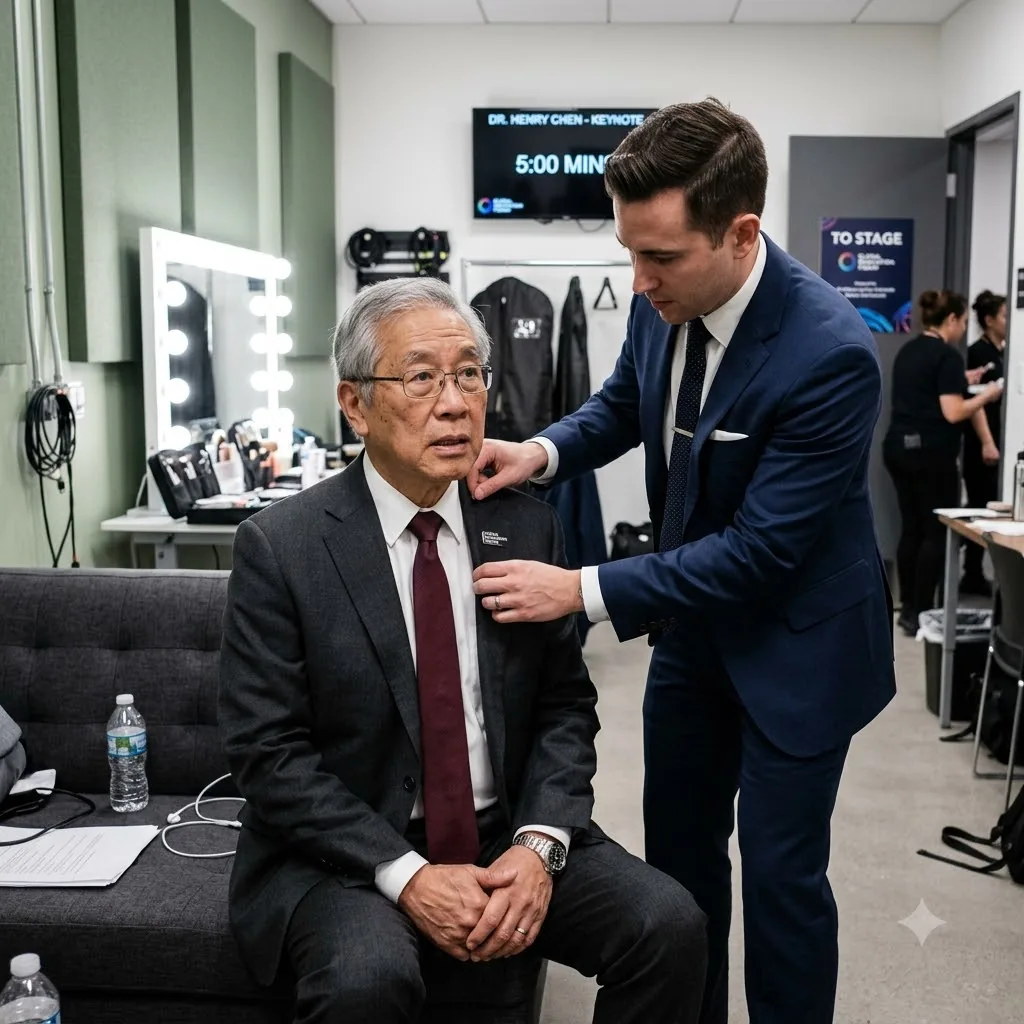
Julian’s hands darted around David’s collar, violently flattening a minuscule wrinkle in the pale blue fabric. The consultant stepped back, tilting his head to evaluate David under the harsh, humming fluorescent lights of the green room. He produced a sticky lint roller from his tailored blazer pocket and ran it aggressively over David’s shoulders.
“Posture,” Julian instructed, his voice a smooth, practiced baritone that left no room for debate. “Shoulders back, but not aggressive. Accessible. We want them to see the future of the firm, David. Reliable, grounded, diverse but integrated. We are telling a story of unity.”
David held his breath as Julian adjusted the knot of his tie for the fourth time. The consultant had spent the last hour treating him like a static window display, dictating everything from the exact drape of his jacket to the angle of his chin. David had earned his senior engineering badge through six years of grueling late nights, untangling legacy code and migrating critical databases. Julian spoke to him as if he had just been unboxed in a showroom.
“You are the absolute vanguard of the new culture,” Julian said, offering a tight, unblinking smile. “Management looks at you and sees the perfect bridge. You speak the technical language, but you have that quiet, diligent, frictionless work ethic. You do not push back. The optics are flawless.”
Julian checked his heavy silver wristwatch and gave David’s shoulder a firm, patronizing squeeze. The pressure felt less like encouragement and more like a physical restraint designed to keep him exactly in place.
A production assistant in a black headset cracked the heavy soundproof door, signaling that the executive team was seated. Julian ushered David out into the dim backstage corridor. The muffled roar of three thousand employees settling into the grand auditorium filtered through the cinderblock walls. This was the largest town hall in the company’s history, billed as a pivotal realignment for the next decade. David had been told just two days prior that the board had unanimously selected him to present the keynote. They had framed it as an unprecedented honor, a definitive fast-track to the director level.
David walked past towering stacks of audio-visual road cases. The bass from the walk-in music vibrated through the soles of his polished shoes. He caught a glimpse of himself in the dark glass of a dormant monitor screen. He looked exactly the way Julian wanted him to look. He appeared polished, inoffensive, and perfectly aligned with the sleek corporate branding playing on the massive LED screens overhead.
“Stick to the prompter,” Julian murmured, walking a half-step behind him like a handler. “Pacing is everything. Let them absorb the vision. Let them see that if you are on board with the changes, they need to be on board with the changes.”
The backstage manager pointed to the metal stairs leading up to the stage. The music faded into a low, anticipatory drone. The unseen announcer’s voice boomed through the massive line-array speakers, introducing David with a string of exaggerated accolades about his unparalleled dedication and technical mastery.
David climbed the stairs. The heat of the spotlights hit him instantly, washing out his vision for a split second before the sheer scale of the audience resolved in front of him. Three thousand faces stared back in total silence. Down in the second row, just past the edge of the stage, he spotted Marcus and Sarah. They were the two principal architects who had mentored him since his first week as an overwhelmed junior developer. Sarah offered a small, proud nod. Marcus gave a subtle thumbs-up. They were the ones who had fought for his promotions. They had stayed awake with him in the trenches during the agonizing server crashes of his early years, actively shielding him from the brutal corporate politics that normally chewed up young engineers.
The applause rippled through the room, polite but expectant. David walked to the sleek, clear acrylic podium set dead center on the wide stage. A thick, braided audio cable ran up the stand, connecting the high-end gooseneck microphone to a brass floor box.
He rested his hands on the sharp edges of the podium. The teleprompter glass positioned below the camera lenses flickered to life. The text scrolled up in stark white letters against the black background.
David took a breath to read the welcome line he had rehearsed all morning.
The text on the screen bypassed the welcome entirely.
The bold heading flashed on the glass. It read PHASE ONE OPTIMIZATIONS.
Below it, the prompter fed him the next lines. The script dictated a solemn announcement regarding structural redundancies and necessary sacrifices for the survival of the new culture. Then the text rolled to the specific departmental closures. The first names listed under the mandatory immediate exit protocols were not abstract statistics or empty job titles. The screen demanded he read the names of the principal architecture team. Marcus and Sarah were highlighted in bright yellow text, designated for termination effective at the end of the hour. The script framed them as prime examples of outdated operational bloat that the company could no longer afford.
Julian’s voice echoed in his memory, praising his diligent, compliant optics. Management needed a trusted, blameless face to deliver the execution. They knew the engineering floor would not riot if the betrayal came from one of their own, especially someone positioned as a model success story.
David looked down at Sarah’s proud, expectant smile in the second row. He looked back at the glowing yellow text commanding him to publicly ruin her career and take credit for the purge.
His hand slid off the clear acrylic edge of the podium. He moved his fingers down the cold metal stem of the microphone stand, wrapping his tight grip firmly around the base of the braided audio cable. He yanked his hand downward with all his weight.
Julian’s hands darted around David’s collar, violently flattening a minuscule wrinkle in the pale blue fabric. The consultant stepped back, tilting his head to evaluate David under the harsh, humming fluorescent lights of the green room. He produced a sticky lint roller from his tailored blazer pocket and ran it aggressively over David’s shoulders.
“Posture,” Julian instructed, his voice a smooth, practiced baritone that left no room for debate. “Shoulders back, but not aggressive. Accessible. We want them to see the future of the firm, David. Reliable, grounded, diverse but integrated. We are telling a story of unity.”
David held his breath as Julian adjusted the knot of his tie for the fourth time. The consultant had spent the last hour treating him like a static window display, dictating everything from the exact drape of his jacket to the angle of his chin. David had earned his senior engineering badge through six years of grueling late nights, untangling legacy code and migrating critical databases. Julian spoke to him as if he had just been unboxed in a showroom.
“You are the absolute vanguard of the new culture,” Julian said, offering a tight, unblinking smile. “Management looks at you and sees the perfect bridge. You speak the technical language, but you have that quiet, diligent, frictionless work ethic. You do not push back. The optics are flawless.”
Julian checked his heavy silver wristwatch and gave David’s shoulder a firm, patronizing squeeze. The pressure felt less like encouragement and more like a physical restraint designed to keep him exactly in place.
A production assistant in a black headset cracked the heavy soundproof door, signaling that the executive team was seated. Julian ushered David out into the dim backstage corridor. The muffled roar of three thousand employees settling into the grand auditorium filtered through the cinderblock walls. This was the largest town hall in the company’s history, billed as a pivotal realignment for the next decade. David had been told just two days prior that the board had unanimously selected him to present the keynote. They had framed it as an unprecedented honor, a definitive fast-track to the director level.
David walked past towering stacks of audio-visual road cases. The bass from the walk-in music vibrated through the soles of his polished shoes. He caught a glimpse of himself in the dark glass of a dormant monitor screen. He looked exactly the way Julian wanted him to look. He appeared polished, inoffensive, and perfectly aligned with the sleek corporate branding playing on the massive LED screens overhead.
“Stick to the prompter,” Julian murmured, walking a half-step behind him like a handler. “Pacing is everything. Let them absorb the vision. Let them see that if you are on board with the changes, they need to be on board with the changes.”
The backstage manager pointed to the metal stairs leading up to the stage. The music faded into a low, anticipatory drone. The unseen announcer’s voice boomed through the massive line-array speakers, introducing David with a string of exaggerated accolades about his unparalleled dedication and technical mastery.
David climbed the stairs. The heat of the spotlights hit him instantly, washing out his vision for a split second before the sheer scale of the audience resolved in front of him. Three thousand faces stared back in total silence. Down in the second row, just past the edge of the stage, he spotted Marcus and Sarah. They were the two principal architects who had mentored him since his first week as an overwhelmed junior developer. Sarah offered a small, proud nod. Marcus gave a subtle thumbs-up. They were the ones who had fought for his promotions. They had stayed awake with him in the trenches during the agonizing server crashes of his early years, actively shielding him from the brutal corporate politics that normally chewed up young engineers.
The applause rippled through the room, polite but expectant. David walked to the sleek, clear acrylic podium set dead center on the wide stage. A thick, braided audio cable ran up the stand, connecting the high-end gooseneck microphone to a brass floor box.
He rested his hands on the sharp edges of the podium. The teleprompter glass positioned below the camera lenses flickered to life. The text scrolled up in stark white letters against the black background.
David took a breath to read the welcome line he had rehearsed all morning.
The text on the screen bypassed the welcome entirely.
The bold heading flashed on the glass. It read PHASE ONE OPTIMIZATIONS.
Below it, the prompter fed him the next lines. The script dictated a solemn announcement regarding structural redundancies and necessary sacrifices for the survival of the new culture. Then the text rolled to the specific departmental closures. The first names listed under the mandatory immediate exit protocols were not abstract statistics or empty job titles. The screen demanded he read the names of the principal architecture team. Marcus and Sarah were highlighted in bright yellow text, designated for termination effective at the end of the hour. The script framed them as prime examples of outdated operational bloat that the company could no longer afford.
Julian’s voice echoed in his memory, praising his diligent, compliant optics. Management needed a trusted, blameless face to deliver the execution. They knew the engineering floor would not riot if the betrayal came from one of their own, especially someone positioned as a model success story.
David looked down at Sarah’s proud, expectant smile in the second row. He looked back at the glowing yellow text commanding him to publicly ruin her career and take credit for the purge.
His hand slid off the clear acrylic edge of the podium. He moved his fingers down the cold metal stem of the microphone stand, wrapping his tight grip firmly around the base of the braided audio cable. He yanked his hand downward with all his weight.