Story code: ST-001496
Part 1: The Demolition Map
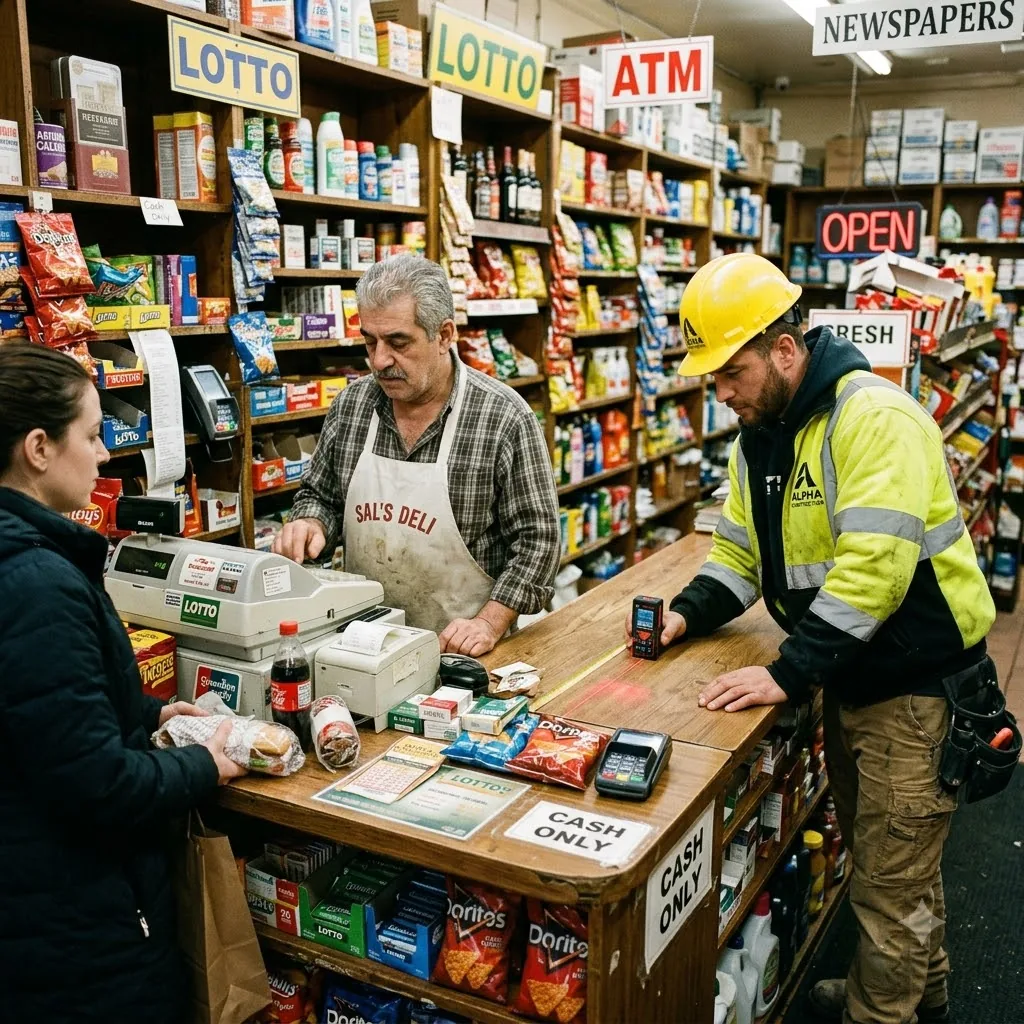
I handed Mrs. Gable her wrinkled change over the rigid yellow line of a Stanley tape measure that stretched directly across my checkout counter. The contractor holding the metal tape did not even pause his tuneless whistling as he jotted the width of our register space onto a heavy metal clipboard. Mrs. Gable snatched her plastic bags, her hands trembling slightly, and shot the man a look of pure, unfiltered venom before shuffling out into the damp Brooklyn morning. She muttered something about vultures under her breath, and for once, I completely agreed with her.
This was the third time this week a stranger in a high-vis vest had treated me like a ghost haunting my own family’s store. Sixty years of my grandfather’s sweat, my father’s chronic back pain, and my own early mornings were coming to an abrupt end in exactly fourteen days. The landlord had slapped us with a triple-rent increase last month. It was a number so absurd it was not a negotiation, just a brutal eviction notice dressed up with a dollar sign. Now, we were just the hollow shell waiting to be gutted. The neighborhood rumor mill had already confirmed the identity of our replacement. An artisanal matcha and organic pastry cafe was taking over our prime corner location.
The contractor reeled his metal tape back in with a loud, aggressive snap. He barked a measurement to his partner, a younger guy with a laser level who was currently shining a bright red beam directly against our faded Goya canned beans display rack. They were eagerly mapping out the demolition, erasing our aisles with beams of light. I wiped down the counter with a damp rag, keeping my eyes glued to the cracked linoleum floor. My dad was in the back room packing up the small office. I felt a surge of relief that he was not out here to watch them measure his entire life’s work for a dumpster.
The brass bell above the glass door chimed, cutting through the low, steady hum of the aging refrigeration units. I looked up automatically, ready to tell the newcomer we were already out of hot coffee for the morning. The polite customer service script died instantly in my throat.
The man who walked in wore a sharp, tailored wool coat over a minimalist black turtleneck. He moved with the polished, impatient energy of someone who owned the building, or at least held the power to destroy it. He was the new tenant. The matcha cafe guy. I knew this instantly because the lead contractor practically jogged over to him, pointing eagerly to the clipboard and outlining the load-bearing wall they planned to tear down.
But his status as the new tenant was not why my lungs suddenly felt tight.
I recognized him. He had filled out, his posture had straightened into something arrogant, and the cheap neighborhood clothes had been replaced by expensive, imported fabric. Yet the pale scar on his chin and the sharp, distinct angle of his jawline were exactly the same. The visceral shock hit me so hard my fingers went numb, and I dropped the damp rag straight onto the floor. I braced both my hands heavily against the edge of the counter to keep my balance.
He did not look in my direction. He walked right past the register, his expensive leather boots clicking sharply against our uneven floor tiles.
The lead contractor trailed close behind him, pointing up at the stained drop ceiling. The contractor explained loudly that running the new electrical conduit for the heavy-duty espresso machines would take three extra days of labor because they had to snake the wiring all the way around the massive steel support beams.
The new owner shook his head once. He gestured toward the back aisle, specifically pointing a gloved finger at the wall holding our mundane household cleaning supplies.
He told the contractor to ignore the drop ceiling entirely. He pointed exactly to the third shelf of the bleach display. He stated, in a calm and authoritative voice, that behind the cheap plywood backing of that specific shelf, there was an abandoned brick dumbwaiter shaft from the 1920s that ran straight up to the second-floor breaker box.
My blood went completely cold.
My grandfather had covered that old shaft up with paneling in 1984. My dad and I were the only two living people who knew it was still back there, mostly because it leaked a terrible, freezing draft during the winter months. It was not on any public city blueprint. It was not in the municipal building records. There was absolutely no logical way a brand new commercial tenant could look at a wall of Clorox bottles and know there was a hollow brick chimney hidden just inches behind the plastic.
The lead contractor looked highly skeptical. He walked over and rapped his knuckles against the wall, hearing the distinct hollow thud behind the bottles. His eyes widened in surprise, and he immediately started making excited, frantic notes on his clipboard.
The new owner kept walking. He stopped in front of the dairy cooler. The old compressor hummed loudly, vibrating the glass doors. He instructed the younger contractor to check the floorboards exactly three feet left of the cooler handle. He said they would find a two-inch dip in the concrete foundation where the floor had settled fifty years ago, a depression they could easily use to run the new plumbing lines without trenching the entire floor.
I stepped out from behind the counter. My heart pounded against my ribs like a trapped animal. The dip in the foundation was another heavily guarded family secret, an ugly structural flaw we covered with a thick rubber mat and a stack of plastic soda crates so no one would trip. He was casually reciting the intimate, hidden physical flaws of my family’s sanctuary as if he had drawn the architectural map himself.
I moved slowly down the aisle, coming to a halt just a few feet behind him. The scent of expensive, unfamiliar cologne mixed violently with the familiar, comforting smell of our aging store.
He finally turned around. His dark eyes locked onto mine. There was not a single trace of surprise in his expression, only a cold, calculated stillness. He tilted his head slightly, holding my stare in perfect silence as the younger contractor stepped forward with a heavy iron crowbar to pry the plywood off the wall.
I handed Mrs. Gable her wrinkled change over the rigid yellow line of a Stanley tape measure that stretched directly across my checkout counter. The contractor holding the metal tape did not even pause his tuneless whistling as he jotted the width of our register space onto a heavy metal clipboard. Mrs. Gable snatched her plastic bags, her hands trembling slightly, and shot the man a look of pure, unfiltered venom before shuffling out into the damp Brooklyn morning. She muttered something about vultures under her breath, and for once, I completely agreed with her.
This was the third time this week a stranger in a high-vis vest had treated me like a ghost haunting my own family’s store. Sixty years of my grandfather’s sweat, my father’s chronic back pain, and my own early mornings were coming to an abrupt end in exactly fourteen days. The landlord had slapped us with a triple-rent increase last month. It was a number so absurd it was not a negotiation, just a brutal eviction notice dressed up with a dollar sign. Now, we were just the hollow shell waiting to be gutted. The neighborhood rumor mill had already confirmed the identity of our replacement. An artisanal matcha and organic pastry cafe was taking over our prime corner location.
The contractor reeled his metal tape back in with a loud, aggressive snap. He barked a measurement to his partner, a younger guy with a laser level who was currently shining a bright red beam directly against our faded Goya canned beans display rack. They were eagerly mapping out the demolition, erasing our aisles with beams of light. I wiped down the counter with a damp rag, keeping my eyes glued to the cracked linoleum floor. My dad was in the back room packing up the small office. I felt a surge of relief that he was not out here to watch them measure his entire life’s work for a dumpster.
The brass bell above the glass door chimed, cutting through the low, steady hum of the aging refrigeration units. I looked up automatically, ready to tell the newcomer we were already out of hot coffee for the morning. The polite customer service script died instantly in my throat.
The man who walked in wore a sharp, tailored wool coat over a minimalist black turtleneck. He moved with the polished, impatient energy of someone who owned the building, or at least held the power to destroy it. He was the new tenant. The matcha cafe guy. I knew this instantly because the lead contractor practically jogged over to him, pointing eagerly to the clipboard and outlining the load-bearing wall they planned to tear down.
But his status as the new tenant was not why my lungs suddenly felt tight.
I recognized him. He had filled out, his posture had straightened into something arrogant, and the cheap neighborhood clothes had been replaced by expensive, imported fabric. Yet the pale scar on his chin and the sharp, distinct angle of his jawline were exactly the same. The visceral shock hit me so hard my fingers went numb, and I dropped the damp rag straight onto the floor. I braced both my hands heavily against the edge of the counter to keep my balance.
He did not look in my direction. He walked right past the register, his expensive leather boots clicking sharply against our uneven floor tiles.
The lead contractor trailed close behind him, pointing up at the stained drop ceiling. The contractor explained loudly that running the new electrical conduit for the heavy-duty espresso machines would take three extra days of labor because they had to snake the wiring all the way around the massive steel support beams.
The new owner shook his head once. He gestured toward the back aisle, specifically pointing a gloved finger at the wall holding our mundane household cleaning supplies.
He told the contractor to ignore the drop ceiling entirely. He pointed exactly to the third shelf of the bleach display. He stated, in a calm and authoritative voice, that behind the cheap plywood backing of that specific shelf, there was an abandoned brick dumbwaiter shaft from the 1920s that ran straight up to the second-floor breaker box.
My blood went completely cold.
My grandfather had covered that old shaft up with paneling in 1984. My dad and I were the only two living people who knew it was still back there, mostly because it leaked a terrible, freezing draft during the winter months. It was not on any public city blueprint. It was not in the municipal building records. There was absolutely no logical way a brand new commercial tenant could look at a wall of Clorox bottles and know there was a hollow brick chimney hidden just inches behind the plastic.
The lead contractor looked highly skeptical. He walked over and rapped his knuckles against the wall, hearing the distinct hollow thud behind the bottles. His eyes widened in surprise, and he immediately started making excited, frantic notes on his clipboard.
The new owner kept walking. He stopped in front of the dairy cooler. The old compressor hummed loudly, vibrating the glass doors. He instructed the younger contractor to check the floorboards exactly three feet left of the cooler handle. He said they would find a two-inch dip in the concrete foundation where the floor had settled fifty years ago, a depression they could easily use to run the new plumbing lines without trenching the entire floor.
I stepped out from behind the counter. My heart pounded against my ribs like a trapped animal. The dip in the foundation was another heavily guarded family secret, an ugly structural flaw we covered with a thick rubber mat and a stack of plastic soda crates so no one would trip. He was casually reciting the intimate, hidden physical flaws of my family’s sanctuary as if he had drawn the architectural map himself.
I moved slowly down the aisle, coming to a halt just a few feet behind him. The scent of expensive, unfamiliar cologne mixed violently with the familiar, comforting smell of our aging store.
He finally turned around. His dark eyes locked onto mine. There was not a single trace of surprise in his expression, only a cold, calculated stillness. He tilted his head slightly, holding my stare in perfect silence as the younger contractor stepped forward with a heavy iron crowbar to pry the plywood off the wall.