Story code: ST-001117
Part 1: The Three-Second Window
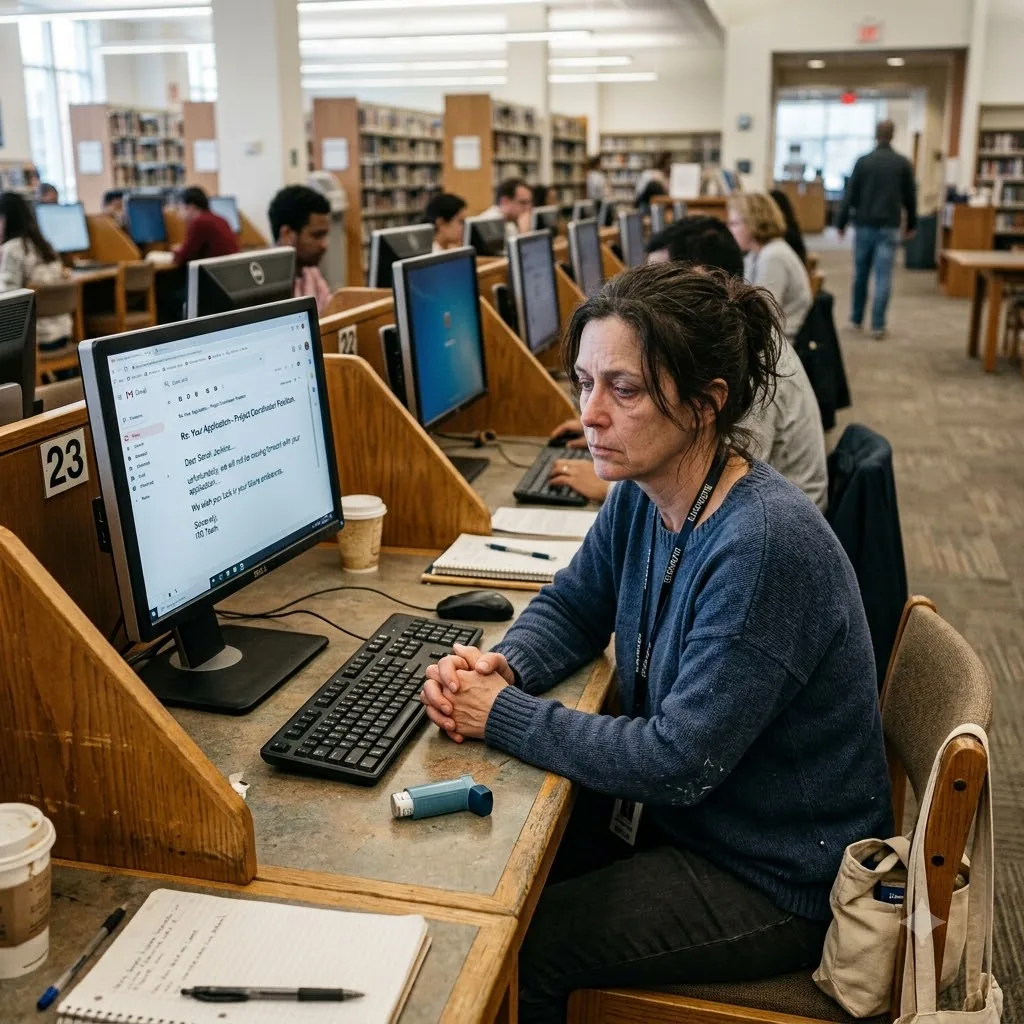
The public library keyboard had a sticky spacebar. Sarah pressed it twice, verified the formatting on her uploaded PDF, and moved her cursor over the bright blue submit button. She clicked. The screen flashed to a generic confirmation page. She reached for her cold coffee. Before her fingers even touched the rim of the paper cup, her phone vibrated face-down on the laminate desk.
Three seconds.
She picked up the device. A new email notification glowed on the lock screen from the automated applicant tracking system of Meridian Regional Healthcare.
“Thank you for your interest. At this time, we have decided to move forward with candidates whose recent experience better aligns with our current needs.”
Three seconds. It takes an average human reader two minutes to skim a resume. It takes thirty seconds just to open a file and read the header. The machine had ingested her document, found the void between 2021 and 2023, and executed a digital execution order in the time it took her to exhale a single breath. The system had rejected her before she had even pulled her hand back from the mouse.
Next to her phone sat Leo’s red rescue inhaler. The mechanical dose counter on the plastic back displayed a stark black zero-four. Four puffs left. That meant two days if the air quality stayed clear. It meant less than one day if the humidity spiked again and triggered a coughing fit. The out-of-pocket refill cost without a corporate insurance plan was a number she had checked twice this morning and memorized with a sickening knot in her stomach.
She stared at the gap on her printed resume. The blank space on the paper represented years she could not reduce to a sterile corporate text box. The dropdown menus on the application portal had no option for the endless hospital waiting rooms, the silence in the intensive care hallways, the reason the employment gap existed at all. The algorithm only scanned for continuous dates of employment. It saw a blank space, flagged her as a liability, and threw her application in the digital trash without a second thought.
Sarah picked up the inhaler. The plastic casing felt incredibly light, almost hollow. She dropped it into her cracked leather purse, alongside the physical copy of her resume. Her fifteen years of senior logistics management, her spotless track record of saving companies millions in supply chain inefficiencies, all erased by a single rule coded into a server rack.
She logged out of the public terminal. The librarian at the reference desk gave her a sympathetic nod as she walked past, the kind of polite pity reserved for regulars who spent their mornings refreshing job boards in a panic. Sarah did not nod back. The oppressive heat of the asphalt parking lot hit her as she walked to her ten-year-old sedan.
Meridian Regional Healthcare was not a faceless tech company operating in another state. Their regional administrative hub was exactly twelve miles away, located in a glassy corporate park just off the interstate. The automated rejection email had a generic return address, but the server had a physical point of origin. It was a place where living, breathing human beings sat in air-conditioned offices and let a broken algorithm do their dirty work.
She drove in complete silence. The air conditioning compressor in her car had died last summer, so she rolled the windows down. The hot wind whipped her hair around her face. Every time she stopped at a red light, she kept her right hand pressed against her purse, feeling the hard plastic edge of the inhaler through the worn fabric. Four puffs. Zero-four. The numbers pulsed in her mind like a warning siren.
The Meridian building stood as a fortress of tinted glass and manicured hedges at the end of a long, sweeping driveway. Sarah parked in the visitor lot. She smoothed down the front of her blazer, a stiff garment that felt entirely foreign after so much time spent in sweatpants on vinyl hospital chairs. She walked through the heavy revolving doors into a lobby constructed of gleaming white marble.
The security desk sat dead center in the cavernous room. A guard in a crisp white shirt stared blankly at a bank of monitors. Beyond him, a row of stainless steel turnstiles required an employee badge tap for entry.
Sarah watched from the edge of the lobby. A group of employees in business casual attire walked toward the turnstiles, laughing loudly over iced coffees. One of them tapped a badge against the black sensor. The glass barriers swung open.
She kept her eyes on the opening. She refused to think about the strict trespassing laws displayed on a plaque by the door. She refused to think about the impossible employment gap. She thought only about the number four on the red plastic counter.
She fell in step right behind the chatting group. As the man in the blue shirt walked through the open turnstile, Sarah slipped in directly behind him, her shoulder brushing the heavy glass barrier as it tried to close. A sharp beep echoed from the machine, but she was already through the chokepoint. The group did not even turn around.
She followed them onto the nearest elevator. They hit the button for the fourth floor. The directory in the main lobby had listed the Human Resources department on four.
The metal doors slid open to a heavily carpeted reception area. A frosted glass sign mounted on the wall read Talent Acquisition and Employee Success. The modern reception desk sat entirely empty, a half-eaten salad resting next to a blinking multi-line phone console.
Beyond the empty desk, a heavy oak door stood slightly ajar. Voices drifted out into the quiet hallway.
“Just run the batch filter again, clear out anyone with more than a six-month gap, and send out the standard replies.”
Sarah walked up to the heavy oak door. She placed her palm flat against the wood and pushed it all the way open.
A man in a slim-fit suit sat behind a massive dual-monitor setup, a bite of a deli sandwich stopped halfway to his mouth. He froze in his heavily padded chair.
Sarah dropped her printed resume directly onto the center of his keyboard.
The public library keyboard had a sticky spacebar. Sarah pressed it twice, verified the formatting on her uploaded PDF, and moved her cursor over the bright blue submit button. She clicked. The screen flashed to a generic confirmation page. She reached for her cold coffee. Before her fingers even touched the rim of the paper cup, her phone vibrated face-down on the laminate desk.
Three seconds.
She picked up the device. A new email notification glowed on the lock screen from the automated applicant tracking system of Meridian Regional Healthcare.
“Thank you for your interest. At this time, we have decided to move forward with candidates whose recent experience better aligns with our current needs.”
Three seconds. It takes an average human reader two minutes to skim a resume. It takes thirty seconds just to open a file and read the header. The machine had ingested her document, found the void between 2021 and 2023, and executed a digital execution order in the time it took her to exhale a single breath. The system had rejected her before she had even pulled her hand back from the mouse.
Next to her phone sat Leo’s red rescue inhaler. The mechanical dose counter on the plastic back displayed a stark black zero-four. Four puffs left. That meant two days if the air quality stayed clear. It meant less than one day if the humidity spiked again and triggered a coughing fit. The out-of-pocket refill cost without a corporate insurance plan was a number she had checked twice this morning and memorized with a sickening knot in her stomach.
She stared at the gap on her printed resume. The blank space on the paper represented years she could not reduce to a sterile corporate text box. The dropdown menus on the application portal had no option for the endless hospital waiting rooms, the silence in the intensive care hallways, the reason the employment gap existed at all. The algorithm only scanned for continuous dates of employment. It saw a blank space, flagged her as a liability, and threw her application in the digital trash without a second thought.
Sarah picked up the inhaler. The plastic casing felt incredibly light, almost hollow. She dropped it into her cracked leather purse, alongside the physical copy of her resume. Her fifteen years of senior logistics management, her spotless track record of saving companies millions in supply chain inefficiencies, all erased by a single rule coded into a server rack.
She logged out of the public terminal. The librarian at the reference desk gave her a sympathetic nod as she walked past, the kind of polite pity reserved for regulars who spent their mornings refreshing job boards in a panic. Sarah did not nod back. The oppressive heat of the asphalt parking lot hit her as she walked to her ten-year-old sedan.
Meridian Regional Healthcare was not a faceless tech company operating in another state. Their regional administrative hub was exactly twelve miles away, located in a glassy corporate park just off the interstate. The automated rejection email had a generic return address, but the server had a physical point of origin. It was a place where living, breathing human beings sat in air-conditioned offices and let a broken algorithm do their dirty work.
She drove in complete silence. The air conditioning compressor in her car had died last summer, so she rolled the windows down. The hot wind whipped her hair around her face. Every time she stopped at a red light, she kept her right hand pressed against her purse, feeling the hard plastic edge of the inhaler through the worn fabric. Four puffs. Zero-four. The numbers pulsed in her mind like a warning siren.
The Meridian building stood as a fortress of tinted glass and manicured hedges at the end of a long, sweeping driveway. Sarah parked in the visitor lot. She smoothed down the front of her blazer, a stiff garment that felt entirely foreign after so much time spent in sweatpants on vinyl hospital chairs. She walked through the heavy revolving doors into a lobby constructed of gleaming white marble.
The security desk sat dead center in the cavernous room. A guard in a crisp white shirt stared blankly at a bank of monitors. Beyond him, a row of stainless steel turnstiles required an employee badge tap for entry.
Sarah watched from the edge of the lobby. A group of employees in business casual attire walked toward the turnstiles, laughing loudly over iced coffees. One of them tapped a badge against the black sensor. The glass barriers swung open.
She kept her eyes on the opening. She refused to think about the strict trespassing laws displayed on a plaque by the door. She refused to think about the impossible employment gap. She thought only about the number four on the red plastic counter.
She fell in step right behind the chatting group. As the man in the blue shirt walked through the open turnstile, Sarah slipped in directly behind him, her shoulder brushing the heavy glass barrier as it tried to close. A sharp beep echoed from the machine, but she was already through the chokepoint. The group did not even turn around.
She followed them onto the nearest elevator. They hit the button for the fourth floor. The directory in the main lobby had listed the Human Resources department on four.
The metal doors slid open to a heavily carpeted reception area. A frosted glass sign mounted on the wall read Talent Acquisition and Employee Success. The modern reception desk sat entirely empty, a half-eaten salad resting next to a blinking multi-line phone console.
Beyond the empty desk, a heavy oak door stood slightly ajar. Voices drifted out into the quiet hallway.
“Just run the batch filter again, clear out anyone with more than a six-month gap, and send out the standard replies.”
Sarah walked up to the heavy oak door. She placed her palm flat against the wood and pushed it all the way open.
A man in a slim-fit suit sat behind a massive dual-monitor setup, a bite of a deli sandwich stopped halfway to his mouth. He froze in his heavily padded chair.
Sarah dropped her printed resume directly onto the center of his keyboard.