Story code: ST-000078
Part 1: The Blue Dye
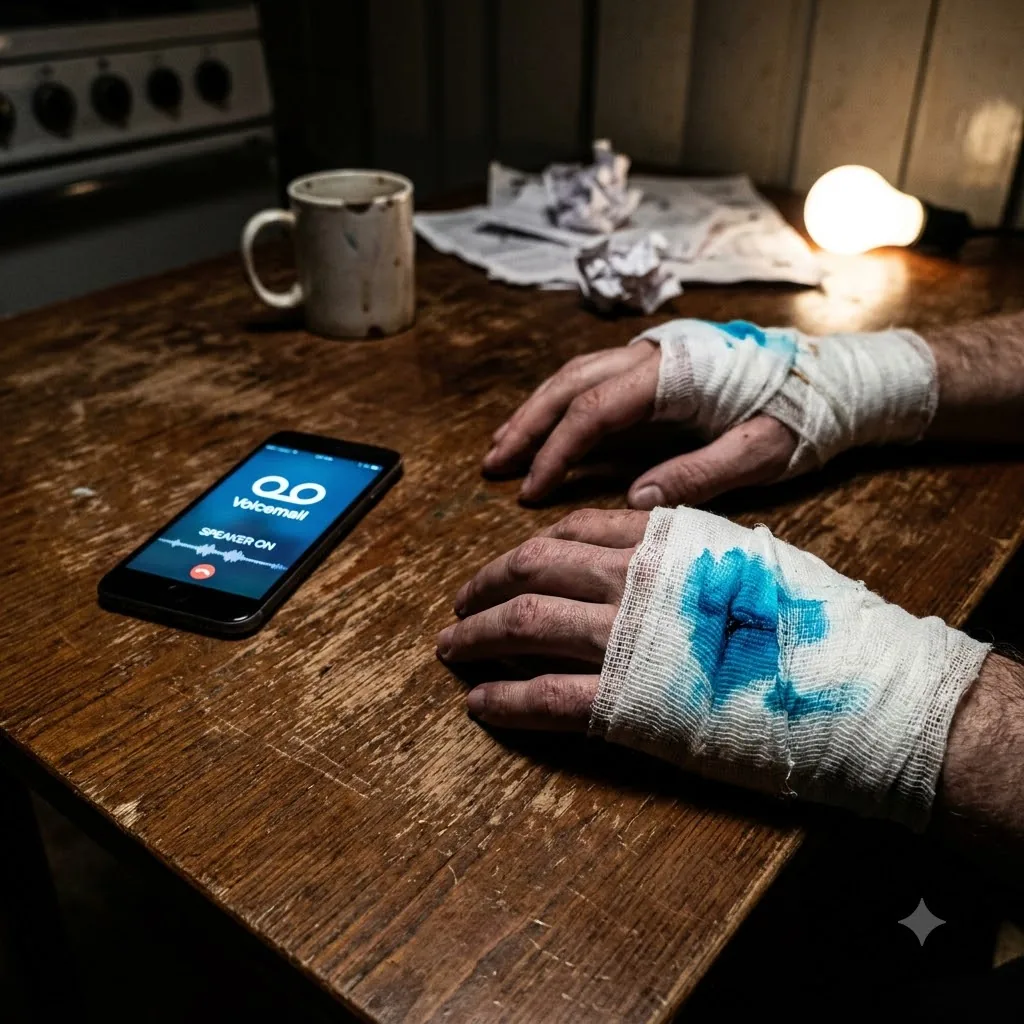
Bright blue liquid seeped rapidly through the layers of fresh white medical gauze wrapped around a pair of trembling hands. The stark, unnatural azure soaked into the cotton fabric on the scratched laminate kitchen table, bringing with it a sharp, chemical sting that burned the air in the cramped apartment. Elena stared at the spreading stain, her stomach tightening at the undeniable, sickening evidence of the toxic harm unfolding right in front of her.
Beside the injured hands, a cracked smartphone sat flat on the table, the speakerphone projecting a slick, unnervingly calm voice.
“We pride ourselves on our award-winning sustainability metrics and our commitment to a strictly ethical supply chain,” the male voice purred through the tinny speaker, sounding completely detached from the reality of the room. “To maintain these rigorous industry standards, our compliance team will be conducting a full documentation audit of all contracted floor staff this Friday, operating in direct cooperation with local enforcement agencies to verify legal work status.”
The recorded voice paused, letting the heavy threat of an immigration sweep hang in the stagnant air.
“Please ensure all personnel have their valid, government-issued identification ready for federal inspection before the start of the morning shift.”
Elena watched the older woman-the owner of the trembling, blue-stained hands-flinch violently at the word federal. The woman pulled her wrapped fingers closer to her chest, her breathing turning shallow and erratic. A thick drop of the vibrant dye dripped onto the faded linoleum floor, leaving a permanent sapphire mark that matched the poisoned sediment on the riverbanks downstream from the industrial park. Elena had spent three exhausting months tracking the hidden supply chain of a fashion brand celebrated worldwide for its eco-friendly, carbon-neutral marketing. She had expected to find manipulated emissions reports or falsely labeled organic cotton farms. She had not expected to find undocumented women chemically burned by synthetic dyes, terrified into absolute silence by the very corporate compliance programs designed to look good on a press release.
The brand was using its public commitment to ethical labor standards as a literal weapon. If a floor worker complained about the chemical exposure, the chronic skin conditions, or the complete lack of protective gear, the factory management simply triggered a routine compliance check. It was a perfectly legal, PR-friendly way to initiate a deportation sweep and silence any potential whistleblowers without dirtying the executives’ hands.
Elena reached out and pressed the end button on the glowing phone screen. The silence that rushed into the kitchen felt heavy and suffocating. The air smelled intensely of sulfur and raw synthetic indigo, an acrid scent that clung desperately to the older worker’s skin, hair, and clothing. Another younger woman stood by the narrow window, peeking through the broken plastic blinds with rigid, terrified posture. Neither of the factory workers spoke. They did not need to. The life-destroying stakes were written in the tight set of their shoulders and the frantic pulse visible in the older woman’s neck.
Elena pulled a fresh roll of gauze and a bottle of sterile saline from her canvas tote bag. She moved slowly, telegraphing her intentions so she would not startle the injured woman. The blue liquid had already saturated the first makeshift bandage, turning the pristine white into a glaring testament to the brand’s true manufacturing process. As Elena carefully unwrapped the ruined cotton, the full extent of the skin irritation and chemical dye absorption became horribly visible beneath the fluorescent kitchen light. The factory management refused to provide industrial gloves. The women handled the raw, untreated textiles with their bare hands, soaking their skin in the toxic color fixatives for twelve hours a shift to produce the season’s highly anticipated ‘sustainable’ summer collection.
Elena knew she had enough raw evidence to write a devastating, career-making exposé. The high-resolution photographs of these stained hands, combined with the chemical analysis of the blue dye she had secretly sampled from the drainage pipe, would destroy the fashion brand’s pristine reputation overnight. But exposing the truth meant triggering the exact mechanism the company used for retaliation. Publishing the story would force a massive public investigation. The company would immediately feign outrage, blame a rogue local contractor for the violations, and initiate a massive compliance sweep to ‘clean up’ the facility. The women sitting in this kitchen would be swept up by federal immigration enforcement before the article even went to print. They would be deported, bearing the permanent physical scars of their labor, while the executives issued solemn apologies and promised their shareholders to do better.
Elena finished wrapping the fresh gauze, securing it tightly with a strip of medical tape. The blue dye immediately began to shadow the new fabric, a relentless, creeping seep of proof that could not simply be washed away. She needed a way to sever the connection between the corporate executives and their ability to use federal immigration as a shield. She had to corner the company leadership before they could execute Friday’s sweep.
The younger woman at the window suddenly stepped back, her breath catching audibly in her throat. She pointed a trembling finger at the street below, her dark eyes wide with unadulterated panic.
Elena stood up and moved quickly to the glass, peering through the jagged gap in the yellowed blinds. A sleek, black luxury sedan was double-parked next to the crumbling curb of the apartment complex. It was a vehicle that had absolutely no business in this forgotten, impoverished industrial neighborhood. The driver’s door remained shut, but the rear passenger door swung open. A man in a tailored charcoal suit stepped onto the cracked sidewalk, buttoning his jacket with practiced, arrogant precision.
Elena recognized him instantly from the glossy corporate prospectuses and the aggressive sustainability summits she had attended undercover over the past year. It was the Vice President of Global Operations.
He looked up, his cold gaze locking directly onto the specific window of the second-floor apartment. He did not hesitate. He walked straight toward the rusted security gate of the building, flanked closely by two broad-shouldered men in plainclothes.
The heavy, hollow thud of dress shoes echoed up the exterior concrete stairwell. The rhythmic sound grew louder, ascending rapidly, bypassing the first floor entirely.
The footsteps stopped right outside the apartment door.
A sharp, authoritative knock rattled the flimsy wooden frame.
Bright blue liquid seeped rapidly through the layers of fresh white medical gauze wrapped around a pair of trembling hands. The stark, unnatural azure soaked into the cotton fabric on the scratched laminate kitchen table, bringing with it a sharp, chemical sting that burned the air in the cramped apartment. Elena stared at the spreading stain, her stomach tightening at the undeniable, sickening evidence of the toxic harm unfolding right in front of her.
Beside the injured hands, a cracked smartphone sat flat on the table, the speakerphone projecting a slick, unnervingly calm voice.
“We pride ourselves on our award-winning sustainability metrics and our commitment to a strictly ethical supply chain,” the male voice purred through the tinny speaker, sounding completely detached from the reality of the room. “To maintain these rigorous industry standards, our compliance team will be conducting a full documentation audit of all contracted floor staff this Friday, operating in direct cooperation with local enforcement agencies to verify legal work status.”
The recorded voice paused, letting the heavy threat of an immigration sweep hang in the stagnant air.
“Please ensure all personnel have their valid, government-issued identification ready for federal inspection before the start of the morning shift.”
Elena watched the older woman-the owner of the trembling, blue-stained hands-flinch violently at the word federal. The woman pulled her wrapped fingers closer to her chest, her breathing turning shallow and erratic. A thick drop of the vibrant dye dripped onto the faded linoleum floor, leaving a permanent sapphire mark that matched the poisoned sediment on the riverbanks downstream from the industrial park. Elena had spent three exhausting months tracking the hidden supply chain of a fashion brand celebrated worldwide for its eco-friendly, carbon-neutral marketing. She had expected to find manipulated emissions reports or falsely labeled organic cotton farms. She had not expected to find undocumented women chemically burned by synthetic dyes, terrified into absolute silence by the very corporate compliance programs designed to look good on a press release.
The brand was using its public commitment to ethical labor standards as a literal weapon. If a floor worker complained about the chemical exposure, the chronic skin conditions, or the complete lack of protective gear, the factory management simply triggered a routine compliance check. It was a perfectly legal, PR-friendly way to initiate a deportation sweep and silence any potential whistleblowers without dirtying the executives’ hands.
Elena reached out and pressed the end button on the glowing phone screen. The silence that rushed into the kitchen felt heavy and suffocating. The air smelled intensely of sulfur and raw synthetic indigo, an acrid scent that clung desperately to the older worker’s skin, hair, and clothing. Another younger woman stood by the narrow window, peeking through the broken plastic blinds with rigid, terrified posture. Neither of the factory workers spoke. They did not need to. The life-destroying stakes were written in the tight set of their shoulders and the frantic pulse visible in the older woman’s neck.
Elena pulled a fresh roll of gauze and a bottle of sterile saline from her canvas tote bag. She moved slowly, telegraphing her intentions so she would not startle the injured woman. The blue liquid had already saturated the first makeshift bandage, turning the pristine white into a glaring testament to the brand’s true manufacturing process. As Elena carefully unwrapped the ruined cotton, the full extent of the skin irritation and chemical dye absorption became horribly visible beneath the fluorescent kitchen light. The factory management refused to provide industrial gloves. The women handled the raw, untreated textiles with their bare hands, soaking their skin in the toxic color fixatives for twelve hours a shift to produce the season’s highly anticipated ‘sustainable’ summer collection.
Elena knew she had enough raw evidence to write a devastating, career-making exposé. The high-resolution photographs of these stained hands, combined with the chemical analysis of the blue dye she had secretly sampled from the drainage pipe, would destroy the fashion brand’s pristine reputation overnight. But exposing the truth meant triggering the exact mechanism the company used for retaliation. Publishing the story would force a massive public investigation. The company would immediately feign outrage, blame a rogue local contractor for the violations, and initiate a massive compliance sweep to ‘clean up’ the facility. The women sitting in this kitchen would be swept up by federal immigration enforcement before the article even went to print. They would be deported, bearing the permanent physical scars of their labor, while the executives issued solemn apologies and promised their shareholders to do better.
Elena finished wrapping the fresh gauze, securing it tightly with a strip of medical tape. The blue dye immediately began to shadow the new fabric, a relentless, creeping seep of proof that could not simply be washed away. She needed a way to sever the connection between the corporate executives and their ability to use federal immigration as a shield. She had to corner the company leadership before they could execute Friday’s sweep.
The younger woman at the window suddenly stepped back, her breath catching audibly in her throat. She pointed a trembling finger at the street below, her dark eyes wide with unadulterated panic.
Elena stood up and moved quickly to the glass, peering through the jagged gap in the yellowed blinds. A sleek, black luxury sedan was double-parked next to the crumbling curb of the apartment complex. It was a vehicle that had absolutely no business in this forgotten, impoverished industrial neighborhood. The driver’s door remained shut, but the rear passenger door swung open. A man in a tailored charcoal suit stepped onto the cracked sidewalk, buttoning his jacket with practiced, arrogant precision.
Elena recognized him instantly from the glossy corporate prospectuses and the aggressive sustainability summits she had attended undercover over the past year. It was the Vice President of Global Operations.
He looked up, his cold gaze locking directly onto the specific window of the second-floor apartment. He did not hesitate. He walked straight toward the rusted security gate of the building, flanked closely by two broad-shouldered men in plainclothes.
The heavy, hollow thud of dress shoes echoed up the exterior concrete stairwell. The rhythmic sound grew louder, ascending rapidly, bypassing the first floor entirely.
The footsteps stopped right outside the apartment door.
A sharp, authoritative knock rattled the flimsy wooden frame.