Story code: ST-001305
Part 1: The Chimney
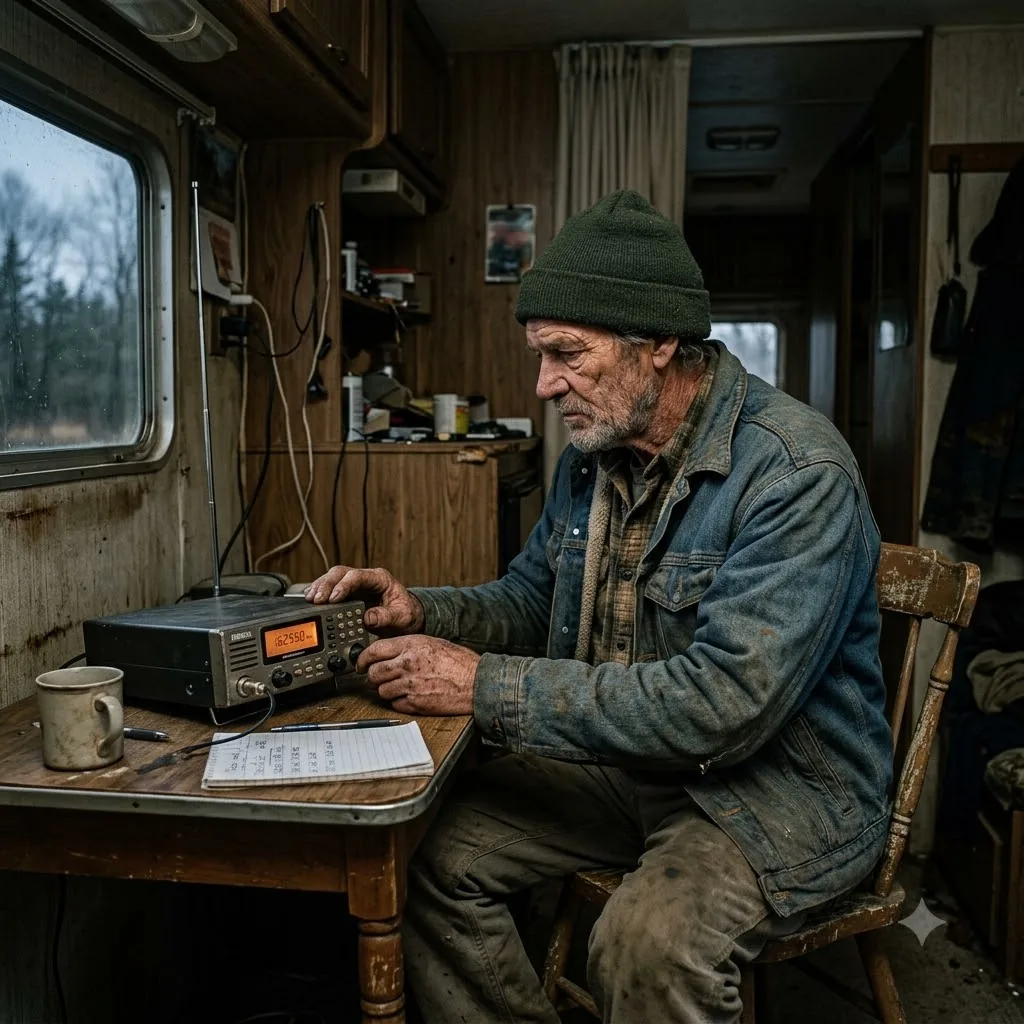
The digital display of the emergency scanner cast a harsh green glow across Elias’s small dinette table, illuminating the worn topographical map pressed under his calloused hands. A burst of static shattered the silence in the dim trailer, followed by the breathless voice of a municipal fire captain reporting a position on the eastern ridge. Elias leaned forward, his finger tracing a line up the contour intervals on the paper, feeling a sudden, cold knot tighten in his gut.
The heat inside the metal walls of the trailer was oppressive, baking the scent of pine needles and old engine oil into his clothes. Through the thin mesh of his screen window, the night sky glowed an unnatural, bruised orange. He ignored the stifling temperature and focused entirely on the heavy, modified Motorola unit pulling in the tactical channels the local volunteers used.
“Engine Four, we are deploying hoses along the canyon floor,” the radio crackled. “Handcrew is pushing up the draw to cut a preliminary line.”
It sounded like standard procedure to a civilian. To Elias, it was a death sentence. He knew the complex topography of Blackwood Ridge better than he knew the scars on his own hands. He stared at the tight rings on the map representing the draw. It was a classic chimney formation. The municipal crew consisted of structural firefighters, men used to hydrants, pressurized hoses, and predictable house fires. They were treating a wildland blaze like a burning barn, anchoring at the bottom and pushing up, assuming the prevailing winds would behave.
Elias could feel the atmospheric pressure dropping in his own chest. He recognized the distinct shift in the air flowing through his window screens, the sudden drop in humidity that meant the valley was about to draw a massive thermal updraft. The wind was going to flip. When it did, the fire would rip up that draw like a runaway freight train. The volunteer crew would have a sheer wall of granite on their left and a wall of accelerating flame on their right.
“Command, we have eyes on the spot fires,” the radio hissed. “Moving in to clear the brush.”
Elias clenched his jaw. He reached for his own handheld transceiver, his thumb hovering over the push-to-talk button to warn them. He stopped. His hand fell heavily back to the tabletop. The thick manila envelope sitting next to his coffee mug seemed to radiate a cold warning. The state seal on the paperwork glared up at him in the green light, detailing the strict legal boundaries set upon his recent release, alongside the absolute mandate to stay away from all emergency personnel. The town had made it clear he was a liability, a risk they refused to tolerate on the fire line.
The scanner cracked again, the static sharper this time. “Command, the smoke column is shifting. We are losing visibility on the upper slope.”
Elias closed his eyes, visualizing the thermal shift already taking place. The draw was sucking the oxygen out of the lower valley, pulling the main body of the fire directly toward the unprotected handcrew. He stood up and paced the short length of his trailer. Three steps to the sink, three steps back. The yellow Nomex shirt hanging on the back of his door caught the ambient light. It was stripped of its state forestry patches, a hollow shell of a life he was no longer legally allowed to live.
The municipal captain’s voice returned. The tone was tighter, frantic, the breathing heavy and rhythmic against the microphone. “Command, the wind just pulled a one-eighty on us. It is coming straight up the chute.” A pause of heavy, rushing static filled the trailer, the sound of roaring air bleeding through the transmission. “We are pinned against the sheer face. We cannot retreat down the draw.”
No aircraft would fly in that concentrated smoke. The canyon was too narrow, the updraft too violent for a helicopter drop. Incident Command would inevitably order them to deploy their emergency fire shelters. But Elias knew the ground in that specific draw. It was nothing but jagged scree, sharp boulders, and dense, dry manzanita roots. There was no flat mineral soil to deploy a shelter safely. The protective aluminum tents would simply melt to the uneven rocks, leaving the men completely exposed to the radiant heat.
The radio went dead silent. The sudden absence of voices was far worse than the panic.
Elias looked at his topographical map one last time. There was an old logging track, completely overgrown and absent from the modern grid, that cut across the blind backside of the ridge. It was the only flanking route left in the sector, a precarious goat path that would put a man directly above the trapped crew. He had cut that exact path himself during a prescribed burn five years ago.
He did not look at the legal warnings on the table again. He walked to his narrow closet and pulled out his heavy leather logger boots, lacing them up with swift, muscle-memory precision. He grabbed the faded yellow Nomex shirt and shoved his arms through the stiff sleeves. Dropping to his knees, he dragged a heavy canvas duffel from under his bed. The metal head of his Pulaski tool clanged against the linoleum floorboards as he pulled it free. The axe blade was honed razor-sharp, the adze polished bright from a decade of cutting fire lines through the roughest terrain in the state.
He slung his canvas pack over his shoulder, gripping the hickory handle of the Pulaski tight in his right hand. He kicked the trailer door open into the choking, ash-filled wind, breaking into a dead sprint toward the dark ridge just as the scanner on the table let out a long, uninterrupted tone of distress.
The digital display of the emergency scanner cast a harsh green glow across Elias’s small dinette table, illuminating the worn topographical map pressed under his calloused hands. A burst of static shattered the silence in the dim trailer, followed by the breathless voice of a municipal fire captain reporting a position on the eastern ridge. Elias leaned forward, his finger tracing a line up the contour intervals on the paper, feeling a sudden, cold knot tighten in his gut.
The heat inside the metal walls of the trailer was oppressive, baking the scent of pine needles and old engine oil into his clothes. Through the thin mesh of his screen window, the night sky glowed an unnatural, bruised orange. He ignored the stifling temperature and focused entirely on the heavy, modified Motorola unit pulling in the tactical channels the local volunteers used.
“Engine Four, we are deploying hoses along the canyon floor,” the radio crackled. “Handcrew is pushing up the draw to cut a preliminary line.”
It sounded like standard procedure to a civilian. To Elias, it was a death sentence. He knew the complex topography of Blackwood Ridge better than he knew the scars on his own hands. He stared at the tight rings on the map representing the draw. It was a classic chimney formation. The municipal crew consisted of structural firefighters, men used to hydrants, pressurized hoses, and predictable house fires. They were treating a wildland blaze like a burning barn, anchoring at the bottom and pushing up, assuming the prevailing winds would behave.
Elias could feel the atmospheric pressure dropping in his own chest. He recognized the distinct shift in the air flowing through his window screens, the sudden drop in humidity that meant the valley was about to draw a massive thermal updraft. The wind was going to flip. When it did, the fire would rip up that draw like a runaway freight train. The volunteer crew would have a sheer wall of granite on their left and a wall of accelerating flame on their right.
“Command, we have eyes on the spot fires,” the radio hissed. “Moving in to clear the brush.”
Elias clenched his jaw. He reached for his own handheld transceiver, his thumb hovering over the push-to-talk button to warn them. He stopped. His hand fell heavily back to the tabletop. The thick manila envelope sitting next to his coffee mug seemed to radiate a cold warning. The state seal on the paperwork glared up at him in the green light, detailing the strict legal boundaries set upon his recent release, alongside the absolute mandate to stay away from all emergency personnel. The town had made it clear he was a liability, a risk they refused to tolerate on the fire line.
The scanner cracked again, the static sharper this time. “Command, the smoke column is shifting. We are losing visibility on the upper slope.”
Elias closed his eyes, visualizing the thermal shift already taking place. The draw was sucking the oxygen out of the lower valley, pulling the main body of the fire directly toward the unprotected handcrew. He stood up and paced the short length of his trailer. Three steps to the sink, three steps back. The yellow Nomex shirt hanging on the back of his door caught the ambient light. It was stripped of its state forestry patches, a hollow shell of a life he was no longer legally allowed to live.
The municipal captain’s voice returned. The tone was tighter, frantic, the breathing heavy and rhythmic against the microphone. “Command, the wind just pulled a one-eighty on us. It is coming straight up the chute.” A pause of heavy, rushing static filled the trailer, the sound of roaring air bleeding through the transmission. “We are pinned against the sheer face. We cannot retreat down the draw.”
No aircraft would fly in that concentrated smoke. The canyon was too narrow, the updraft too violent for a helicopter drop. Incident Command would inevitably order them to deploy their emergency fire shelters. But Elias knew the ground in that specific draw. It was nothing but jagged scree, sharp boulders, and dense, dry manzanita roots. There was no flat mineral soil to deploy a shelter safely. The protective aluminum tents would simply melt to the uneven rocks, leaving the men completely exposed to the radiant heat.
The radio went dead silent. The sudden absence of voices was far worse than the panic.
Elias looked at his topographical map one last time. There was an old logging track, completely overgrown and absent from the modern grid, that cut across the blind backside of the ridge. It was the only flanking route left in the sector, a precarious goat path that would put a man directly above the trapped crew. He had cut that exact path himself during a prescribed burn five years ago.
He did not look at the legal warnings on the table again. He walked to his narrow closet and pulled out his heavy leather logger boots, lacing them up with swift, muscle-memory precision. He grabbed the faded yellow Nomex shirt and shoved his arms through the stiff sleeves. Dropping to his knees, he dragged a heavy canvas duffel from under his bed. The metal head of his Pulaski tool clanged against the linoleum floorboards as he pulled it free. The axe blade was honed razor-sharp, the adze polished bright from a decade of cutting fire lines through the roughest terrain in the state.
He slung his canvas pack over his shoulder, gripping the hickory handle of the Pulaski tight in his right hand. He kicked the trailer door open into the choking, ash-filled wind, breaking into a dead sprint toward the dark ridge just as the scanner on the table let out a long, uninterrupted tone of distress.