Story code: ST-000275
Part 1: Neighborhood Character
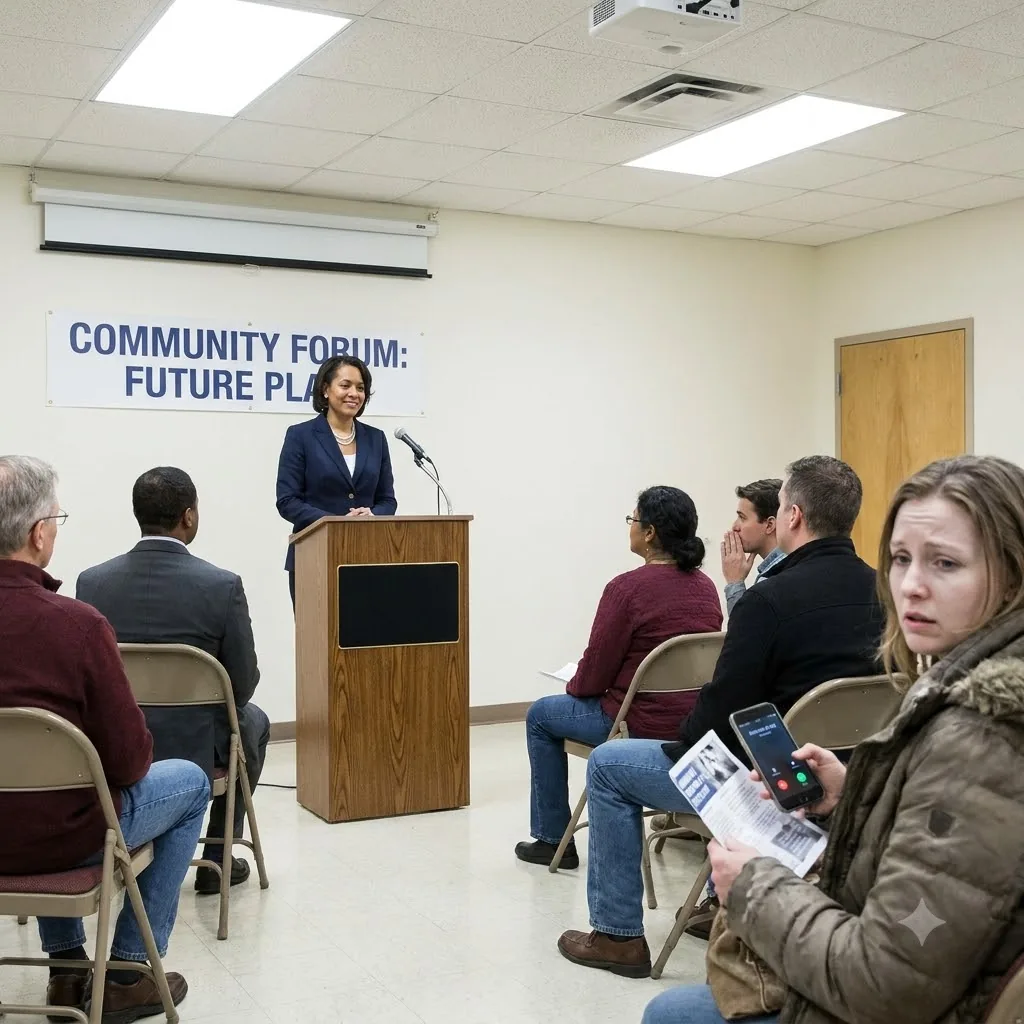
The fluorescent tubes of the Oakridge Community Center hummed a harsh, relentless note as Eleanor adjusted the microphone, offering the room a practiced, sympathetic smile. Leticia sat rigidly in the back row, her sweaty palms gripping a crumpled multi-family housing application until the paper edges cut into her skin.
Eleanor clicked her presentation remote, bringing up a slide titled ‘Preserving Our Shared Environment.’
“It really comes down to neighborhood character,” Eleanor said, her voice dripping with maternal concern. “We all want diverse, thriving communities, but we have to consider the severe impact on traffic density and our aging infrastructure.”
Leticia squeezed her eyes shut, fighting the tremor in her hands. She had walked past Eleanor’s sprawling Victorian home just twenty minutes ago, taking careful note of the vibrant, colorful lawn signs declaring that all neighbors were welcome and that love lived there. Now, standing in front of the zoning board, Eleanor was meticulously organizing a bureaucratic blockade against the very people those progressive signs claimed to protect.
A sharp, sustained vibration buzzed against Leticia’s thigh.
She reached into her heavy winter coat, pulling out her cracked smartphone. The screen lit up with a message from her fifteen-year-old son, Julian.
*They are sitting in the black Honda across from the lobby doors.*
Leticia stopped breathing. The air in the stuffy, brightly lit room suddenly felt entirely depleted, replaced by a cold vacuum that seized her lungs. She stared at the glowing pixels on her screen.
Another message popped up.
*One of them got out. He is looking at our mailbox.*
*I locked the deadbolt but the frame is still busted from last time.*
Leticia’s thumb hovered over the glass. She typed a frantic response telling him to stay away from the windows and to keep the lights off. She looked down at the crushed housing application in her lap. This single piece of paper was supposed to be their emergency exit. The proposed affordable units on Oakridge Avenue meant Julian could transfer to a safe district high school, miles away from the violent zip code that was currently bleeding into their apartment hallway. If she could just get the residency waiver signed tonight, she could pull him out of that building before the weekend.
At the front of the room, Eleanor was pacing gracefully, her expensive cashmere sweater draped perfectly over her shoulders, her gold bracelets clinking softly.
“We simply lack the municipal resources to support a sudden influx of high-density housing,” Eleanor told the nodding crowd of property owners. “This is about protecting the historic integrity of the street. It is a fundamental matter of safety for our children.”
The word *safety* echoed in Leticia’s ears like a physical blow. Her phone vibrated again, nearly slipping from her slick fingers.
*Mom, I hear footsteps on the stairs.*
*They know I am in here.*
Leticia clamped a hand over her mouth to stifle a gasp. The text messages were a terrifying countdown. If this zoning exception was denied tonight, the housing project would be stalled in litigation for years. That delay would trap her and Julian in a building where people were currently climbing the stairs to their floor with terrible intentions. The neighborhood coalition sitting in the folding chairs around Leticia murmured in agreement with Eleanor, blindly supporting the polite, sanitized exclusion.
Eleanor tapped her presentation remote one more time. A colorful bar graph appeared on the projector screen, showing projected noise pollution levels.
“We have to think of the precedent we are setting,” Eleanor continued, placing a manicured hand over her heart. “If we allow developers to bypass our zoning laws, we lose the quiet, peaceful sanctuary we have all worked so hard to build and maintain for our families.”
Leticia stared at Eleanor’s hand resting over her heart. The hypocrisy was a massive, crushing weight pressing down on Leticia’s chest. Eleanor was talking about theoretical noise pollution while Julian was listening to the very real sound of heavy boots stopping right outside their apartment door. These people were using terms like infrastructure strain to mask their disgust for anyone desperate enough to need help.
The buzzing in Leticia’s hand intensified, a long, continuous vibration.
*They are trying the handle.*
*Mom please.*
A cold, blinding fury washed over the sheer terror paralyzing Leticia’s limbs. She looked at the polished, comfortable faces of the homeowners around her. She looked at Eleanor, who was now motioning toward the seated zoning board members with an expression of polite, unyielding denial. The board members were shuffling their papers, preparing to vote. They were going to politely condemn her son to the streets, all while hiding behind progressive platitudes and traffic studies.
Leticia’s fingers crushed the housing application into a tight, damp ball. She shoved her phone into her pocket, the device vibrating furiously with whatever Julian was sending next. She could not wait another second. She could not let Eleanor finish her closing remarks.
“In conclusion,” Eleanor said, stepping back from the wooden podium. “I urge the board to deny the variance and preserve the beautiful, welcoming character of Oakridge.”
Leticia stood up.
She did not raise her hand, nor did she wait for the board chairman to open the floor for public comment. She grabbed the heavy metal folding chair in front of her and shoved it violently out of her path. The metal legs screeched harshly across the polished linoleum floor, a deafening, ugly sound that shattered the polite, sterile silence of the community center.
Eleanor flinched at the podium, her sympathetic smile vanishing instantly.
Leticia marched down the center aisle, her heavy boots stomping against the floorboards as she closed the distance to the microphone.
The fluorescent tubes of the Oakridge Community Center hummed a harsh, relentless note as Eleanor adjusted the microphone, offering the room a practiced, sympathetic smile. Leticia sat rigidly in the back row, her sweaty palms gripping a crumpled multi-family housing application until the paper edges cut into her skin.
Eleanor clicked her presentation remote, bringing up a slide titled ‘Preserving Our Shared Environment.’
“It really comes down to neighborhood character,” Eleanor said, her voice dripping with maternal concern. “We all want diverse, thriving communities, but we have to consider the severe impact on traffic density and our aging infrastructure.”
Leticia squeezed her eyes shut, fighting the tremor in her hands. She had walked past Eleanor’s sprawling Victorian home just twenty minutes ago, taking careful note of the vibrant, colorful lawn signs declaring that all neighbors were welcome and that love lived there. Now, standing in front of the zoning board, Eleanor was meticulously organizing a bureaucratic blockade against the very people those progressive signs claimed to protect.
A sharp, sustained vibration buzzed against Leticia’s thigh.
She reached into her heavy winter coat, pulling out her cracked smartphone. The screen lit up with a message from her fifteen-year-old son, Julian.
*They are sitting in the black Honda across from the lobby doors.*
Leticia stopped breathing. The air in the stuffy, brightly lit room suddenly felt entirely depleted, replaced by a cold vacuum that seized her lungs. She stared at the glowing pixels on her screen.
Another message popped up.
*One of them got out. He is looking at our mailbox.*
*I locked the deadbolt but the frame is still busted from last time.*
Leticia’s thumb hovered over the glass. She typed a frantic response telling him to stay away from the windows and to keep the lights off. She looked down at the crushed housing application in her lap. This single piece of paper was supposed to be their emergency exit. The proposed affordable units on Oakridge Avenue meant Julian could transfer to a safe district high school, miles away from the violent zip code that was currently bleeding into their apartment hallway. If she could just get the residency waiver signed tonight, she could pull him out of that building before the weekend.
At the front of the room, Eleanor was pacing gracefully, her expensive cashmere sweater draped perfectly over her shoulders, her gold bracelets clinking softly.
“We simply lack the municipal resources to support a sudden influx of high-density housing,” Eleanor told the nodding crowd of property owners. “This is about protecting the historic integrity of the street. It is a fundamental matter of safety for our children.”
The word *safety* echoed in Leticia’s ears like a physical blow. Her phone vibrated again, nearly slipping from her slick fingers.
*Mom, I hear footsteps on the stairs.*
*They know I am in here.*
Leticia clamped a hand over her mouth to stifle a gasp. The text messages were a terrifying countdown. If this zoning exception was denied tonight, the housing project would be stalled in litigation for years. That delay would trap her and Julian in a building where people were currently climbing the stairs to their floor with terrible intentions. The neighborhood coalition sitting in the folding chairs around Leticia murmured in agreement with Eleanor, blindly supporting the polite, sanitized exclusion.
Eleanor tapped her presentation remote one more time. A colorful bar graph appeared on the projector screen, showing projected noise pollution levels.
“We have to think of the precedent we are setting,” Eleanor continued, placing a manicured hand over her heart. “If we allow developers to bypass our zoning laws, we lose the quiet, peaceful sanctuary we have all worked so hard to build and maintain for our families.”
Leticia stared at Eleanor’s hand resting over her heart. The hypocrisy was a massive, crushing weight pressing down on Leticia’s chest. Eleanor was talking about theoretical noise pollution while Julian was listening to the very real sound of heavy boots stopping right outside their apartment door. These people were using terms like infrastructure strain to mask their disgust for anyone desperate enough to need help.
The buzzing in Leticia’s hand intensified, a long, continuous vibration.
*They are trying the handle.*
*Mom please.*
A cold, blinding fury washed over the sheer terror paralyzing Leticia’s limbs. She looked at the polished, comfortable faces of the homeowners around her. She looked at Eleanor, who was now motioning toward the seated zoning board members with an expression of polite, unyielding denial. The board members were shuffling their papers, preparing to vote. They were going to politely condemn her son to the streets, all while hiding behind progressive platitudes and traffic studies.
Leticia’s fingers crushed the housing application into a tight, damp ball. She shoved her phone into her pocket, the device vibrating furiously with whatever Julian was sending next. She could not wait another second. She could not let Eleanor finish her closing remarks.
“In conclusion,” Eleanor said, stepping back from the wooden podium. “I urge the board to deny the variance and preserve the beautiful, welcoming character of Oakridge.”
Leticia stood up.
She did not raise her hand, nor did she wait for the board chairman to open the floor for public comment. She grabbed the heavy metal folding chair in front of her and shoved it violently out of her path. The metal legs screeched harshly across the polished linoleum floor, a deafening, ugly sound that shattered the polite, sterile silence of the community center.
Eleanor flinched at the podium, her sympathetic smile vanishing instantly.
Leticia marched down the center aisle, her heavy boots stomping against the floorboards as she closed the distance to the microphone.