Story code: ST-001106
Part 3: The Backlog
The interior of the sedan vibrated violently as the tow truck’s winch strained against the locked rear brakes. Elias kept his eyes fixed on the dashboard reverse camera monitor. The glowing amber screen displayed the yellow proximity gridlines superimposed over the damp concrete of the driveway. He ignored the high-pitched screech of his rear tires tearing themselves apart against the pavement. He ignored the acrid, chemical smell of vaporizing rubber that began to bleed through the climate control vents. He focused entirely on the geometry of the property line.
The transition between the private concrete apron of the driveway and the public asphalt of the municipal cul-de-sac was marked by a one-inch drop in elevation and a rough gutter seam. The tow truck roared, black diesel smoke pluming into the morning fog as it dragged the heavy sedan backward. Inch by agonizing inch, the yellow gridlines on Elias’s screen crept toward the gutter.
The heavy rear chassis of the sedan suddenly dipped. The suspension groaned as the back tires dropped over the concrete lip, struck the gutter seam, and bounced up onto the crowned asphalt of the city street. The vehicle was now fully positioned on public property. The exact boundary of legal liability had been crossed.
Elias immediately pressed his thumb down on the electronic parking brake switch.
The sudden, total release of four thousand pounds of resistance caused the tow truck to surge violently backward. The thick steel tow cable whipped and snapped taut against the winch drum. The truck’s rear dual tires chirped against the wet asphalt, and the massive diesel engine, suddenly deprived of its load, bogged down. A harsh metallic shudder rocked the truck’s frame before the engine stalled completely, plunging the street into a sudden, ringing silence.
Elias shifted his transmission into park. He reached across the center console to the passenger footwell and gripped the thick canvas handle of a massive, black accordion folder. It was dense and unwieldy, packed to its physical limit with four hundred pages of heavily redacted paperwork, medical imaging discs, and administrative correspondence. He hauled the heavy file onto his lap, unbuckled his seatbelt, and pushed his door open.
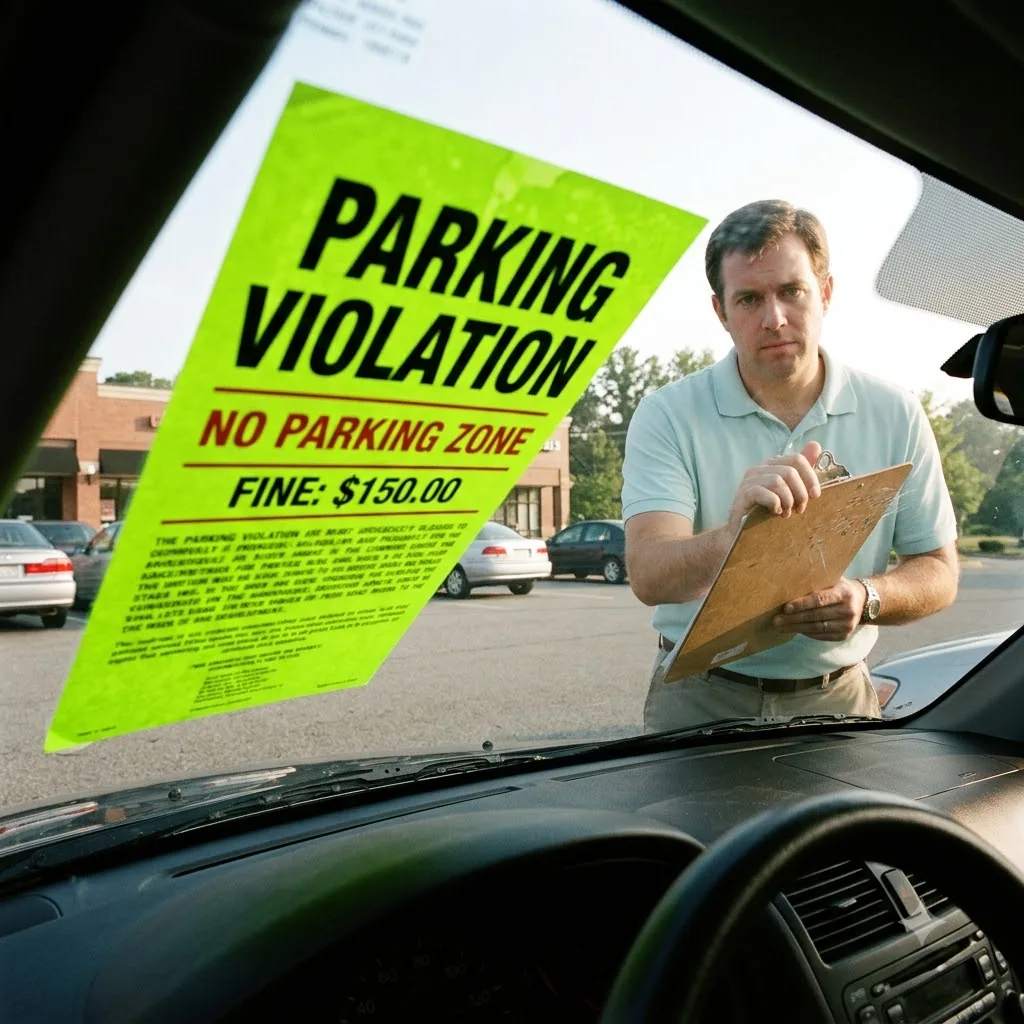
The cold, damp morning air washed into the cabin, clearing the smell of burnt rubber. Outside, the tow driver was cursing loudly, massaging his neck as he climbed out of the stalled truck. Richard, the HOA president, was already marching toward Elias’s open door, pulling a smartphone from the pocket of his navy tracksuit. Richard slapped his heavy plastic clipboard-clipping a thick stack of the morning’s HOA meeting agendas and violation notices-face-up onto the hood of Elias’s sedan.
“That’s it! You’re done!” Richard shouted, his face flushed a mottled, furious red under the amber streetlights. He tapped his phone screen aggressively. “You are officially obstructing a roadway. You are on municipal property now, buddy. I am calling city dispatch. The police are going to hook this derelict piece of trash, and you are going to jail for interfering with an authorized impound.”
Elias stepped out of the vehicle. He did not look at the tow truck driver. He did not look at the phone in Richard’s hand. He held the massive black binder against his ribs, calculating the exact distance between his front bumper and Richard’s position.
“The tow operator dragged an occupied vehicle across a municipal property line without a police presence or a city-issued warrant,” Elias said, his voice perfectly flat, carrying clearly through the fog. He looked over Richard’s shoulder at the man in the grease-stained vest. “That is a federal offense. I suggest you detach your cable and leave before dispatch answers that call.”
The tow driver froze, looking from Elias, to the street signs, and then to the heavy steel hook attached to the sedan’s axle. He took a slow step backward toward his truck.
“Don’t you dare unhook that car!” Richard snapped, slamming his fist onto the stack of HOA agendas resting on the hood. He turned his vitriol back to Elias. “You think you can out-litigate me over a parking violation? I write the bylaws for this community. I run the vendor contracts. I decide who stays and who gets penalized.”
Elias closed the distance. He stood directly across the hood from Richard.
“I am well aware of how you manage your administrative domains,” Elias said. He lifted the four-hundred-page medical file and dropped it squarely onto Richard’s clipboard.
The sheer density of the binder hit the metal clip with a sharp, heavy *crack*, crushing the HOA agenda stack flat against the hood of the car. Dust and condensation sprayed out from the impact.
Richard flinched, his thumb hovering over the dial button on his phone. He stared down at the massive black file, then back up at Elias. “What the hell is this?”
“You pride yourself on aggressive efficiency, Richard,” Elias said, keeping his eyes locked onto the older man’s face. “Just like you do at your primary office downtown. Isn’t that right, Director Vance?”
Richard’s jaw tightened. The phone in his hand slowly lowered by an inch.
“Regional Director of the Veterans Health Administration for District Seven,” Elias stated, reciting the title with mechanical precision. He placed his hand flat against the plastic cover of the heavy file. “Eighty-two thousand, four hundred and sixteen dollars, and fifty-three cents. That was your executive performance bonus last fiscal quarter.”
The flush of arrogant anger on Richard’s face instantly evaporated, replaced by a sudden, rigid stillness.
“A financial reward for successfully reducing the regional patient backlog by thirty-four percent,” Elias continued, his voice dropping in volume but sharpening in intensity. “A metric you achieved by implementing a shadow policy. You ordered the automated system to route all complex surgical consults into a localized ‘pending review’ loop. Every ninety days, the system resets the patient’s wait-time clock to zero, artificially clearing your queue without scheduling a single operation.”
Richard’s mouth opened, but no sound came out. His eyes darted nervously toward the tow truck driver, who was now quietly loosening the winch tension, trying to become invisible.
Elias tapped the top of the crushed agenda stack. “This is my medical file. Four hundred pages. Three years of deferred spinal surgeries. Seven consecutive administrative loops. I didn’t park in my driveway to test your neighborhood covenants, Director. I parked here because I knew you couldn’t finish your morning patrol without stopping to enforce a rule.”