Story code: ST-000659
Part 1: Administrative Hold
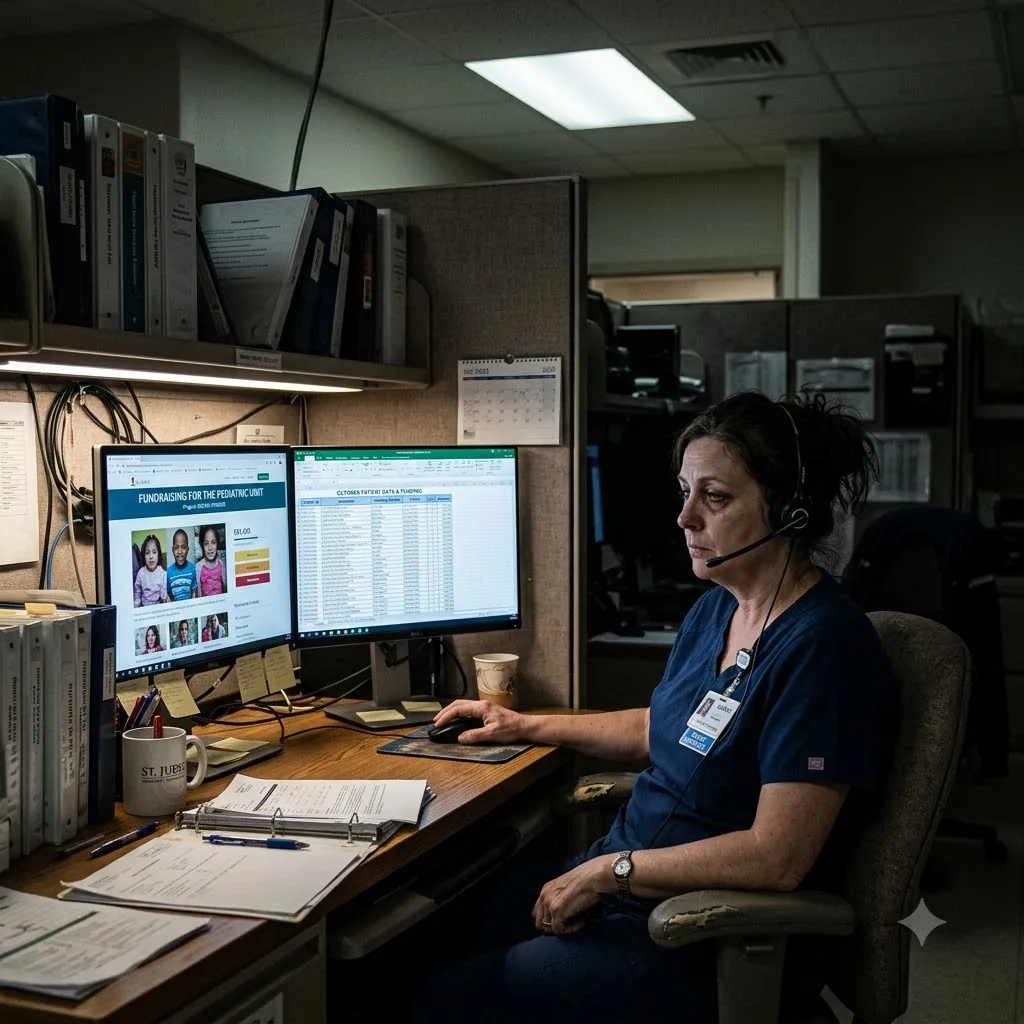
The fluorescent lights of the fourth-floor billing matrix hummed a flat, relentless G-note over Elena’s desk. It was barely seven in the morning, and the administrative floor remained a ghost town of empty cubicles and powered-down monitors. Elena hit the spacebar twice, cycling past a dozen standard insurance denials, and brought up the flagged file for a patient named Marcus Thorne. The digital ledger glowed in harsh blue text, indicating a standard, uncomplicated discharge from Tuesday morning. Marcus had sustained a gunshot wound to the lower left shoulder. The hospital’s internal system showed an outstanding, uninsured balance of forty-two thousand, six hundred and ten dollars.
Elena scrolled down to the attending physician’s notes. The entry was brief and clinical. The patient had walked out of the emergency room three days prior with a prescription for basic antibiotics, a mesh sling, and instructions to keep the entry wound clean.
She tapped her red pen against the rim of her ceramic mug. She highlighted the outstanding balance, preparing to select the macro for a standard collections push. Before she could finalize the keystroke, the hospital’s asset-scraping software pinged. A bright yellow banner materialized on her secondary monitor. The system had found a direct match between Marcus’s admission data and an active, high-yield public crowdfunding campaign.
Elena clicked the generated URL. The browser populated with a GoFundMe page, anchored by a high-definition video of a young woman standing just outside the hospital’s main entrance. The bold, capitalized campaign title demanded immediate attention. It begged the public to save her brother Marcus, claiming he required a highly specialized, immediate spinal surgery to prevent permanent paralysis.
In the video, the woman stared directly into the camera lens. She wiped tears from her cheeks, her voice trembling as she described the horrific damage to her brother’s spine. She spoke of titanium rods, specialized neurosurgeons, and months of grueling physical therapy. She pointed up at the hospital logo on the building behind her, claiming the administration was refusing to operate until a massive down payment materialized.
Elena pulled up the medical chart a second time. She ran her cursor over the imaging results. The bullet had entered and exited without touching a single vertebra, grazing only muscle tissue. Marcus had passed all motor function tests. He had left the premises on his own two feet at six in the morning, entirely unparalyzed.
She looked back at the campaign page. The donation counter sat at eighty-nine thousand dollars. It climbed higher with every refresh of the browser. A fresh twenty-dollar donation popped up, accompanied by a prayer emoji from a stranger in Ohio. Another fifty dollars arrived from a local church group. The sister, listed as the campaign organizer under the name Shay Thorne, had posted a recent text update thanking the community for giving Marcus a fighting chance at a normal life.
A cynical smirk pulled at the corner of Elena’s mouth. In five years working the collections floor, she had seen every variation of medical debt evasion. People routinely faked addresses, forged pay stubs, and claimed absolute destitution while driving luxury vehicles. But the sheer scale of this grift stood out. Running a massive, viral fraud utilizing the hospital’s geographic backdrop took a special kind of arrogance.
The hospital possessed a dedicated legal portal with major crowdfunding sites for exactly this type of discrepancy. By the platform’s terms of service, any funds raised under the explicit premise of medical care at a specific facility could be frozen. If the campaign proved fraudulent, the money could be forcefully redirected to cover the actual, legitimate outstanding debt of the patient.
Elena leaned forward, her fingers flying across the mechanical keyboard. She drafted the freeze request with practiced precision. She attached the certified discharge papers, the final billing ledger, and the physician’s sign-off confirming the minor nature of the wound. She checked the box asserting fraudulent misrepresentation of medical needs. She calculated the exact total owed to the hospital and requested a permanent hold on the remaining campaign funds pending immediate legal review.
The sterile, quiet atmosphere of the billing department contrasted sharply with the aggressive legal maneuver she was executing. She took a moment to review the digital attachments. The paperwork was flawless. The system required a final authorization code to lock the account. Elena typed her unique employee identification number into the prompt. She hit enter.
The screen flashed a green confirmation checkmark. The eighty-nine thousand dollars sitting in the Thorne campaign moved instantly into a locked escrow status. It was now completely inaccessible to Shay, Marcus, or anyone else.
Elena reached for her coffee, satisfied with a closed case. She took a slow sip, enjoying the silence of the empty floor.
The black telephone on the corner of her desk blared to life.
It was her direct, unlisted administrative extension. This specific line bypassed the hospital switchboard entirely. It was hardwired and reserved strictly for internal legal counsel and the billing director. It never rang from an outside line, and the director was currently on a flight to Denver.
Elena froze, her coffee mug hovering inches from her mouth. She stared at the flashing red light on the receiver. The shrill, mechanical ring echoed down the long, empty cubicle aisle, demanding an answer.
The fluorescent lights of the fourth-floor billing matrix hummed a flat, relentless G-note over Elena’s desk. It was barely seven in the morning, and the administrative floor remained a ghost town of empty cubicles and powered-down monitors. Elena hit the spacebar twice, cycling past a dozen standard insurance denials, and brought up the flagged file for a patient named Marcus Thorne. The digital ledger glowed in harsh blue text, indicating a standard, uncomplicated discharge from Tuesday morning. Marcus had sustained a gunshot wound to the lower left shoulder. The hospital’s internal system showed an outstanding, uninsured balance of forty-two thousand, six hundred and ten dollars.
Elena scrolled down to the attending physician’s notes. The entry was brief and clinical. The patient had walked out of the emergency room three days prior with a prescription for basic antibiotics, a mesh sling, and instructions to keep the entry wound clean.
She tapped her red pen against the rim of her ceramic mug. She highlighted the outstanding balance, preparing to select the macro for a standard collections push. Before she could finalize the keystroke, the hospital’s asset-scraping software pinged. A bright yellow banner materialized on her secondary monitor. The system had found a direct match between Marcus’s admission data and an active, high-yield public crowdfunding campaign.
Elena clicked the generated URL. The browser populated with a GoFundMe page, anchored by a high-definition video of a young woman standing just outside the hospital’s main entrance. The bold, capitalized campaign title demanded immediate attention. It begged the public to save her brother Marcus, claiming he required a highly specialized, immediate spinal surgery to prevent permanent paralysis.
In the video, the woman stared directly into the camera lens. She wiped tears from her cheeks, her voice trembling as she described the horrific damage to her brother’s spine. She spoke of titanium rods, specialized neurosurgeons, and months of grueling physical therapy. She pointed up at the hospital logo on the building behind her, claiming the administration was refusing to operate until a massive down payment materialized.
Elena pulled up the medical chart a second time. She ran her cursor over the imaging results. The bullet had entered and exited without touching a single vertebra, grazing only muscle tissue. Marcus had passed all motor function tests. He had left the premises on his own two feet at six in the morning, entirely unparalyzed.
She looked back at the campaign page. The donation counter sat at eighty-nine thousand dollars. It climbed higher with every refresh of the browser. A fresh twenty-dollar donation popped up, accompanied by a prayer emoji from a stranger in Ohio. Another fifty dollars arrived from a local church group. The sister, listed as the campaign organizer under the name Shay Thorne, had posted a recent text update thanking the community for giving Marcus a fighting chance at a normal life.
A cynical smirk pulled at the corner of Elena’s mouth. In five years working the collections floor, she had seen every variation of medical debt evasion. People routinely faked addresses, forged pay stubs, and claimed absolute destitution while driving luxury vehicles. But the sheer scale of this grift stood out. Running a massive, viral fraud utilizing the hospital’s geographic backdrop took a special kind of arrogance.
The hospital possessed a dedicated legal portal with major crowdfunding sites for exactly this type of discrepancy. By the platform’s terms of service, any funds raised under the explicit premise of medical care at a specific facility could be frozen. If the campaign proved fraudulent, the money could be forcefully redirected to cover the actual, legitimate outstanding debt of the patient.
Elena leaned forward, her fingers flying across the mechanical keyboard. She drafted the freeze request with practiced precision. She attached the certified discharge papers, the final billing ledger, and the physician’s sign-off confirming the minor nature of the wound. She checked the box asserting fraudulent misrepresentation of medical needs. She calculated the exact total owed to the hospital and requested a permanent hold on the remaining campaign funds pending immediate legal review.
The sterile, quiet atmosphere of the billing department contrasted sharply with the aggressive legal maneuver she was executing. She took a moment to review the digital attachments. The paperwork was flawless. The system required a final authorization code to lock the account. Elena typed her unique employee identification number into the prompt. She hit enter.
The screen flashed a green confirmation checkmark. The eighty-nine thousand dollars sitting in the Thorne campaign moved instantly into a locked escrow status. It was now completely inaccessible to Shay, Marcus, or anyone else.
Elena reached for her coffee, satisfied with a closed case. She took a slow sip, enjoying the silence of the empty floor.
The black telephone on the corner of her desk blared to life.
It was her direct, unlisted administrative extension. This specific line bypassed the hospital switchboard entirely. It was hardwired and reserved strictly for internal legal counsel and the billing director. It never rang from an outside line, and the director was currently on a flight to Denver.
Elena froze, her coffee mug hovering inches from her mouth. She stared at the flashing red light on the receiver. The shrill, mechanical ring echoed down the long, empty cubicle aisle, demanding an answer.