Story code: ST-000598
Part 1: Threat Level High
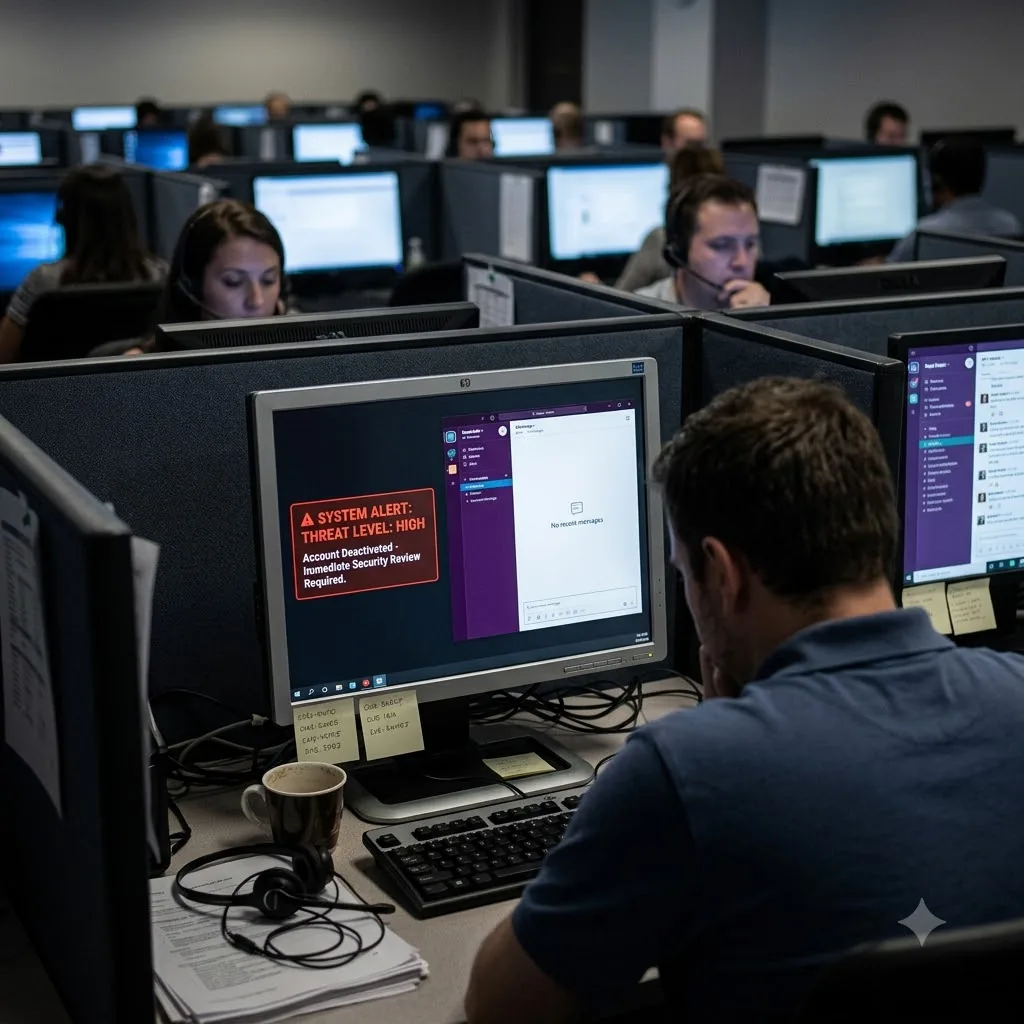
The red banner flashing *Threat Level: High* illuminated the smudge marks on Ana’s monitor in the Manila operations center. She pressed her headset tighter to her ear, trying to reconcile the AI’s stark red warning of *Aggressive Intimidation* with the audio actually playing from the customer’s ring-camera clip. The system had already executed a permanent, irreversible ban on the delivery driver. The dashboard showed a sterile timeline of the event, complete with GPS coordinates mapping a path to a sprawling suburban porch in Ohio. A timestamp logged the package drop, followed immediately by the AI trigger flagging an escalated vocal pattern and aggressive posturing.
Ana stared at the screen, her cursor hovering over the manual override button. It remained a dull, unclickable gray.
She looped the ten-second audio file again. There was no shouting. There were no threats. Through the static of the cheap porch microphone, an older man’s voice trembled. He was stammering, his breath catching in ragged, uneven gasps. He apologized repeatedly to the empty doorway, his voice cracking with raw panic. He had dropped a fragile box and was begging the homeowner not to report him to the platform. The sound of his frantic, scraping footsteps on the concrete steps painted a picture of absolute terror, not aggression. The algorithm had mistaken his high-pitched, breathless panic for violent escalation, logging his frantic apologies as erratic, dangerous behavior.
The call center floor hummed around her. Hundreds of agents sat bathed in the glow of dual monitors, reciting scripted empathy to faceless customers thousands of miles away. The air conditioning blasted from the exposed ceiling vents, keeping the room at a crisp, uncomfortable temperature designed to keep the night shift awake. Ana shivered in her thin uniform cardigan. Her eyes darted back to the permanent ban notice on her left monitor. This was a death sentence for a gig worker. There was no standard appeal process and no human review unless escalated by a Tier 2 agent.
The driver was currently on hold on Line 1. He had called in, desperate, and the routing system had dumped him into the Manila queue after the app locked him out at a gas station. Ana unmuted the line for a split second to check his status. The heavy, wet sound of a grown man weeping filled her ear. He was sobbing, murmuring broken sentences about his overdue rent and his wife’s medication. Ana quickly hit the mute button again, her chest tightening. The sound was too intimate, too raw for the sterile, fluorescent-lit room.
She dragged her mouse to the right side of the screen. The *Reverse Decision* button was locked behind a heavy padlock icon. A recent software update had stripped offshore agents of the ability to override safety bans without explicit US supervisor approval. The system demanded a secondary authorization code.
Ana opened her internal messaging tool. She selected the name of the on-duty supervisor in the Texas office, a manager known only as C. Vance on the roster. She typed a rapid, detailed explanation. She outlined the false positive, the clear age of the driver in the audio, the non-threatening nature of his panic, and the lack of any physical danger to the customer. She hit send and watched the message appear in the cold white space of the chat window.
The digital clock in the bottom right corner of her screen ticked forward. A full minute passed. The driver on Line 1 continued to weep, the audio leaking through the mute barrier just enough to echo faintly in Ana’s earpiece. Company policy was brutally strict regarding wait times, treating dead air as a severe metric violation. She needed an answer immediately.
The chat window pinged. C. Vance had replied.
The response was a dense wall of corporate jargon. The message cited standard operating procedures, liability protocols, and the absolute infallibility of the new machine-learning safety suite. The exact reasoning for refusing the override was buried in a maze of acronyms, legal disclaimers, and policy references. Ana scanned the text desperately, looking for a simple authorization code to unlock her screen. There was no code. There was only a rigid directive to end the call and uphold the algorithm’s decision.
Ana’s fingers flew across her keyboard. She refused to accept the boilerplate answer. She typed out another message, urging the supervisor to actually put on headphones and listen to the attached ring-camera file. She pointed out that the AI had demonstrably failed its primary function. She noted the driver’s spotless five-year record prior to this single, misclassified event. She sent the message, her pulse hammering against her ribs. She was risking a formal write-up for insubordination.
On the live phone line, the driver’s weeping escalated into a choked, breathless gasp. He begged the silent void of the hold music, pleading for someone on the other end to tell him it was all just a technical glitch. Ana stared intensely at the messaging app.
Three small gray dots appeared at the bottom of the chat window. C. Vance was typing.
The dots bounced in a slow, rhythmic wave. The supervisor was preparing a response. Ana held her breath, keeping her cursor parked directly over the grayed-out override button, waiting for the code. The driver let out a devastated, echoing wail through the headset.
The three bouncing dots in the chat window abruptly vanished. The screen sat still, blank, and silent.
The red banner flashing *Threat Level: High* illuminated the smudge marks on Ana’s monitor in the Manila operations center. She pressed her headset tighter to her ear, trying to reconcile the AI’s stark red warning of *Aggressive Intimidation* with the audio actually playing from the customer’s ring-camera clip. The system had already executed a permanent, irreversible ban on the delivery driver. The dashboard showed a sterile timeline of the event, complete with GPS coordinates mapping a path to a sprawling suburban porch in Ohio. A timestamp logged the package drop, followed immediately by the AI trigger flagging an escalated vocal pattern and aggressive posturing.
Ana stared at the screen, her cursor hovering over the manual override button. It remained a dull, unclickable gray.
She looped the ten-second audio file again. There was no shouting. There were no threats. Through the static of the cheap porch microphone, an older man’s voice trembled. He was stammering, his breath catching in ragged, uneven gasps. He apologized repeatedly to the empty doorway, his voice cracking with raw panic. He had dropped a fragile box and was begging the homeowner not to report him to the platform. The sound of his frantic, scraping footsteps on the concrete steps painted a picture of absolute terror, not aggression. The algorithm had mistaken his high-pitched, breathless panic for violent escalation, logging his frantic apologies as erratic, dangerous behavior.
The call center floor hummed around her. Hundreds of agents sat bathed in the glow of dual monitors, reciting scripted empathy to faceless customers thousands of miles away. The air conditioning blasted from the exposed ceiling vents, keeping the room at a crisp, uncomfortable temperature designed to keep the night shift awake. Ana shivered in her thin uniform cardigan. Her eyes darted back to the permanent ban notice on her left monitor. This was a death sentence for a gig worker. There was no standard appeal process and no human review unless escalated by a Tier 2 agent.
The driver was currently on hold on Line 1. He had called in, desperate, and the routing system had dumped him into the Manila queue after the app locked him out at a gas station. Ana unmuted the line for a split second to check his status. The heavy, wet sound of a grown man weeping filled her ear. He was sobbing, murmuring broken sentences about his overdue rent and his wife’s medication. Ana quickly hit the mute button again, her chest tightening. The sound was too intimate, too raw for the sterile, fluorescent-lit room.
She dragged her mouse to the right side of the screen. The *Reverse Decision* button was locked behind a heavy padlock icon. A recent software update had stripped offshore agents of the ability to override safety bans without explicit US supervisor approval. The system demanded a secondary authorization code.
Ana opened her internal messaging tool. She selected the name of the on-duty supervisor in the Texas office, a manager known only as C. Vance on the roster. She typed a rapid, detailed explanation. She outlined the false positive, the clear age of the driver in the audio, the non-threatening nature of his panic, and the lack of any physical danger to the customer. She hit send and watched the message appear in the cold white space of the chat window.
The digital clock in the bottom right corner of her screen ticked forward. A full minute passed. The driver on Line 1 continued to weep, the audio leaking through the mute barrier just enough to echo faintly in Ana’s earpiece. Company policy was brutally strict regarding wait times, treating dead air as a severe metric violation. She needed an answer immediately.
The chat window pinged. C. Vance had replied.
The response was a dense wall of corporate jargon. The message cited standard operating procedures, liability protocols, and the absolute infallibility of the new machine-learning safety suite. The exact reasoning for refusing the override was buried in a maze of acronyms, legal disclaimers, and policy references. Ana scanned the text desperately, looking for a simple authorization code to unlock her screen. There was no code. There was only a rigid directive to end the call and uphold the algorithm’s decision.
Ana’s fingers flew across her keyboard. She refused to accept the boilerplate answer. She typed out another message, urging the supervisor to actually put on headphones and listen to the attached ring-camera file. She pointed out that the AI had demonstrably failed its primary function. She noted the driver’s spotless five-year record prior to this single, misclassified event. She sent the message, her pulse hammering against her ribs. She was risking a formal write-up for insubordination.
On the live phone line, the driver’s weeping escalated into a choked, breathless gasp. He begged the silent void of the hold music, pleading for someone on the other end to tell him it was all just a technical glitch. Ana stared intensely at the messaging app.
Three small gray dots appeared at the bottom of the chat window. C. Vance was typing.
The dots bounced in a slow, rhythmic wave. The supervisor was preparing a response. Ana held her breath, keeping her cursor parked directly over the grayed-out override button, waiting for the code. The driver let out a devastated, echoing wail through the headset.
The three bouncing dots in the chat window abruptly vanished. The screen sat still, blank, and silent.