Story code: ST-001306
Part 1: Zero Transactions
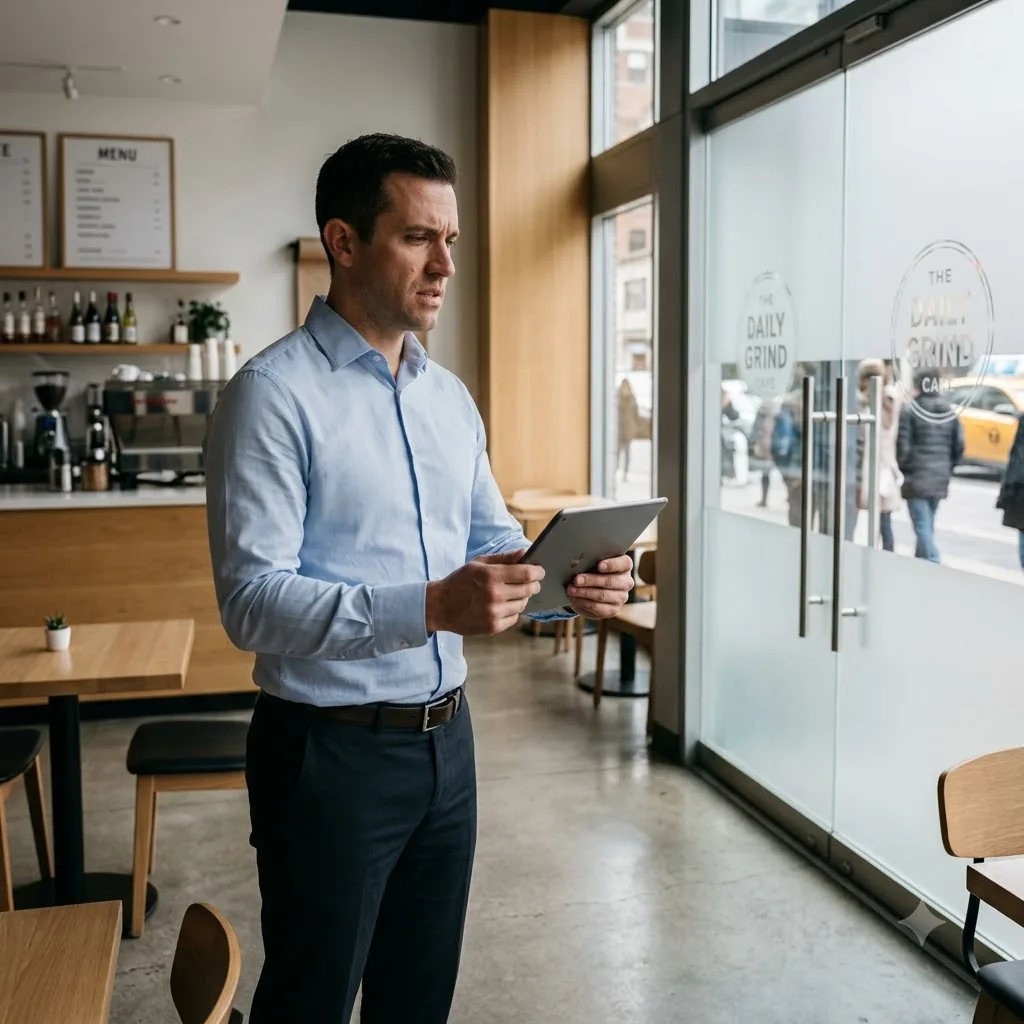
Arthur tapped the refresh icon on the main point-of-sale terminal for the fourteenth time in three minutes. The screen flickered, fetched data from the cloud, and rendered the same agonizing number in the top right corner. Zero dollars. Zero transactions. It was eight-fifteen on a Tuesday. The morning rush was supposed to account for sixty percent of his daily revenue.
He wiped down the already spotless espresso counter, calculating the burn rate of his corporate severance package. He had traded a secure, decade-long career in logistics for this glass-fronted franchise, betting his entire safety net on the foot traffic metrics promised by the parent company. The corporate sales pitch had been flawless, backed by heat maps and algorithmic projections guaranteeing a steady flow of commuters. Now, the dashboard showed a flatline. Forty minutes into the most critical window of the day, the revenue chart remained a barren, horizontal line.
He ducked under the counter and checked the blinking lights on the WiFi repeater. Solid green. He pulled up the franchise app on his phone. The network was fine. The automated order-routing software must have crashed, or maybe a botched overnight update had wiped his store off the regional map. He rebooted the main terminal. He knelt in the back room and reset the primary router, counting to thirty before plugging it back in. He even checked the breaker box, flipping switches to ensure the network switches had full power. Every piece of silicon and wire functioned perfectly.
The silence in the café was unnatural. The commercial espresso machine hissed softly, keeping boiler pressure, waiting for a queue of customers that did not exist. Arthur walked over to the pastry case. The croissants rested in perfect, undisturbed rows under the warm display lights. He had baked them at four in the morning, following the strict corporate prep schedule. He pulled out his phone again and opened the customer-facing app on cellular data, searching for his own location as if he were a commuter walking off the train. The green pin was right there. The store was listed as open. The wait time showed as zero minutes.
He grabbed his microfiber cloth and polished the steam wand with rigid, frantic motions. The routing algorithm was supposed to be infallible. It mapped local caffeine dependencies, directed loyalty-program members to the shortest line, and dynamically adjusted prices based on neighborhood demand. If the system was working, the problem had to be a localized blackout. A fiber-optic line cut by a construction crew down the block. A regional outage with the payment processor blocking transactions before they reached his terminal.
Arthur leaned over the counter, peering past the hanging Edison bulbs toward the front of the shop. The large glass windows were completely obscured by the heavy canvas blinds he always kept lowered to block the harsh eastern sunrise until nine. He could usually hear the muffled, rhythmic sounds of the city waking up-the rumble of delivery trucks, the clicking of heels on the pavement, the low murmur of pedestrians checking their phones. Today, the acoustic profile was entirely wrong. It sounded thick, insulated, like a heavy moving blanket had been thrown over the entire building. A low, continuous drone replaced the usual staccato rhythm of footsteps.
He checked the tablet by the pickup window one last time. Still zero. The franchise agreement stipulated minimum daily transaction volumes. If he fell below the threshold for three consecutive days, the regional manager would flag his account for a breach of contract review, putting his entire initial investment at risk.
He dropped the microfiber cloth on the counter and marched toward the front door. He needed to step outside, stand on the sidewalk, and run a diagnostic on the external network to see if the building itself was blocking the signal. He reached for the brass handle of the heavy glass door and pushed.
The door moved two inches and stopped with a dull thud.
Arthur pushed harder. It felt like he was shoving against a wall of wet sand. He frowned, stepping back to inspect the hinges. Nothing was jammed. He grabbed the handle with both hands, planted his feet, and threw his weight against the glass. The door creaked, opening another inch, before something heavy on the other side shifted and wedged it firmly in place.
He let go of the handle and reached for the pull cord on the canvas blinds. He yanked it down. The blind rolled up, exposing the floor-to-ceiling storefront window.
Arthur froze. The sidewalk was gone. The street was gone. A solid mass of human bodies, camping chairs, sleeping bags, and interlocking metal barricades pressed directly against the glass. Someone had duct-taped a massive cardboard sign to the outside of his window, completely blocking the illuminated franchise logo. A man in a high-visibility vest was sitting on a cooler right outside the door, his back braced against the glass, eating a sandwich. The crowd stretched all the way to the avenue, a chaotic, unmoving encampment gridlocking the entire block. A woman in the front row turned, caught Arthur staring through the glass, and tapped twice on the windowpane before pointing to a heavy steel padlock someone had looped through his exterior door handles.
Arthur tapped the refresh icon on the main point-of-sale terminal for the fourteenth time in three minutes. The screen flickered, fetched data from the cloud, and rendered the same agonizing number in the top right corner. Zero dollars. Zero transactions. It was eight-fifteen on a Tuesday. The morning rush was supposed to account for sixty percent of his daily revenue.
He wiped down the already spotless espresso counter, calculating the burn rate of his corporate severance package. He had traded a secure, decade-long career in logistics for this glass-fronted franchise, betting his entire safety net on the foot traffic metrics promised by the parent company. The corporate sales pitch had been flawless, backed by heat maps and algorithmic projections guaranteeing a steady flow of commuters. Now, the dashboard showed a flatline. Forty minutes into the most critical window of the day, the revenue chart remained a barren, horizontal line.
He ducked under the counter and checked the blinking lights on the WiFi repeater. Solid green. He pulled up the franchise app on his phone. The network was fine. The automated order-routing software must have crashed, or maybe a botched overnight update had wiped his store off the regional map. He rebooted the main terminal. He knelt in the back room and reset the primary router, counting to thirty before plugging it back in. He even checked the breaker box, flipping switches to ensure the network switches had full power. Every piece of silicon and wire functioned perfectly.
The silence in the café was unnatural. The commercial espresso machine hissed softly, keeping boiler pressure, waiting for a queue of customers that did not exist. Arthur walked over to the pastry case. The croissants rested in perfect, undisturbed rows under the warm display lights. He had baked them at four in the morning, following the strict corporate prep schedule. He pulled out his phone again and opened the customer-facing app on cellular data, searching for his own location as if he were a commuter walking off the train. The green pin was right there. The store was listed as open. The wait time showed as zero minutes.
He grabbed his microfiber cloth and polished the steam wand with rigid, frantic motions. The routing algorithm was supposed to be infallible. It mapped local caffeine dependencies, directed loyalty-program members to the shortest line, and dynamically adjusted prices based on neighborhood demand. If the system was working, the problem had to be a localized blackout. A fiber-optic line cut by a construction crew down the block. A regional outage with the payment processor blocking transactions before they reached his terminal.
Arthur leaned over the counter, peering past the hanging Edison bulbs toward the front of the shop. The large glass windows were completely obscured by the heavy canvas blinds he always kept lowered to block the harsh eastern sunrise until nine. He could usually hear the muffled, rhythmic sounds of the city waking up-the rumble of delivery trucks, the clicking of heels on the pavement, the low murmur of pedestrians checking their phones. Today, the acoustic profile was entirely wrong. It sounded thick, insulated, like a heavy moving blanket had been thrown over the entire building. A low, continuous drone replaced the usual staccato rhythm of footsteps.
He checked the tablet by the pickup window one last time. Still zero. The franchise agreement stipulated minimum daily transaction volumes. If he fell below the threshold for three consecutive days, the regional manager would flag his account for a breach of contract review, putting his entire initial investment at risk.
He dropped the microfiber cloth on the counter and marched toward the front door. He needed to step outside, stand on the sidewalk, and run a diagnostic on the external network to see if the building itself was blocking the signal. He reached for the brass handle of the heavy glass door and pushed.
The door moved two inches and stopped with a dull thud.
Arthur pushed harder. It felt like he was shoving against a wall of wet sand. He frowned, stepping back to inspect the hinges. Nothing was jammed. He grabbed the handle with both hands, planted his feet, and threw his weight against the glass. The door creaked, opening another inch, before something heavy on the other side shifted and wedged it firmly in place.
He let go of the handle and reached for the pull cord on the canvas blinds. He yanked it down. The blind rolled up, exposing the floor-to-ceiling storefront window.
Arthur froze. The sidewalk was gone. The street was gone. A solid mass of human bodies, camping chairs, sleeping bags, and interlocking metal barricades pressed directly against the glass. Someone had duct-taped a massive cardboard sign to the outside of his window, completely blocking the illuminated franchise logo. A man in a high-visibility vest was sitting on a cooler right outside the door, his back braced against the glass, eating a sandwich. The crowd stretched all the way to the avenue, a chaotic, unmoving encampment gridlocking the entire block. A woman in the front row turned, caught Arthur staring through the glass, and tapped twice on the windowpane before pointing to a heavy steel padlock someone had looped through his exterior door handles.