Story code: ST-000822
Part 4: The Weight of Paper
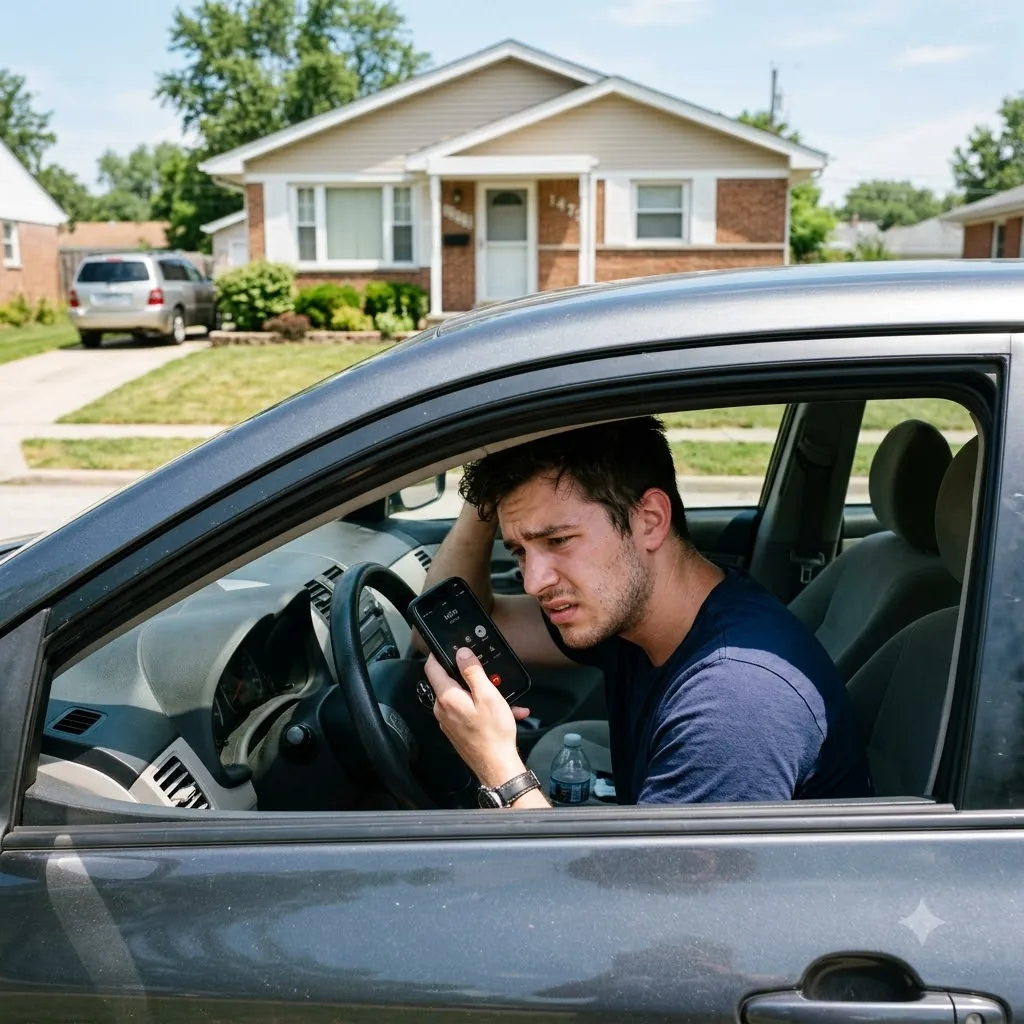
David tapped the red button on his screen. The frantic, violent shrieks of the scammer vanished, instantly replaced by the low, steady hum of the sedan’s heater. The recording app processed for a fraction of a second before a crisp audio file appeared in the log, preserving two minutes and forty seconds of incontrovertible extortion. David immediately hit ‘share,’ emailing a copy to himself, backing it up to his secure cloud drive, and sending another copy to his father’s active inbox. If Sterling or his phantom agency tried to initiate a fraudulent hold tomorrow, David had the exact key to instantly shatter it.
The adrenaline that had spiked his heart rate into a painful rhythm was slowly ebbing, leaving behind a profound, heavy exhaustion. For eight months, David had fought a two-front war: the biological terror of his failing cells and the bureaucratic nightmare of the American healthcare system. He had tried to shield his parents from the latter, absorbing the panic of every denied insurance claim and final notice in absolute silence. Tonight’s ambush by Sterling was just the ultimate manifestation of that silent dread-a vulture swooping in to pick the bones clean when it thought nobody was looking.
David reached over and killed the engine. The dashboard dials faded to black, plunging the cabin into darkness. He reached into the backseat and grabbed a thick, expanding accordion folder. Inside was every Explanation of Benefits, every itemized surgical receipt, and every threatening collection letter he had received since his diagnosis. It was a towering stack of paper representing over fifty thousand dollars in staggering medical debt. Most of it had been negotiated down, paid off through his parents’ crushing second mortgage, or was about to be covered by the GoFundMe. But he had kept the physical bills, a morbid, private monument to the price of his survival.
He stepped out of the car. The biting winter wind immediately cut through his jacket, carrying the sharp scent of frost and woodsmoke from a neighbor’s chimney. He clutched the heavy folder under his arm, his other hand buried deep in his pocket, fingers wrapped around the stiff paper of the twenty-thousand-dollar cashier’s check.
When David pushed through the front door, the warmth of the house wrapped around him like a physical embrace. The rich, savory smell of baked meatloaf and roasted carrots drifted down the narrow hallway, a stark contrast to the sterile hospital cafeterias that had defined his year. He kicked off his boots on the mat and walked into the small kitchen.
His mother was at the stove, wiping her hands on a faded floral apron. Her hair was thinner than it used to be, a stress-induced shedding she always tried to hide with a tight bun. His father was sitting at the scarred wooden dining table, nursing a mug of decaf coffee, the lines around his eyes etched deep with years of quiet, uncomplaining labor.
“Hey, sweetheart,” his mother said, turning with a warm, exhausted smile. “Dinner’s just about ready. Did you get your insurance thing sorted out?”
David stopped at the edge of the kitchen linoleum. For months, his default answer had been a forced smile and a casual assurance that everything was fine. He had swallowed his fear to protect them, isolating himself in his own recovery. But the encounter in the car had shattered the illusion that he could carry the vulnerability alone. The predators were already at the door, armed with their stolen data, ready to exploit the very real financial precariousness his illness had caused.
“It wasn’t the insurance company,” David said, his voice thick.
He walked over to the table and dropped the heavy accordion folder onto the wooden surface. It landed with a dull, heavy thud. He unhooked the elastic band and pulled out the massive, two-inch-thick stack of medical bills, spreading them across the table. It was fifty thousand dollars’ worth of trauma, printed in bold red ink and demanding, clinical fonts. His parents stared at the paper mountain, the sheer volume of it staggering to see all at once.
“David, what is all this?” his father asked, setting his mug down, his brow furrowing with sudden, sharp concern.
“That is what we survived,” David said. He reached into his jacket pocket and pulled out the cashier’s check. He placed it gently on top of the sprawling mess of invoices. “And this is the twenty thousand from the fundraiser. It cleared. It’s safe. It’s made out to you and Mom, to wipe out the second mortgage.”
His mother let out a small, stifled gasp, her hands flying to her mouth. His father stared at the check, his chest rising and falling in a slow, deep breath.
“But I need to tell you what just happened outside,” David continued, refusing to let the silence settle. He pulled out his phone and set it next to the check. “Someone got hold of our data. Mom’s social, your old work email, Dad. They tried to extort the GoFundMe money. They threatened to freeze your accounts, to make you default on this house.”
The color drained from his mother’s face. His father sat up perfectly straight, his protective instincts instantly flaring. “Who? How?”
“A scammer,” David said. “A really sophisticated one. He had everything lined up perfectly to terrify me into wiring the money.” David tapped the screen of his phone, pulling up the audio file. “But he didn’t know I already emptied the account into this check. And he didn’t know I was recording him. I got him admitting to the scam, threatening violence, and violating federal law on tape. I’ve already emailed you the file, Dad. First thing tomorrow, we’re taking it to the bank to lock down Mom’s credit, and then we’re handing it over to the state attorney general.”
His father looked at the phone, then at the check, and finally up at David. The older man didn’t panic. Instead, a fierce, resolute pride settled into his tired eyes. He reached across the table, past the mountain of terrifying debts, and rested his rough, calloused hand firmly over David’s.
“They thought they could bleed us,” his father said quietly. “They thought we were weak because we’ve been hurting.”
David nodded, feeling the unbearable weight of the last eight months finally shifting off his shoulders. He wasn’t fighting alone in the dark anymore. “They were wrong.”
“Sit down, David,” his mother said softly, stepping away from the stove and wrapping her arms around his shoulders from behind, holding him tight. “We’ll deal with the bank tomorrow. Tonight, we eat.”
David sank into the wooden chair. The stack of bills still covered the table, a stark reminder of the wreckage they had navigated, but the paper held no power over them anymore. The house was warm, the money was safe, and the predators were locked outside in the cold.