Story code: ST-000822
Part 1: The Wrong Itinerary
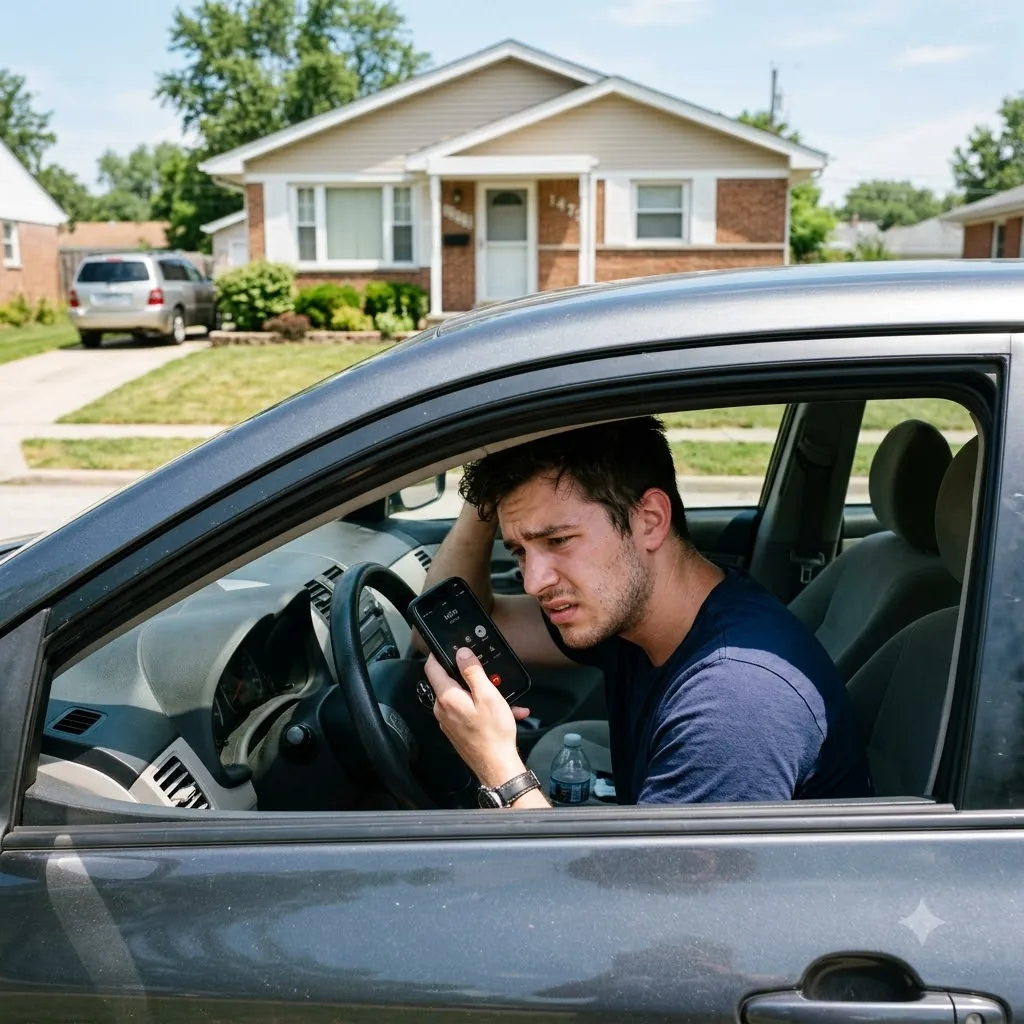
The heater in David’s ten-year-old sedan blasted dry, stale air as he sat idling at the curb, watching the yellow porch light flicker against the peeling paint of his parents’ house. On the passenger seat, his phone illuminated the dark interior, the speakerphone crackling with the warm, booming voice of a man who had introduced himself as Sterling.
“It is truly a blessing to see a young man bounce back the way you have, David,” Sterling said, the audio compressing slightly as he spoke. “The whole community saw what you went through. We saw the treatments, the physical toll it took, and we saw you beat it.”
David kept his hands wrapped tightly around the steering wheel, letting the engine hum vibrate through his palms. He had spent the last eight months drowning in hospital gowns, sterile waiting rooms, and an avalanche of copays. Hearing a stranger validate that exhaustion felt strangely like a relief. He watched the silhouette of his father move past the living room curtains inside the small, single-story house. His parents had sacrificed their retirement timeline and their quiet dignity to keep David afloat during the worst of the chemotherapy, a burden that hung heavy in the cramped space of the car. They never complained, but David noticed the skipped meals and the frayed cuffs on his father’s coat.
“I appreciate you saying that,” David said, leaning closer to the phone. “It has been a long road.”
“A long road with a beautiful destination,” Sterling continued, his tone practically radiating a smile. “And seeing the way people rallied behind you was nothing short of inspiring. Twenty thousand dollars is a monumental achievement. That GoFundMe showed exactly how much this town cares about your recovery.”
David nodded to himself in the dark, staring at the glowing dashboard dials. The funds had finally cleared the bank yesterday afternoon. It was exactly enough to wipe out the remaining surgical debt and pay his parents back for the second mortgage they had quietly taken out in December. He was here tonight to surprise them with the cashier’s check currently burning a hole in his heavy winter jacket pocket.
“It is going straight to the hospital billing department and to my folks,” David said, unbuckling his seatbelt with a soft click. “Every single penny.”
“That is incredibly noble,” Sterling said. The warmth in the man’s voice dropped half an octave, suddenly losing its conversational bounce. “But that is actually the reason for my call tonight, David. There is a slight adjustment to the itinerary for those funds.”
David stopped with his hand resting on the plastic door handle. The streetlights outside seemed to hum a little louder, casting long, warped shadows across the frosted lawn. He looked down at the phone screen, checking the caller ID again. It still just displayed a local area code and a random string of digits.
“I am calling on behalf of Apex Financial Services,” Sterling said, the jovial rhythm entirely stripped from his cadence. “And we are thrilled to see you have the liquidity to satisfy the outstanding balance on the account.”
David pulled his hand away from the door. He told Sterling he had the wrong number, speaking slowly to make sure the man understood. He explained that his medical debts were all negotiated directly with the hospital, that he had no private loans, and that this money was strictly accounted for.
“This is not a medical debt, David,” Sterling said. The line went silent for three long seconds. “This is a defaulted line of credit from four years ago, carrying a balance of twenty-two thousand, four hundred dollars after penalties and interest.”
David stared at the glowing phone. He had absolutely no such account. He stated firmly that Sterling was making a massive mistake and reached over to tap the red end-call button.
“If you disconnect this call, I will initiate the asset seizure protocol at eight o’clock tomorrow morning,” Sterling said smoothly. The blinding speed of the threat froze David’s hand an inch above the glass screen. “We monitor public funding platforms for exactly this reason. We know the capital is sitting in your primary checking account as of four o’clock yesterday.”
David felt a cold spike of adrenaline punch through his chest, making his hands shake. He argued loudly that the money was earmarked, that it was a charitable donation for life-saving cancer treatments, and that taking it would utterly ruin his family.
“The terms of the original contract allow us to garnish any linked accounts held by the co-signer,” Sterling continued, speaking directly over David’s rising panic. “Since you are currently residing at the address listed on the application, we have already verified the co-signer’s assets.”
David looked out the windshield at his parents’ house. The front door was barely ten yards away. Inside, his mother was likely setting the dining room table, completely unaware of the financial executioner waiting on the speakerphone.
“There is no co-signer,” David said, his breathing growing shallow and fast. “I have never taken out a loan in my life.”
“Let me read you a sequence of numbers, David,” Sterling said, his voice dropping to a terrifying, absolute calm. “Five, two, four.”
David stopped breathing.
“Zero, one,” Sterling said, the cadence slow and deliberate.
David gripped the rough fabric of his jeans. It was his mother’s social security number.
“Nine, nine,” Sterling continued, the syllables echoing in the small cabin of the sedan as David stared in horror at the front door of the house.
The heater in David’s ten-year-old sedan blasted dry, stale air as he sat idling at the curb, watching the yellow porch light flicker against the peeling paint of his parents’ house. On the passenger seat, his phone illuminated the dark interior, the speakerphone crackling with the warm, booming voice of a man who had introduced himself as Sterling.
“It is truly a blessing to see a young man bounce back the way you have, David,” Sterling said, the audio compressing slightly as he spoke. “The whole community saw what you went through. We saw the treatments, the physical toll it took, and we saw you beat it.”
David kept his hands wrapped tightly around the steering wheel, letting the engine hum vibrate through his palms. He had spent the last eight months drowning in hospital gowns, sterile waiting rooms, and an avalanche of copays. Hearing a stranger validate that exhaustion felt strangely like a relief. He watched the silhouette of his father move past the living room curtains inside the small, single-story house. His parents had sacrificed their retirement timeline and their quiet dignity to keep David afloat during the worst of the chemotherapy, a burden that hung heavy in the cramped space of the car. They never complained, but David noticed the skipped meals and the frayed cuffs on his father’s coat.
“I appreciate you saying that,” David said, leaning closer to the phone. “It has been a long road.”
“A long road with a beautiful destination,” Sterling continued, his tone practically radiating a smile. “And seeing the way people rallied behind you was nothing short of inspiring. Twenty thousand dollars is a monumental achievement. That GoFundMe showed exactly how much this town cares about your recovery.”
David nodded to himself in the dark, staring at the glowing dashboard dials. The funds had finally cleared the bank yesterday afternoon. It was exactly enough to wipe out the remaining surgical debt and pay his parents back for the second mortgage they had quietly taken out in December. He was here tonight to surprise them with the cashier’s check currently burning a hole in his heavy winter jacket pocket.
“It is going straight to the hospital billing department and to my folks,” David said, unbuckling his seatbelt with a soft click. “Every single penny.”
“That is incredibly noble,” Sterling said. The warmth in the man’s voice dropped half an octave, suddenly losing its conversational bounce. “But that is actually the reason for my call tonight, David. There is a slight adjustment to the itinerary for those funds.”
David stopped with his hand resting on the plastic door handle. The streetlights outside seemed to hum a little louder, casting long, warped shadows across the frosted lawn. He looked down at the phone screen, checking the caller ID again. It still just displayed a local area code and a random string of digits.
“I am calling on behalf of Apex Financial Services,” Sterling said, the jovial rhythm entirely stripped from his cadence. “And we are thrilled to see you have the liquidity to satisfy the outstanding balance on the account.”
David pulled his hand away from the door. He told Sterling he had the wrong number, speaking slowly to make sure the man understood. He explained that his medical debts were all negotiated directly with the hospital, that he had no private loans, and that this money was strictly accounted for.
“This is not a medical debt, David,” Sterling said. The line went silent for three long seconds. “This is a defaulted line of credit from four years ago, carrying a balance of twenty-two thousand, four hundred dollars after penalties and interest.”
David stared at the glowing phone. He had absolutely no such account. He stated firmly that Sterling was making a massive mistake and reached over to tap the red end-call button.
“If you disconnect this call, I will initiate the asset seizure protocol at eight o’clock tomorrow morning,” Sterling said smoothly. The blinding speed of the threat froze David’s hand an inch above the glass screen. “We monitor public funding platforms for exactly this reason. We know the capital is sitting in your primary checking account as of four o’clock yesterday.”
David felt a cold spike of adrenaline punch through his chest, making his hands shake. He argued loudly that the money was earmarked, that it was a charitable donation for life-saving cancer treatments, and that taking it would utterly ruin his family.
“The terms of the original contract allow us to garnish any linked accounts held by the co-signer,” Sterling continued, speaking directly over David’s rising panic. “Since you are currently residing at the address listed on the application, we have already verified the co-signer’s assets.”
David looked out the windshield at his parents’ house. The front door was barely ten yards away. Inside, his mother was likely setting the dining room table, completely unaware of the financial executioner waiting on the speakerphone.
“There is no co-signer,” David said, his breathing growing shallow and fast. “I have never taken out a loan in my life.”
“Let me read you a sequence of numbers, David,” Sterling said, his voice dropping to a terrifying, absolute calm. “Five, two, four.”
David stopped breathing.
“Zero, one,” Sterling said, the cadence slow and deliberate.
David gripped the rough fabric of his jeans. It was his mother’s social security number.
“Nine, nine,” Sterling continued, the syllables echoing in the small cabin of the sedan as David stared in horror at the front door of the house.