Story code: ST-000883
Part 1: The Weight of Cash
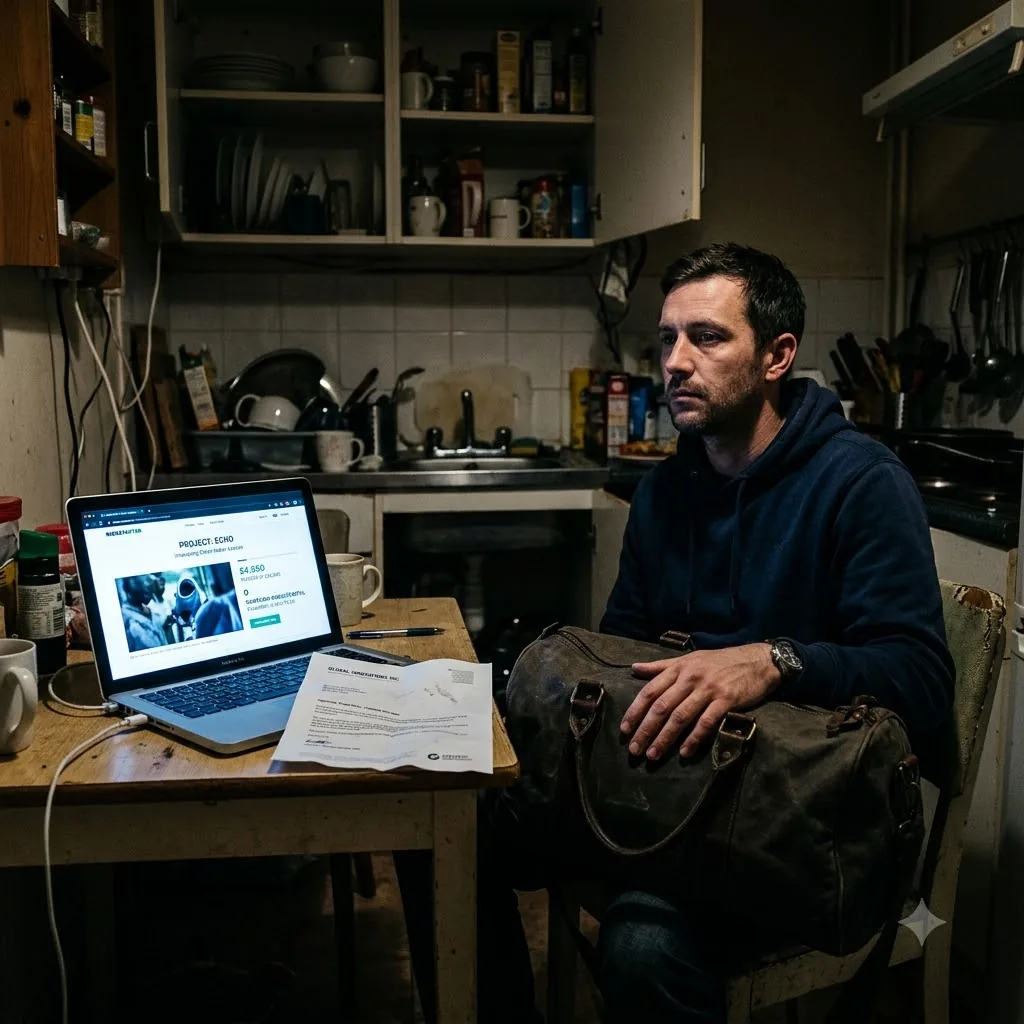
The cursor blinked at the end of the zero on the GoFundMe screen, casting a pale blue glow over the heavy bond paper of the insurance denial letter clutched in Marisol’s hand. A sharp, heavy knock vibrated through the thin apartment door, followed by the immediate turning of the knob before she could even rise from her chair. Hector stepped into the cramped living room, dropping a dark canvas duffel bag onto the kitchen table with a dense, muffled thud, bypassing Marisol entirely to lock his flat, unblinking stare on Leo, her fourteen-year-old son.
The air in the room seemed to freeze. Marisol stood up, her knee catching the edge of the desk, sending a stack of past-due medical bills sliding to the linoleum floor. Hector did not look at the mess. He wore a pressed black shirt, a silver chain resting against his collarbone, smelling faintly of stale tobacco and expensive leather. He was a ghost from a life her husband, Julian, had sworn they left behind a decade ago. Now, Julian lay in a bed at the hospital, his lungs filling with fluid, waiting for an experimental targeted therapy the insurance conglomerate deemed not medically necessary.
Leo stood frozen in the hallway archway. He had grown three inches in the last year, his shoulders widening, his jaw losing its childhood softness. He wore his chin tipped up, mirroring a posture he had seen on the street corners, a stance Marisol had spent his entire life trying to erase.
Hector unzipped the duffel bag. The metallic sound was deafening in the quiet apartment. He pushed the heavy canvas flaps apart. Stacks of banded hundred-dollar bills sat inside, neatly arranged, smelling of old paper and copper.
Marisol moved between the table and her son. She pressed her hand flat against the cheap wood of the tabletop, placing herself directly in Hector’s line of sight. She told him to take the bag and get out.
Hector finally looked at her. His eyes carried no malice, only the cold, transactional weight of a businessman evaluating a ledger. He reached into his pocket and placed a single sheet of folded paper next to the cash. It was a printout of her GoFundMe page. The progress bar showed four hundred and thirty dollars out of an eighty-thousand-dollar goal. The image on the page was Julian, pale and exhausted, trying to smile for the camera.
Hector tapped the printout with a thick, calloused index finger. He stated that Julian used to be the best driver his crew ever had. He said loyalty had a price, and his crew took care of their own, even the ones who walked away. He pushed the duffel bag an inch closer to Marisol.
Eighty thousand dollars in cash sat under the hum of the fluorescent kitchen light. It was the exact amount the hospital demanded upfront. It was oxygen for Julian. It was the absolute difference between her husband coming home or dying in a sterile, white room by the end of the month.
Marisol stared at the money. Her fingers trembled against the tabletop. She knew Hector did not run a charity. The neighborhood had rules, older and more rigid than any law passed by a city council. Debts were never forgiven. They were transferred.
She looked from the money to Hector, demanding to know the exact cost.
Hector shifted his weight, dismissing her again, his gaze sliding right past her shoulder to find Leo. The boy had stepped out of the shadow of the hallway. His hands were curled into loose fists at his sides. He was staring at the stacks of cash, a terrifying mixture of awe and grim resolution settling over his young face.
Hector told Leo that a man has to stand up when his father falls down. He spoke in a low, resonant voice that seemed to vibrate in the floorboards. He pointed out that eighty thousand was a lot of weight to carry, but a strong kid with the right guidance could work it off in a few years. He offered Leo a spot in the organization. He mentioned a route, a car, and an ironclad guarantee that Julian would get the medicine by morning.
Marisol felt a cold spike of adrenaline pierce her chest. The cycle was pulling him in. The same streets that had nearly killed Julian were now opening their jaws to swallow her son, using her husband’s failing body as the bait. She lunged forward, grabbing the thick canvas handles of the duffel bag, attempting to shove it back toward Hector’s chest.
The bag barely moved. It was too heavy.
Leo stepped around the kitchen counter. He placed his hand on the bag, his fingers brushing against Marisol’s knuckles.
He told his mother to stop.
Marisol looked at her son. His eyes were hard, locked onto Hector. He pulled the bag toward himself, sliding it across the table until it rested against his stomach. Hector smiled, a slow, terrifying curvature of his lips that did not reach his eyes. He reached out, his heavy hand descending to clamp down on Leo’s shoulder.
Marisol grabbed the closest object on the counter, closing her fingers around the heavy iron handle of a frying pan, and swung it directly toward Hector’s wrist just as the apartment door swung wide open again.
The cursor blinked at the end of the zero on the GoFundMe screen, casting a pale blue glow over the heavy bond paper of the insurance denial letter clutched in Marisol’s hand. A sharp, heavy knock vibrated through the thin apartment door, followed by the immediate turning of the knob before she could even rise from her chair. Hector stepped into the cramped living room, dropping a dark canvas duffel bag onto the kitchen table with a dense, muffled thud, bypassing Marisol entirely to lock his flat, unblinking stare on Leo, her fourteen-year-old son.
The air in the room seemed to freeze. Marisol stood up, her knee catching the edge of the desk, sending a stack of past-due medical bills sliding to the linoleum floor. Hector did not look at the mess. He wore a pressed black shirt, a silver chain resting against his collarbone, smelling faintly of stale tobacco and expensive leather. He was a ghost from a life her husband, Julian, had sworn they left behind a decade ago. Now, Julian lay in a bed at the hospital, his lungs filling with fluid, waiting for an experimental targeted therapy the insurance conglomerate deemed not medically necessary.
Leo stood frozen in the hallway archway. He had grown three inches in the last year, his shoulders widening, his jaw losing its childhood softness. He wore his chin tipped up, mirroring a posture he had seen on the street corners, a stance Marisol had spent his entire life trying to erase.
Hector unzipped the duffel bag. The metallic sound was deafening in the quiet apartment. He pushed the heavy canvas flaps apart. Stacks of banded hundred-dollar bills sat inside, neatly arranged, smelling of old paper and copper.
Marisol moved between the table and her son. She pressed her hand flat against the cheap wood of the tabletop, placing herself directly in Hector’s line of sight. She told him to take the bag and get out.
Hector finally looked at her. His eyes carried no malice, only the cold, transactional weight of a businessman evaluating a ledger. He reached into his pocket and placed a single sheet of folded paper next to the cash. It was a printout of her GoFundMe page. The progress bar showed four hundred and thirty dollars out of an eighty-thousand-dollar goal. The image on the page was Julian, pale and exhausted, trying to smile for the camera.
Hector tapped the printout with a thick, calloused index finger. He stated that Julian used to be the best driver his crew ever had. He said loyalty had a price, and his crew took care of their own, even the ones who walked away. He pushed the duffel bag an inch closer to Marisol.
Eighty thousand dollars in cash sat under the hum of the fluorescent kitchen light. It was the exact amount the hospital demanded upfront. It was oxygen for Julian. It was the absolute difference between her husband coming home or dying in a sterile, white room by the end of the month.
Marisol stared at the money. Her fingers trembled against the tabletop. She knew Hector did not run a charity. The neighborhood had rules, older and more rigid than any law passed by a city council. Debts were never forgiven. They were transferred.
She looked from the money to Hector, demanding to know the exact cost.
Hector shifted his weight, dismissing her again, his gaze sliding right past her shoulder to find Leo. The boy had stepped out of the shadow of the hallway. His hands were curled into loose fists at his sides. He was staring at the stacks of cash, a terrifying mixture of awe and grim resolution settling over his young face.
Hector told Leo that a man has to stand up when his father falls down. He spoke in a low, resonant voice that seemed to vibrate in the floorboards. He pointed out that eighty thousand was a lot of weight to carry, but a strong kid with the right guidance could work it off in a few years. He offered Leo a spot in the organization. He mentioned a route, a car, and an ironclad guarantee that Julian would get the medicine by morning.
Marisol felt a cold spike of adrenaline pierce her chest. The cycle was pulling him in. The same streets that had nearly killed Julian were now opening their jaws to swallow her son, using her husband’s failing body as the bait. She lunged forward, grabbing the thick canvas handles of the duffel bag, attempting to shove it back toward Hector’s chest.
The bag barely moved. It was too heavy.
Leo stepped around the kitchen counter. He placed his hand on the bag, his fingers brushing against Marisol’s knuckles.
He told his mother to stop.
Marisol looked at her son. His eyes were hard, locked onto Hector. He pulled the bag toward himself, sliding it across the table until it rested against his stomach. Hector smiled, a slow, terrifying curvature of his lips that did not reach his eyes. He reached out, his heavy hand descending to clamp down on Leo’s shoulder.
Marisol grabbed the closest object on the counter, closing her fingers around the heavy iron handle of a frying pan, and swung it directly toward Hector’s wrist just as the apartment door swung wide open again.