Story code: ST-001040
Part 1: The Hometown Hero
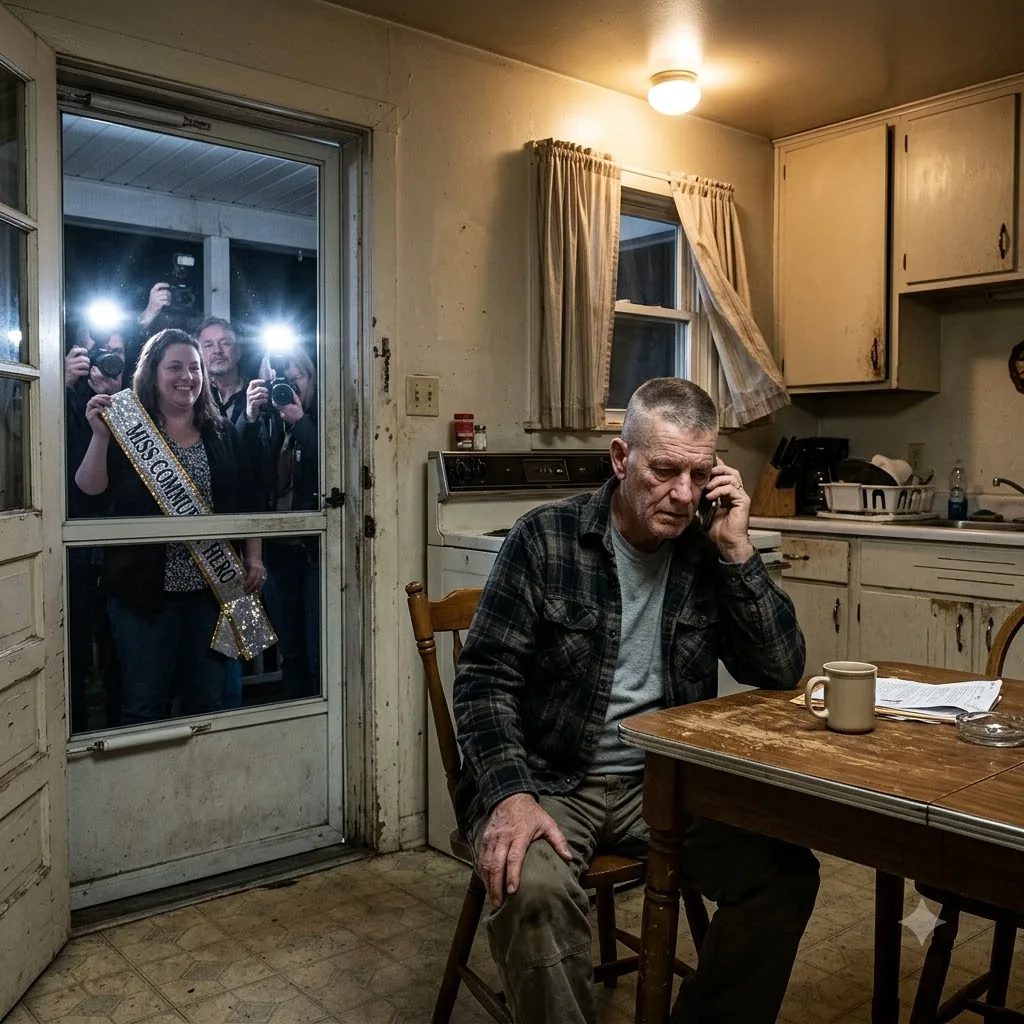
Frank dug his heavy, calloused thumbs into the swollen, inflamed tissue beneath his right kneecap, grinding at the joint while tinny synthesized strings leaked from the phone wedged awkwardly against his ear. The automated voice of the Zenith Pension Guarantor loop chimed in for the eleventh time to remind him his call was important, followed by another endless, soul-crushing stretch of flute-heavy elevator music. He shifted his weight in the worn fabric of his armchair, his breath catching as a sharp, electric spike of pain shot up his thigh and settled deep in his hip. His medical claim had been flatly denied for the third time that morning. He needed an operator, an actual human being sitting in a cubicle somewhere who could explain how thirty years on the concrete floor of the stamping plant did not qualify as a legitimate workplace injury.
Before the automated voice could cycle back to its hollow, pre-recorded apology, a relentless hammering rattled the front door. It was not a polite, neighborly knock. It was a rapid, demanding sequence that vibrated the frosted glass panes and made the floorboards tremble. Frank kept the phone pressed securely to his shoulder and grabbed the heavy wooden cane resting against the side table. He hauled himself upright, biting down hard on his lower lip to keep from crying out.
He dragged his bad leg across the faded linoleum, each step a calculated negotiation with agony. He unbolted the door and pulled it open, expecting a lost delivery driver or a neighbor complaining about the street parking. Instead, a blinding white light flooded the dim hallway, forcing him to raise a forearm to shield his eyes.
A young woman in a sharply tailored blue blazer bounded onto the thin welcome mat. A cameraman with a massive, heavy shoulder rig flanked her, the glaring square LED panel on his lens washing all the natural color from Frank’s porch. A sound technician lingered in the damp grass of the front lawn, holding a long boom microphone wrapped in a fuzzy grey windscreen extended out over their heads.
The woman flashed a smile so wide and polished it looked physically painful to maintain. She held up a thick, folded piece of satin ribbon. She spoke in a loud, practiced cadence, declaring him the first official recipient of the Hometown Heroes initiative. Before Frank could process the sheer scale of the invasion, she stepped aggressively forward and draped a heavy ceremonial sash diagonally across his chest. The fabric felt stiff, cheap, and entirely alien against his worn flannel shirt.
He raised a trembling hand to push the camera lens away. The woman smoothly caught his wrist mid-air, turning the defensive gesture into a firm, staged handshake for the recording. She kept talking, her voice pitching up with manufactured, breathless excitement as she described his decades of hard work, his unwavering dedication to the local community, and how much his enduring spirit meant to the working-class soul of the town.
Frank tried to pull his rough hand back. The woman’s grip was shockingly tight, her nails digging slightly into his skin. He glanced down at the phone still glowing dimly in his left hand. The tinny hold music played on, a faint, pathetic contrast to the booming enthusiasm of the public relations representative commanding his porch. His knee throbbed with a rhythmic, sickening heat that made his vision swim at the edges.
The woman signaled to the cameraman with a flick of her eyes. The operator circled them heavily, trying to capture a dramatic angle featuring the peeling white paint on Frank’s siding and the rusted gutter above them. She announced to the unblinking lens that this was a day of giving back, a day to celebrate the silent, stoic backbone of the community. She reached into the interior pocket of her blazer and produced a sleek plastic clipboard with a glossy sheet of paper clamped tightly to it. She clicked a silver pen and held it out to him, instructing him to sign the standard release form so they could air his inspiring story of resilience on the evening regional broadcasts.
Frank stared at the silver pen. He looked at the silent cameraman, then at the sound technician trampling his overgrown, dying azaleas. He was exhausted to his core, his leg was screaming in protest at simply standing up, and the automated voice on the phone wedged against his collarbone coldly informed him of unusually high call volumes. He just wanted the bright lights off his porch so he could sit back down.
He reached for the clipboard. The young woman angled it perfectly into the glare of the lights, ensuring the camera captured the exact moment of his signature. Frank lowered the tip of the pen toward the dotted line.
The bold, geometric print at the top of the release form caught his eye. He stopped all movement. He traced the sharp lines of the corporate emblem printed in high-resolution blue ink. It was an abstract mountain peak flanked by two rigid, unyielding pillars. He recognized the shape instantly, feeling a cold knot form in his stomach. He looked down at his own chest, flattening the heavy, cheap fabric of the ceremonial sash with his free hand. The exact same mountain and pillars logo was embroidered in metallic silver thread right over his heart. It was the identical emblem stamped on the brutal denial letter sitting on his kitchen counter, the same one belonging to the private equity firm currently liquidating his pension and blocking his knee surgery.
The PR woman leaned in closer, tapping her manicured fingernail impatiently against the signature line, urging him to make it official for the viewers at home. Frank gripped the pen and stared directly into the blinding light of the camera lens.
Frank dug his heavy, calloused thumbs into the swollen, inflamed tissue beneath his right kneecap, grinding at the joint while tinny synthesized strings leaked from the phone wedged awkwardly against his ear. The automated voice of the Zenith Pension Guarantor loop chimed in for the eleventh time to remind him his call was important, followed by another endless, soul-crushing stretch of flute-heavy elevator music. He shifted his weight in the worn fabric of his armchair, his breath catching as a sharp, electric spike of pain shot up his thigh and settled deep in his hip. His medical claim had been flatly denied for the third time that morning. He needed an operator, an actual human being sitting in a cubicle somewhere who could explain how thirty years on the concrete floor of the stamping plant did not qualify as a legitimate workplace injury.
Before the automated voice could cycle back to its hollow, pre-recorded apology, a relentless hammering rattled the front door. It was not a polite, neighborly knock. It was a rapid, demanding sequence that vibrated the frosted glass panes and made the floorboards tremble. Frank kept the phone pressed securely to his shoulder and grabbed the heavy wooden cane resting against the side table. He hauled himself upright, biting down hard on his lower lip to keep from crying out.
He dragged his bad leg across the faded linoleum, each step a calculated negotiation with agony. He unbolted the door and pulled it open, expecting a lost delivery driver or a neighbor complaining about the street parking. Instead, a blinding white light flooded the dim hallway, forcing him to raise a forearm to shield his eyes.
A young woman in a sharply tailored blue blazer bounded onto the thin welcome mat. A cameraman with a massive, heavy shoulder rig flanked her, the glaring square LED panel on his lens washing all the natural color from Frank’s porch. A sound technician lingered in the damp grass of the front lawn, holding a long boom microphone wrapped in a fuzzy grey windscreen extended out over their heads.
The woman flashed a smile so wide and polished it looked physically painful to maintain. She held up a thick, folded piece of satin ribbon. She spoke in a loud, practiced cadence, declaring him the first official recipient of the Hometown Heroes initiative. Before Frank could process the sheer scale of the invasion, she stepped aggressively forward and draped a heavy ceremonial sash diagonally across his chest. The fabric felt stiff, cheap, and entirely alien against his worn flannel shirt.
He raised a trembling hand to push the camera lens away. The woman smoothly caught his wrist mid-air, turning the defensive gesture into a firm, staged handshake for the recording. She kept talking, her voice pitching up with manufactured, breathless excitement as she described his decades of hard work, his unwavering dedication to the local community, and how much his enduring spirit meant to the working-class soul of the town.
Frank tried to pull his rough hand back. The woman’s grip was shockingly tight, her nails digging slightly into his skin. He glanced down at the phone still glowing dimly in his left hand. The tinny hold music played on, a faint, pathetic contrast to the booming enthusiasm of the public relations representative commanding his porch. His knee throbbed with a rhythmic, sickening heat that made his vision swim at the edges.
The woman signaled to the cameraman with a flick of her eyes. The operator circled them heavily, trying to capture a dramatic angle featuring the peeling white paint on Frank’s siding and the rusted gutter above them. She announced to the unblinking lens that this was a day of giving back, a day to celebrate the silent, stoic backbone of the community. She reached into the interior pocket of her blazer and produced a sleek plastic clipboard with a glossy sheet of paper clamped tightly to it. She clicked a silver pen and held it out to him, instructing him to sign the standard release form so they could air his inspiring story of resilience on the evening regional broadcasts.
Frank stared at the silver pen. He looked at the silent cameraman, then at the sound technician trampling his overgrown, dying azaleas. He was exhausted to his core, his leg was screaming in protest at simply standing up, and the automated voice on the phone wedged against his collarbone coldly informed him of unusually high call volumes. He just wanted the bright lights off his porch so he could sit back down.
He reached for the clipboard. The young woman angled it perfectly into the glare of the lights, ensuring the camera captured the exact moment of his signature. Frank lowered the tip of the pen toward the dotted line.
The bold, geometric print at the top of the release form caught his eye. He stopped all movement. He traced the sharp lines of the corporate emblem printed in high-resolution blue ink. It was an abstract mountain peak flanked by two rigid, unyielding pillars. He recognized the shape instantly, feeling a cold knot form in his stomach. He looked down at his own chest, flattening the heavy, cheap fabric of the ceremonial sash with his free hand. The exact same mountain and pillars logo was embroidered in metallic silver thread right over his heart. It was the identical emblem stamped on the brutal denial letter sitting on his kitchen counter, the same one belonging to the private equity firm currently liquidating his pension and blocking his knee surgery.
The PR woman leaned in closer, tapping her manicured fingernail impatiently against the signature line, urging him to make it official for the viewers at home. Frank gripped the pen and stared directly into the blinding light of the camera lens.