Story code: ST-001048
Part 1: The Bail Algorithm
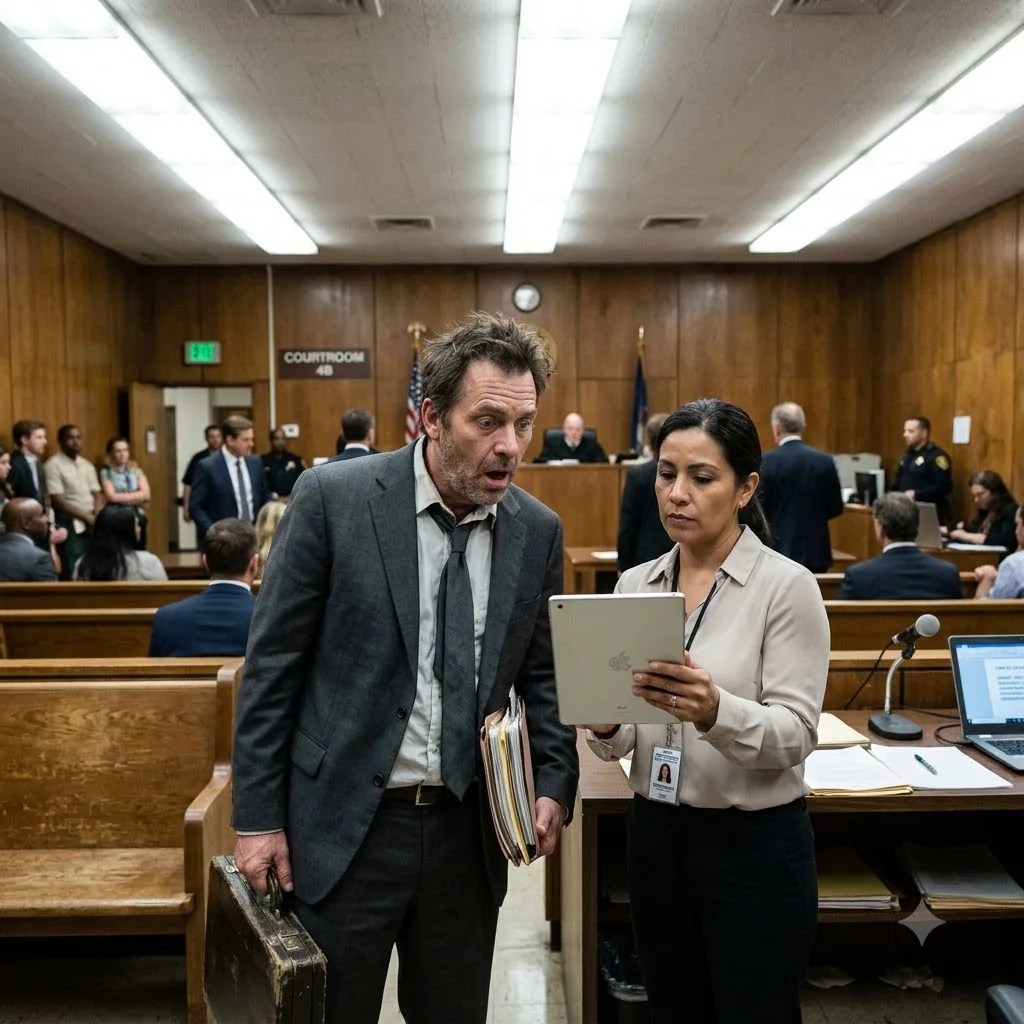
The air in Courtroom 302 smelled of damp wool, industrial floor wax, and the nervous sweat of thirty people waiting for their lives to change. Marcus adjusted his frayed collar, tapping his cheap ballpoint pen against his legal pad while he waited for his client’s easy release. Beside him stood his client, a nineteen-year-old named Leo, who was currently trembling hard enough to make his handcuffs rattle. This was a textbook release on recognizance. Leo had a clean record, a fixed address, and a charge for shoplifting a car battery from a big-box auto store. Marcus had already drafted the standard release paperwork. He stood waiting for Judge Henderson to give his usual bored nod, stamp the file, and call the next case. The assistant district attorney was scrolling on her phone, not even bothering to ask for bail.
Instead of nodding, Judge Henderson pushed the thick manila folder aside. He reached out and tapped the screen of a newly installed iPad, which was mounted on a heavy steel swivel arm right next to his gavel. A crisp, high-contrast dashboard illuminated the judge’s lined face with a harsh blue glow.
“Based on the preliminary algorithmic assessment from the new state tech initiative, the defendant is flagged as a Tier Four flight risk,” Henderson stated, his voice cutting cleanly through the dull roar of the gallery behind them. “Bail is denied. Remand to county.”
Marcus gripped the wooden edges of the defense podium. He stated for the record that his client had a steady job, a local family, and absolutely zero prior offenses. He requested to see the algorithmic breakdown, citing his right to review the scoring matrix under the new state transparency statutes. Henderson let out a heavy sigh, visibly annoyed by the delay, but he reached out and swiveled the iPad mount toward the defense table to show the summary screen.
Marcus leaned in, squinting at the glaring display. He expected to see the clunky, gray-on-gray interface of typical municipal court software. What he saw made the breath catch in his throat.
The dashboard was built in a remarkably slick dark mode. The central element was a circular progress ring, rendering a risk score in a custom, open-source font. The ring was bordered by a highly specific, neon-coral accent line. The large detain button at the bottom of the screen was colored a distinct, muted teal.
It was exactly the teal Marcus had coded himself.
He recognized the layout instantly. He had spent his entire Thanksgiving weekend building this exact triage tool on his battered living room couch. It was supposed to be a streamlined case management app for public defenders. He and his college roommate, David, had been developing it as a weekend side hustle for the past six months. Marcus had written the custom CSS for that coral accent line because David thought standard red was too aggressive for stressed-out lawyers. Marcus had designed the circular risk gauge to help overworked defenders prioritize their staggering caseloads, not to lock up teenagers for stealing car parts.
Marcus stared at the padding around the submit button on the judge’s screen. It was off by exactly two pixels. It was a front-end bug he had documented on their shared private repository just forty-eight hours ago. There was absolutely no mistaking his own unfinished, unreleased code.
“Your Honor, I need a recess,” Marcus said, his voice sounding hollow and distant to his own ears.
Henderson frowned, pulling the iPad back toward his side of the bench. “Denied, counselor. Take it up at the preliminary hearing. Next case.”
A pair of armed bailiffs stepped forward immediately, flanking Leo on both sides. The teenager looked back at Marcus in sheer panic as they guided him toward the heavy door leading to the holding cells. Marcus told Leo he would fix it, but the thick steel door clicked shut before he could explain how he planned to do that.
Marcus gathered his legal files, his hands shaking slightly as he shoved them into his battered briefcase. The state tech initiative was a massive rollout that had been in the news for weeks. He and David had never pitched their app to the state. They had not even finished building the beta version. The only person on earth with administrative access to that repository was David.
He pushed his way through the swinging wooden gates and jogged down the center aisle of the packed gallery. The hallway outside was filled with pacing families, shouting attorneys, and crying children, but Marcus barely noticed any of them. He needed to get a hold of David immediately. He pulled his smartphone from his inner suit pocket, thumbing the screen to unlock it. He opened his messaging app to fire off a frantic text to his partner about the stolen code appearing on a judge’s bench.
Before his thumb could hit the keyboard, a news push notification dropped down from the top of his screen. It was a breaking alert from a prominent tech industry blog he followed.
The featured image attached to the alert showed David’s face, smiling broadly in front of a sleek glass office building in the financial district. The text beneath the photo announced a massive, multi-million dollar Series A funding round for their startup. The lead investor listed in the subheadline was not a standard Silicon Valley venture firm. It was Vanguard Corrections, a massive holding company famously known for owning and operating the largest network of private, for-profit prisons in the country.
Marcus stared at the smiling photo of his friend. The screen of his phone timed out, fading to black, leaving Marcus looking at his own stunned reflection in the glass. He pressed his thumb against the side button to wake the screen back up. The notification was still there, sitting right above the draft text message he was about to send.
He tapped the alert to read the full press release.
The air in Courtroom 302 smelled of damp wool, industrial floor wax, and the nervous sweat of thirty people waiting for their lives to change. Marcus adjusted his frayed collar, tapping his cheap ballpoint pen against his legal pad while he waited for his client’s easy release. Beside him stood his client, a nineteen-year-old named Leo, who was currently trembling hard enough to make his handcuffs rattle. This was a textbook release on recognizance. Leo had a clean record, a fixed address, and a charge for shoplifting a car battery from a big-box auto store. Marcus had already drafted the standard release paperwork. He stood waiting for Judge Henderson to give his usual bored nod, stamp the file, and call the next case. The assistant district attorney was scrolling on her phone, not even bothering to ask for bail.
Instead of nodding, Judge Henderson pushed the thick manila folder aside. He reached out and tapped the screen of a newly installed iPad, which was mounted on a heavy steel swivel arm right next to his gavel. A crisp, high-contrast dashboard illuminated the judge’s lined face with a harsh blue glow.
“Based on the preliminary algorithmic assessment from the new state tech initiative, the defendant is flagged as a Tier Four flight risk,” Henderson stated, his voice cutting cleanly through the dull roar of the gallery behind them. “Bail is denied. Remand to county.”
Marcus gripped the wooden edges of the defense podium. He stated for the record that his client had a steady job, a local family, and absolutely zero prior offenses. He requested to see the algorithmic breakdown, citing his right to review the scoring matrix under the new state transparency statutes. Henderson let out a heavy sigh, visibly annoyed by the delay, but he reached out and swiveled the iPad mount toward the defense table to show the summary screen.
Marcus leaned in, squinting at the glaring display. He expected to see the clunky, gray-on-gray interface of typical municipal court software. What he saw made the breath catch in his throat.
The dashboard was built in a remarkably slick dark mode. The central element was a circular progress ring, rendering a risk score in a custom, open-source font. The ring was bordered by a highly specific, neon-coral accent line. The large detain button at the bottom of the screen was colored a distinct, muted teal.
It was exactly the teal Marcus had coded himself.
He recognized the layout instantly. He had spent his entire Thanksgiving weekend building this exact triage tool on his battered living room couch. It was supposed to be a streamlined case management app for public defenders. He and his college roommate, David, had been developing it as a weekend side hustle for the past six months. Marcus had written the custom CSS for that coral accent line because David thought standard red was too aggressive for stressed-out lawyers. Marcus had designed the circular risk gauge to help overworked defenders prioritize their staggering caseloads, not to lock up teenagers for stealing car parts.
Marcus stared at the padding around the submit button on the judge’s screen. It was off by exactly two pixels. It was a front-end bug he had documented on their shared private repository just forty-eight hours ago. There was absolutely no mistaking his own unfinished, unreleased code.
“Your Honor, I need a recess,” Marcus said, his voice sounding hollow and distant to his own ears.
Henderson frowned, pulling the iPad back toward his side of the bench. “Denied, counselor. Take it up at the preliminary hearing. Next case.”
A pair of armed bailiffs stepped forward immediately, flanking Leo on both sides. The teenager looked back at Marcus in sheer panic as they guided him toward the heavy door leading to the holding cells. Marcus told Leo he would fix it, but the thick steel door clicked shut before he could explain how he planned to do that.
Marcus gathered his legal files, his hands shaking slightly as he shoved them into his battered briefcase. The state tech initiative was a massive rollout that had been in the news for weeks. He and David had never pitched their app to the state. They had not even finished building the beta version. The only person on earth with administrative access to that repository was David.
He pushed his way through the swinging wooden gates and jogged down the center aisle of the packed gallery. The hallway outside was filled with pacing families, shouting attorneys, and crying children, but Marcus barely noticed any of them. He needed to get a hold of David immediately. He pulled his smartphone from his inner suit pocket, thumbing the screen to unlock it. He opened his messaging app to fire off a frantic text to his partner about the stolen code appearing on a judge’s bench.
Before his thumb could hit the keyboard, a news push notification dropped down from the top of his screen. It was a breaking alert from a prominent tech industry blog he followed.
The featured image attached to the alert showed David’s face, smiling broadly in front of a sleek glass office building in the financial district. The text beneath the photo announced a massive, multi-million dollar Series A funding round for their startup. The lead investor listed in the subheadline was not a standard Silicon Valley venture firm. It was Vanguard Corrections, a massive holding company famously known for owning and operating the largest network of private, for-profit prisons in the country.
Marcus stared at the smiling photo of his friend. The screen of his phone timed out, fading to black, leaving Marcus looking at his own stunned reflection in the glass. He pressed his thumb against the side button to wake the screen back up. The notification was still there, sitting right above the draft text message he was about to send.
He tapped the alert to read the full press release.