Story code: ST-001194
Part 1: The Purge
The crisp paper covering the examination table crinkled loudly as Dr. Aris tapped the monitor, highlighting a series of erratic, jagged lines on the electromyography scan. Silas tried to clasp his left hand over his right knee, but the tremor broke through anyway, shaking his entire arm in a rhythmic, uncontrollable flutter. It was the exact same violent spasm that had ruined his emergency pitch to the board of directors just a week ago, costing him the very last shred of their confidence.
“The basal ganglia deterioration is advanced, Silas,” Dr. Aris said, adjusting his glasses. “We are moving rapidly past the realm of stress-induced fatigue into permanent neuromuscular degradation. You cannot outwork this.”
Silas stared at the stark white laminate floor of the sterile clinic. The venture capital board had been entirely justified to force him onto medical leave. His life’s work-the Alexandria Archive, a digital sanctuary housing over a million rare, out-of-print texts and fragile historical documents-required a steady hand and an unclouded mind. Right now, he possessed neither. He reached for his phone with his functional left hand just to check the time, desperate for any distraction from the overwhelming antiseptic smell of the room and the grim reality of his failing nervous system.
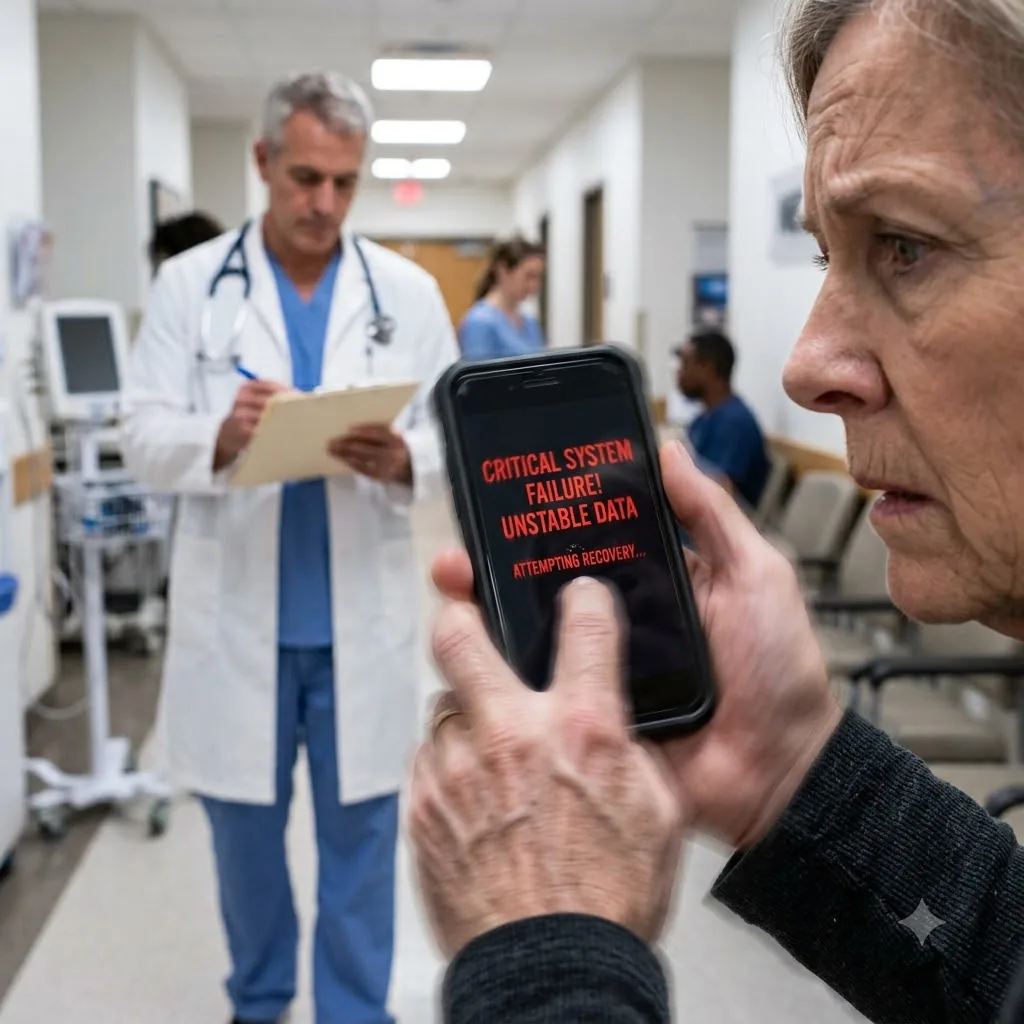
The screen illuminated before his thumb even brushed the glass. A solid red banner flashed across the lock screen, pushing aside a dozen mundane unread emails.
CRITICAL ALERT: Root Deletion Protocol Initiated.
Silas froze. That specific alert was a nuclear failsafe, a hard-purge system meant only for a total, catastrophic server compromise. He swiped the notification, bypassing the biometric scanner with a quick press of his thumb. The live administrative dashboard loaded instantly, its dark-mode interface casting a harsh, cold glow over his pale face. The total volume count of the primary database sat at exactly 1,452,019.
As he watched the screen, the number rolled backward.
It dropped to 1,452,000. Then 1,448,000. Then 1,438,019.
“Silas, I need you to focus on the reality of this scan,” Dr. Aris said, his tone shifting from clinical to stern. “We have to discuss disability timelines and permanent lifestyle adjustments.”
Silas ignored him completely. Fourteen thousand titles had just vanished into the ether in the span of six seconds. Entire libraries of digitized incunabula, centuries of painstakingly preserved human thought, were being actively wiped from the live production servers. He stood up abruptly. His right leg buckled slightly as another tremor shot through his thigh, but he caught himself on the edge of the examination table.
It had to be a ransomware attack. Someone had deployed a zero-day exploit, bypassed the outer perimeter firewalls, and triggered the self-destruct script just to force a massive cryptocurrency payout.
He grabbed his battered laptop from his messenger bag on the floor. The heavy machine felt like a cinder block against his violently shaking right arm. He dropped it onto the examination bed right over the crinkling sanitary paper, flipped the lid open with a sharp flick of his wrist, and tethered the device to his phone’s cellular connection.
“You are not hearing a word I am saying,” Dr. Aris said, stepping directly into Silas’s line of sight. “The stress of running that startup is literally destroying your neural pathways. You need to step away from the screen right now.”
Silas sidestepped the neurologist, keeping his eyes glued to the terminal window. He brought up his command line interface. His right hand was completely useless, vibrating so violently he could not even isolate a single keystroke. He tucked the treacherous limb firmly into his own armpit, pinning it down with his body weight, and relied entirely on his left hand to navigate the keyboard.
He hammered out the sequence to sever the external network connection to the master database. The syntax flowed from pure muscle memory, even at half his usual speed. The deletion counter in the background window continued its terrifying freefall. Twenty thousand titles gone. Thirty thousand. The speed was actively accelerating. The attacker was spinning up parallel processing threads to scrub the data faster.
He needed to deploy the master override. It was the absolute emergency kill-switch he had coded himself in the early days of the company, buried deep in the root directory under layers of encryption. He typed the fifty-character filepath with agonizing precision, terrified a single typo would cost him another thousand irreplaceable books. He hit the final forward slash, entered the execution command, and poised his left index finger over the return key.
The counter in the background showed fifty-five thousand texts permanently erased. Years of scanning, cataloging, licensing, and fighting copyright battles were burning to ash in a digital incinerator. He thought about the lost Mayan codices and the fragile handwritten letters of Enlightenment philosophers that they had spent millions to acquire and digitize. All of it was turning into zeroes.
He slammed the return key.
The terminal paused. A blinking white cursor hung suspended in the black void of the screen. Silas held his breath, waiting for the confirmation readout, waiting for the cascading deletion counter to finally freeze.
The terminal spat out a single line of bright red text.
Access Denied – Medical Proxy Invoked.
The crisp paper covering the examination table crinkled loudly as Dr. Aris tapped the monitor, highlighting a series of erratic, jagged lines on the electromyography scan. Silas tried to clasp his left hand over his right knee, but the tremor broke through anyway, shaking his entire arm in a rhythmic, uncontrollable flutter. It was the exact same violent spasm that had ruined his emergency pitch to the board of directors just a week ago, costing him the very last shred of their confidence.
“The basal ganglia deterioration is advanced, Silas,” Dr. Aris said, adjusting his glasses. “We are moving rapidly past the realm of stress-induced fatigue into permanent neuromuscular degradation. You cannot outwork this.”
Silas stared at the stark white laminate floor of the sterile clinic. The venture capital board had been entirely justified to force him onto medical leave. His life’s work-the Alexandria Archive, a digital sanctuary housing over a million rare, out-of-print texts and fragile historical documents-required a steady hand and an unclouded mind. Right now, he possessed neither. He reached for his phone with his functional left hand just to check the time, desperate for any distraction from the overwhelming antiseptic smell of the room and the grim reality of his failing nervous system.
The screen illuminated before his thumb even brushed the glass. A solid red banner flashed across the lock screen, pushing aside a dozen mundane unread emails.
CRITICAL ALERT: Root Deletion Protocol Initiated.
Silas froze. That specific alert was a nuclear failsafe, a hard-purge system meant only for a total, catastrophic server compromise. He swiped the notification, bypassing the biometric scanner with a quick press of his thumb. The live administrative dashboard loaded instantly, its dark-mode interface casting a harsh, cold glow over his pale face. The total volume count of the primary database sat at exactly 1,452,019.
As he watched the screen, the number rolled backward.
It dropped to 1,452,000. Then 1,448,000. Then 1,438,019.
“Silas, I need you to focus on the reality of this scan,” Dr. Aris said, his tone shifting from clinical to stern. “We have to discuss disability timelines and permanent lifestyle adjustments.”
Silas ignored him completely. Fourteen thousand titles had just vanished into the ether in the span of six seconds. Entire libraries of digitized incunabula, centuries of painstakingly preserved human thought, were being actively wiped from the live production servers. He stood up abruptly. His right leg buckled slightly as another tremor shot through his thigh, but he caught himself on the edge of the examination table.
It had to be a ransomware attack. Someone had deployed a zero-day exploit, bypassed the outer perimeter firewalls, and triggered the self-destruct script just to force a massive cryptocurrency payout.
He grabbed his battered laptop from his messenger bag on the floor. The heavy machine felt like a cinder block against his violently shaking right arm. He dropped it onto the examination bed right over the crinkling sanitary paper, flipped the lid open with a sharp flick of his wrist, and tethered the device to his phone’s cellular connection.
“You are not hearing a word I am saying,” Dr. Aris said, stepping directly into Silas’s line of sight. “The stress of running that startup is literally destroying your neural pathways. You need to step away from the screen right now.”
Silas sidestepped the neurologist, keeping his eyes glued to the terminal window. He brought up his command line interface. His right hand was completely useless, vibrating so violently he could not even isolate a single keystroke. He tucked the treacherous limb firmly into his own armpit, pinning it down with his body weight, and relied entirely on his left hand to navigate the keyboard.
He hammered out the sequence to sever the external network connection to the master database. The syntax flowed from pure muscle memory, even at half his usual speed. The deletion counter in the background window continued its terrifying freefall. Twenty thousand titles gone. Thirty thousand. The speed was actively accelerating. The attacker was spinning up parallel processing threads to scrub the data faster.
He needed to deploy the master override. It was the absolute emergency kill-switch he had coded himself in the early days of the company, buried deep in the root directory under layers of encryption. He typed the fifty-character filepath with agonizing precision, terrified a single typo would cost him another thousand irreplaceable books. He hit the final forward slash, entered the execution command, and poised his left index finger over the return key.
The counter in the background showed fifty-five thousand texts permanently erased. Years of scanning, cataloging, licensing, and fighting copyright battles were burning to ash in a digital incinerator. He thought about the lost Mayan codices and the fragile handwritten letters of Enlightenment philosophers that they had spent millions to acquire and digitize. All of it was turning into zeroes.
He slammed the return key.
The terminal paused. A blinking white cursor hung suspended in the black void of the screen. Silas held his breath, waiting for the confirmation readout, waiting for the cascading deletion counter to finally freeze.
The terminal spat out a single line of bright red text.
Access Denied – Medical Proxy Invoked.