Story code: ST-001758
Part 1: Erased in the Dark
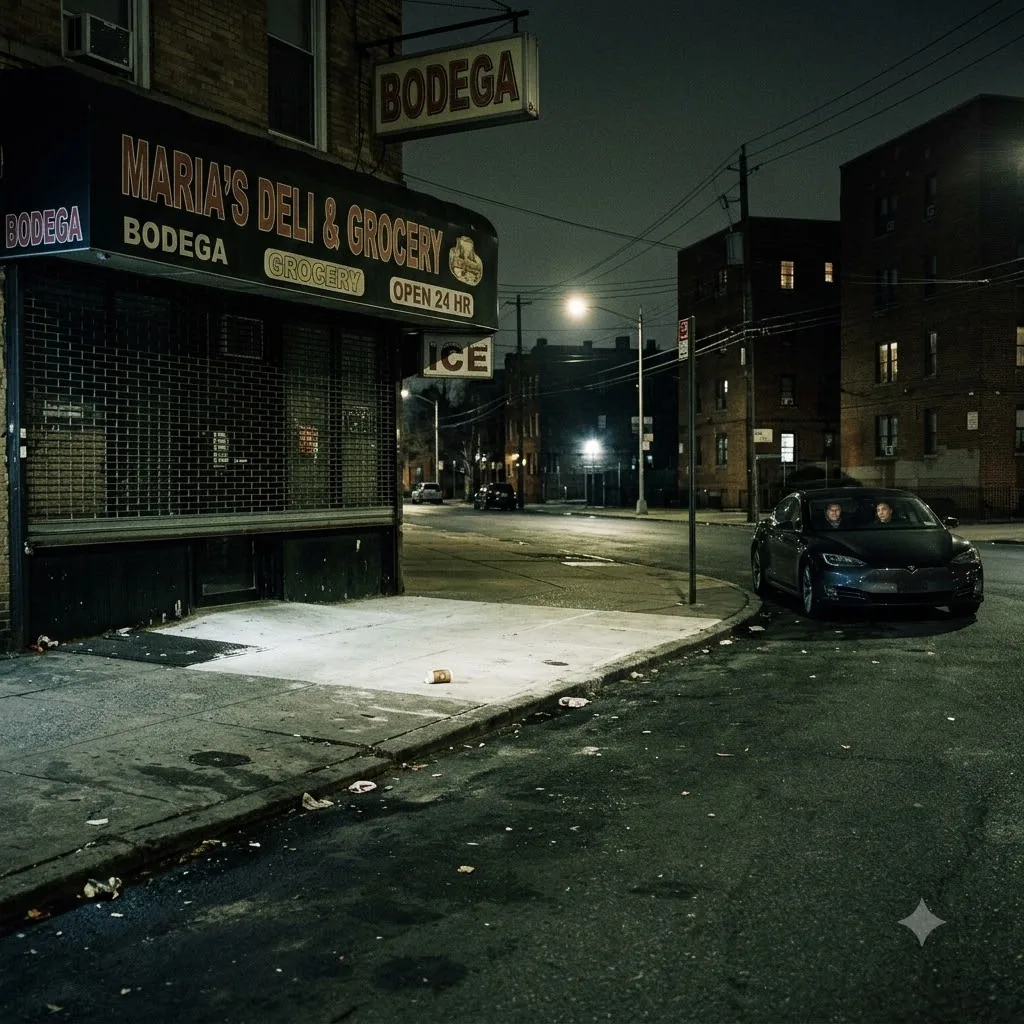
Mateo killed the engine of his old delivery van, shivering in the damp four in the morning air, before turning his head to look at the storefront. He dropped his heavy brass keyring onto the pavement the moment he stepped out. The space where his rusted ice machine was supposed to be sat completely empty. The sidewalk outside his bodega, normally stained with the ghost marks of spilled sodas and dragged pallets, had been scrubbed down to a raw, chemical-smelling white.
He walked forward slowly, his work boots squeaking against the unnaturally clean concrete. The heavy commercial trash bins he chained to the light pole every night were gone. The thick steel chain had been severed, the cleanly cut links lying in a small puddle of soapy water near the curb. The metal rack where he usually stacked bags of charcoal and the faded red coin-operated newspaper box had also vanished entirely. The familiar, accumulated grit of twenty years of neighborhood foot traffic had been aggressively power-washed away in the dark, leaving the front of his store looking utterly sterile. The strong fumes of industrial bleach burned the back of his throat with every breath he took, masking the usual morning smells of roasted coffee and damp asphalt.
A matte-black Tesla sat idling silently at the curb, its aggressive LED headlights cutting through the early fog to illuminate the bare exterior wall of the bodega. The sleek vehicle looked entirely out of place against the backdrop of the aging brick buildings. As Mateo approached the empty space on the sidewalk, the driver-side window of the car slid down exactly halfway. The pale interior lights illuminated the new cafe owner from next door, a man who had moved in three weeks prior and immediately filed complaints with the city about the neighborhood’s overall aesthetic. The man wearing a pristine quarter-zip sweater did not speak, wave, or look away. He simply rested his elbow on the window frame, watching Mateo process the complete erasure of his storefront in absolute silence.
Mateo felt a sudden, sharp pressure building behind his ribs. He refused to look back at the man in the running car, forcing himself to walk deliberately toward his glass double doors. The brass handle felt freezing in his grip, but his focus immediately shifted upward to the center of the glass. The hand-painted letters of his grandfather’s name, the proud gold and red script that had anchored this corner for three generations, were completely obscured. Someone had used long, overlapping strips of reinforced packing tape to secure a thick, bulging manila envelope directly over the center of the vintage logo.
The placement was far too deliberate to be a simple accident. The tape formed a tight, suffocating grid over the fragile, aging paint, sealing the heavy packet against the glass so aggressively it looked like it was meant to fuse with the door itself. Mateo dug his thumbnail under the top edge of the tape, scraping desperately at the clear adhesive. The harsh smell of the cleaning chemicals lingered heavily in the air, mixing with the metallic tang of the severed chain resting on the ground nearby. Behind him, the low, electric hum of the Tesla’s battery provided a constant, vibrating soundtrack to the otherwise dead-silent street.
The envelope was incredibly dense, packed tight with rigid documents that gave it the weight of a hardcover book. Mateo pulled firmly on the corner of the tape. The adhesive fought back, clinging stubbornly to the glass before giving way with a loud, violent tearing noise. He froze, staring at the back of the tape in his hand. A tiny, irreplaceable flake of the red and gold paint from his grandfather’s name was stuck perfectly to the clear strip. His grandfather had painted those letters by hand in the summer of eighty-two, and no amount of careful peeling was going to save them from the aggressive industrial adhesive. The realization that the tape was actively destroying the old, historic signage sent a hot flash of anger straight down to his hands.
He could feel the eyes of the cafe owner burning into his back, watching his every frustrated movement from the comfort of the driver’s seat. Mateo ripped the rest of the tape away in one fast, jagged motion, gripping the heavy manila envelope in both hands. The front of the package was entirely blank. There was no return address, no postage, and no name written on the surface, just a solid block of brown paper designed to completely hide its contents from the outside world.
Mateo slid his thumb forcefully under the flap, tearing the tough paper seal open. The documents inside were printed on thick, high-quality legal stock, bound tightly at the top with a heavy black plastic spine. The streetlights overhead flickered with a dull orange glow as he pulled the dense stack of papers free from the manila casing. The top page bore a massive, embossed corporate seal and a dense block of bold, capitalized text that seemed to vibrate in the dim morning light. Mateo gripped the edges of the document, the stiff paper digging painfully into his calloused fingers. His jaw locked tight as his eyes tracked the first heavy line of black ink. He spun around, clutching the papers to his chest, and marched directly toward the driver’s side window of the idling car.
Mateo killed the engine of his old delivery van, shivering in the damp four in the morning air, before turning his head to look at the storefront. He dropped his heavy brass keyring onto the pavement the moment he stepped out. The space where his rusted ice machine was supposed to be sat completely empty. The sidewalk outside his bodega, normally stained with the ghost marks of spilled sodas and dragged pallets, had been scrubbed down to a raw, chemical-smelling white.
He walked forward slowly, his work boots squeaking against the unnaturally clean concrete. The heavy commercial trash bins he chained to the light pole every night were gone. The thick steel chain had been severed, the cleanly cut links lying in a small puddle of soapy water near the curb. The metal rack where he usually stacked bags of charcoal and the faded red coin-operated newspaper box had also vanished entirely. The familiar, accumulated grit of twenty years of neighborhood foot traffic had been aggressively power-washed away in the dark, leaving the front of his store looking utterly sterile. The strong fumes of industrial bleach burned the back of his throat with every breath he took, masking the usual morning smells of roasted coffee and damp asphalt.
A matte-black Tesla sat idling silently at the curb, its aggressive LED headlights cutting through the early fog to illuminate the bare exterior wall of the bodega. The sleek vehicle looked entirely out of place against the backdrop of the aging brick buildings. As Mateo approached the empty space on the sidewalk, the driver-side window of the car slid down exactly halfway. The pale interior lights illuminated the new cafe owner from next door, a man who had moved in three weeks prior and immediately filed complaints with the city about the neighborhood’s overall aesthetic. The man wearing a pristine quarter-zip sweater did not speak, wave, or look away. He simply rested his elbow on the window frame, watching Mateo process the complete erasure of his storefront in absolute silence.
Mateo felt a sudden, sharp pressure building behind his ribs. He refused to look back at the man in the running car, forcing himself to walk deliberately toward his glass double doors. The brass handle felt freezing in his grip, but his focus immediately shifted upward to the center of the glass. The hand-painted letters of his grandfather’s name, the proud gold and red script that had anchored this corner for three generations, were completely obscured. Someone had used long, overlapping strips of reinforced packing tape to secure a thick, bulging manila envelope directly over the center of the vintage logo.
The placement was far too deliberate to be a simple accident. The tape formed a tight, suffocating grid over the fragile, aging paint, sealing the heavy packet against the glass so aggressively it looked like it was meant to fuse with the door itself. Mateo dug his thumbnail under the top edge of the tape, scraping desperately at the clear adhesive. The harsh smell of the cleaning chemicals lingered heavily in the air, mixing with the metallic tang of the severed chain resting on the ground nearby. Behind him, the low, electric hum of the Tesla’s battery provided a constant, vibrating soundtrack to the otherwise dead-silent street.
The envelope was incredibly dense, packed tight with rigid documents that gave it the weight of a hardcover book. Mateo pulled firmly on the corner of the tape. The adhesive fought back, clinging stubbornly to the glass before giving way with a loud, violent tearing noise. He froze, staring at the back of the tape in his hand. A tiny, irreplaceable flake of the red and gold paint from his grandfather’s name was stuck perfectly to the clear strip. His grandfather had painted those letters by hand in the summer of eighty-two, and no amount of careful peeling was going to save them from the aggressive industrial adhesive. The realization that the tape was actively destroying the old, historic signage sent a hot flash of anger straight down to his hands.
He could feel the eyes of the cafe owner burning into his back, watching his every frustrated movement from the comfort of the driver’s seat. Mateo ripped the rest of the tape away in one fast, jagged motion, gripping the heavy manila envelope in both hands. The front of the package was entirely blank. There was no return address, no postage, and no name written on the surface, just a solid block of brown paper designed to completely hide its contents from the outside world.
Mateo slid his thumb forcefully under the flap, tearing the tough paper seal open. The documents inside were printed on thick, high-quality legal stock, bound tightly at the top with a heavy black plastic spine. The streetlights overhead flickered with a dull orange glow as he pulled the dense stack of papers free from the manila casing. The top page bore a massive, embossed corporate seal and a dense block of bold, capitalized text that seemed to vibrate in the dim morning light. Mateo gripped the edges of the document, the stiff paper digging painfully into his calloused fingers. His jaw locked tight as his eyes tracked the first heavy line of black ink. He spun around, clutching the papers to his chest, and marched directly toward the driver’s side window of the idling car.