Story code: ST-001858
Part 1: The Price of Medicine
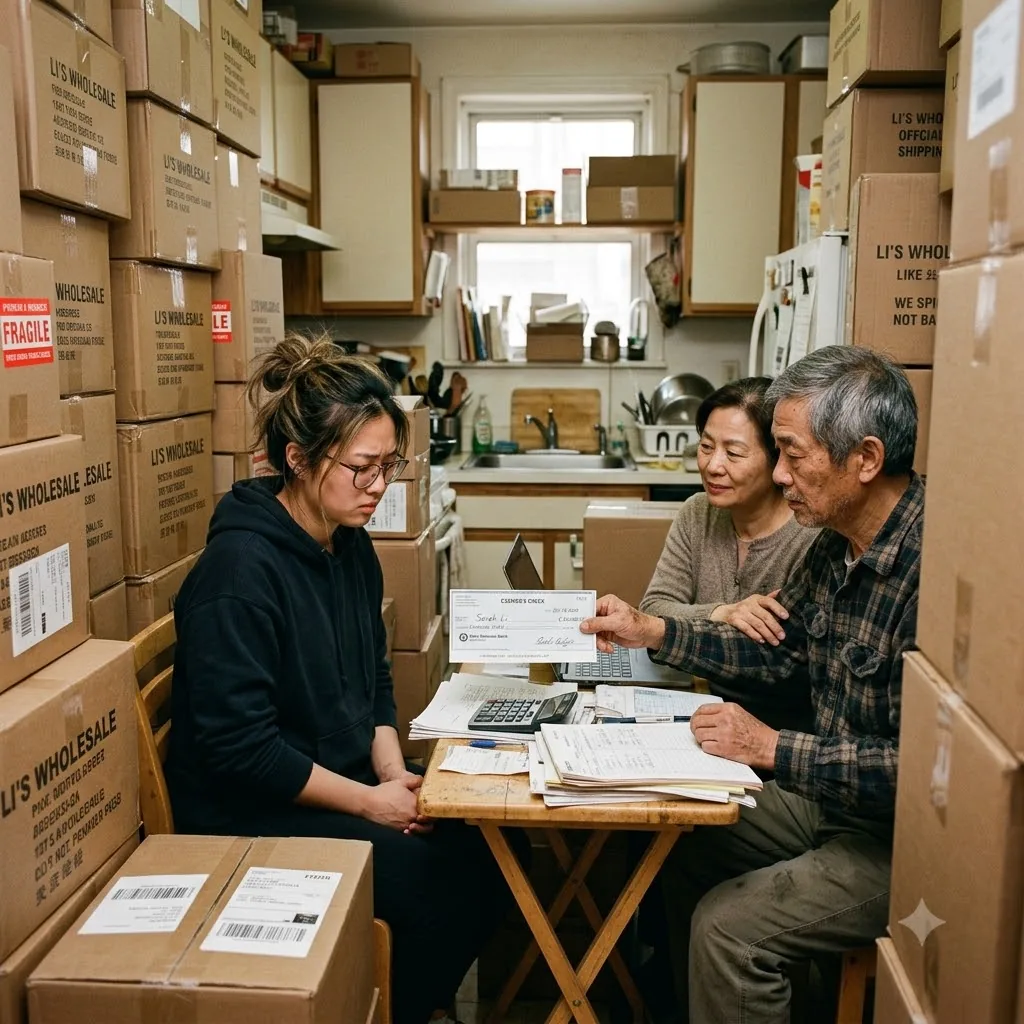
The smell of corrugated cardboard and mint toothpaste hit me the moment I opened the front door. My parents were already at the kitchen table, an assembly line of clear plastic bags, miniature soap bars, and cheap razors stretched across the vinyl tablecloth. Dad was sealing the bags with a quick, practiced flick of his calloused thumbs, while Mom stacked the finished bundles into a brown box on the floor. Pinned under a ceramic salt shaker in the center of the table was the letter they had been waiting for all month, the state department of corrections seal stamped at the top. They had secured the penitentiary supply contract for another three years.
“Thirty thousand units,” Dad said, not looking up from his packing. His knuckles were swollen, the skin thick and yellowed from years of manual labor, but his voice buzzed with exhausted energy. “The new margin is even better. We cut the soap size by a quarter ounce, and the state does not care. The inmates buy it from the commissary anyway because they have no other choice. We are set for the fall.”
I stood frozen in the doorway, my bag digging into my shoulder. The cardboard dust hung thick in the air, catching the fluorescent light above the stove. This was our family business. This cramped kitchen was the engine of our American dream, a dream fueled by charging incarcerated men and women triple the retail price for basic human dignity. I dropped my keys on the counter. The metallic clink sounded too loud.
Mom finally stopped her sorting to look at me. Her index fingers were wrapped in athletic tape, a flimsy defense against the thousands of paper cuts she endured every week. Her face was lined with deep fatigue, yet she beamed at me with a radiance that made my stomach twist into a hard knot.
“Sit down, Jia,” she said, wiping her taped fingers on her faded apron. “We are celebrating tonight. We ordered the good pork dumplings from Main Street. And your father has something important for you.”
I pulled out a chair and sat. The vinyl clung to my jeans. My bag rested on the floor right beside my feet, a dead weight against my ankle. I needed to say the words I had practiced all the way home on the subway. I needed to tell them the truth about my classes, about where I had been spending my evenings, about the project I had been working on for the last six months. The words were right there in my throat, refusing to come out. I swallowed hard, staring blankly at the stack of clear plastic hygiene kits.
Dad pushed away from the table, brushing cardboard fibers from his slacks. He reached into his shirt pocket and pulled out a crisp, white envelope. He held it with a reverence that made my chest ache with guilt. He had worked seventy-hour weeks for this moment, sacrificing his back in this very kitchen just to hand me this piece of paper.
“The fall semester,” Dad said, his voice thick. He slid the envelope across the table until the edge touched the cuff of my sleeve. “The contract renewal advance cleared the bank this morning. This covers everything.”
I stared down at the white envelope. I did not want to touch it. I forced my hand to move, my fingers trembling slightly as I lifted the flap. Inside was a cashier’s check made out to the university. Thirty-four thousand dollars. The memo line in the corner read Pre-Med Tuition.
Thirty-four thousand dollars built entirely on the backs of prisoners paying exorbitant fees for watered-down shampoo and slivers of lye soap. Thirty-four thousand dollars of pure sacrifice from two parents who believed with all their hearts they were buying their daughter a respectable future in medicine.
I stared at the trailing zeros on the check. My vision blurred. I could hear the hum of the aging refrigerator and the distant siren of a police car fading down the avenue outside our apartment building. The silence in the kitchen stretched, pulled taut like a wire about to snap under immense pressure. Mom and Dad were waiting for my reaction, waiting for the tears of joy, the gratitude, the ultimate validation of their nights packing boxes until their hands bled.
My hand dropped down to the side of my chair. My fingers brushed the canvas of my bag. Inside was the truth I had been hiding from them for an entire year. I was no longer a pre-med student. I had not been anywhere near the university science building since last winter. My life was now consumed by a different kind of anatomy, dissecting the very systems of exploitation that paid for the roof over our heads.
Dad cleared his throat, leaning forward with a proud smile. “You need to deposit it tomorrow so the bursar clears the funds before your registration window closes.”
The smell of the mint toothpaste was suddenly overpowering, filling my lungs until I felt like I could not take another breath. I looked at Mom’s taped, bruised fingers. I looked at Dad’s proud, exhausted eyes. The cashier’s check felt hot against my skin, burning with the reality of where that money originated and the deception I had maintained to let it get this far.
I placed my palm flat against the paper of the check. I took a slow, deep breath of the dusty air. Then, I slid the thirty-four thousand dollars back across the vinyl tablecloth toward my father, reached down into my bag, and pulled out the heavy, black metal body of my camera.
The smell of corrugated cardboard and mint toothpaste hit me the moment I opened the front door. My parents were already at the kitchen table, an assembly line of clear plastic bags, miniature soap bars, and cheap razors stretched across the vinyl tablecloth. Dad was sealing the bags with a quick, practiced flick of his calloused thumbs, while Mom stacked the finished bundles into a brown box on the floor. Pinned under a ceramic salt shaker in the center of the table was the letter they had been waiting for all month, the state department of corrections seal stamped at the top. They had secured the penitentiary supply contract for another three years.
“Thirty thousand units,” Dad said, not looking up from his packing. His knuckles were swollen, the skin thick and yellowed from years of manual labor, but his voice buzzed with exhausted energy. “The new margin is even better. We cut the soap size by a quarter ounce, and the state does not care. The inmates buy it from the commissary anyway because they have no other choice. We are set for the fall.”
I stood frozen in the doorway, my bag digging into my shoulder. The cardboard dust hung thick in the air, catching the fluorescent light above the stove. This was our family business. This cramped kitchen was the engine of our American dream, a dream fueled by charging incarcerated men and women triple the retail price for basic human dignity. I dropped my keys on the counter. The metallic clink sounded too loud.
Mom finally stopped her sorting to look at me. Her index fingers were wrapped in athletic tape, a flimsy defense against the thousands of paper cuts she endured every week. Her face was lined with deep fatigue, yet she beamed at me with a radiance that made my stomach twist into a hard knot.
“Sit down, Jia,” she said, wiping her taped fingers on her faded apron. “We are celebrating tonight. We ordered the good pork dumplings from Main Street. And your father has something important for you.”
I pulled out a chair and sat. The vinyl clung to my jeans. My bag rested on the floor right beside my feet, a dead weight against my ankle. I needed to say the words I had practiced all the way home on the subway. I needed to tell them the truth about my classes, about where I had been spending my evenings, about the project I had been working on for the last six months. The words were right there in my throat, refusing to come out. I swallowed hard, staring blankly at the stack of clear plastic hygiene kits.
Dad pushed away from the table, brushing cardboard fibers from his slacks. He reached into his shirt pocket and pulled out a crisp, white envelope. He held it with a reverence that made my chest ache with guilt. He had worked seventy-hour weeks for this moment, sacrificing his back in this very kitchen just to hand me this piece of paper.
“The fall semester,” Dad said, his voice thick. He slid the envelope across the table until the edge touched the cuff of my sleeve. “The contract renewal advance cleared the bank this morning. This covers everything.”
I stared down at the white envelope. I did not want to touch it. I forced my hand to move, my fingers trembling slightly as I lifted the flap. Inside was a cashier’s check made out to the university. Thirty-four thousand dollars. The memo line in the corner read Pre-Med Tuition.
Thirty-four thousand dollars built entirely on the backs of prisoners paying exorbitant fees for watered-down shampoo and slivers of lye soap. Thirty-four thousand dollars of pure sacrifice from two parents who believed with all their hearts they were buying their daughter a respectable future in medicine.
I stared at the trailing zeros on the check. My vision blurred. I could hear the hum of the aging refrigerator and the distant siren of a police car fading down the avenue outside our apartment building. The silence in the kitchen stretched, pulled taut like a wire about to snap under immense pressure. Mom and Dad were waiting for my reaction, waiting for the tears of joy, the gratitude, the ultimate validation of their nights packing boxes until their hands bled.
My hand dropped down to the side of my chair. My fingers brushed the canvas of my bag. Inside was the truth I had been hiding from them for an entire year. I was no longer a pre-med student. I had not been anywhere near the university science building since last winter. My life was now consumed by a different kind of anatomy, dissecting the very systems of exploitation that paid for the roof over our heads.
Dad cleared his throat, leaning forward with a proud smile. “You need to deposit it tomorrow so the bursar clears the funds before your registration window closes.”
The smell of the mint toothpaste was suddenly overpowering, filling my lungs until I felt like I could not take another breath. I looked at Mom’s taped, bruised fingers. I looked at Dad’s proud, exhausted eyes. The cashier’s check felt hot against my skin, burning with the reality of where that money originated and the deception I had maintained to let it get this far.
I placed my palm flat against the paper of the check. I took a slow, deep breath of the dusty air. Then, I slid the thirty-four thousand dollars back across the vinyl tablecloth toward my father, reached down into my bag, and pulled out the heavy, black metal body of my camera.