Story code: ST-000813
Part 1: He Said She Made It Up
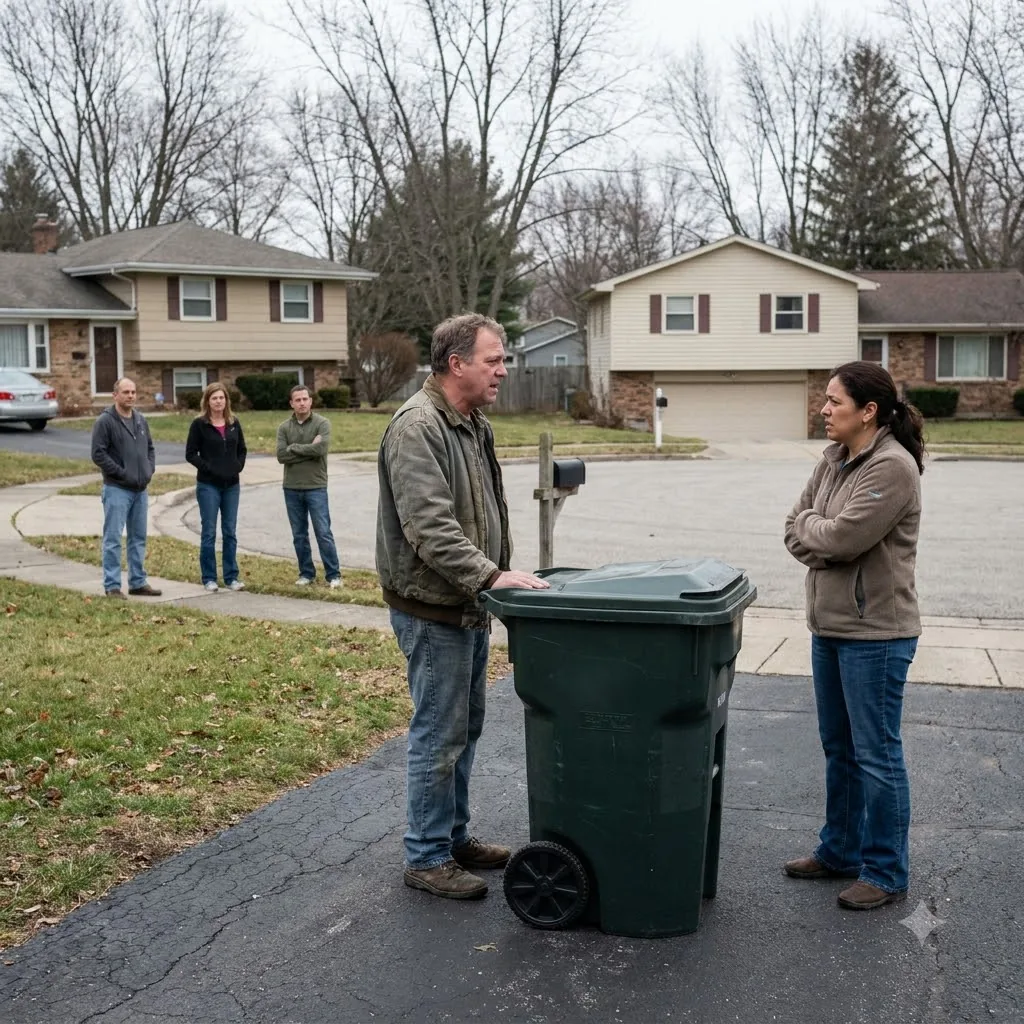
Mark Delaney stood in the shared driveway with one hand on his garage-side trash bin and told Nina Alvarez, in front of three neighbors, that she was inventing the whole thing. Her bin was jammed across the narrow apron where both houses had to back out, and when she said he had promised for months not to leave it there on pickup mornings, he answered, calm as if he were correcting a grocery list, “I never moved your bin, and I never agreed to anything. You keep mixing days up.” That was the first damage that morning. Not the blocked path. Her memory, in public.
Mara had stepped out to bring her own recycling bin back from the curb and stopped near the mailboxes when voices rose across the cul-de-sac. Nothing about the scene looked dramatic at first. A sanitation truck had already come and gone. Lids were still half open on bins along the curb. A dog leash dragged behind somebody’s parked SUV. But the Alvarez driveway was pinched down to one workable strip, and Nina’s dark bin sat at an angle where it cut across the exit line from their side.
Evan Alvarez came out of the garage, looked once at the bin, then at the rear of his car. He paced the clearance with two short steps and stopped. “I can’t get out without clipping it or going over the grass,” he said.
Mark spread one hand, not moving from his side. “Then move your own bin. That’s not on me.”
Nina kept her voice level. “You moved it over after pickup. We talked about this because your truck leaves earlier than ours. You said you’d keep the path clear on Tuesdays.”
“No,” Mark said. “I didn’t.”
He did not raise his voice. That was part of what made the exchange carry. The quieter he sounded, the more the driveway turned into a little stage. Renee Holloway had paused beside her hatchback with a grocery tote still hanging from one wrist. An older man from two houses down stood by his mailbox with a stack of envelopes he had stopped sorting. Nobody stepped in. They looked from the bin to Nina to Mark.
Mark pointed at the curb as if the answer had been sitting there all along. “Trash day was yesterday because of the holiday. Everybody knows that. If your bin is in the wrong place, that’s your mistake.”
Nina turned and looked down the street. Several bins were already tucked back beside garages, but a few still sat in the pickup line. “The truck came this morning,” she said. “It always comes on our side after eight.”
“You are doing it again,” Mark replied. “Making it complicated when it’s simple common sense. I don’t touch your stuff.”
That landed on the little group harder than if he had snapped at her. Common sense. Simple. The words made her sound like the problem. Nina glanced toward Renee, then toward Mara, not asking for rescue exactly, but for somebody to say the routine out loud.
Renee shifted the tote to her other hand. “I saw the truck come by after I got back from school drop-off,” she said carefully. “It was after eight-thirty.”
Mark answered before Nina could. “Fine. The truck came after eight-thirty. That still doesn’t mean I touched her bin.”
Evan crouched near the wheels. “These tracks are fresh,” he said. He pointed to two narrow marks in the grit where the rubber wheels had cut across a damp strip near the apron. The bin itself faced slightly wrong too, lid turned toward Mark’s side instead of toward the curb, as if it had been rolled back from the street and swung into place without much room.
Mark looked down and shrugged. “Bins roll. The collectors move them around. Kids move them around. Wind moves them around.”
No wind was moving anything at that moment. The air was still enough that a loose grocery receipt near the gutter stayed flat.
Nina folded both arms tight against her sides and then let them drop again. “The collectors don’t drag a bin from the curb and wedge it sideways across the only place we can exit.”
Mark gave a short laugh through his nose. “You don’t know that. And stop saying ‘we agreed’ like there’s a contract. There isn’t.”
The older man by the mailbox looked down at his envelopes. Renee’s eyes moved back to the wheel marks. Mara noticed the arrangement because the driveway had trained everybody nearby to notice arrangements: where the bins sat, which car left first, whether there was enough room for a stroller or a trash cart to pass on the garage-side strip.
Evan tried one more time to angle his car, stopped, and put it back in park. The back tire had come within inches of the bin. If he nudged it himself now, the scene would flatten into exactly what Mark was saying: your bin, your problem.
Nina said, “So let’s make this simple. If you never touched it, and I didn’t put it there, how did it get from the curb to right here after pickup?”
Mark’s face stayed composed. He lifted his chin toward the street, toward the truck route, toward nothing specific at all. “Maybe start by figuring out what day you think it is.”
Nobody answered right away. The driveway stayed blocked. The wheel marks stayed visible in the thin film of damp grit. And Mark had just left himself only one clean version of the morning: that a collected bin had somehow crossed a shared apron, turned sideways, and sealed off Nina’s exit without either neighbor moving it.
Mark Delaney stood in the shared driveway with one hand on his garage-side trash bin and told Nina Alvarez, in front of three neighbors, that she was inventing the whole thing. Her bin was jammed across the narrow apron where both houses had to back out, and when she said he had promised for months not to leave it there on pickup mornings, he answered, calm as if he were correcting a grocery list, “I never moved your bin, and I never agreed to anything. You keep mixing days up.” That was the first damage that morning. Not the blocked path. Her memory, in public.
Mara had stepped out to bring her own recycling bin back from the curb and stopped near the mailboxes when voices rose across the cul-de-sac. Nothing about the scene looked dramatic at first. A sanitation truck had already come and gone. Lids were still half open on bins along the curb. A dog leash dragged behind somebody’s parked SUV. But the Alvarez driveway was pinched down to one workable strip, and Nina’s dark bin sat at an angle where it cut across the exit line from their side.
Evan Alvarez came out of the garage, looked once at the bin, then at the rear of his car. He paced the clearance with two short steps and stopped. “I can’t get out without clipping it or going over the grass,” he said.
Mark spread one hand, not moving from his side. “Then move your own bin. That’s not on me.”
Nina kept her voice level. “You moved it over after pickup. We talked about this because your truck leaves earlier than ours. You said you’d keep the path clear on Tuesdays.”
“No,” Mark said. “I didn’t.”
He did not raise his voice. That was part of what made the exchange carry. The quieter he sounded, the more the driveway turned into a little stage. Renee Holloway had paused beside her hatchback with a grocery tote still hanging from one wrist. An older man from two houses down stood by his mailbox with a stack of envelopes he had stopped sorting. Nobody stepped in. They looked from the bin to Nina to Mark.
Mark pointed at the curb as if the answer had been sitting there all along. “Trash day was yesterday because of the holiday. Everybody knows that. If your bin is in the wrong place, that’s your mistake.”
Nina turned and looked down the street. Several bins were already tucked back beside garages, but a few still sat in the pickup line. “The truck came this morning,” she said. “It always comes on our side after eight.”
“You are doing it again,” Mark replied. “Making it complicated when it’s simple common sense. I don’t touch your stuff.”
That landed on the little group harder than if he had snapped at her. Common sense. Simple. The words made her sound like the problem. Nina glanced toward Renee, then toward Mara, not asking for rescue exactly, but for somebody to say the routine out loud.
Renee shifted the tote to her other hand. “I saw the truck come by after I got back from school drop-off,” she said carefully. “It was after eight-thirty.”
Mark answered before Nina could. “Fine. The truck came after eight-thirty. That still doesn’t mean I touched her bin.”
Evan crouched near the wheels. “These tracks are fresh,” he said. He pointed to two narrow marks in the grit where the rubber wheels had cut across a damp strip near the apron. The bin itself faced slightly wrong too, lid turned toward Mark’s side instead of toward the curb, as if it had been rolled back from the street and swung into place without much room.
Mark looked down and shrugged. “Bins roll. The collectors move them around. Kids move them around. Wind moves them around.”
No wind was moving anything at that moment. The air was still enough that a loose grocery receipt near the gutter stayed flat.
Nina folded both arms tight against her sides and then let them drop again. “The collectors don’t drag a bin from the curb and wedge it sideways across the only place we can exit.”
Mark gave a short laugh through his nose. “You don’t know that. And stop saying ‘we agreed’ like there’s a contract. There isn’t.”
The older man by the mailbox looked down at his envelopes. Renee’s eyes moved back to the wheel marks. Mara noticed the arrangement because the driveway had trained everybody nearby to notice arrangements: where the bins sat, which car left first, whether there was enough room for a stroller or a trash cart to pass on the garage-side strip.
Evan tried one more time to angle his car, stopped, and put it back in park. The back tire had come within inches of the bin. If he nudged it himself now, the scene would flatten into exactly what Mark was saying: your bin, your problem.
Nina said, “So let’s make this simple. If you never touched it, and I didn’t put it there, how did it get from the curb to right here after pickup?”
Mark’s face stayed composed. He lifted his chin toward the street, toward the truck route, toward nothing specific at all. “Maybe start by figuring out what day you think it is.”
Nobody answered right away. The driveway stayed blocked. The wheel marks stayed visible in the thin film of damp grit. And Mark had just left himself only one clean version of the morning: that a collected bin had somehow crossed a shared apron, turned sideways, and sealed off Nina’s exit without either neighbor moving it.