Story code: ST-001627
Part 1: The Red Ink
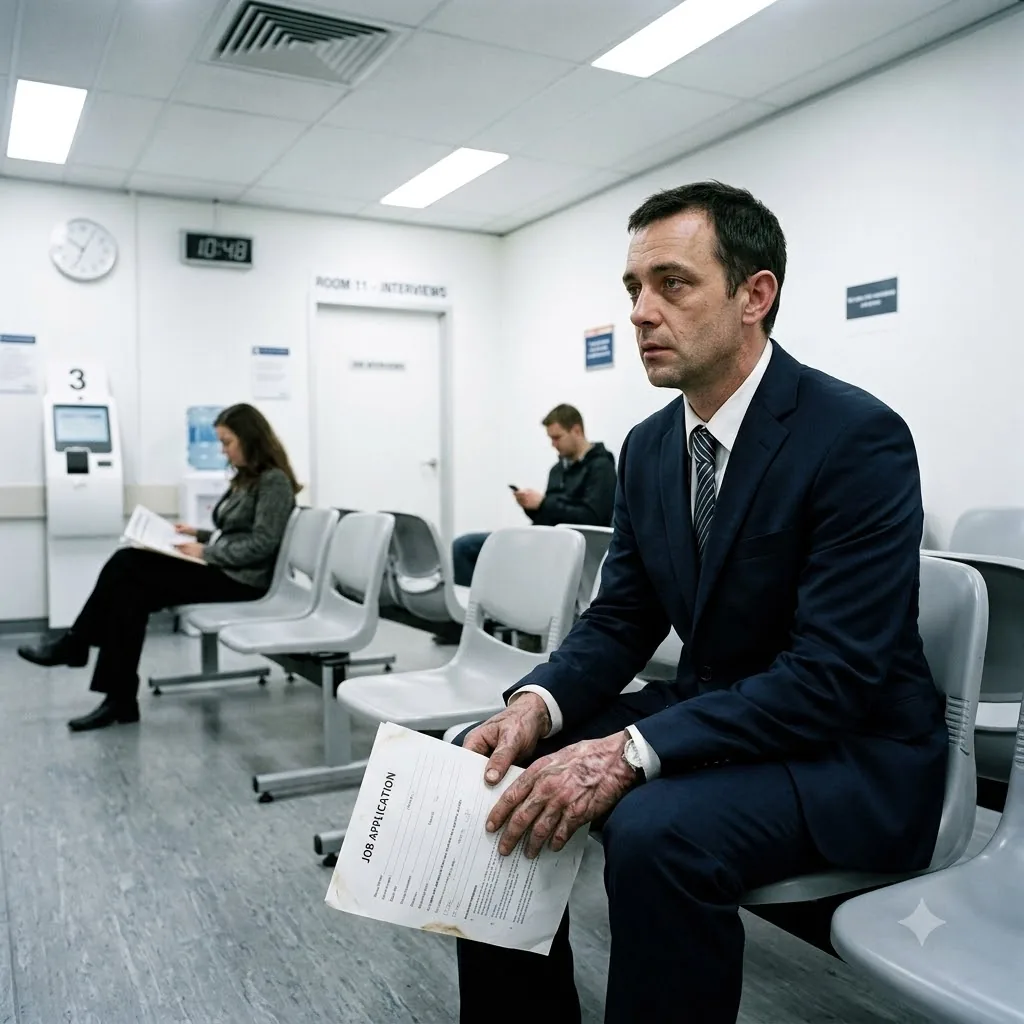
The air conditioning in the Sacramento Department of Forestry office blasted a sterile, chemical chill that bit right through Mateo’s polyester jacket. He pressed his knuckles against his thighs, trying to hide the mottled, glossy burn scars pulling at the skin of his hands. The cheap fabric of his new suit felt rigid against his skin, a desperate costume meant to distract from the permanent ash-stains embedded deep in his cuticles. He stared at the beige carpet, counting the woven loops to keep his heart rate down.
Resting on his right knee was a single sheet of heavy bond paper. The State of California crest sat proudly at the top, above a block of text that began with “Conditional Approval: Fire Equipment Operator I.” Mateo ran his thumb over the embossed seal, feeling the raised edges of the bear. This piece of paper was the only bridge between a past he desperately wanted to leave behind and the only future he knew how to survive. He had spent the last forty-five minutes sitting in the uncomfortable vinyl chair, silently mouthing his interview answers. He knew the unpredictable wind patterns of the High Sierras. He knew the exact flash point of dry manzanita brush, and he knew the precise angle to cut a trench to starve a crowning blaze. He knew these things because he had lived them, breathing thick black smoke while defending sprawling estates he would never be allowed to enter as a guest.
For years, the state had paid him exactly two dollars a day to stand between walls of flame and civilian lives. He had traded the structural integrity of his lungs and the top layers of skin on his forearms to save million-dollar homes in Malibu, Napa, and Sonoma. The conditional offer letter in his lap felt like an official receipt for that sacrifice. It meant the hiring committee recognized his thousands of hours on the fire line. It meant the grueling time he had served had actually bought him a legitimate second chance at a normal life.
A fluorescent tube buzzed overhead, the rhythmic humming scraping against his nerves. Mateo adjusted his collar, forcing his fingers to work the small, unfamiliar button. The suit was a size too small, bought off a discount rack the day after he got his bus ticket back to the city. The receptionist across the room tapped endlessly at her keyboard, her eyes glued to her monitor. She never once looked in his direction. She was entirely accustomed to nervous men in cheap, ill-fitting suits sitting in her lobby.
Mateo carefully folded the approval letter, making sure the corners matched perfectly, and tucked it into his inner breast pocket. He patted the fabric flat. He needed to look calm, collected, and professional. His left hand cramped suddenly, a sharp spasm pulling his fingers inward. It was a lingering parting gift from a localized flashover near Paradise. He used his other hand to forcefully massage the thick, ridged bands of scar tissue. The camp doctors had warned him the skin would never fully regain its elasticity. That did not matter to him. He knew he could still swing a Pulaski axe faster, harder, and longer than any fresh recruit coming out of the state academy. He just needed the man behind the heavy frosted glass door to give him the floor to prove it.
The brass handle of the inner office door finally clicked downward. A man in a crisp white shirt and a muted blue tie stepped out into the lobby. This was Mr. Henderson, the regional director of operations. Henderson wore a polite, easily rehearsed smile as he scanned the empty waiting room. His eyes locked onto Mateo, taking in the cheap suit and the rigid posture.
“Mateo Vargas,” Henderson said, his voice carrying the smooth, frictionless cadence of a career bureaucrat. He held a thick manila folder tucked under his left arm.
Mateo stood up immediately. He wiped his sweating palms on the sides of his trousers, forcing his scarred right hand out for a firm, practiced handshake. Henderson stepped forward, pulling the folder from under his arm and flipping it open as he moved. The top page inside the file was heavily stamped in a thick, bleeding red ink. Mateo could not read the block letters upside down, but the distinctive layout of a Department of Corrections absolute discharge file was unmistakable. Henderson stopped dead in his tracks. His eyes darted violently from the red stamp to Mateo’s outstretched, scarred hand, and finally up to his face. The polite, rehearsed smile vanished instantly, replaced by a rigid, tightening jawline as Henderson slowly closed the folder and took a deliberate step backward.
The air conditioning in the Sacramento Department of Forestry office blasted a sterile, chemical chill that bit right through Mateo’s polyester jacket. He pressed his knuckles against his thighs, trying to hide the mottled, glossy burn scars pulling at the skin of his hands. The cheap fabric of his new suit felt rigid against his skin, a desperate costume meant to distract from the permanent ash-stains embedded deep in his cuticles. He stared at the beige carpet, counting the woven loops to keep his heart rate down.
Resting on his right knee was a single sheet of heavy bond paper. The State of California crest sat proudly at the top, above a block of text that began with “Conditional Approval: Fire Equipment Operator I.” Mateo ran his thumb over the embossed seal, feeling the raised edges of the bear. This piece of paper was the only bridge between a past he desperately wanted to leave behind and the only future he knew how to survive. He had spent the last forty-five minutes sitting in the uncomfortable vinyl chair, silently mouthing his interview answers. He knew the unpredictable wind patterns of the High Sierras. He knew the exact flash point of dry manzanita brush, and he knew the precise angle to cut a trench to starve a crowning blaze. He knew these things because he had lived them, breathing thick black smoke while defending sprawling estates he would never be allowed to enter as a guest.
For years, the state had paid him exactly two dollars a day to stand between walls of flame and civilian lives. He had traded the structural integrity of his lungs and the top layers of skin on his forearms to save million-dollar homes in Malibu, Napa, and Sonoma. The conditional offer letter in his lap felt like an official receipt for that sacrifice. It meant the hiring committee recognized his thousands of hours on the fire line. It meant the grueling time he had served had actually bought him a legitimate second chance at a normal life.
A fluorescent tube buzzed overhead, the rhythmic humming scraping against his nerves. Mateo adjusted his collar, forcing his fingers to work the small, unfamiliar button. The suit was a size too small, bought off a discount rack the day after he got his bus ticket back to the city. The receptionist across the room tapped endlessly at her keyboard, her eyes glued to her monitor. She never once looked in his direction. She was entirely accustomed to nervous men in cheap, ill-fitting suits sitting in her lobby.
Mateo carefully folded the approval letter, making sure the corners matched perfectly, and tucked it into his inner breast pocket. He patted the fabric flat. He needed to look calm, collected, and professional. His left hand cramped suddenly, a sharp spasm pulling his fingers inward. It was a lingering parting gift from a localized flashover near Paradise. He used his other hand to forcefully massage the thick, ridged bands of scar tissue. The camp doctors had warned him the skin would never fully regain its elasticity. That did not matter to him. He knew he could still swing a Pulaski axe faster, harder, and longer than any fresh recruit coming out of the state academy. He just needed the man behind the heavy frosted glass door to give him the floor to prove it.
The brass handle of the inner office door finally clicked downward. A man in a crisp white shirt and a muted blue tie stepped out into the lobby. This was Mr. Henderson, the regional director of operations. Henderson wore a polite, easily rehearsed smile as he scanned the empty waiting room. His eyes locked onto Mateo, taking in the cheap suit and the rigid posture.
“Mateo Vargas,” Henderson said, his voice carrying the smooth, frictionless cadence of a career bureaucrat. He held a thick manila folder tucked under his left arm.
Mateo stood up immediately. He wiped his sweating palms on the sides of his trousers, forcing his scarred right hand out for a firm, practiced handshake. Henderson stepped forward, pulling the folder from under his arm and flipping it open as he moved. The top page inside the file was heavily stamped in a thick, bleeding red ink. Mateo could not read the block letters upside down, but the distinctive layout of a Department of Corrections absolute discharge file was unmistakable. Henderson stopped dead in his tracks. His eyes darted violently from the red stamp to Mateo’s outstretched, scarred hand, and finally up to his face. The polite, rehearsed smile vanished instantly, replaced by a rigid, tightening jawline as Henderson slowly closed the folder and took a deliberate step backward.