Story code: ST-000925
Part 1: Containment Zone
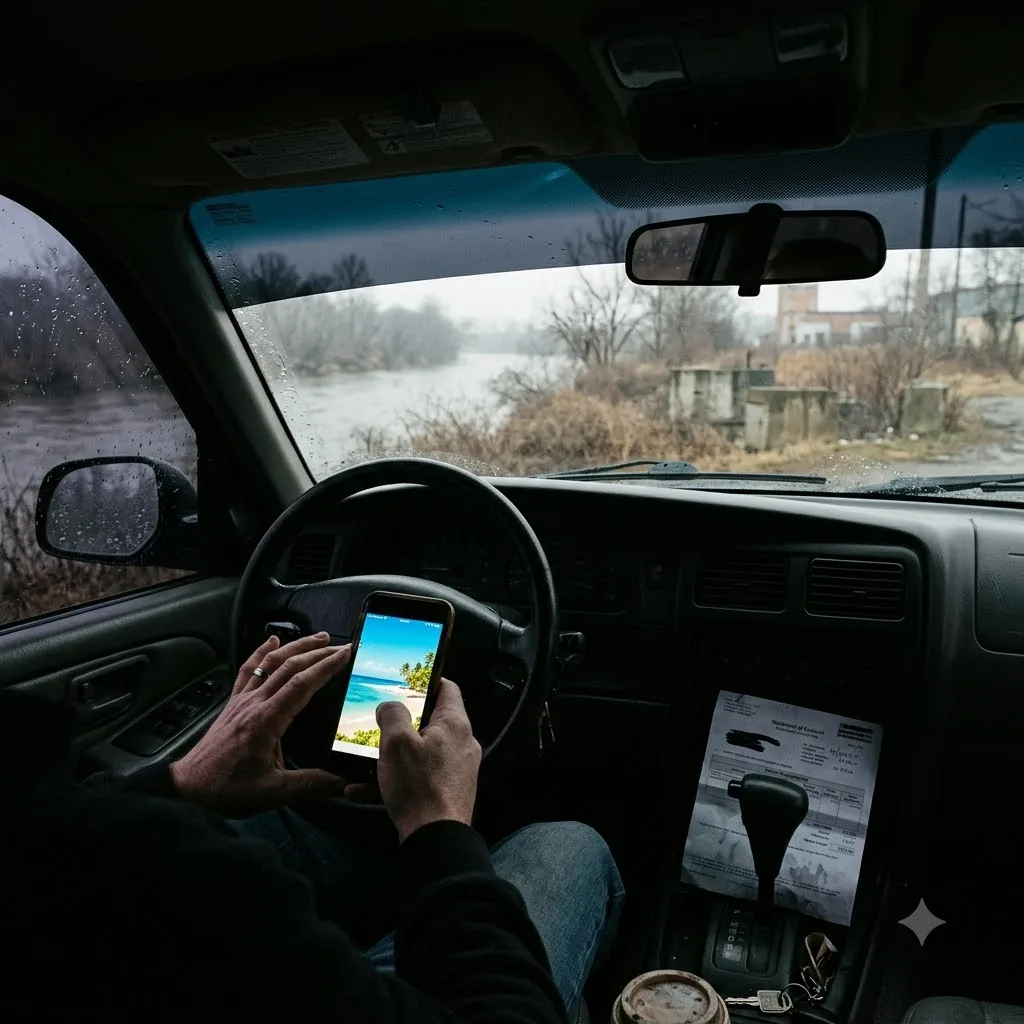
The engine of the idling SUV hummed beneath me at the edge of the chain-link exclusion zone, vibrating through the stiff leather seat while I systematically deleted high-resolution photos of silver-bellied carp floating in metallic sludge. I tapped the screen, dragging the gruesome evidence of the chemical spill into the digital trash bin, and swapped over to the corporate asset folder to pull up a generic stock image of a pristine wetland at sunset. Next to my glowing phone, a red-stamped past-due invoice from Silver Pines Memory Care fluttered in the heavy air conditioning draft, the thirty-day eviction warning glaring at me in bold, unforgiving print.
My thumb hovered over the publish button for the official company social media update. The caption was already approved by the legal department on the seventh floor, touting our rapid response and the absolute minimal impact to local wildlife following what we were strictly calling a minor pipeline pressure anomaly. I took a slow breath, hit send, and watched the loading bar turn a cheerful shade of green. The stock photo of the healthy, vibrant marsh was now live on all our platforms, officially burying the reality of the thick black sheen coating the reeds just two hundred yards past my windshield.
I picked up the Silver Pines invoice and folded it into precise thirds, tracing the sharp crease with my thumbnail. The total due at the bottom was a number that made my chest tighten, representing the exact cost of keeping my mother in a secure, locked wing where she could not wander into traffic at two in the morning. My corporate salary and the generous crisis bonuses were the only things standing between her and a state-run facility with a two-year waitlist and a history of severe neglect. Doing my job meant securing that check, and my job today was to ensure the public believed the municipal water supply was perfectly safe for human contact.
Outside the tinted glass of my mobile command center, hazmat crews in bright yellow Tyvek suits moved like slow ghosts through the harsh glare of portable floodlights. They were systematically raking the shoreline, bagging the physical evidence I had just finished erasing from the company servers. The chemical scent was thick enough to penetrate the heavy cabin air filter, a sweet, sickly smell of sulfur and burnt plastic that clung to the back of my throat and made my eyes water. I cracked a plastic water bottle, took a long sip to clear the metallic taste, and checked the engagement metrics on the post I had just pushed out. The comments were mostly quiet, just a few local residents expressing mild concern over the road closures, completely unaware of the actual volume of the toxic leak seeping into the groundwater.
My job as a senior crisis communications liaison was incredibly straightforward. Control the narrative, limit corporate liability, and protect the brand at all costs. I was undeniably good at it. I could spin a catastrophic containment failure into a proactive environmental stewardship initiative before the local news anchors even got their studio makeup on. I reached for the gear shift to put the heavy SUV in drive so I could head back to the staging hotel and sleep for a few hours.
My personal phone vibrated violently in the cup holder. The screen lit up with an unknown out-of-state number. I ignored it, assuming it was another automated spam text or a hungry local reporter fishing for an unauthorized quote, and shifted my foot to the brake pedal.
It buzzed a second time, followed immediately by a third, the device rattling against the hard plastic console.
I glanced down at the illuminated screen. The preview text on the lock screen froze the breath in my lungs. It was a high-resolution screenshot of a spreadsheet, specifically the raw, unredacted water quality assay from the EPA monitoring station. It showed the heavy metal concentrations at ten times the lethal limit, the exact data points my boss had ordered me to digitally scrub from the public briefing packet less than an hour ago.
I snatched the phone with a shaking hand and swiped open the message thread. Beneath the damning, highly confidential screenshot was a single line of text.
*Looks like someone finally managed to sneak a goldfish into the punch bowl, roomie.*
The chilled air in the cabin suddenly felt incredibly thin, as if the oxygen had been vacuumed out. I stared at those words, my mind violently snapping back eight years to a cramped, perpetually messy dorm room at State University. We had stolen a decorative plastic fish from a frat party and dropped it into the communal sangria, a stupid, drunken prank that only one other person on earth knew about. Sarah.
Sarah, who had dropped out of our elite public relations program in our junior year to pursue bare-knuckle investigative journalism. Sarah, who had relentlessly mocked my decision to take a high-paying corporate PR gig straight out of graduation, calling me a sellout before blocking my number.
I stared at the toxic data on my screen, then at the glowing dashboard clock, my pulse pounding in my ears. The data in that spreadsheet was completely internal and locked behind an encrypted firewall. There was absolutely no way she could have accessed it unless she was already on the ground, talking directly to a whistleblower on the cleanup crew, or somehow sitting on the same secure radio frequency I was using to communicate with the engineering team.
If that raw data went public on a news wire, the company stock would tank at the opening bell, the cleanup costs and subsequent fines would bankrupt the regional division, and my department would be completely liquidated by the end of the week. My severance package would vanish. My mother’s care facility would discharge her to the street by the end of the month.
I frantically began typing a response to deny everything, to tell whoever it was they had the wrong number, to play completely dumb.
Before my trembling thumb could hit the send icon, a sharp, rhythmic tapping echoed through the dark interior of the SUV.
I jumped, dropping the phone down into the passenger footwell.
Right outside my driver-side window, mere inches from my face, stood a figure in a dark, rain-slicked windbreaker. The security floodlights caught the silver reflection of a digital audio recorder in her left hand and the familiar, sharp contour of Sarah’s jawline as she leaned in, pressing her knuckles against the tinted glass for a second time.
The engine of the idling SUV hummed beneath me at the edge of the chain-link exclusion zone, vibrating through the stiff leather seat while I systematically deleted high-resolution photos of silver-bellied carp floating in metallic sludge. I tapped the screen, dragging the gruesome evidence of the chemical spill into the digital trash bin, and swapped over to the corporate asset folder to pull up a generic stock image of a pristine wetland at sunset. Next to my glowing phone, a red-stamped past-due invoice from Silver Pines Memory Care fluttered in the heavy air conditioning draft, the thirty-day eviction warning glaring at me in bold, unforgiving print.
My thumb hovered over the publish button for the official company social media update. The caption was already approved by the legal department on the seventh floor, touting our rapid response and the absolute minimal impact to local wildlife following what we were strictly calling a minor pipeline pressure anomaly. I took a slow breath, hit send, and watched the loading bar turn a cheerful shade of green. The stock photo of the healthy, vibrant marsh was now live on all our platforms, officially burying the reality of the thick black sheen coating the reeds just two hundred yards past my windshield.
I picked up the Silver Pines invoice and folded it into precise thirds, tracing the sharp crease with my thumbnail. The total due at the bottom was a number that made my chest tighten, representing the exact cost of keeping my mother in a secure, locked wing where she could not wander into traffic at two in the morning. My corporate salary and the generous crisis bonuses were the only things standing between her and a state-run facility with a two-year waitlist and a history of severe neglect. Doing my job meant securing that check, and my job today was to ensure the public believed the municipal water supply was perfectly safe for human contact.
Outside the tinted glass of my mobile command center, hazmat crews in bright yellow Tyvek suits moved like slow ghosts through the harsh glare of portable floodlights. They were systematically raking the shoreline, bagging the physical evidence I had just finished erasing from the company servers. The chemical scent was thick enough to penetrate the heavy cabin air filter, a sweet, sickly smell of sulfur and burnt plastic that clung to the back of my throat and made my eyes water. I cracked a plastic water bottle, took a long sip to clear the metallic taste, and checked the engagement metrics on the post I had just pushed out. The comments were mostly quiet, just a few local residents expressing mild concern over the road closures, completely unaware of the actual volume of the toxic leak seeping into the groundwater.
My job as a senior crisis communications liaison was incredibly straightforward. Control the narrative, limit corporate liability, and protect the brand at all costs. I was undeniably good at it. I could spin a catastrophic containment failure into a proactive environmental stewardship initiative before the local news anchors even got their studio makeup on. I reached for the gear shift to put the heavy SUV in drive so I could head back to the staging hotel and sleep for a few hours.
My personal phone vibrated violently in the cup holder. The screen lit up with an unknown out-of-state number. I ignored it, assuming it was another automated spam text or a hungry local reporter fishing for an unauthorized quote, and shifted my foot to the brake pedal.
It buzzed a second time, followed immediately by a third, the device rattling against the hard plastic console.
I glanced down at the illuminated screen. The preview text on the lock screen froze the breath in my lungs. It was a high-resolution screenshot of a spreadsheet, specifically the raw, unredacted water quality assay from the EPA monitoring station. It showed the heavy metal concentrations at ten times the lethal limit, the exact data points my boss had ordered me to digitally scrub from the public briefing packet less than an hour ago.
I snatched the phone with a shaking hand and swiped open the message thread. Beneath the damning, highly confidential screenshot was a single line of text.
*Looks like someone finally managed to sneak a goldfish into the punch bowl, roomie.*
The chilled air in the cabin suddenly felt incredibly thin, as if the oxygen had been vacuumed out. I stared at those words, my mind violently snapping back eight years to a cramped, perpetually messy dorm room at State University. We had stolen a decorative plastic fish from a frat party and dropped it into the communal sangria, a stupid, drunken prank that only one other person on earth knew about. Sarah.
Sarah, who had dropped out of our elite public relations program in our junior year to pursue bare-knuckle investigative journalism. Sarah, who had relentlessly mocked my decision to take a high-paying corporate PR gig straight out of graduation, calling me a sellout before blocking my number.
I stared at the toxic data on my screen, then at the glowing dashboard clock, my pulse pounding in my ears. The data in that spreadsheet was completely internal and locked behind an encrypted firewall. There was absolutely no way she could have accessed it unless she was already on the ground, talking directly to a whistleblower on the cleanup crew, or somehow sitting on the same secure radio frequency I was using to communicate with the engineering team.
If that raw data went public on a news wire, the company stock would tank at the opening bell, the cleanup costs and subsequent fines would bankrupt the regional division, and my department would be completely liquidated by the end of the week. My severance package would vanish. My mother’s care facility would discharge her to the street by the end of the month.
I frantically began typing a response to deny everything, to tell whoever it was they had the wrong number, to play completely dumb.
Before my trembling thumb could hit the send icon, a sharp, rhythmic tapping echoed through the dark interior of the SUV.
I jumped, dropping the phone down into the passenger footwell.
Right outside my driver-side window, mere inches from my face, stood a figure in a dark, rain-slicked windbreaker. The security floodlights caught the silver reflection of a digital audio recorder in her left hand and the familiar, sharp contour of Sarah’s jawline as she leaned in, pressing her knuckles against the tinted glass for a second time.