Story code: ST-000384
Part 1: The Red Flash
Tariq swiped his laminated faculty badge against the scanner of the humanities wing, fully expecting the familiar green chirp. Instead, a harsh red LED flared against the plastic casing. He pulled the card back, wiped the magnetic strip against the rough corduroy of his jacket, and pressed it flat against the reader a second time. The red light flashed twice, accompanied by a low, dissonant buzz. The heavy oak door remained firmly locked against his shoulder.
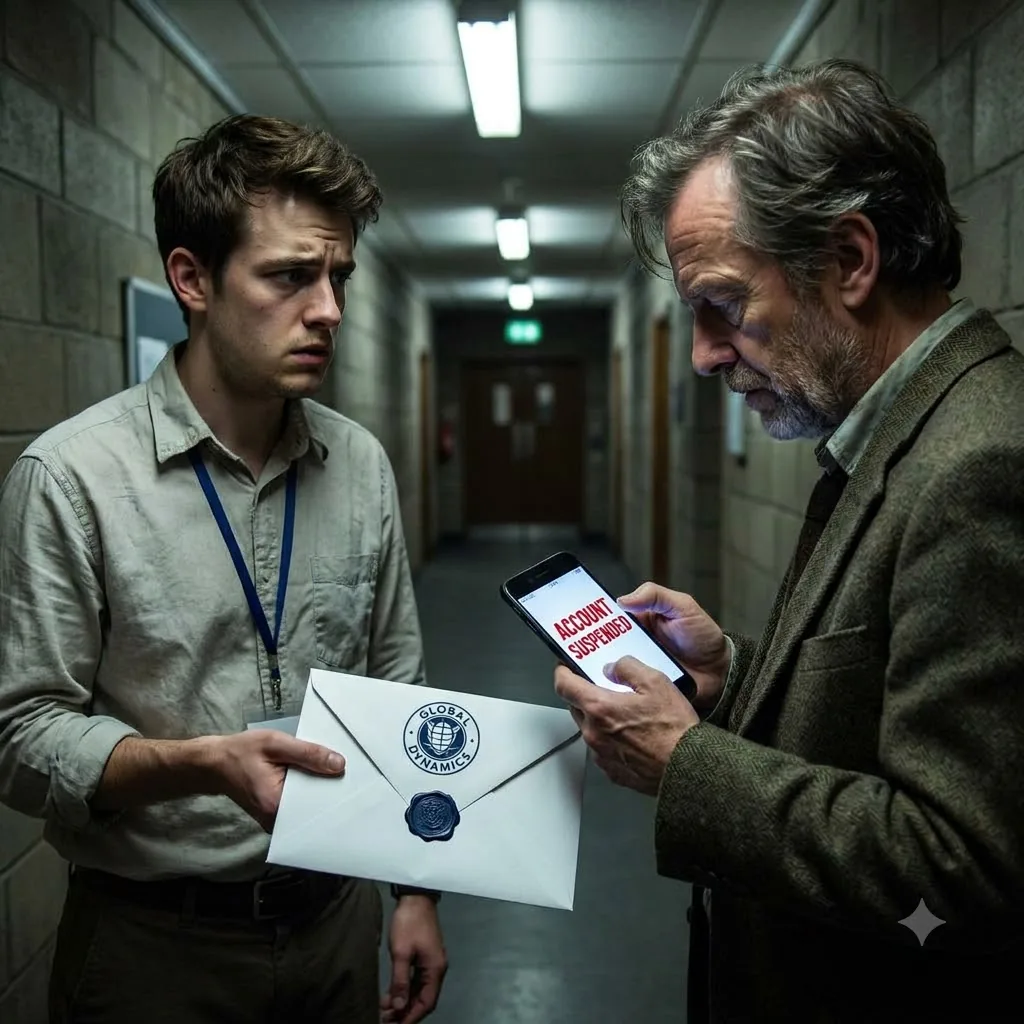
He reached into his pocket and pulled out his smartphone to text the department secretary. The screen woke up, but the university’s intranet portal icon had vanished from his home screen. His faculty email application displayed a spinning loading wheel that abruptly snapped to a blank white screen bearing a stark gray error code. “Authentication revoked. Suspension loop initiated.” He closed the app and reopened it. The same sterile, automated message stared back at him. His credentials had been scrubbed from the server in real time.
A cold, heavy weight settled at the base of his neck. Ten years of teaching, researching, and walking these specific linoleum halls vanished in the span of three seconds. He stepped back from the door, his heart thudding violently against his ribs. The morning chatter of undergraduates echoed down the far end of the corridor, but Tariq stood in a sudden, isolating silence. He pressed his thumb against the screen, attempting to access his course modules on the Canvas app. The application force-closed. He tapped his cloud drive. Denied. The digital footprint of his entire academic career had been severed without a single warning.
He stared at the unblinking red light on the card reader. The department was scheduled for a staff meeting in exactly twenty minutes. His lecture notes, his grading rubrics, the personal framed photos of his family-everything sat just on the other side of that heavy oak barrier. He pushed the brass handle again, putting his weight into the wood, but the deadbolt was unyielding. The university did not merely lock out faculty members for missed paperwork or overdue administrative training. This level of immediate, total system blackout was reserved for serious security breaches or high-profile scandals.
Tariq scanned his memory of the past forty-eight hours. His lectures had been thoroughly routine. His office hours had been sparsely attended by students worried about their midterm grades. He had spent the previous evening reading essays at his kitchen table. Nothing stood out. Nothing explained the sudden severing of his digital and physical ties to the institution.
The hallway began to fill with students arriving for early seminars. Tariq moved away from the door, leaning against the cold plaster wall to avoid their gaze. He tried to project a casual demeanor while his pulse raced uncontrollably. He rebooted his phone, hoping it was a massive server glitch. The manufacturer logo appeared, followed by the home screen, but the university-issued applications remained grayed out, locked behind invisible administrative barricades.
A passing colleague, Professor Hemlock, walked past with a brief, distracted nod and swiped his own badge. The scanner chirped happily, the light flashed green, and Hemlock slipped inside, letting the heavy door click shut before Tariq could catch it. The physical exclusion hit him harder than the digital erasure. He was a ghost in his own department.
Footsteps approached from the direction of the main stairwell. Tariq looked up to see a young man in a crisp navy blazer hurrying toward him. It was an intern from the central administrative wing, his security badge dangling from a branded lanyard. The young man avoided eye contact, staring intensely at the polished floor tiles as he closed the distance between them. His posture was rigid, his breathing shallow.
The intern did not offer a polite greeting. He stopped two feet away, reached into the inner pocket of his blazer, and produced a thick, cream-colored envelope. The university’s official crest was stamped in deep burgundy ink across the center. Right below the crest, printed in bold, unmistakable block letters, was the seal of the Office of Communications.
Tariq froze, his eyes locked on the text. Not Human Resources. Not the Dean of Arts. Communications. This was the department that handled public relations nightmares, press releases, and crisis containment. They did not deliver mail. They managed disasters.
Tariq looked from the thick envelope to the intern’s face. The young man’s expression was tight, his jaw clamped shut in nervous anticipation. He thrust the envelope forward, refusing to speak. Tariq reached out and took it, feeling the rigid weight of the heavy cardstock. The moment the paper changed hands, the intern immediately took a large step backward, acting as if the physical space around Tariq was highly contaminated.
The flap of the envelope was sealed with a thick, tamper-evident adhesive strip. Tariq ran his thumb along the edge, his mind racing through the terrifying implications. The Office of Communications only involved themselves when the university’s reputation was at active risk. To have them deliver a physical letter by hand meant the vast machinery of the administration was already moving against him, operating on a narrative he had not even heard yet.
Tariq tore the perforated edge of the seal. The sound echoed sharply over the ambient noise of the corridor. Inside rested a single sheet of paper, thick and heavily textured. The letterhead mirrored the envelope, complete with the burgundy crest. He unfolded it, his eyes scanning the first dense paragraph of legalistic jargon. The words leaped out at him with terrifying, disorienting clarity, framing a mundane moment from his week as a catastrophic threat to the campus. He looked up, intending to demand an explanation from the young man in the blazer.
The intern was already briskly walking away, pulling a two-way radio from his belt to murmur a quiet, urgent confirmation into the microphone. Tariq gripped the heavy paper, his eyes locking onto the specific, absurd action detailed in the second paragraph of the official notice.
Tariq swiped his laminated faculty badge against the scanner of the humanities wing, fully expecting the familiar green chirp. Instead, a harsh red LED flared against the plastic casing. He pulled the card back, wiped the magnetic strip against the rough corduroy of his jacket, and pressed it flat against the reader a second time. The red light flashed twice, accompanied by a low, dissonant buzz. The heavy oak door remained firmly locked against his shoulder.
He reached into his pocket and pulled out his smartphone to text the department secretary. The screen woke up, but the university’s intranet portal icon had vanished from his home screen. His faculty email application displayed a spinning loading wheel that abruptly snapped to a blank white screen bearing a stark gray error code. “Authentication revoked. Suspension loop initiated.” He closed the app and reopened it. The same sterile, automated message stared back at him. His credentials had been scrubbed from the server in real time.
A cold, heavy weight settled at the base of his neck. Ten years of teaching, researching, and walking these specific linoleum halls vanished in the span of three seconds. He stepped back from the door, his heart thudding violently against his ribs. The morning chatter of undergraduates echoed down the far end of the corridor, but Tariq stood in a sudden, isolating silence. He pressed his thumb against the screen, attempting to access his course modules on the Canvas app. The application force-closed. He tapped his cloud drive. Denied. The digital footprint of his entire academic career had been severed without a single warning.
He stared at the unblinking red light on the card reader. The department was scheduled for a staff meeting in exactly twenty minutes. His lecture notes, his grading rubrics, the personal framed photos of his family-everything sat just on the other side of that heavy oak barrier. He pushed the brass handle again, putting his weight into the wood, but the deadbolt was unyielding. The university did not merely lock out faculty members for missed paperwork or overdue administrative training. This level of immediate, total system blackout was reserved for serious security breaches or high-profile scandals.
Tariq scanned his memory of the past forty-eight hours. His lectures had been thoroughly routine. His office hours had been sparsely attended by students worried about their midterm grades. He had spent the previous evening reading essays at his kitchen table. Nothing stood out. Nothing explained the sudden severing of his digital and physical ties to the institution.
The hallway began to fill with students arriving for early seminars. Tariq moved away from the door, leaning against the cold plaster wall to avoid their gaze. He tried to project a casual demeanor while his pulse raced uncontrollably. He rebooted his phone, hoping it was a massive server glitch. The manufacturer logo appeared, followed by the home screen, but the university-issued applications remained grayed out, locked behind invisible administrative barricades.
A passing colleague, Professor Hemlock, walked past with a brief, distracted nod and swiped his own badge. The scanner chirped happily, the light flashed green, and Hemlock slipped inside, letting the heavy door click shut before Tariq could catch it. The physical exclusion hit him harder than the digital erasure. He was a ghost in his own department.
Footsteps approached from the direction of the main stairwell. Tariq looked up to see a young man in a crisp navy blazer hurrying toward him. It was an intern from the central administrative wing, his security badge dangling from a branded lanyard. The young man avoided eye contact, staring intensely at the polished floor tiles as he closed the distance between them. His posture was rigid, his breathing shallow.
The intern did not offer a polite greeting. He stopped two feet away, reached into the inner pocket of his blazer, and produced a thick, cream-colored envelope. The university’s official crest was stamped in deep burgundy ink across the center. Right below the crest, printed in bold, unmistakable block letters, was the seal of the Office of Communications.
Tariq froze, his eyes locked on the text. Not Human Resources. Not the Dean of Arts. Communications. This was the department that handled public relations nightmares, press releases, and crisis containment. They did not deliver mail. They managed disasters.
Tariq looked from the thick envelope to the intern’s face. The young man’s expression was tight, his jaw clamped shut in nervous anticipation. He thrust the envelope forward, refusing to speak. Tariq reached out and took it, feeling the rigid weight of the heavy cardstock. The moment the paper changed hands, the intern immediately took a large step backward, acting as if the physical space around Tariq was highly contaminated.
The flap of the envelope was sealed with a thick, tamper-evident adhesive strip. Tariq ran his thumb along the edge, his mind racing through the terrifying implications. The Office of Communications only involved themselves when the university’s reputation was at active risk. To have them deliver a physical letter by hand meant the vast machinery of the administration was already moving against him, operating on a narrative he had not even heard yet.
Tariq tore the perforated edge of the seal. The sound echoed sharply over the ambient noise of the corridor. Inside rested a single sheet of paper, thick and heavily textured. The letterhead mirrored the envelope, complete with the burgundy crest. He unfolded it, his eyes scanning the first dense paragraph of legalistic jargon. The words leaped out at him with terrifying, disorienting clarity, framing a mundane moment from his week as a catastrophic threat to the campus. He looked up, intending to demand an explanation from the young man in the blazer.
The intern was already briskly walking away, pulling a two-way radio from his belt to murmur a quiet, urgent confirmation into the microphone. Tariq gripped the heavy paper, his eyes locking onto the specific, absurd action detailed in the second paragraph of the official notice.